
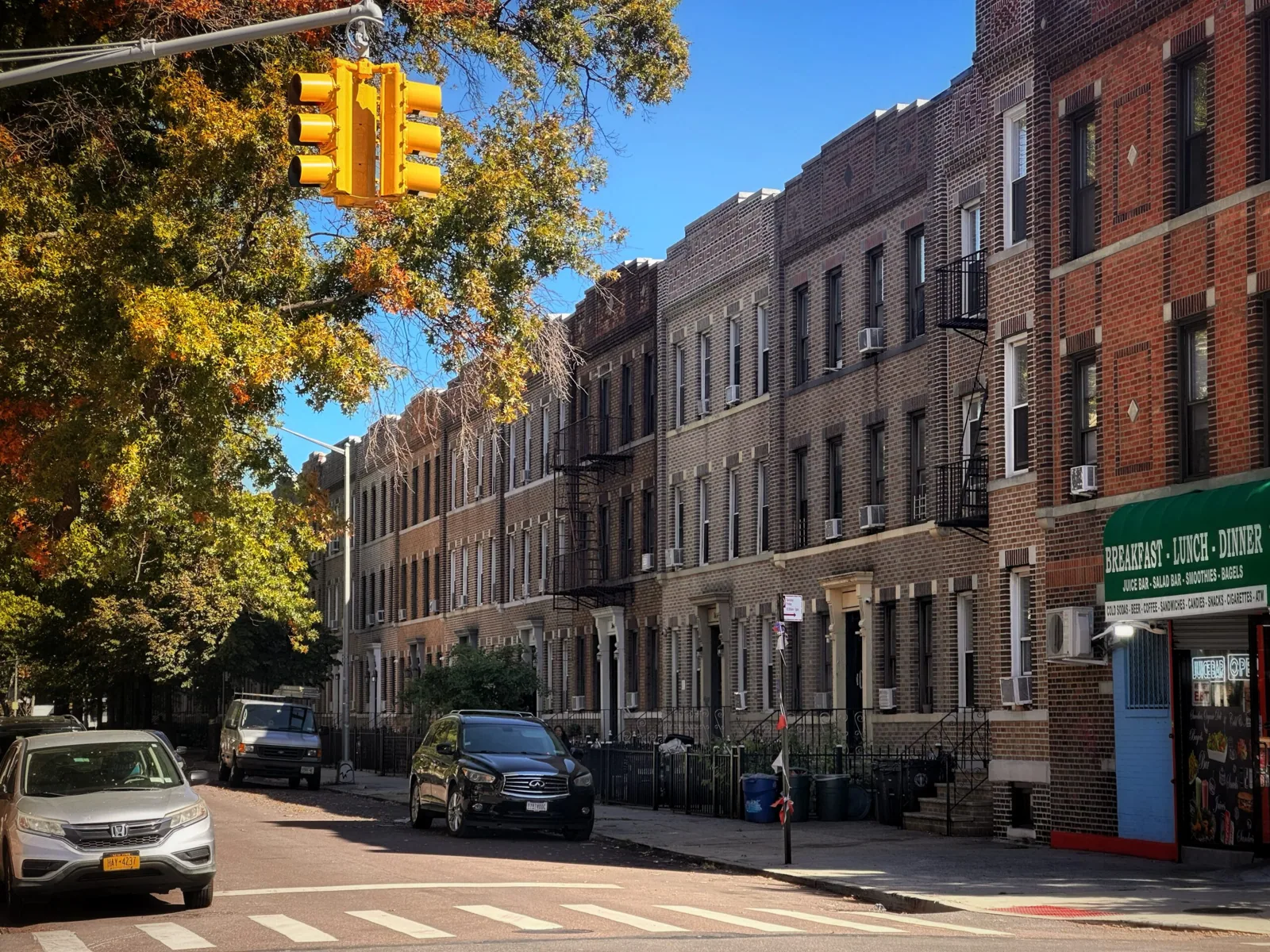
Owners in Astoria, Queens, NY describe it first as a wet spot that returns on the same stretch of ceiling after every storm, whether the building is a studio, a warehouse near the river or a storefront row on Steinway Street. The ceiling is the end of the story, not the start. We begin on the roof, at the drain, and trace the water back in order: seams, then flashing at the parapet, then every pipe and curb that crosses the membrane. Astoria's mix of film, industrial, retail and residential uses means the roofs need different answers.
What kinds of commercial roofs does Astoria have?
Astoria mixes uses on short distances. Kaufman Astoria Studios continues a film-production tradition that began in 1920 and 1921, when Famous Players-Lasky built a large studio there. Steinway Street is a major commercial street with many retail stores. 21st Street is a main artery that mixes residential, commercial and industrial uses, and Long Island City, which borders Astoria, has historically been an industrial area. Along the river, Ravenswood runs beside the water.
That mix produces three kinds of roof: tall, quiet roofs over production space; low retail roofs with many small penetrations; and wide industrial roofs with drainage and equipment.
Tenants change with the market, and so does the equipment on the roof. A restaurant adds an exhaust fan, a studio adds a cooling unit, a telecom firm adds an antenna mount. Each addition needs a flashing, and each is a possible leak if it was installed without a roofer present.
Where do these roofs fail first?
A retail row on a commercial street tends to fail at the back, at the scupper, the downspout and the wall flashing where one building meets the next. With one drain, a small roof has little margin, and a blocked drain makes the whole roof a pond. Studio and industrial roofs fail where their size hides things: seams along a long run, fasteners that have backed out and curbs carrying heavy equipment. Mixed-use roofs, such as those along 21st Street, fail at the penetrations each tenant added.
In all three, the cause is almost always one of the same few places, and we check them in the same order every time.
Heat adds a second layer. The city's July daily high is near 85 degrees, and the urban heat island is strong, so dark membranes soften and shrink at seams over a few summers. A light surface runs cooler, and a coating over a sound roof can add reflectivity for a modest cost.
What does the power plant on the river tell us?
The Ravenswood Generating Station, built by Con Edison in 1963 to 1965, can generate about 2,500 megawatts, roughly 20 percent of New York City's electricity demand, and it shows how much heavy infrastructure Astoria carries along the water. Whatever the building, the question on an industrial roof is what lands on the membrane and how the sheet reacts. Near stacks we look for discoloration, softening and cracked sealant, and the surface is tested before a repair is chosen.
Where residue is present, a chemically resistant sheet, a splash pad or an extended stack protects the next roof. Where it is not, a simpler system saves the owner money, and we say so.
How do we confirm the cause?
A clipboard, a hose and a probe are most of what the first visit needs. We mark the soft spots, photograph the low points after rain, test the drain and the leader, and look at the base of every wall. An infrared moisture survey then shows where the insulation is wet, and cores confirm the layers. The result is a written inspection report with a ranked list of repairs.
On a first walk we write down five things for every roof: the number of layers, the condition of the insulation, the path of the water to the drains, the state of every flashing and the equipment that crosses the membrane. Those five facts decide whether the roof needs a patch, a coating, a recover or a tear-off.
How do cloudbursts and heat treat an Astoria roof?
Astoria roofs take the same storms as the rest of the city. Weather extremes in the city include 27.3 inches of snow in a day on January 23, 2016 and, on September 1, 2021, Hurricane Ida's remnants, which brought the first flash flood emergency the city had ever issued and most of its deaths in Queens. Summers sit under a strong heat island, with July highs near 85 degrees at Central Park. Drains get cleared before winter, seams walked after the thaw and edge metal tightened after any windy week.
What would a repair, a coating or a replacement look like?
Rebuilt flashing, new boots and cleared scuppers make up a repair, which is often enough for a retail row. Over dry board, a worn membrane can be given a coating or a recover. Wet board or leaks that keep coming back mean a full replacement. Retail owners care about trading hours and studios care about quiet, so we schedule around both, and the plan is written before the first day. The next step is the walk.
What is the next step?
Tell us the building's street and the roof age, and send photographs of the stain and the nearest drain. Before we mention price, we will describe in plain steps what the roof is doing. Owners with buildings in Long Island City or Sunnyside can combine visits, and those weighing office building roofing in the area will find the same checks apply.
Questions Owners Ask
What building owners and managers usually ask before a roof visit.
We schedule loud work around shoots, use welded or cold-applied methods that make less odor and noise and finish each section the same day. Temporary protection goes over any opening. For a production that cannot tolerate noise, we agree on hours with the production manager and give the crew lead a direct line to the stage manager.
The back of the building. Scuppers and downspouts clog, wall flashings pull away and the shared wall between two roofs opens at the tie-in. We check each in turn and repair the cause, not the stain. A short walk of the whole row, owner by owner, finds the one place where water is entering.
Sometimes. Residue from exhaust and process air softens some membranes and sealants, and wind off open water stresses the edge. We test the surface, check the edge and recommend a sheet suited to the exposure. A chemically resistant single-ply and a well-fastened edge are the usual answers.
Twice a year, plus after severe storms. Tenants add equipment and penetrations over time, and each one can leak. A short spring and fall walk, with a written report, gives the owner a record and catches new problems early.
With care. One drain has no backup, so the strainer, the bowl and the leader are all checked, and an overflow scupper is added if the code and the parapet allow. Insulation tapered toward the drain keeps water from sitting. A small roof with one clear drain and good flashing can last a long time.
It changes the hours and the methods. We avoid loud or smelly work during shoots, use welded or cold-applied products near air intakes and keep a contact at the stage for the whole job. If a shoot moves, the roof schedule moves with it, which is why we plan the work in short sections.
Related Roofing Work
Other pages that connect to Astoria.
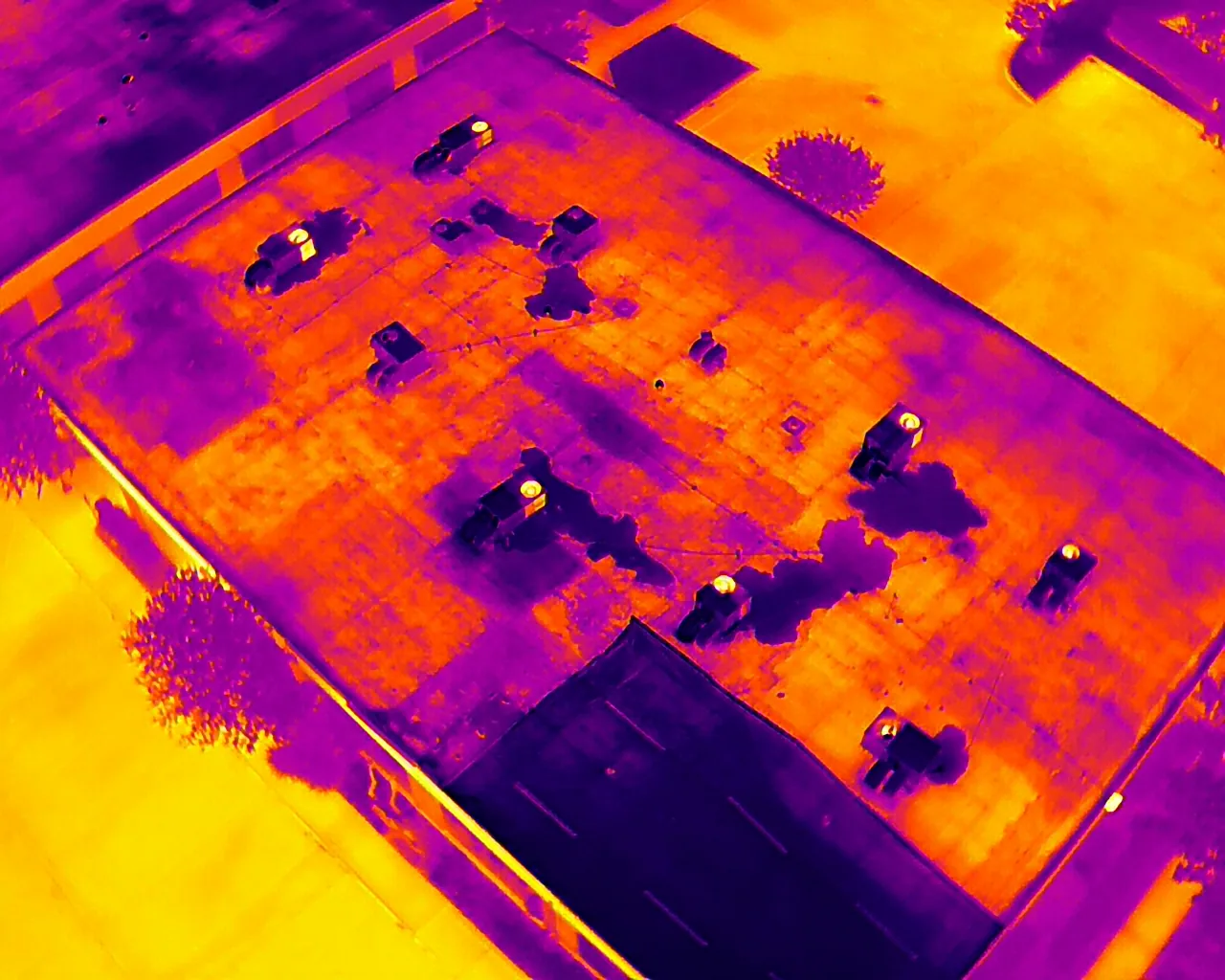
Infrared Roof Moisture Surveys
Infrared scans and core-cut moisture surveys for Queens, NY commercial roofs that locate wet insulation before the owner commits to repair or replacement.
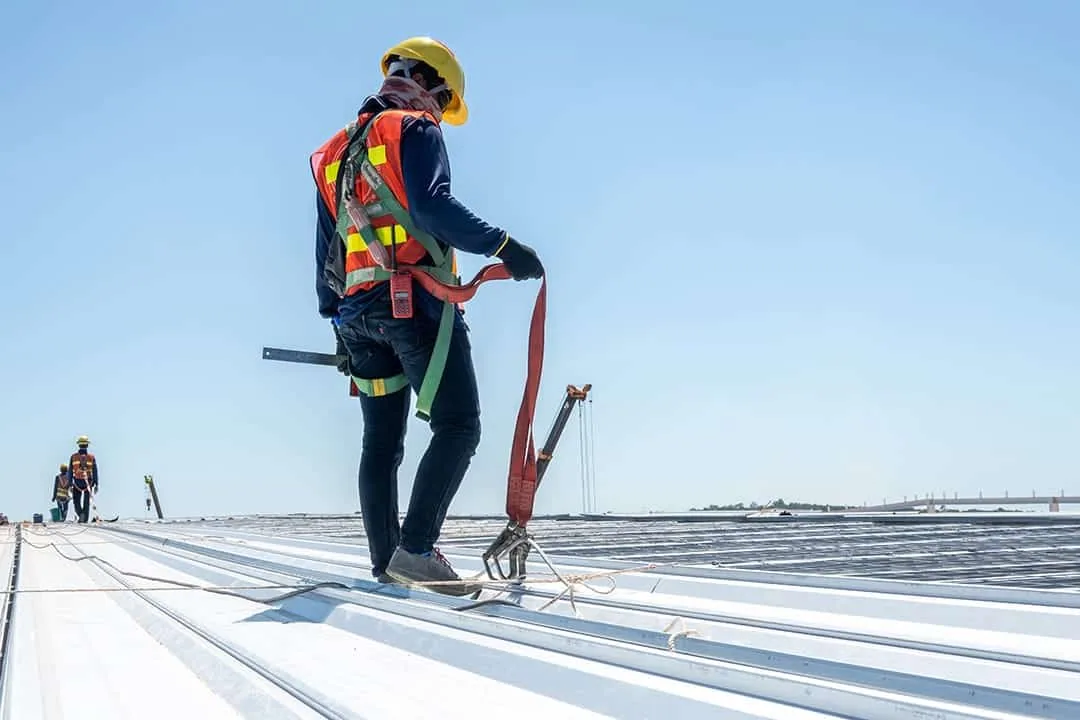
Commercial Roof Inspections
Hands-on commercial roof inspections in Queens, NY, with written findings, photographs and a ranked list of what to fix now and what can wait.
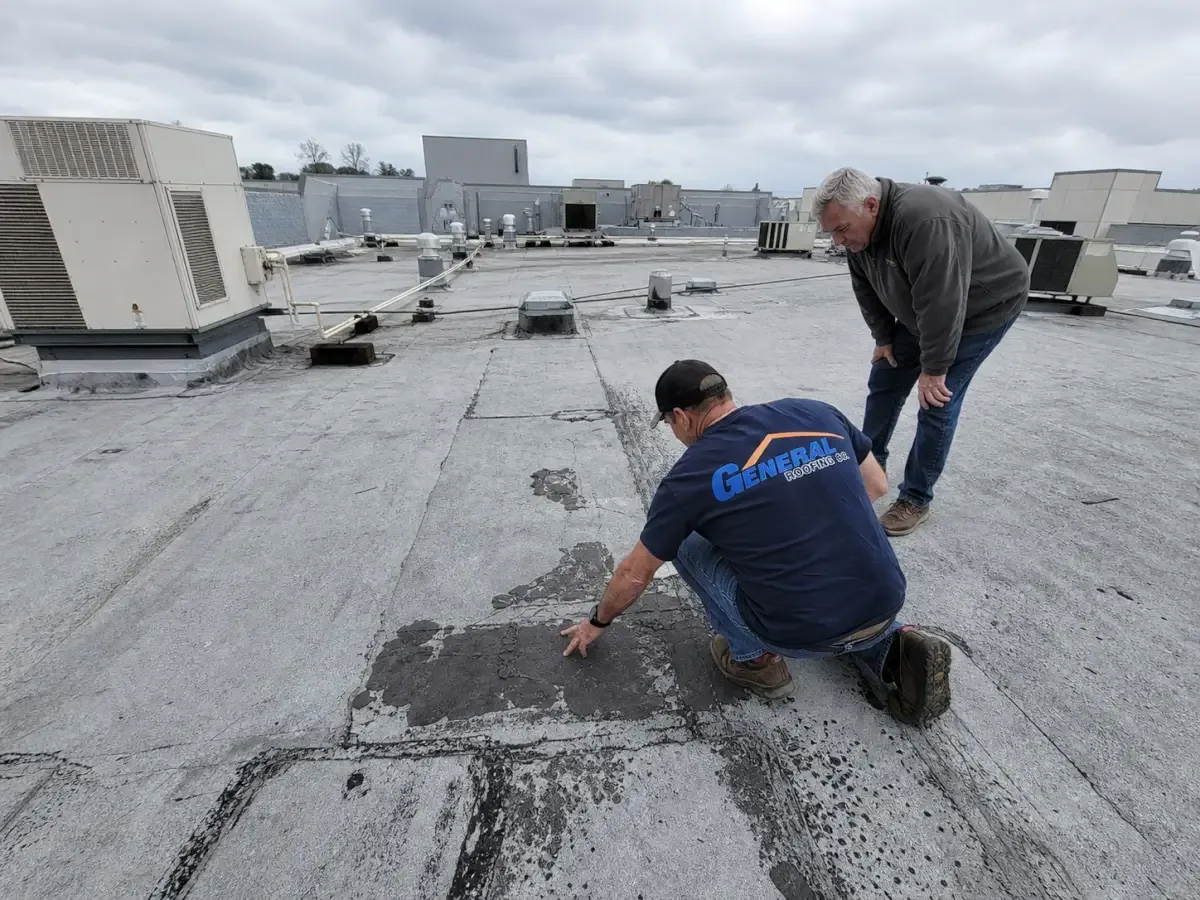
Commercial Roof Repair
Planned repair of membranes, seams, flashing and details on Queens, NY commercial roofs, with each fix explained before the crew picks up a tool.
Ready to Talk About Astoria?
Tell us about the building and what you are seeing. We will schedule a roof walk and send photos and a written scope.