
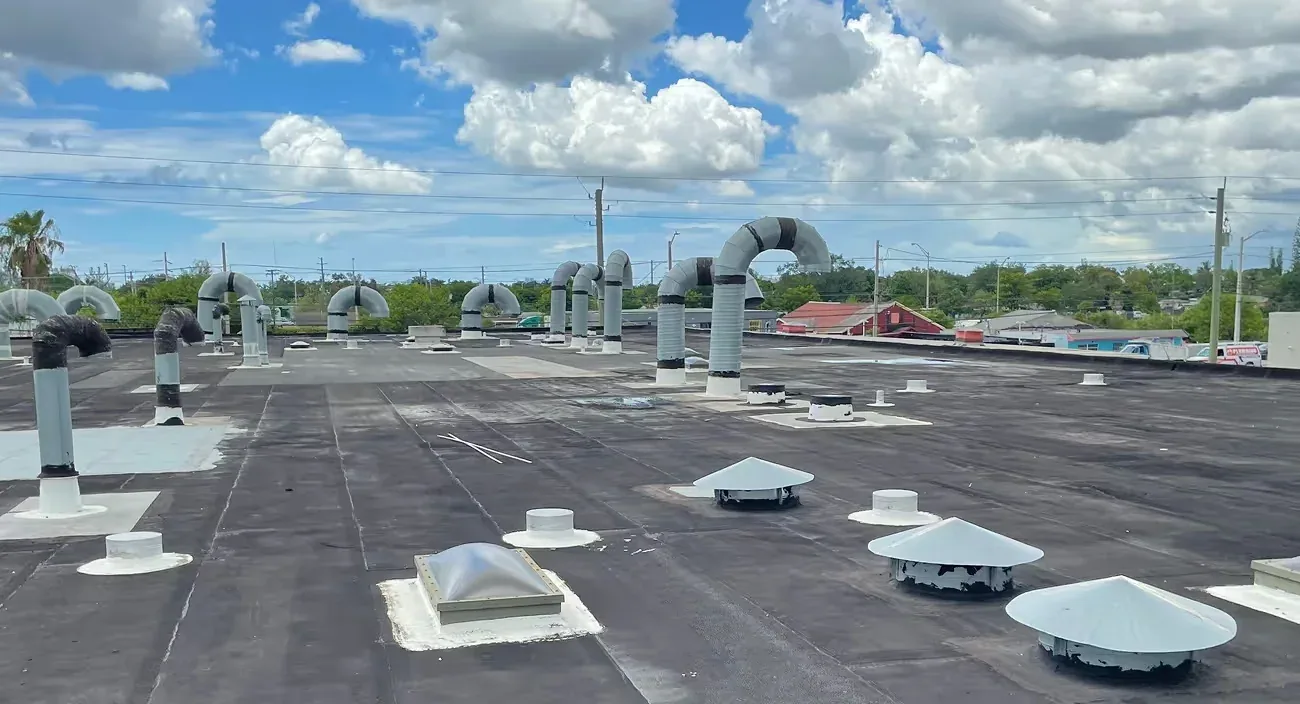
Putting a second roof over a wet first roof is the most expensive shortcut in commercial roofing. The water does not leave. It sits between the old membrane and the new one, soaks the insulation, and rusts the deck from above while the owner believes the problem has been solved. A recover, sometimes called an overlay, can still be a smart choice in Queens, NY. It saves the cost of removing and hauling the old roof, it keeps the building quieter and cleaner during the work, and it shortens the schedule. But it only works when the roof underneath is dry and strong enough to carry another layer.
So the first step is never the new membrane. It is testing what the existing roof is holding. The test results then let the choice between recover and replacement rest on what is physically in the roof.
How do you know the old roof is dry enough?
Three checks answer the question. An infrared scan on a clear evening shows where the roof is retaining warmth from wet insulation, because water holds heat longer than dry material. Core cuts confirm what the scan suggests: we pull small samples, look at the insulation and deck, and patch each opening. A moisture meter then walks the roof in a grid to catch the areas the scan misses. Our infrared moisture survey follows this sequence.
Owners are sometimes surprised that a roof with no visible leaks can still fail the test. Water can sit in the insulation for years without reaching the ceiling because the deck is solid and the leaks are slow. If the survey shows wet areas, we have two options: cut out and replace the wet sections before recovering, or move to a full tear-off. Neither is a place to hurry.
What limits a recover?
Weight, layers and fastening hold the line. A building can only carry so much additional dead load, and a structural check of the deck and framing comes before any recover is priced. The number of existing layers also matters, because the code sets a limit on how many roof coverings a building may carry. The Department of Buildings publishes the 2022 NYC Construction Codes, and Chapter 15 of the Building Code, on roof assemblies and rooftop structures, governs this kind of work. We confirm the requirement that applies to the property before the scope is written.
Fastening is the third limit. A new membrane that is mechanically attached must reach the deck through the old layers, so the fasteners need to be long enough and the deck must hold them. Where the deck is corroded, the recover is the wrong choice. A full replacement gives the crew access to the deck, which is the only way to fix it.
Which Queens roofs are good candidates?
In an industrial district such as the College Point Corporate Park or the Maspeth Industrial Center, a single-ply roof whose membrane is aging but whose insulation has stayed dry can be a good candidate when the deck and drainage are sound. A building that has had its roof maintained well and that sits well above its drains is much easier to recover than one that has ponded for years.
Older buildings are a different case. Rowhouse and mill-era buildings in Ridgewood and Glendale have brick walls, and any flat roof there that has already been re-covered several times is close to its limit. At some point the layers must come off, because the code limits them and because the weight adds up. If the walls are masonry, the parapet and wall flashing also need to be reconstructed properly. A new membrane that stops at a failing parapet detail does nothing about the water that enters behind the metal.
What goes between the old roof and the new one?
A separation layer or cover board goes first. It protects the new membrane from the rough surface of an old built-up roof, bridges small voids, and gives fasteners or adhesive something solid to grip. Over a ballasted roof, the stone is removed before anything else. Over a smooth-surfaced membrane, the surface is cleaned and primed, whether the new system is TPO or another single-ply. Our crews address every penetration and skylight curb individually, because flashing heights that were adequate for the old roof become too low once the roof surface rises by an inch or more.
The same attention goes to the edges. Raising the roof surface changes the height of the base flashing at every wall and curb. If the flashing is already barely tall enough, adding insulation can leave it below the minimum height, which is a common cause of leaks after a hasty recover. We measure it before we order material.
What does a recover save, and what does it cost later?
The saving is real. Tear-off, disposal and deck repair are usually the largest labor items in a replacement, and a recover avoids most of them. Interior disruption is lower, and the building stays dry because the old roof is still in place while the new one goes on. For an owner with a short-term hold on the property, or a budget that cannot absorb a full replacement this year, a carefully tested recover is a defensible choice.
The cost shows up later. When the new membrane ages out, the building carries two roofs to remove instead of one, and the owner pays to remove both. If the owner plans to keep the building for the long term, that future cost belongs in the calculation. Heat and sun matter too: New York City sits inside a strong urban heat island, and a dark old surface under a new one can hold heat, so we discuss a reflective cool roof finish and the energy considerations that go with it.
Questions Owners Ask
What building owners and managers usually ask before a roof visit.
No. Compatibility matters, because asphaltic roofs and some single-ply membranes can react chemically with each other, which is why a separation board is frequently specified. Mechanically attached systems are common over an old built-up roof, and fully adhered systems need a clean, firm substrate. We match the new system to the old one before ordering material, and we explain the pairing and why it works in the written scope.
We cut those out and replace the insulation in the affected zones before the recover goes down. That is often cheaper than a full tear-off, and it keeps the good portions of the roof working. The scope shows the cut-out areas on a plan with their approximate size, so the owner sees exactly where the roof was wet. It also gives us a baseline for the maintenance program afterward.
Only if drainage is addressed in the same project. Hurricane Ida's remnants set off the city's first flash flood emergency in September 2021, and a roof that already holds water in low spots will hold it after a recover too. Tapered insulation can be added over the existing roof to redirect water toward drains, and we can add or resize outlets. Without those steps, the new membrane simply ponds in the same places. Our work on ponding water covers the options.
A well-tested recover can perform for many years, but it cannot outlast a bad deck or wet insulation below it. Warranty terms vary by manufacturer and by what lies under the new roof, and we do not promise a service life. We tell the owner what the system is designed for, what the weak points are, and what maintenance keeps it on schedule.
Related Roofing Work
Other pages that connect to Roof Recover and Overlay Systems.
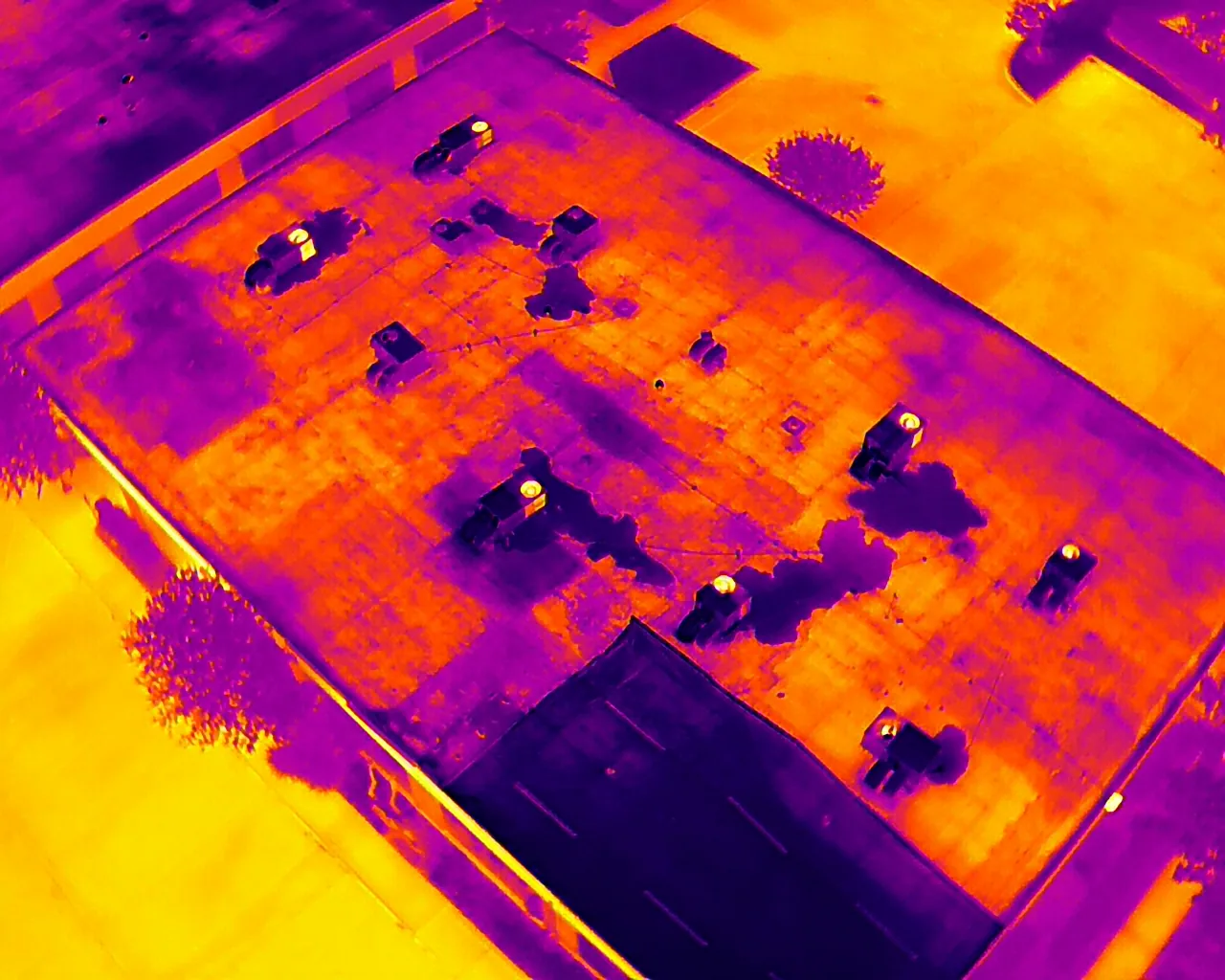
Infrared Roof Moisture Surveys
Infrared scans and core-cut moisture surveys for Queens, NY commercial roofs that locate wet insulation before the owner commits to repair or replacement.
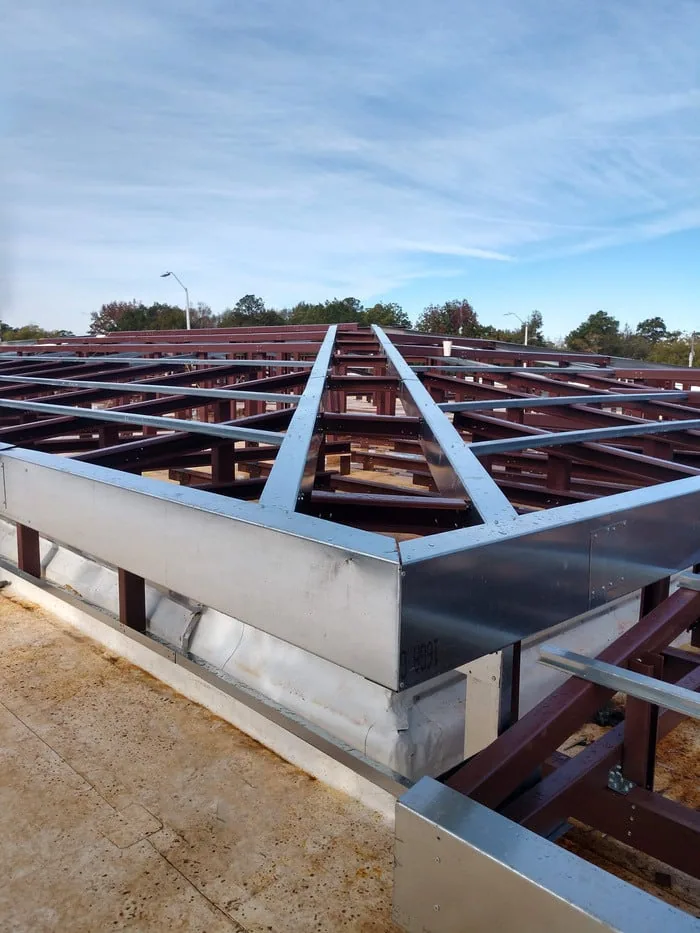
Commercial Roof Replacement
Full tear-off and replacement of low-slope commercial roofs in Queens, NY, with drainage, flashing and insulation decisions explained step by step.
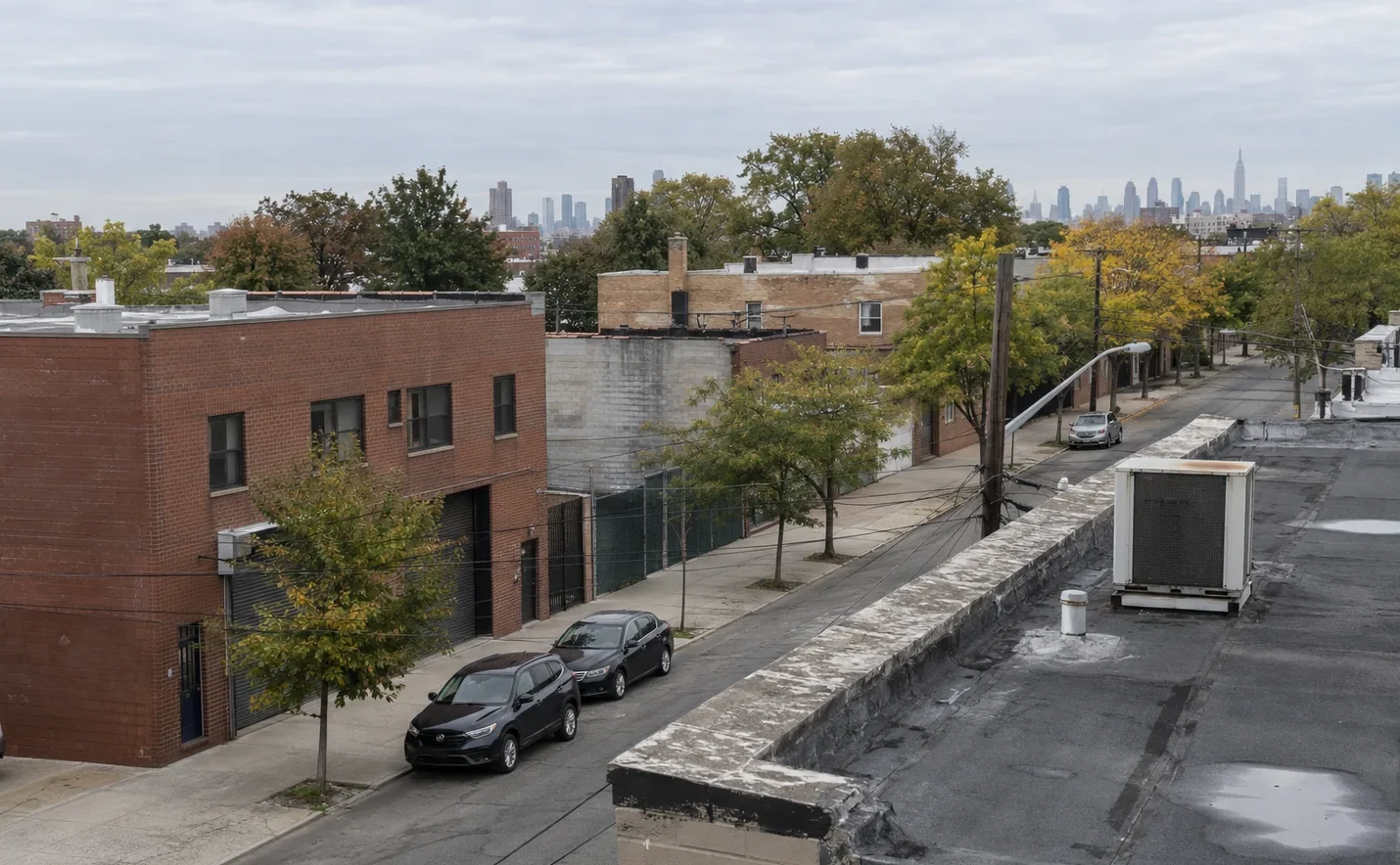
College Point
Commercial roof repair and replacement in College Point, Queens, NY: corporate park industrial roofs, distribution and warehouse buildings and strip retail.
Ready to Talk About Roof Recover and Overlay Systems?
Tell us about the building and what you are seeing. We will schedule a roof walk and send photos and a written scope.