
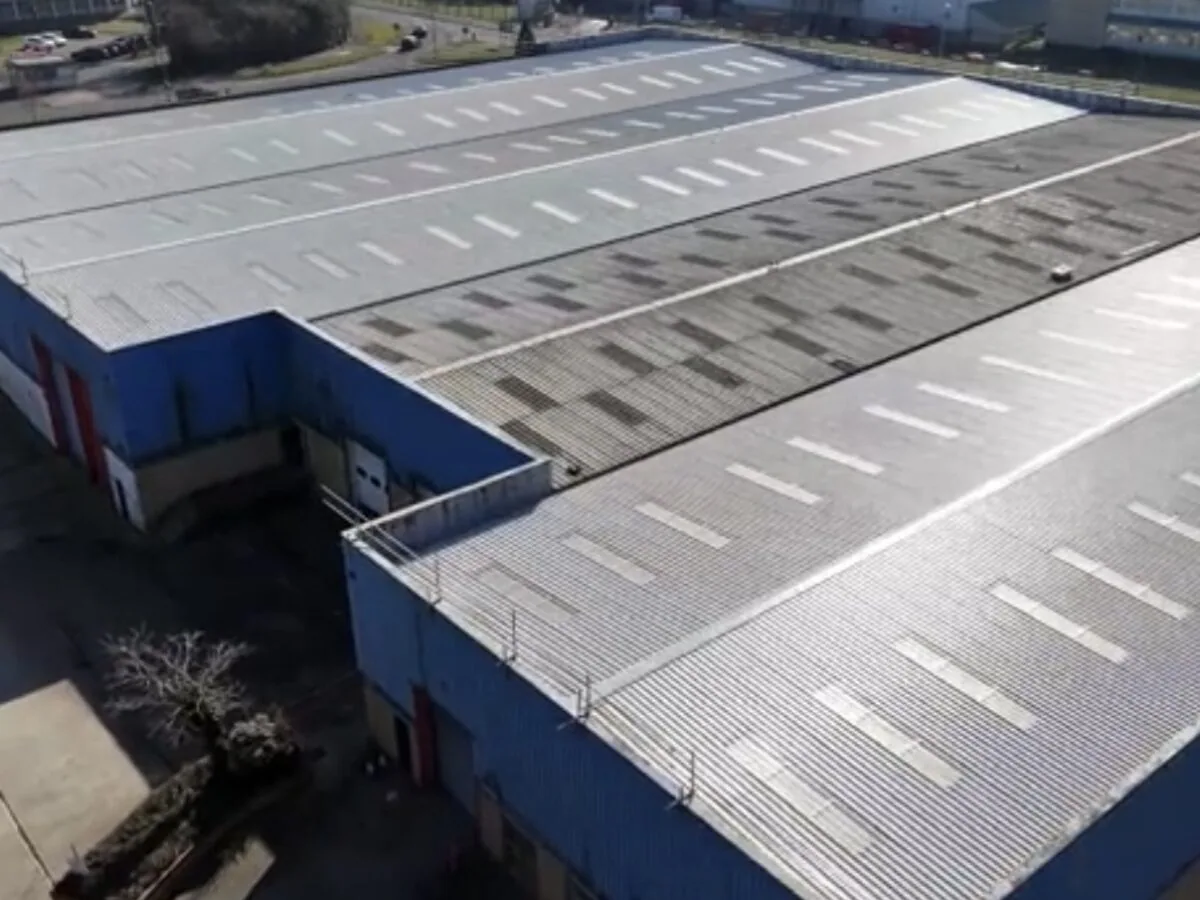
Drip buckets in a stockroom tell you a roof is leaking, and they tell you very little else. The first hour of leak work in Queens, NY is spent finding out where the water enters, how far it has traveled, and whether it is still moving through the insulation. Stopping the drip is the easy part. The harder part is making sure the repair holds the next time a cloudburst arrives, and that the wet material beneath the membrane does not keep feeding the problem for months.
We trace leaks in a fixed order. We look at what is wet inside, we follow the water uphill across the roof, we confirm the entry point, and then we repair the detail that failed. Skipping any step usually means coming back, and the owner pays for the second visit with another round of damaged ceiling tile or stock.
What do we look at inside the building first?
The interior gives the first clues. We note where the water appears, whether it follows a beam or a line of fasteners, and how the stain is shaped. A round spot under a pipe points to a penetration flashing. A line along a wall suggests the parapet or a wall tie-in. A stain that appears only after wind-driven rain points to a vertical surface, such as a rooftop unit's side or a parapet wall, rather than to the horizontal field of the roof.
On a steel deck, water can run along a flute for many feet before it drops, which is why the location of the stain and the location of the opening can be far apart. We ask about timing: whether the leak shows up in any rain or only in heavy or wind-driven rain, because that single detail separates drain problems from flashing problems. Our hands-on inspection notes these observations in the written findings.
How do we find the opening on the roof?
We start at the closest drain and work outward. Drains and scuppers are checked for debris, because a blocked drain can push water up and under flashing and seams. Then we check the seams near the stain with a probe, the flashing at every wall and curb, and every pipe and conduit that passes through the deck. A coat of sealant over an unknown source only hides the clue, so we avoid it until the entry point is confirmed.
When the answer is still not clear, we run a controlled water test. A hose is used on one small area at a time, starting downhill and moving up, while another person watches the interior. It takes time, but it works. For large roofs, an infrared scan after sunset shows where the roof is holding stored heat from wet insulation, which maps the leak's path faster than walking the surface alone.
Why do leaks multiply after big storms?
Heavy rain finds every weakness at once. On September 1, 2021, the remnants of Hurricane Ida brought the first flash flood emergency ever issued for New York City, and most of the city's deaths were in Queens. A roof that took on water during a storm like that may show leaks in places that never leaked before, because drains backed up, ponds formed at low spots, and standing water found seams that normal rain runs past.
Wind-driven rain adds its own pattern. Water pushed sideways under counterflashing or around a rooftop unit enters at the vertical surfaces, and shows up after specific storm directions. Howard Beach sits on Jamaica Bay, and Sandy brought a ten-foot surge into it in October 2012, which shows how exposed the bayfront is. Buildings along the Rockaway shoreline face the open Atlantic as well, and we check their roofs after major storms with that exposure in mind. After any major storm, we recommend checking the roof within days rather than waiting for the next rain.
What does the actual repair involve?
The repair matches the failure. A split seam is cleaned and covered with a welded strip or a patch with rounded corners. A failed pipe boot is replaced, not caulked. Open flashing is re-formed and fastened, and where the wall is brick, the mortar above is repointed so the new metal has a sound surface behind it. Where the membrane is blistered, the blister is cut, the insulation below is checked, and wet material is removed before the patch goes on.
We then test the repaired area. If the roof was wet before, we note how large the wet zone was and mark it on a plan. That zone becomes the area to watch. If it is small and isolated, the repair is likely to hold. If it is large and spreading, the owner should hear that plainly, because the money is better spent on planned repair of the wider area or a replacement than on another round of patches.
How do we protect the space below?
Water in a building causes secondary damage within hours. Ceiling tile absorbs, insulation sags, electrical panels can short, and stock stored under a leak is at risk. We cover and move what we can, direct the water to containment, and notify the property manager of anything that needs attention from other trades. In a mixed-use building in Long Island City or a retail block in Flushing, we coordinate with the building contact so tenants know when the crew will be overhead.
If the leak is active and heavy, the first step is dry-in: a temporary cover over the opening so that the building stays protected until the permanent repair can be made. Our emergency roof repair response can do this at any hour, and we keep photographs of the water path for any insurance claim that may follow.
Questions Owners Ask
What building owners and managers usually ask before a roof visit.
Yes. A roof can look intact from the surface while water enters at a hidden seam lap, a fastener that backed out, or a cracked pipe boot. Small openings leak only in certain wind directions or only under standing water. The surface may also look fine because water is entering at a wall tie-in rather than the field. That is why we probe seams and test flashing by hand rather than relying on a visual pass.
Quickly, because water that reaches insulation is no longer a one-time problem. Wet insulation stays wet for a long time, rusts steel decks and fasteners, and spreads. A temporary cover can stop the damage the same day, and a permanent repair can follow once the entry point is confirmed. Waiting for the next rain to see whether the leak returns usually costs more than acting.
Coverage varies with the policy and the cause. Sudden storm damage may be covered, while gradual deterioration often is not. We document the water path, the date and conditions, and the damage with photographs and written findings, which helps the owner and adjuster discuss the claim. Our work on claim documentation follows that approach.
We come back and look again, starting with the area around the repair. Often a second entry point exists upstream that the first rain did not reach. We note the conditions when it reappears, check the drains, and re-test the repaired area. If the roof is wet over a wider area than we first found, we show the owner the moisture map and talk through the next step.
Related Roofing Work
Other pages that connect to Commercial Roof Leak Repair.
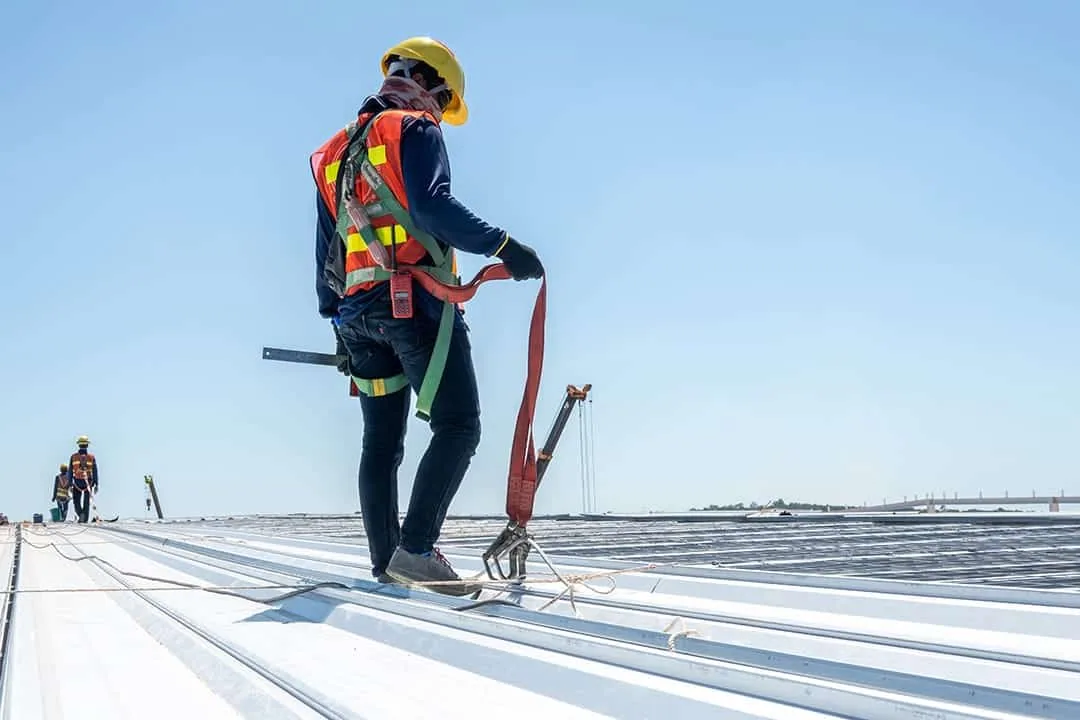
Commercial Roof Inspections
Hands-on commercial roof inspections in Queens, NY, with written findings, photographs and a ranked list of what to fix now and what can wait.
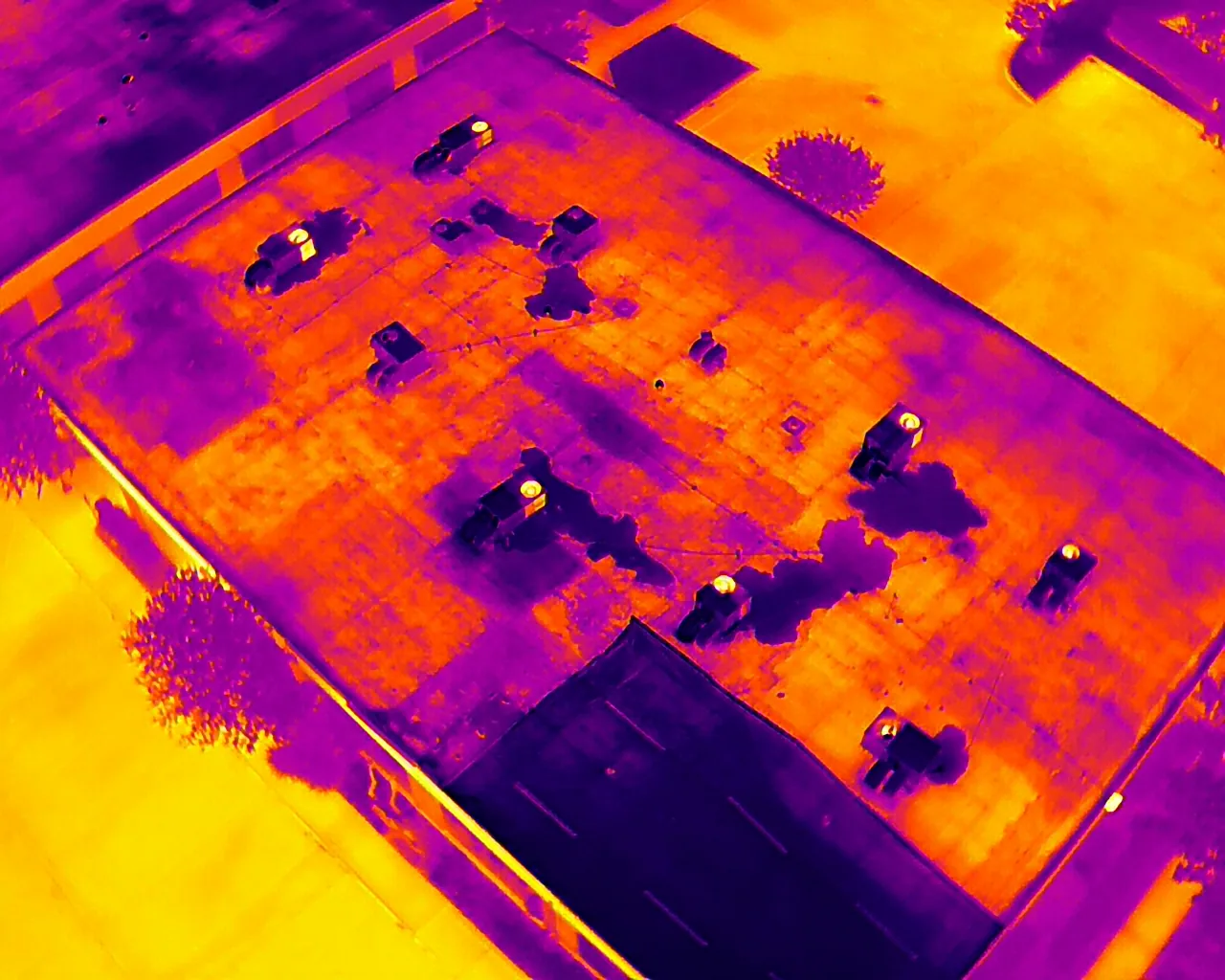
Infrared Roof Moisture Surveys
Infrared scans and core-cut moisture surveys for Queens, NY commercial roofs that locate wet insulation before the owner commits to repair or replacement.
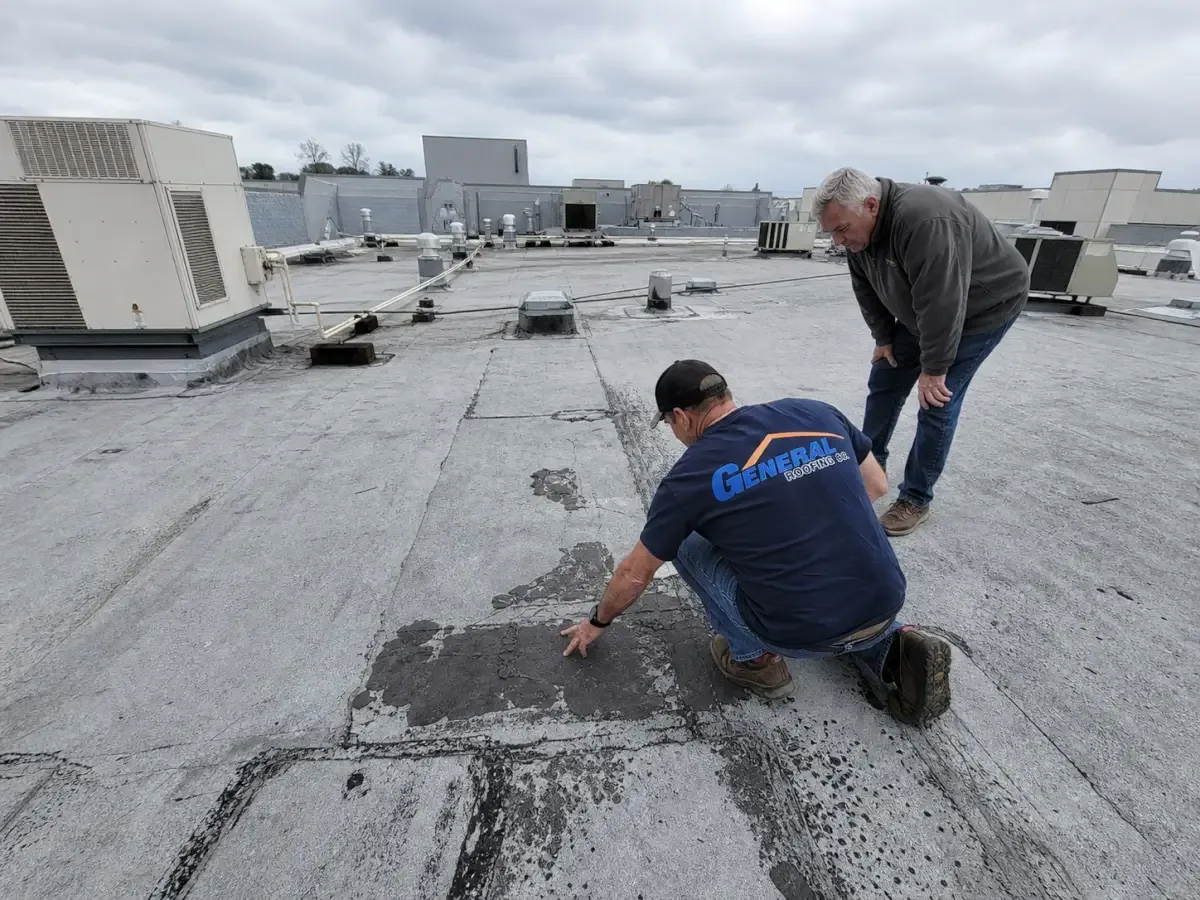
Commercial Roof Repair
Planned repair of membranes, seams, flashing and details on Queens, NY commercial roofs, with each fix explained before the crew picks up a tool.
Ready to Talk About Commercial Roof Leak Repair?
Tell us about the building and what you are seeing. We will schedule a roof walk and send photos and a written scope.