
An acquisitions analyst opens the property condition report and finds one line saying the roof is in fair condition with some deferred maintenance, written from the ground and from a photograph of the parapet. Fair is not a number. A buyer who underwrites a building on that word is guessing at a capital item that can run to a large share of the first year's budget. For investors in Queens, NY, commercial roof repair and replacement starts from that vague line and works back to a measured rating, one step at a time.
Go with me from the sentence in the report up to the roof itself.
What does an investor need to know that a condition report leaves out?
Three things. First, how much of the insulation is wet, because wet insulation means the roof is closer to replacement than its surface suggests. Second, how many layers sit on the deck, because that sets whether a recover is still allowed. Third, what the drains and flashings are doing, because they decide whether the next storm produces a claim.
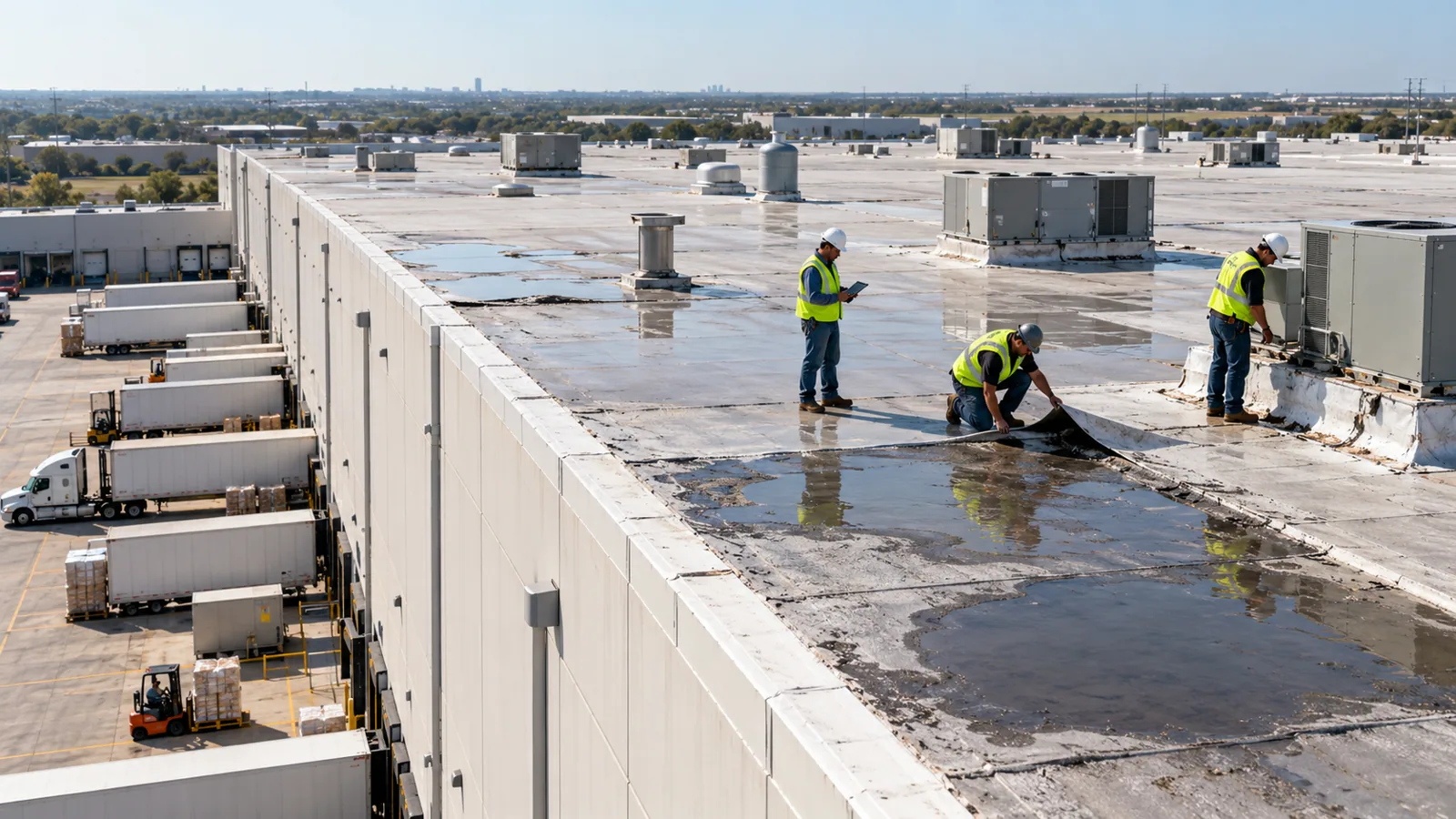
None of those can be read from the ground. An infrared scan maps the moisture, a few core cuts count the layers and a hands-on walk tests the details. The result is a rating by roof area, a remaining-life range and a priced list of options, in a form that drops into a pro forma. A due diligence roof survey usually fits inside the inspection period.
The deliverable is short on purpose. A one-page summary with the rating, the remaining-life range, the immediate items and the five-year items sits on top of a larger file of photographs, scans and core logs. An analyst reads the page; counsel and lenders read the file.
What is happening on the roofs of a mixed Queens portfolio?
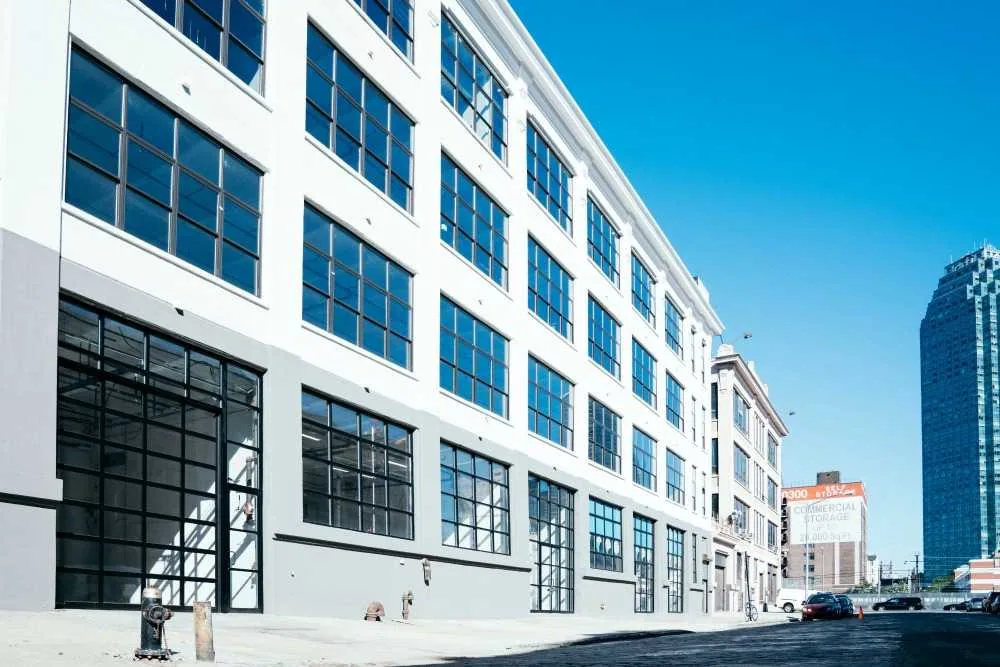
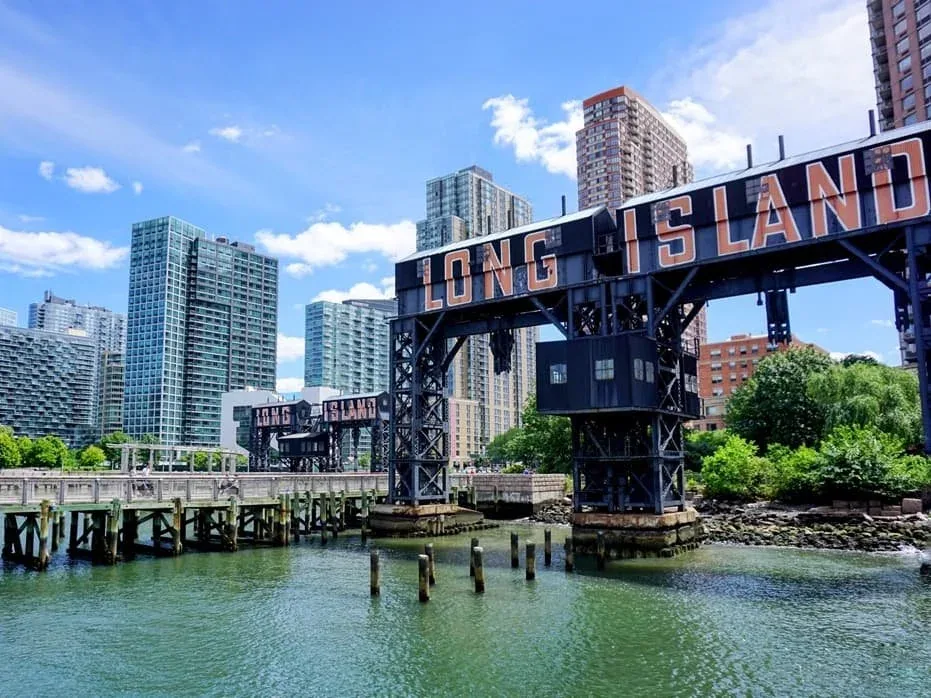
Queens has the most diversified economy of the five boroughs, with a 2024 GDP of about $111.1 billion, and its building stock reflects that. A 2001 rezoning from industrial to residential left Long Island City with older masonry industrial roofs next to newer mixed-use buildings, and Jamaica's 2007 rezoning permits up to 28 stories beside its transit hub. Rego Center Phase II puts a 312-unit residential tower above its 950,000 square feet of retail, while Elmhurst's Queens Center runs to about 1,000,000 square feet of gross leasable area.
Each of those roofs has its own job and fails in its own pattern. The first thing to check on a low-slope roof is the drain. Next the seams and the flashing at the parapet. A podium deck under a tower adds pavers, planters and waterproofing under them. We do not assume which applies to any one asset.
Rooftop equipment is the other thing an investor underwrites without seeing. Tenants add vents, condensers and exhaust fans, and each leaves a curb and a sealant line. We number them on the plan and note which are abandoned, so the price of removal and capping is known before closing.
How does the roof affect the hold period?
A roof is a capital item with a date. A sound roof with fifteen years of life is a non-event for a five-year hold. A roof with three years left is a purchase-price adjustment or a reserve. A roof with active leaks is an operating cost and a tenant-relations problem. The survey tells which of these the building has, and the rating says when the date falls.
For a hold, we recommend a sequence: stabilize leaks and drains in the first year, repair what the scan marks as local, and plan the recover or replacement against the lease roll so tenants are least disrupted. Roof capital planning puts those items on a calendar. Owners in Long Island City or Jamaica can use the same format.
Leases matter here. Many leases split roof costs between landlord and tenant, and a roof file with a numbered plan makes clear which area sits over which premises. That helps when a leak triggers a rent dispute, and it helps at renewal when the tenant asks about the roof.
What about value-add and redevelopment?
Redevelopment raises roof questions of its own. Redevelopment is under way in more than one place. Far Rockaway's center was rezoned across 23 blocks in 2017 for retail and community space beside as many as 3,100 residences, and the plan for Willets Point won approval in 2013. A building held for conversion needs a roof that stays closed until the work begins, and a roof that can carry the added loads, equipment or amenity space once it does.
For a conversion, the survey answers a short list: can the existing roof last through the entitlement period, what must be stabilized now, and what will need replacing as part of the project. A stabilizing repair is often small. A mistaken full replacement before demolition is not.
Insurance and lenders read the roof file during entitlement and financing. A dated rating and photographs from the start of the hold show what the roof looked like, which matters for a claim or a refinancing later in the cycle.
What do Queens storms add to the underwriting?
Hurricane Ida's remnants on September 1, 2021 produced the first flash flood emergency ever issued in the city, and most of the deaths were in Queens. Hurricane Sandy put water six feet deep in Maspeth, with the whole Rockaway peninsula ordered to evacuate beforehand. A roof sits above flood level, yet wind and rain reach it first, and insurers ask about its condition after a storm year.
Average snowfall is about 29.8 inches a year, with 27.3 inches on January 23, 2016, and the urban heat island amplifies July afternoons that already reach near 85 degrees at Central Park. Those stresses age seams and sealants. A dated rating with photographs gives an underwriter something to hold against them, and the same record serves insurance restoration work if a claim follows.
Drains and leaders get cleared before the wet season, edges and flashings checked before winter and sealants before summer heat. Each check is dated and photographed, and the file grows with the hold.
What is the next step for an acquisition?
The next step is to send the address, the inspection deadline and the property condition report. We schedule the walk inside the window, scan and core where access allows and return a rating and a priced option list. A buyer can then negotiate on measurements, and a seller who holds the same file can answer questions before they become price reductions. The same format serves property management companies after closing.
Where a portfolio spans several assets, the same format lets an asset manager compare a retail roof, a mixed-use roof and an industrial roof on one scale. The oldest and wettest roof rises to the top, whatever its use.
Questions Owners Ask
What building owners and managers usually ask before a roof visit.
A scan, a walk and a few cores can be done in days on most buildings, and the written rating follows shortly after. Access to the roof and to tenant areas below is the usual limit, so we ask for it early.
The measured condition of the membrane, the dryness of the insulation, the state of flashings and the history of repairs. It is a range, not a promise, and the report shows the evidence behind it.
They serve different jobs. Repairs stop active leaks and extend life. A reserve funds the end of life. The rating shows how much of each the building needs.
Stabilize drains and active leaks, avoid a full replacement that demolition will remove and document the condition so the project team knows what is left.
Send the address, the inspection deadline and the property condition report, with photos of any known stain. We can then set out, step by step, what the roof is doing and what it will cost to hold.
Related Roofing Work
Other pages that connect to Real Estate Investors and REITs.

Due Diligence Roof Surveys
Due diligence roof surveys in Queens, NY: fast, documented roof assessments for acquisitions and refinancing, with remaining life, defects and reserve figures.
Roof Capital Planning
Roof capital planning in Queens, NY: budgets and replacement timing built from moisture data, condition ratings and building plans, so roof work is scheduled.
Long Island City
Commercial roof repair and replacement in Long Island City, Queens, NY, for masonry industrial buildings, converted factories and newer mixed-use roofs.
Ready to Talk About Real Estate Investors and REITs?
Tell us about the building and what you are seeing. We will schedule a roof walk and send photos and a written scope.