
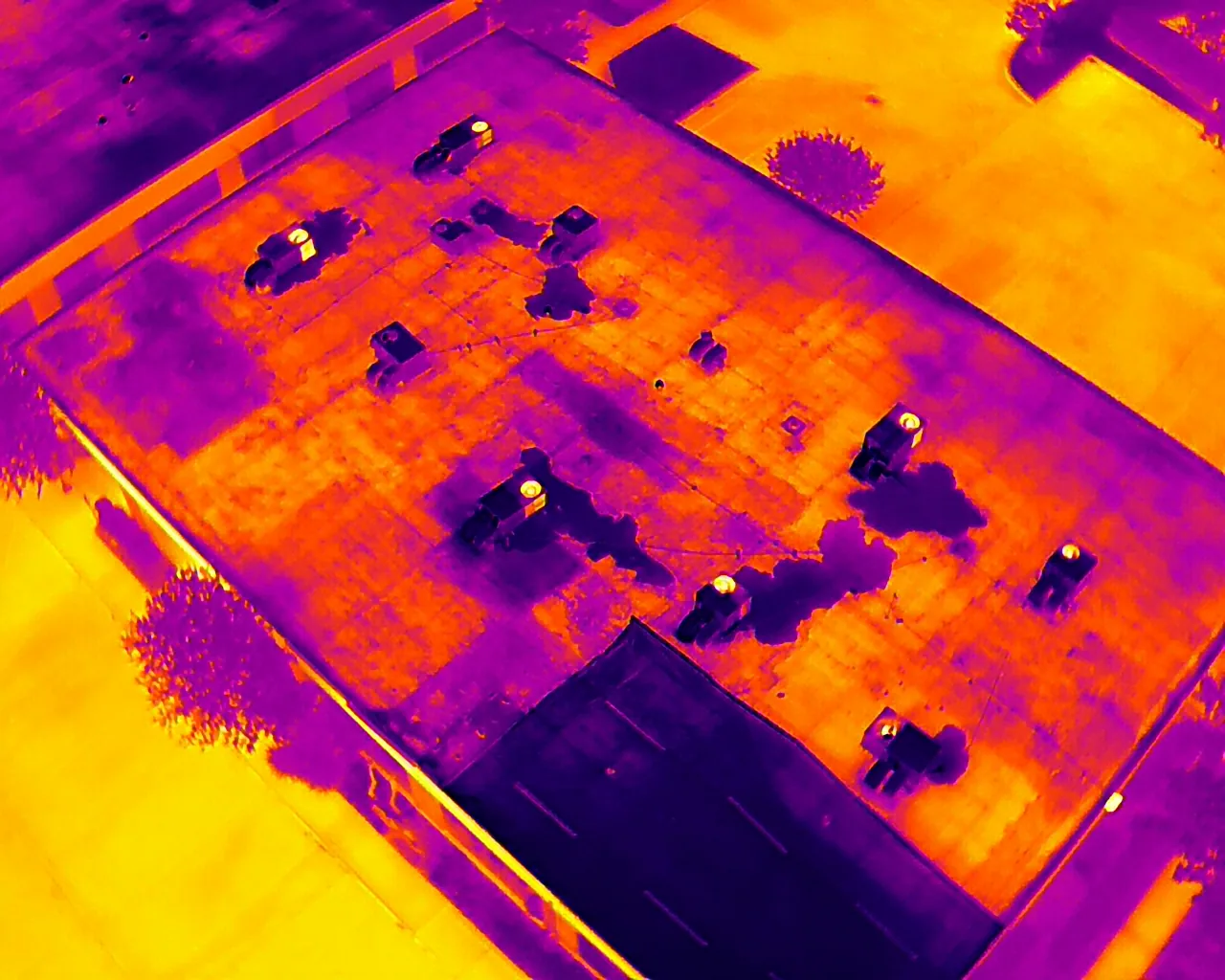
Wet insulation is invisible from above. The membrane can look clean, the seams can be tight, and the roof can pass a casual walk while a quarter of the insulation beneath it holds water. That water adds weight, stops the insulation from doing its job, and corrodes the deck. A moisture survey finds it. In Queens, NY, where a flat roof may have been patched, recovered and patched again over the years, it is often the most useful money an owner can spend before committing to any larger project.
The survey answers one practical question: how much of this roof is wet, and where? With that answer, the choice between repair, recover and replacement becomes a matter of measured area instead of guesswork. Here is how we get there.
Why does infrared show wet insulation?
Water holds heat longer than dry insulation does. During the day the sun warms the whole roof. After sunset, dry areas cool quickly, but wet insulation releases its stored heat slowly, so it stays warmer. An infrared camera records those temperature differences, and the wet areas appear as patches that stay warm well after their surroundings have cooled.
Conditions matter. The scan works best on a clear, dry evening after a sunny day, with light wind and no recent rain on the roof surface. Cloud, wind and surface moisture can hide the pattern, and reflective surfaces need care in interpreting the image. We plan the scan for suitable weather and often wait for a better evening rather than record unreliable data. The roof surface is also marked as the scan progresses, so the thermal patterns can be matched to physical locations.
The camera sees the surface, so we also record what the surface is made of. A gravel-surfaced roof, a smooth single-ply and a coated membrane each shed heat differently, and reading one with the rules of another produces false alarms. Knowing the roof type before the scan keeps the reading reliable.
How do we confirm what the camera shows?
A thermal image is a clue, not a measurement. Warm patches can come from wet insulation, but also from thicker insulation, a dark patch, a change in roof material or an area over a heated space. We confirm with a moisture meter and with core cuts. A core is a small circular sample, usually a few inches wide, cut through the membrane and insulation. We look at the layers, check the insulation for water, and examine the deck. Each hole is patched and sealed.
We cut cores at the warm patches, at the cool areas and at the boundary between them. That sample spread tells us whether the thermal pattern matches the moisture and whether the boundary is accurate. The cores also show what the roof is made of, how many layers there are and what condition the deck is in, which is information that matters for any replacement or recover decision.
Why do Queens roofs get wet inside?
Storms come first. Hurricane Ida's September 2021 cloudburst led to New York City's first flash flood emergency, and a roof that held standing water through it may have sent some into the assembly through seams or flashing. Hurricane Sandy in October 2012 put water six feet deep in Maspeth. After either event, a survey is a way to learn what the roof absorbed.
Old repairs are the second cause. Ridgewood and Glendale hold mill-era factories and yellow brick rowhouses, and wherever one of those buildings has a flat roof that has been patched more than once, the patches are worth testing. Water entering at a failed wall flashing can run into the insulation and stay there for years. The third is slow drainage: a roof that ponds repeatedly pushes water through minor openings that a dry roof would shed. Knowing which cause applies shapes the repair.
What do the results look like?
The report includes a roof plan with the wet areas outlined, thermal images beside ordinary photographs, the core locations and descriptions, and a summary of the extent of moisture. We mark the boundary between wet and dry, estimate the wet area as a share of the roof, and note the likely entry points. We also record the construction of the roof: membrane type, insulation thickness, deck type and condition.
The owner can then see what each path costs. If the wet area is small and isolated, cutting out and replacing those sections can extend the life of the roof, and planned repair becomes a practical option. If the wet area is large, a full tear-off is more cost-effective. If the roof is nearly dry and the membrane is the problem, a recover may suit. The survey turns an argument into a number and gives the owner something to show a lender, a tenant or an insurer.
When should an owner order a survey?
Before any large decision. A buyer evaluating a building in Jamaica or Flushing can use a survey to understand the roof's true condition and negotiate. An owner planning a recover needs one to confirm the existing roof is dry enough. A property manager with a recurring leak needs one to find the cause. An owner with a roof near the end of its warranty benefits from documentation that supports a claim.
Surveys are also valuable on a schedule. Repeating a scan every few years shows whether wet areas are growing, which is a better predictor of when to replace than the roof's age alone. They fit well into condition reporting and capital planning, since the area of wet insulation drives the budget. A roof with a stable, small wet zone can wait. A roof with a growing one cannot.
Questions Owners Ask
What building owners and managers usually ask before a roof visit.
Yes, with adjustments. Ballast stone masks and slows the thermal signal, so we may need to move stone aside in test areas or rely more on core cuts and meter readings. Coatings do not stop the scan, but a heavily reflective surface needs careful interpretation. We explain the limits of the method for your particular roof before scheduling, so you know how much weight to give the thermal images.
As few as it takes to confirm the thermal map, and more where the picture is unclear. A small roof may need a handful, while a large one may need a dozen or more. We place them across wet, dry and boundary zones, patch each opening the same day, and record what we find. If the scan is clear and the moisture meter agrees, the number can stay low.
Very little. The scanning is done from the roof at dusk or at night, with no work inside the building. Core cuts are small and patched immediately. Tenants below rarely notice the work, and the property manager usually only needs to arrange roof access and a quiet period. For occupied buildings that is a real advantage over exploratory demolition.
Often, yes. Many wet roofs show no interior leaks, because the deck is solid or the leak is slow. Knowing the condition before it becomes a leak lets the owner plan the work and the budget instead of reacting. For a roof you plan to hold, the survey is inexpensive compared with the cost of replacing a roof earlier than needed, or later than safe.
Related Roofing Work
Other pages that connect to Infrared Roof Moisture Surveys.
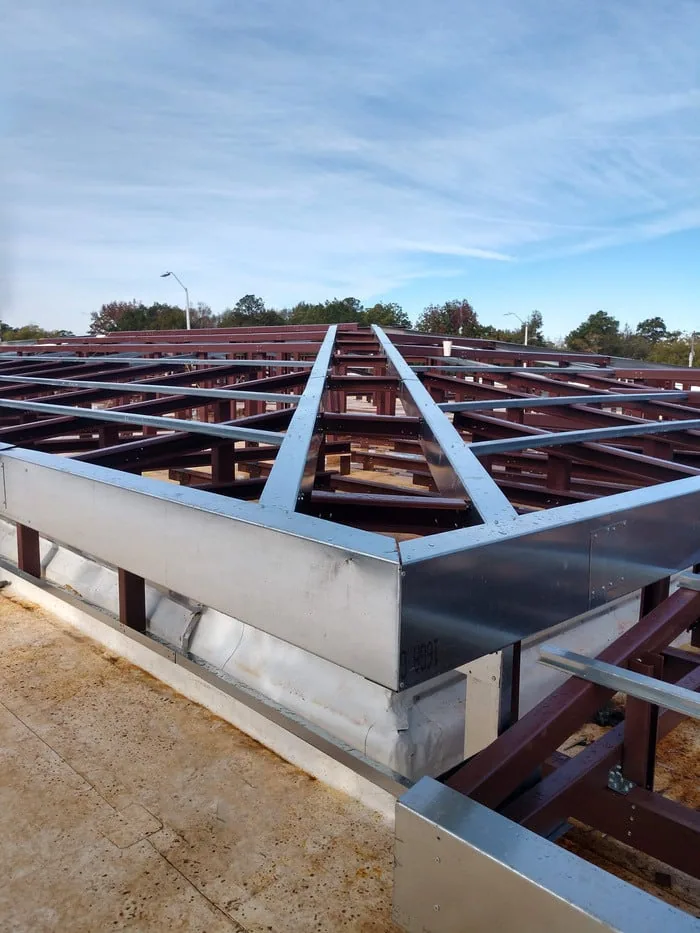
Commercial Roof Replacement
Full tear-off and replacement of low-slope commercial roofs in Queens, NY, with drainage, flashing and insulation decisions explained step by step.
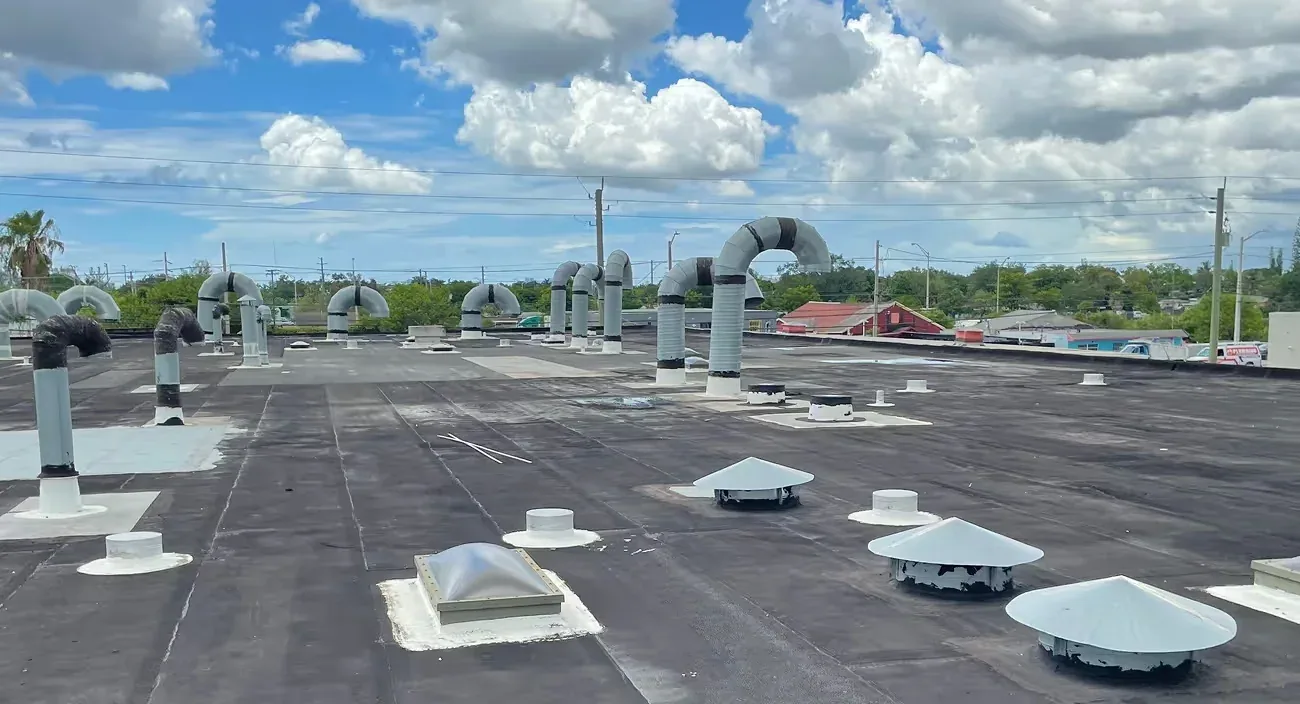
Roof Recover and Overlay Systems
Recover a sound Queens, NY commercial roof without a full tear-off. We test for trapped moisture first and explain when an overlay makes sense.
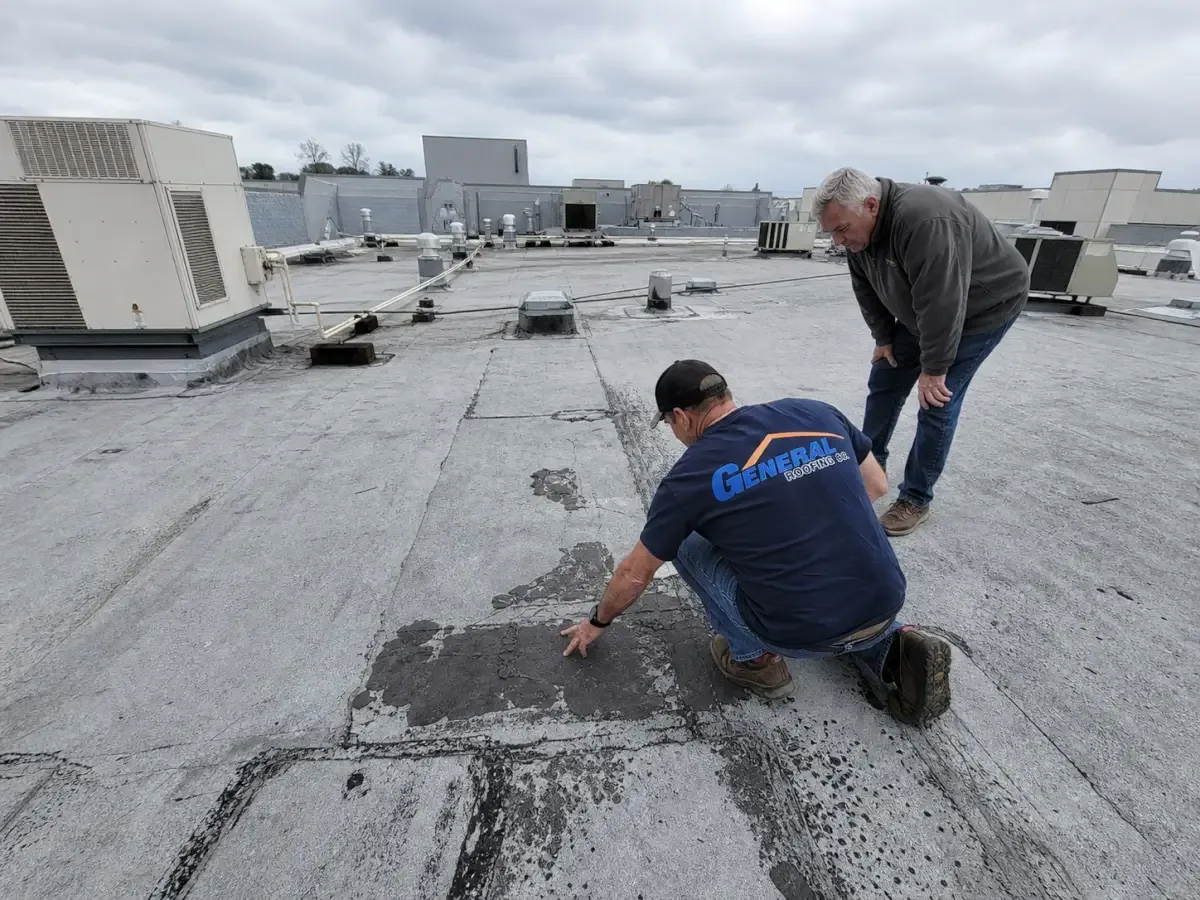
Commercial Roof Repair
Planned repair of membranes, seams, flashing and details on Queens, NY commercial roofs, with each fix explained before the crew picks up a tool.
Ready to Talk About Infrared Roof Moisture Surveys?
Tell us about the building and what you are seeing. We will schedule a roof walk and send photos and a written scope.