
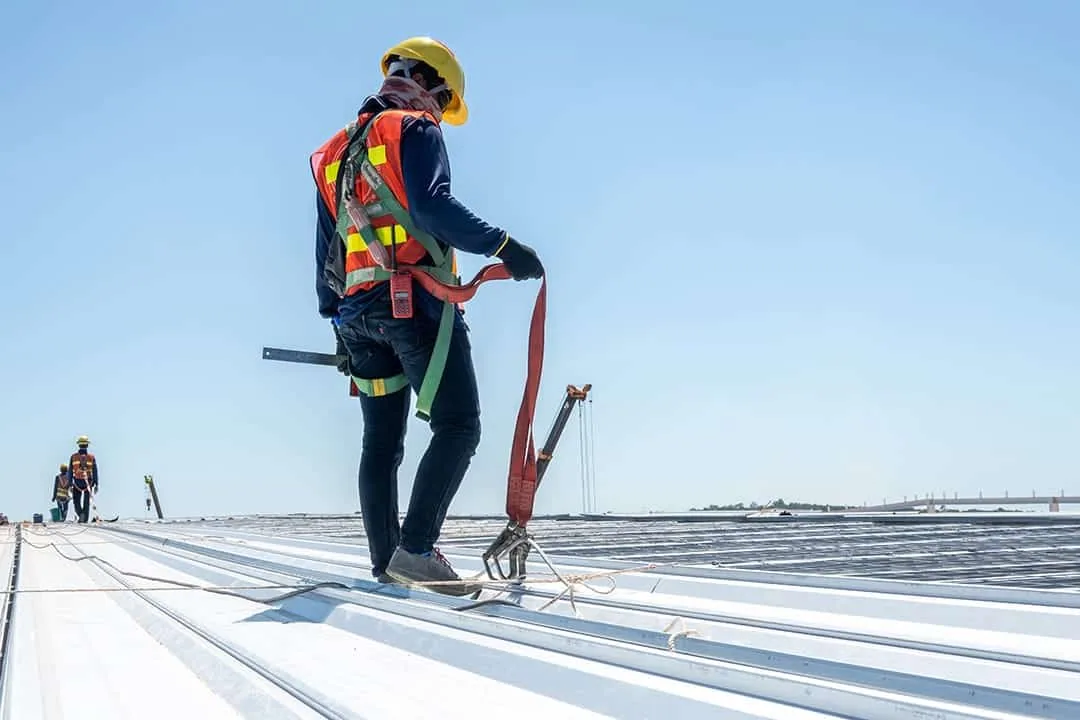
Standing on a roof with the owner and a clipboard, the first thing we ask is what has already gone wrong. Past leaks, old repairs, a slow drain after a hard rain: the roof's history tells us where to look before we touch a single seam. A proper inspection in Queens, NY is a walk with a purpose. We start at the drains, work along the edges, probe the seams, handle the flashing, and write down what we find in a form that a building owner, a lender or an insurance adjuster can read.
The goal is to give the owner a plain picture of the roof's condition and a short list of next steps ranked by urgency. A roof can be fine in one corner and failing in another, and the inspection is how you learn which is which. It also creates a baseline. The next inspection can then be compared with it, which is how a roof's decline becomes visible long before it becomes a leak.
What happens on the roof?
We begin with the roof's drainage, because that is where water either leaves or does not. Each drain, scupper and overflow is checked for debris and for the height of the sump relative to the surface around it. Then we walk the field in a pattern that covers every square foot, noting ponding marks, surface wear, blisters, splits and areas where the membrane feels soft underfoot, which suggests wet insulation.
At the seams, we run a probe along welded and lapped joints to find places where the bond has lifted. At the edges, we check metal coping and fascia for loose fasteners and open joints. At every wall, curb and pipe, we handle the flashing. We photograph each finding and mark its location on a roof plan, so nothing relies on memory. For roofs with hard access or large areas, we pair the walk with drone imaging to capture areas that are unsafe to cross.
What do inspections usually find?
Clogged drains and debris at low points come first, and they are the cheapest findings to fix and the most expensive to ignore. Next come failed sealants around penetrations, loose or missing counterflashing, and open seams at corners and T-joints. On older buildings we also find years of accumulated patching, which tells us how often the roof has been leaking. On roofs with rooftop equipment, we often find worn walkway paths, damaged pads and unsealed pipe supports.
Less obvious findings are more important. A roof that holds water for days after rain is telling you its slope or drains are wrong. A membrane with crazing across the surface is aging in the sun. A blister that sounds hollow when tapped may have wet insulation below it. We explain these in plain words, show the owner the photographs, and sort them into three groups: fix now, fix this season, and watch.
Which Queens buildings need which kind of look?
The borough's roofs are not alike, so inspections are not either. In Maspeth and the College Point Corporate Park, low-slope industrial buildings with rooftop equipment call for close attention to curbs, drains and walkways. In Ridgewood and Glendale, where mill-era factories and yellow Kreischer brick rowhouses stand, the parapets and wall flashing deserve extra time, because water entering behind the metal will not show on the roof surface.
Large retail buildings such as those in Elmhurst and Rego Park are likely to carry rooftop units, and each unit adds penetrations and foot traffic that wear a membrane in a line from the access hatch to the equipment. Near the water, as in Howard Beach on Jamaica Bay, an inspection after a major storm is warranted, since Sandy brought a ten-foot surge there in October 2012. We adjust the visit to match what the building and its location ask of the roof.
What does the written report contain?
The report is built to be used, not filed. It includes a roof plan with each finding numbered, photographs tied to those numbers, a plain description of each issue, and a recommendation with a priority. It names the roof system and, where we can determine it, the approximate age and number of layers. It lists drain conditions, flashing conditions, seam conditions, and any evidence of moisture.
We also include a short narrative on the overall condition, so a reader who does not want to study every photograph can still understand where the roof stands. For owners who manage several buildings, the same format across properties allows them to compare roofs and plan spending. Our roof condition reports and maintenance programs build on the same findings so the information stays useful from one year to the next.
When should the roof be inspected?
Four moments stand out. Before a purchase, so a buyer knows what the roof will cost. After a major storm, because wind, hail and flood-driven debris can damage a roof without leaving an obvious sign inside. Before the warranty expires, so claims can be filed while the manufacturer still covers the system. And on a regular schedule, with at least one visit in the fall, before the first freeze and before winter loads arrive.
Snow is a real consideration here. The January 2016 storm dropped 27.3 inches in one day on New York City, and ice at drains and scuppers can leave water trapped against flashing. A fall inspection clears the drains, closes small openings and records the roof's state before winter. A spring visit then catches the damage that cold weather caused, while repairs are still easy to schedule.
Whatever the schedule, we keep each report next to the last. The comparison is what shows an owner whether a worn walkway or a soft patch is stable or growing.
Questions Owners Ask
What building owners and managers usually ask before a roof visit.
A moderate roof with clear access takes a few hours including photographs and notes, and a large or complicated roof can take a full day. Time on the roof is only part of it, because the report requires organizing the photographs and writing the findings. We tell the owner when to expect the written report, and we call right away if we find something that cannot wait.
Interior access helps. Looking at ceilings, decks from below and areas with past stains can confirm what the roof shows, and the tenant or facility manager often knows where water has appeared. For a steel deck, we can view the underside to look for rust or staining. If interior access is limited, we work from the roof and the exterior and note what we could not see.
It gives a reasoned estimate, not a promise. We look at membrane condition, seam health, flashing, drainage and any wet insulation, and we compare these with what the system normally does as it ages. A roof with sound seams, dry insulation and working drains can have many years left, while a roof with widespread moisture may have little. We write the estimate with its reasoning so the owner can plan a budget around it.
Yes, with the right documentation. For a claim, the report records conditions, dates and causes of damage as we see them, with photographs. For a sale or a purchase, it gives the buyer a clear account of the roof's condition and near-term costs. Our due diligence roof surveys are written for that purpose.
Related Roofing Work
Other pages that connect to Commercial Roof Inspections.
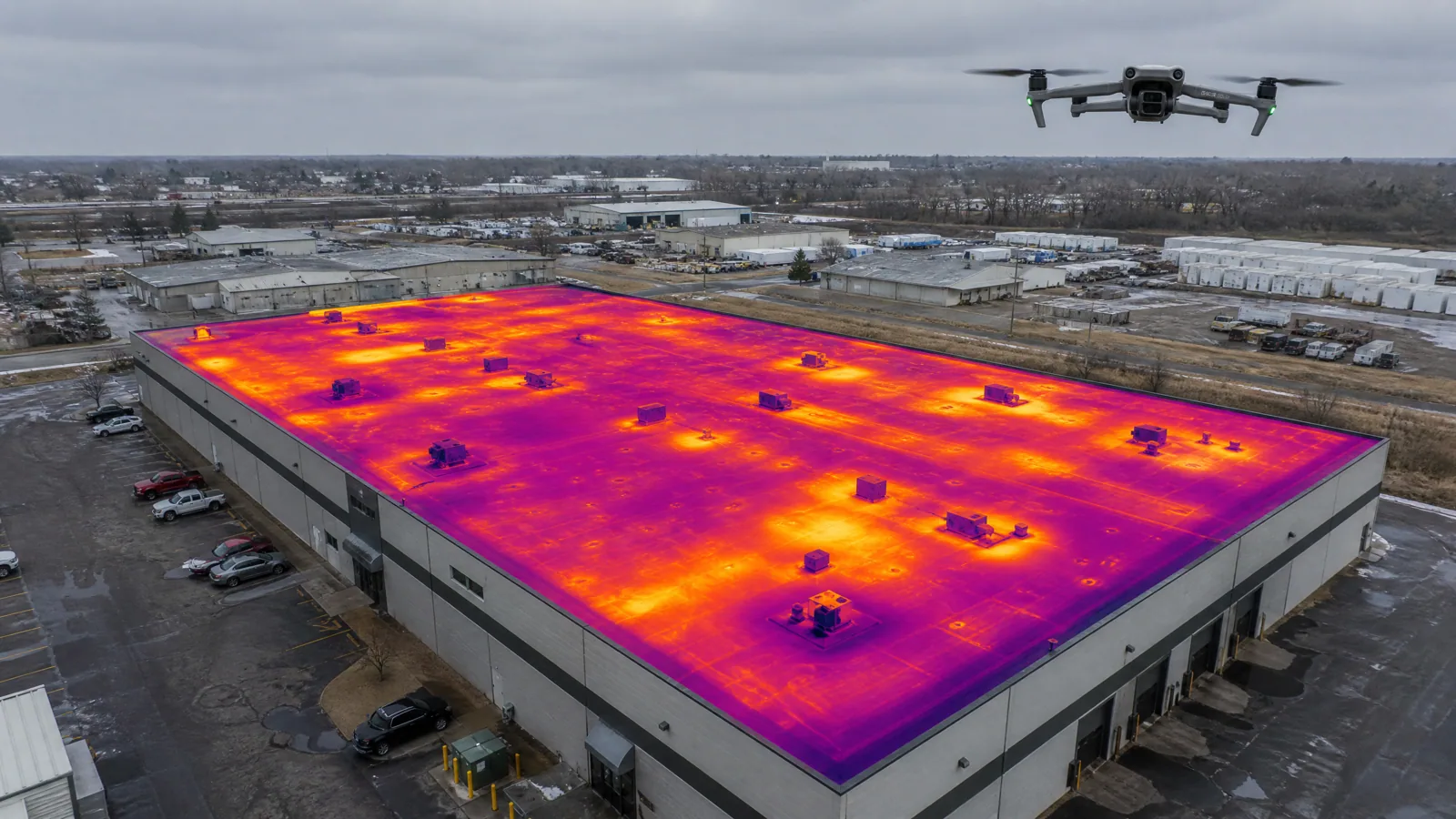
Drone Roof Inspections
Drone imaging for large or hard-to-reach commercial roofs in Queens, NY, with photographs and thermal data that guide a safer hands-on follow-up.
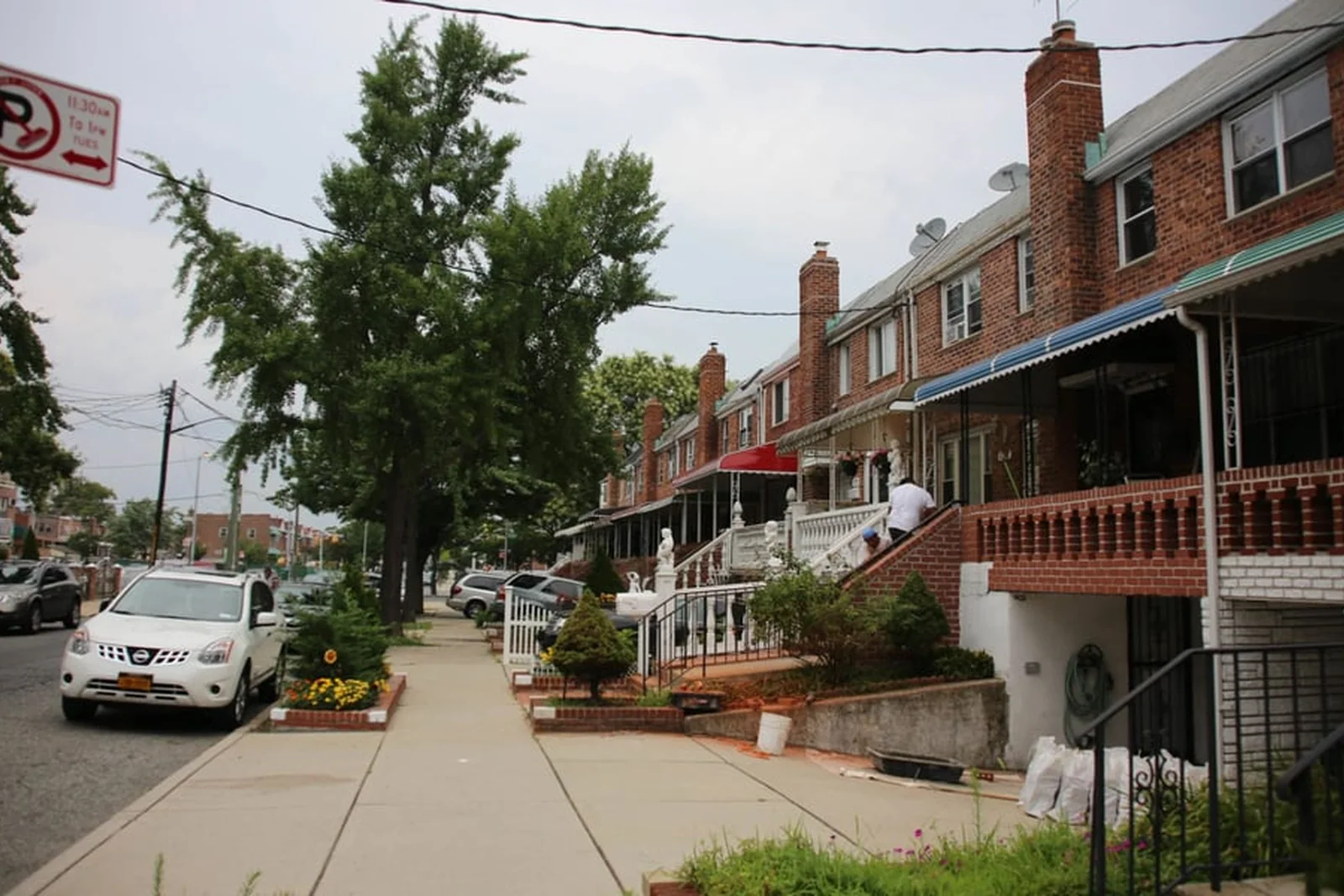
Elmhurst
Commercial roofing in Elmhurst, Queens, NY: apartment building roofs, Queens Boulevard and Broadway shop roofs, retail centers and drain and flashing repair.
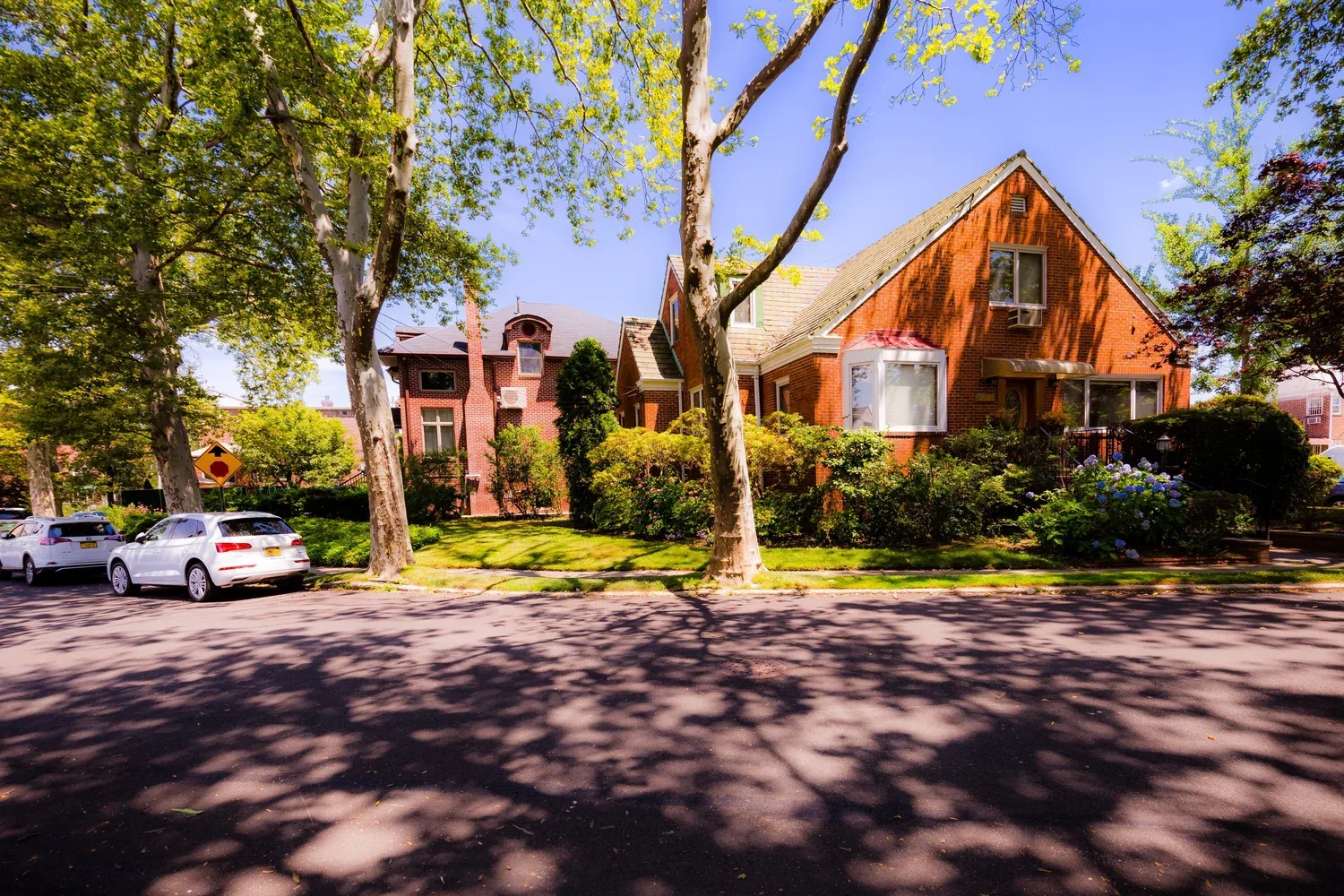
Rego Park
Commercial roofing in Rego Park, Queens, NY: single-story shop roofs on 63rd Drive, large retail center roofs and stacked roofs under towers, with drain repair.
Ready to Talk About Commercial Roof Inspections?
Tell us about the building and what you are seeing. We will schedule a roof walk and send photos and a written scope.