

A busy downtown roof gathers up everything the building below does: kitchen exhaust, cooling units, signage frames and cabling, all crossing the membrane at different points. In Flushing, Queens, NY, the owner usually feels the cost of that crowding as a drip near the back wall after a hard rain or a sagging tile above a stockroom. We start at the drain and work back one step at a time, through the seams and the flashing at each curb, because on a crowded roof the leak is almost always at the last thing that was added.
What makes downtown Flushing a demanding place for roofs?
Downtown Flushing is described as the fourth-largest central business district in the city, and the intersection of Main Street and Roosevelt Avenue is the third busiest in New York City, behind Times Square and Herald Square. Commercial Chinatown is spreading southeast along Kissena Boulevard and north past Northern Boulevard, and NewYork-Presbyterian/Queens hospital stands in Queensboro Hill beside the Long Island Expressway.
Dense commercial areas load roofs in specific ways: more food service, more mechanical equipment per square foot and more trades going up and down. The roofs are worked on often, and each visit is a chance to damage or improve them.
The hospital in Queensboro Hill is a reminder that healthcare space sits near the downtown blocks too, and any medical office holds its roof to a stricter standard, since the roof over an exam room is judged by what happens below it.
What does restaurant exhaust do to a membrane?
Where food service is dense, exhaust fans discharge hot, greasy air near the roof surface. Grease lands on the membrane, softens some materials and holds dirt against seams. It also hides defects and makes adhesion harder. We clean before testing, check the exhaust curb for cracked sealant and look at the surface near each fan for softening and blistering.
The remedy depends on the system. A grease catch and a regular cleaning keep most membranes healthy. Where the surface is already damaged, a sheet with better resistance to grease may be the right choice for the next roof, and we explain the tradeoff in plain terms.
How many hands have touched this roof?
On a busy block the answer is usually many. A mechanical contractor set the cooling units, an electrician ran the conduit, a sign company bolted a frame to the parapet and a telecom crew mounted an antenna. Each did what it needed to do and left. The roofer is often the last to learn what was done.
We map every unit, curb, pipe and mount on the roof plan, flash or reflash each one, and mark who added what where we can tell. The map helps the owner say no to the next unreviewed installation and yes to a clean one with a flashing and a photograph.
Where a roof carries a lot of equipment, we also look at the weight. Units set on rails or sleepers that rest directly on the insulation crush it over the years and leave a low spot that holds water. A bearing plate or a raised frame spreads the load and keeps the waterproofing from carrying it.
How do we reach a roof on a crowded block?
Getting to the roof is a project of its own. Trucks need a place to stop, the hoist needs sidewalk space and pedestrians need a safe path, so the staging side is booked early, covered walkways go up where work is over an entrance and deliveries are timed for quiet hours. Materials often go up a stair tower, which we measure before ordering, and the route is agreed with the building manager.
Tenants get a short written notice with the dates and a phone number for the crew lead, and the work is sequenced so entrances stay open.
How do we confirm the cause?
On a crowded roof the equipment is read first. Every unit, curb, pipe and mount is mapped, then the seams are walked, the drains tested and the walls examined. Wet insulation shows up in an infrared moisture survey without any cutting into the roof, and cores then confirm the layers. For taller buildings, a drone pass shows the upper walls and parapets. The repairs are ranked in a written inspection report.
Where nobody knows the building's history, cores reveal the number of layers and the makeup of each, and that decides whether a recover is allowed and how deep a tear-off would go.
What are the choices, and what does the weather add?
A leak repair answers failed details, a coating or a recover suits a worn roof that is still dry, and wet insulation points to replacement. The pace follows the weather: January 23, 2016 dropped 27.3 inches of snow in a day, summers sit under a strong heat island, and on September 1, 2021 Hurricane Ida's remnants forced the city's first flash flood emergency, with Queens taking most of the deaths. A small roof with one drain has no margin in a storm like.
The price follows the layers to remove, how wet the insulation is, how the crew gets onto the roof from the street and which curbs and mounts need rebuilding, and each item appears in the proposal in writing. A building that expects to change tenants soon may prefer a repair now and a replacement timed to the lease.
What is the next step?
Photographs of the stain and the nearest exhaust fan or drain start the booking, and the street and the roof age help if known. On the roof we say in plain steps what is happening, and price comes later. Owners with buildings in Bayside or Whitestone can combine visits, and restaurant owners may compare restaurant roofing.
Questions Owners Ask
What building owners and managers usually ask before a roof visit.
Usually. The work happens before opening or on a slow day, fumes are kept off the kitchen intake, the exhaust curb is protected and each section is finished the same day. A fan that must be lifted involves the hood contractor, and the owner sees the plan in writing beforehand.
That depends on the leases, which we do not interpret. What we can do is document each unit, its curb and its flashing, so the landlord and tenant have a factual record. A short roof review before any new equipment goes up prevents most of the disputes.
Because the penetrations are a bigger share of the area. A small roof with an exhaust fan, a condenser, two vents and a sign mount has more detail than a large empty field. Each detail is a possible leak, so a small roof deserves a careful look at every one.
Twice a year, with an extra look after severe storms, because equipment and tenants change and grease builds up. On a small roof a spring and fall visit takes under an hour and leaves a dated record.
A surface with walkway pads along the routes and a membrane thick enough to resist wear. Technicians walk the same path to the same units all year, so the sheet under their feet wears first, and pads cost little while protecting it where it is most exposed.
Have a roofer review it first. A frame fixed through the coping or the parapet face puts holes in the part of the building that sheds the most water. The answer is a sealed mount with a flashing and a pad, installed before the frame goes up and photographed afterward, and the review takes minutes.
Related Roofing Work
Other pages that connect to Flushing.
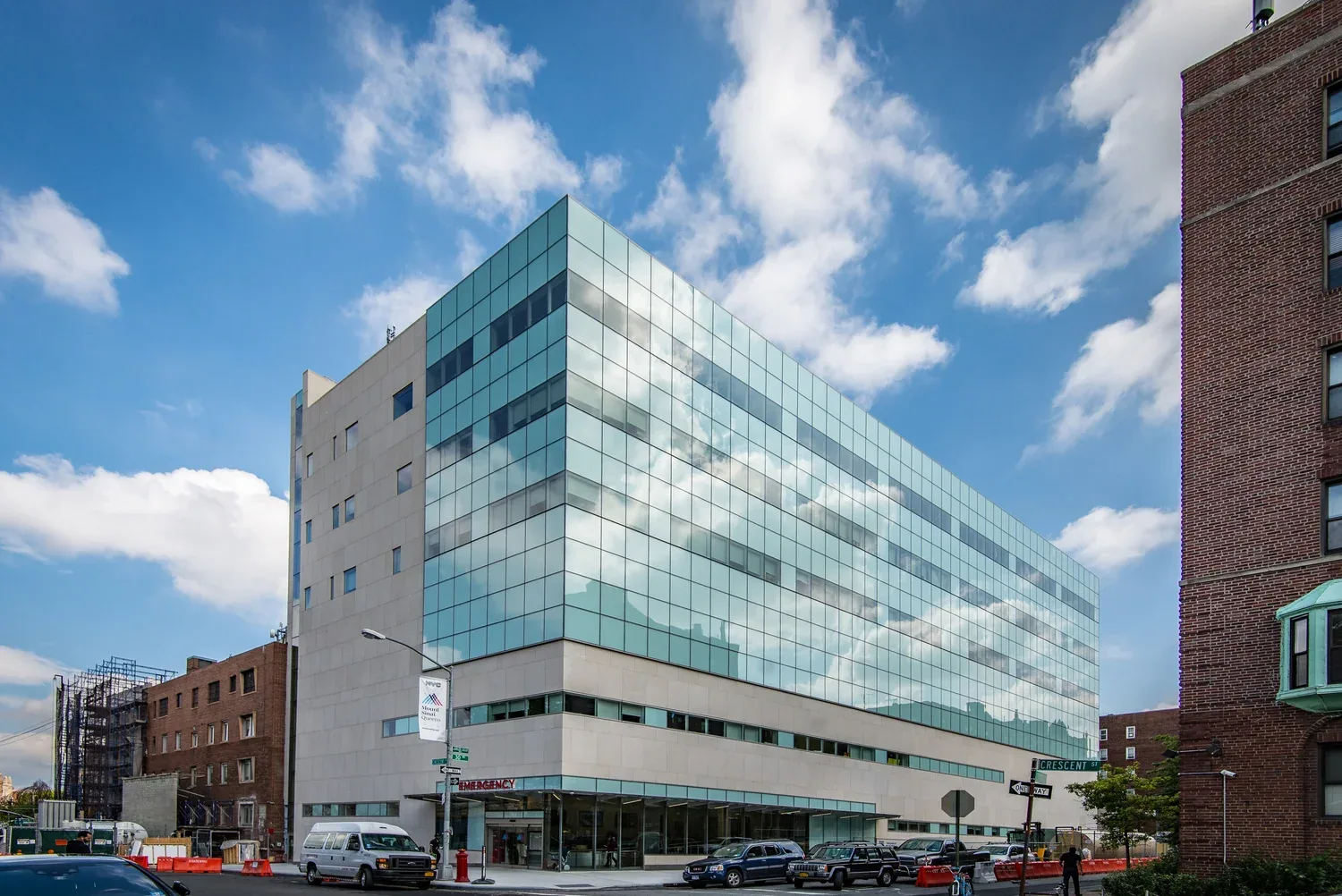
Medical Office Roofing
Roofing for medical offices and clinics in Queens, NY, with moisture, odor and noise controlled so exam rooms stay open and ceilings stay dry above patients.
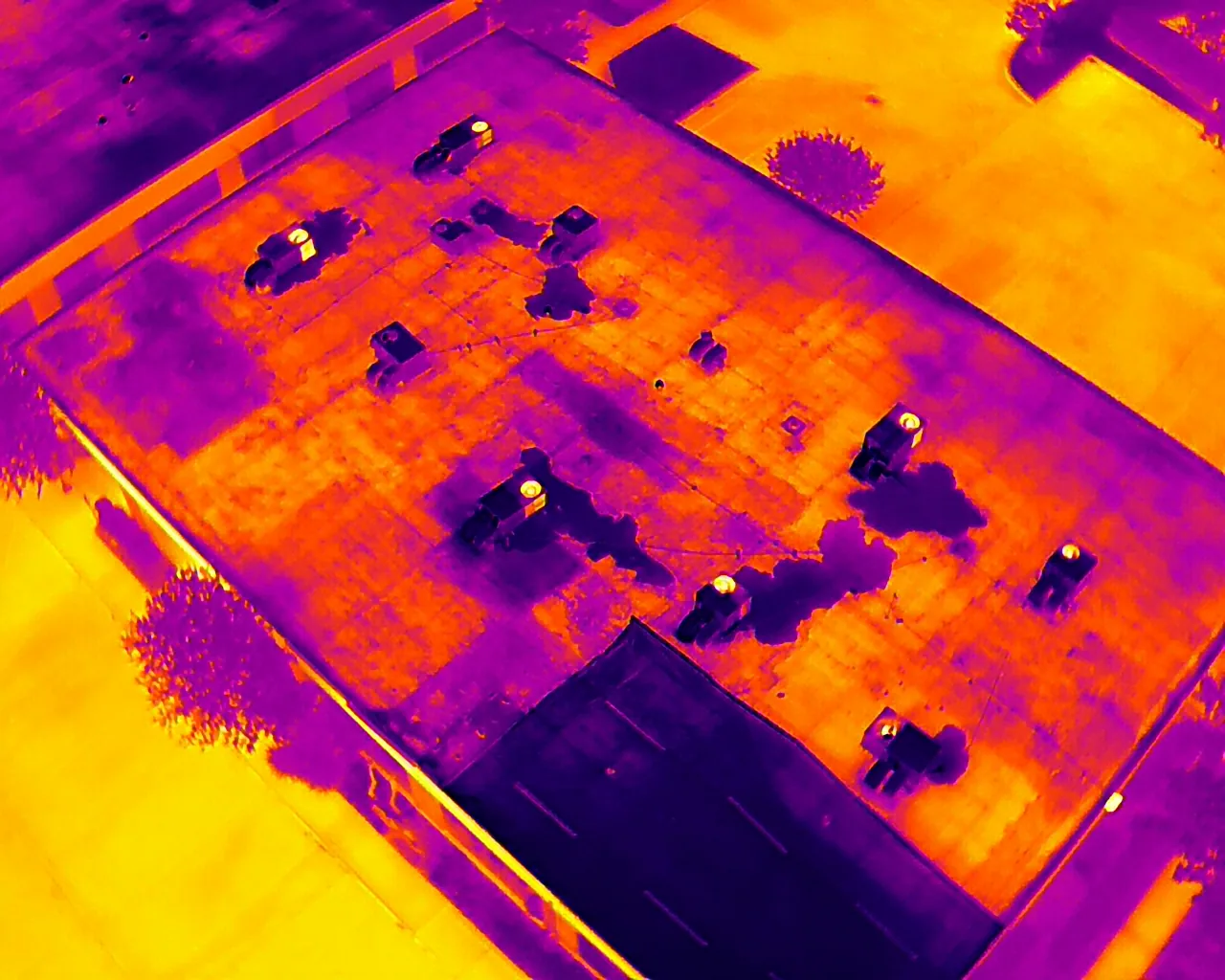
Infrared Roof Moisture Surveys
Infrared scans and core-cut moisture surveys for Queens, NY commercial roofs that locate wet insulation before the owner commits to repair or replacement.
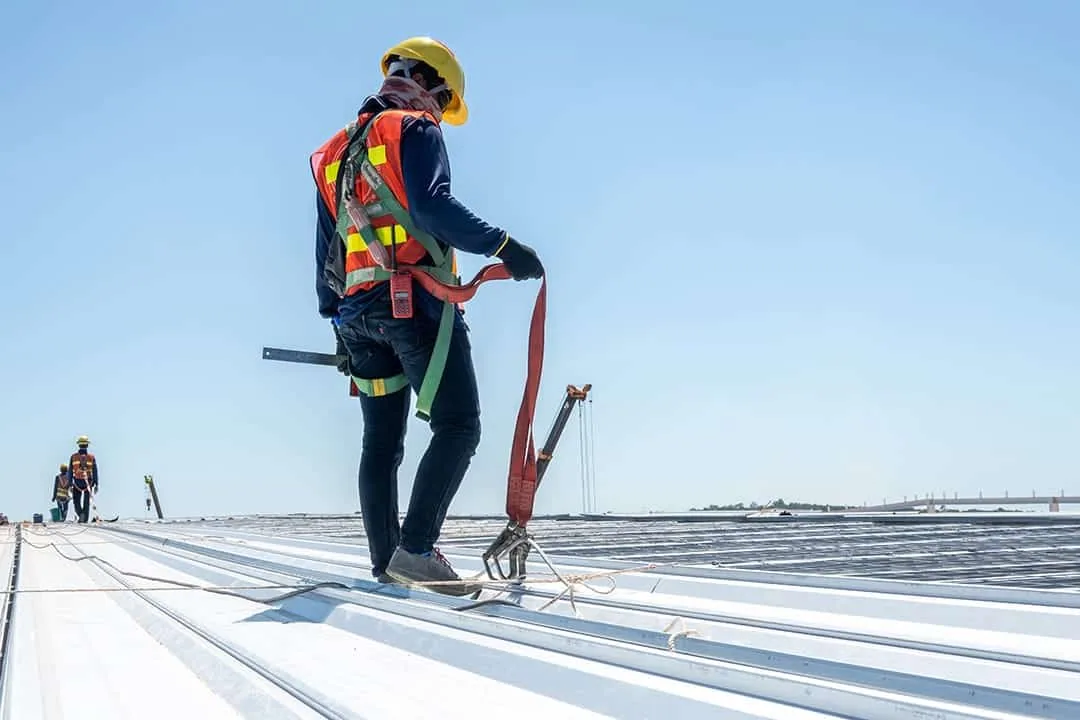
Commercial Roof Inspections
Hands-on commercial roof inspections in Queens, NY, with written findings, photographs and a ranked list of what to fix now and what can wait.
Ready to Talk About Flushing?
Tell us about the building and what you are seeing. We will schedule a roof walk and send photos and a written scope.