
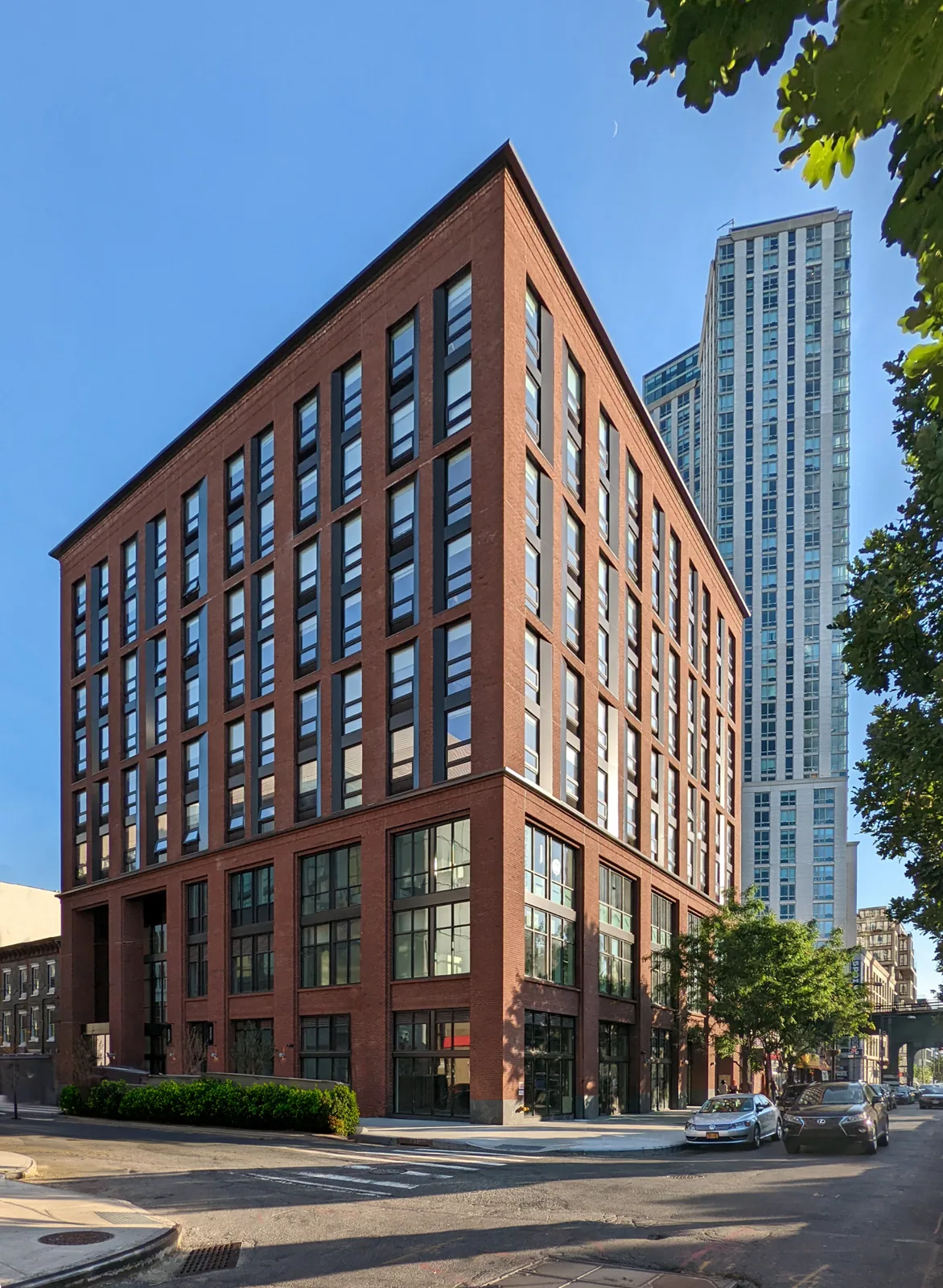
A property manager meets the roof as a tenant call: a brown ring on a ceiling, a wet corner, a bucket under a sprinkler pipe, and a work order saying only that the roof leaks. The call comes from one building, yet the manager looks after many, and each has a roof of a different age, built by a different crew and patched by a different vendor. The question that matters is not where the water came in today. It is whether this building's roof is a repair, a recover or a budget line for next year. Property managers in Queens, NY reach us through a tenant call, and the commercial repair and replacement work starts there and moves back, one step at a time, to the roof.
Go with me from ceiling to roof and the cause tends to show itself.
What does a manager see first, and what should be recorded?
A call arrives with a description, and the description is rarely enough. A useful record has the unit number, the date, the weather in the day before, a photograph of the stain and a note on whether the ring grew. That log turns a vague complaint into evidence. Matched against the roof plan, it tells us whether one entry or several are at work.
We ask managers to keep the same log across the portfolio. Within a few months it shows which buildings leak after every storm, which leak only in wind-driven rain and which have a stain that has not changed in years. That sorting is the first step in deciding where money goes, and it costs only a few minutes per call.
Vendors matter too. A building often has a history of patches by different roofers, and each patch hides what came before. We photograph existing repairs and note the materials, so the next vendor does not guess what is under a patch. The manager owns a record, not a mystery.
What is happening on the roofs of a mixed portfolio?
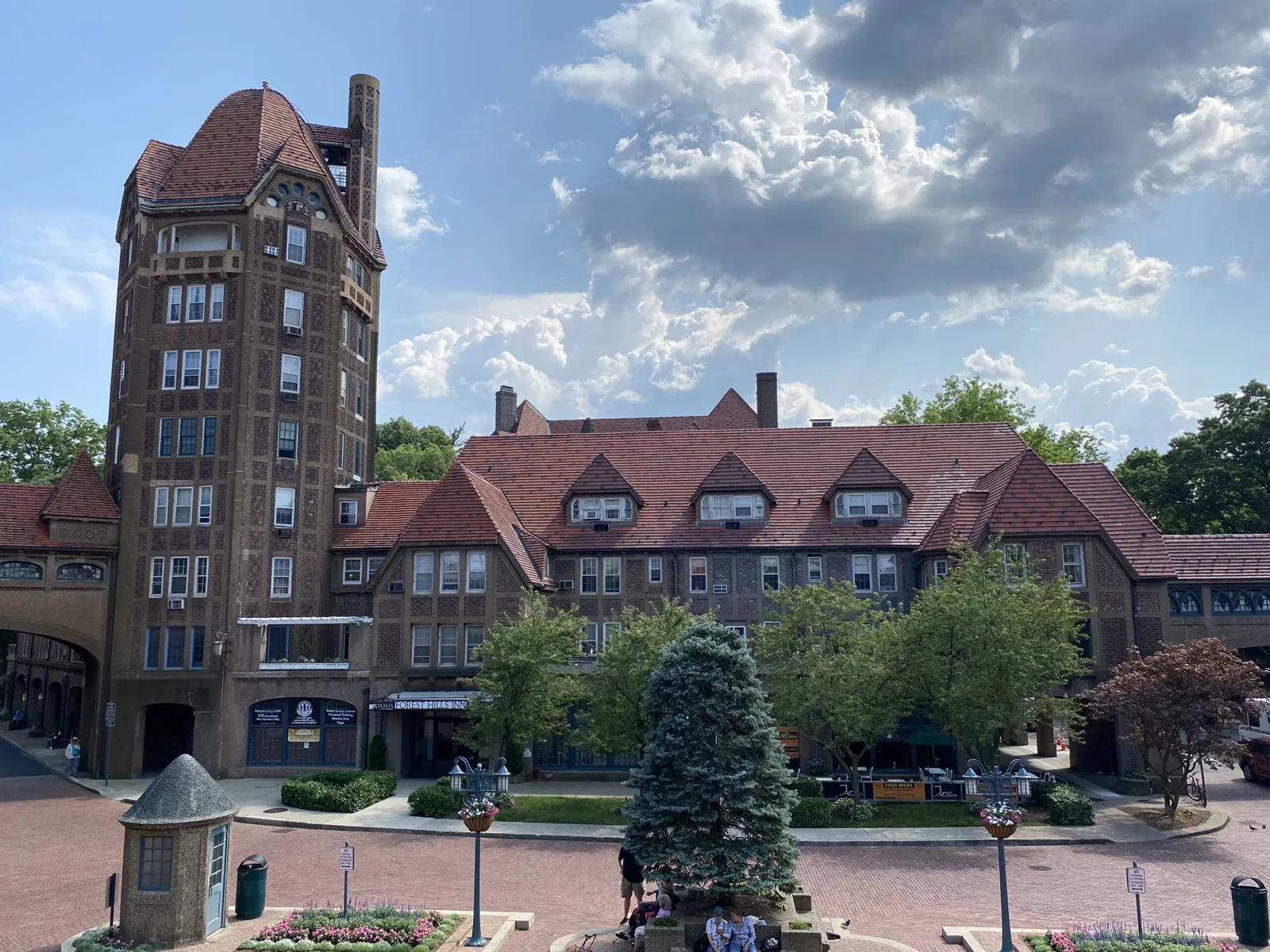
A Queens portfolio can hold a wide mix of buildings. Elmhurst offers rowhouse districts, apartment houses of up to six or seven stories and large developments such as LeFrak City. Kew Gardens is mostly apartment buildings of four to ten stories, rentals and co-ops together, and Lindenwood in Howard Beach has six-story brick apartment buildings from the 1960s. Every type has its usual weak points, but none is taken for granted.
On any of them we start with the drain and its strainer, because a flat roof sheds water through a few outlets and a blocked strainer holds it against the seams. The parapet flashing and the stair bulkhead come next, then the penetrations: vents, hatches and rooftop units. A multifamily roof tends to give way at one of those three places long before the field does.
Rooftop equipment causes the other repeat trouble. Tenants and trades add vents, exhaust fans and condensers, and every one leaves a curb and a sealant line, so each is numbered on the plan, its base flashing checked and the abandoned ones marked for removal.
How does a manager turn many roofs into one plan?
The step that saves the most money is rating every roof on the same scale. We survey each building, rate each roof area, record the drains, curbs and penetrations and give every roof a number that means the same thing in every building. The manager can then sort by rating and see which roofs have the most life left and which are close to the end.
That table drives the budget. Wet roofs and active leaks go first, then roofs with critical tenants, then the rest. Repairs that recur get flagged, since a patch that fails twice points to a cause nobody treated. A multi-site roof program bundles the work so mobilization cost is spread across buildings.
Timing follows weather and tenants. A membrane wants dry surfaces and moderate temperatures to be installed well, so the schedule leaves room for rain days, and noise hours are agreed with the manager in writing. Winter work is mostly repair and dry-in.
How do we report to owners and boards?
Managers answer to owners, boards and lenders, and each wants a different cut of the same findings. An owner wants a price range and a date. A board wants a rating and an explanation it can read in two minutes. A lender wants remaining life and deferred items. We write the report so each can use it, with photographs keyed to a numbered plan and a priced list of options.
Options always come in the same order: repair, recover, replace, with the assumptions listed. A recover assumes dry insulation and a sound deck, and the test that proves each is in the file. Where a coating suits a sound roof, it is priced as an alternate. A roof condition report in that form lets a board vote on facts.
Insurance reads the same file. A dated rating and photographs show what the roof looked like on the day of the survey, which matters when a storm claim follows. We keep both the pre-loss and post-loss sets in one place.
What does Queens weather do to a portfolio?
September 1, 2021 brought Hurricane Ida's remnants, the city's first flash flood emergency and most of its deaths in Queens. Ordinary rain is handled by a drain until a cloudburst chokes it, and the calls reach the manager inside the hour. About 29.8 inches of snow fall in a typical year, 27.3 of them on January 23, 2016, and the freeze-thaw swing opens weak seams.
July afternoons at Central Park run near 85 degrees on average, and the heat island strengthens that. Top-floor units under a dark roof feel it first. We clear strainers and test the flow before each wet season, check edges and flashings before winter and look at sealants before summer, and every check is dated and photographed.
What is the next step for a management company?
The next step is a walk through the worst-calling building, then a written rating that sets the template for the rest. Managers in Elmhurst, Kew Gardens or Howard Beach can start there and extend the program building by building. The same file supports a purchase review for owners and investors and a claim file for insurance restoration work.
Questions Owners Ask
What building owners and managers usually ask before a roof visit.
Five items: the unit number, the date, the weather in the day before, a photograph and a note on whether the ring has grown. With them we can match the stain to a weather event and a spot on the roof without a visit.
Start with the building that calls most often after storms, then the oldest roof and then any building with critical tenants. A quick drone pass sorts the rest by visible condition.
Typically, yes. The work is staged by zone, each shift ends dry, noisy stages avoid rest hours and dates are announced ahead. Entrances stay clear and the space under any open area is protected.
Show the rating, the photographs and the priced options side by side. A board votes more easily on three photographs and a one-line rating than on a long narrative.
Photos of the stain and the closest drain help, with the building address and roof age added where known. We will say, in plain steps, what the roof is doing and what to log next.
Related Roofing Work
Other pages that connect to Property Management Companies.
Apartment and Multifamily Roofing
Roof repair and replacement for Queens, NY apartment buildings, from six-family brick rows to tall towers, with tenant notice and phased work explained.

Multi-Site Roof Programs
Multi-site roof programs in Queens, NY: one inspection, repair and replacement program across many buildings, ranked by condition and scheduled by budget.

Roof Condition Reports
Written roof condition reports in Queens, NY: photographs, moisture findings, ratings and ranked recommendations an owner, lender or insurer can read.
Ready to Talk About Property Management Companies?
Tell us about the building and what you are seeing. We will schedule a roof walk and send photos and a written scope.