
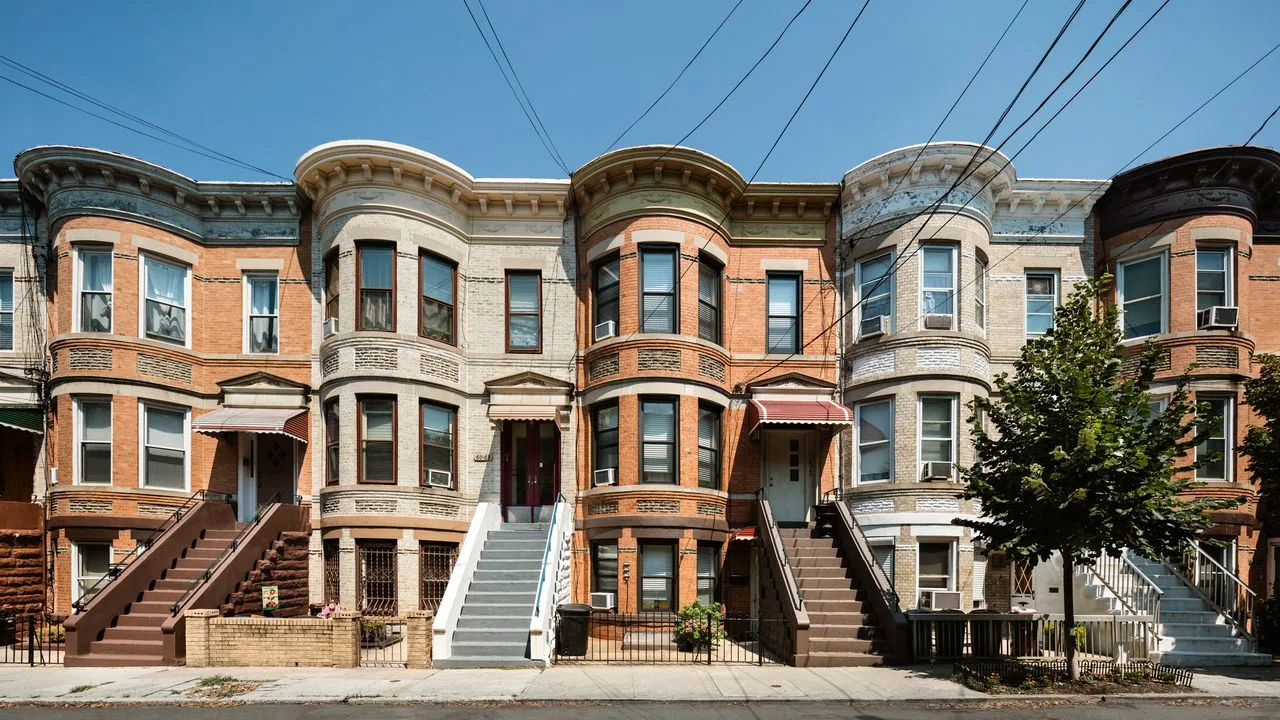
Owners in Ridgewood, Queens, NY most often report a damp patch on the inside of an upper brick wall, under a roof that looks fine from the street. The wall is yellow face brick, the roof a flat membrane behind a parapet, and the water is getting in between them. Early twentieth-century rowhouses fill most of the neighborhood, commercial buildings line Myrtle, Forest and Metropolitan Avenues and Fresh Pond Road, and a factory and mill district lies to the north near Newtown Creek. We start at the wall and work up, one step at a time.
What kinds of buildings are we talking about?
Most housing here consists of early twentieth-century rowhouses, six-family buildings near the Brooklyn border giving way to two- and single-family rows farther into Queens, with yellow face brick common. Large parts of Ridgewood are national and city historic districts, ten of them listed on the National Register in 1983, and the factories and mills were concentrated in the northern section near Newtown Creek, while low-density commercial districts follow the same avenues.
For roofing, that means a lot of masonry walls, a lot of flat roofs behind parapets and a lot of buildings where the exterior is protected.
Whatever the building, a leak rarely has an exotic cause. A drain, a seam or a wall joint is almost always behind it, and they are checked in that order on every roof because the cheapest cause is also the most common.
A short walk with the owner at the start of every job settles which of the three it is, and the repair order follows.
Why does the water show up in the wall?
On a masonry building with a parapet, the roof and the wall are one system. The coping caps the parapet, the flashing ties the membrane to the brick and the mortar keeps rain out of the wall. When the coping joints open, or the mortar crumbles, or the flashing lifts at the top edge, rain runs behind the metal and into the wall. It travels downward inside the brick and appears as a stain at a window head, a ceiling corner or a cornice, often months after the opening began.
Repairing only the field of the roof leaves that opening in place. We check the parapet before anything else.
What is different about rowhouse blocks with shops?
Rowhouse blocks share walls, and their roofs share the water that runs between them. A tie-in between two roofs is a joint between two owners, and a leak at that joint is usually the fault of neither. A six-family building near the Brooklyn border may have a roof of modest size and a single drain, so one blocked strainer can flood the whole surface. Where a shop sits on the ground floor, the roof above it is often the owner's only protection against a damaged ceiling and stock.
We survey the party walls, the drains and the penetrations, and write each owner's findings separately so a shared problem is not left unsolved.
Access on a rowhouse block is tight. Materials often go up through the stairwell or over a neighbor's roof, so we agree access with each owner before the first day and keep the stair and the sidewalk clear while we work.
Does a historic district change the roof work?
It can. Work on parts of a building that are visible from the street, such as coping, cornices and parapet details, may need review in a historic district, and approvals take time. We check the status of the building at the start, plan visible details to match what exists and build the review period into the schedule. Flat roofs set back behind parapets are often less affected, but the edge metal and the wall flashing are visible and need care.
How do we confirm the cause?
The wall comes first, then the roof. We look at the coping, the mortar and the flashing, then probe the seams, test the drain with a hose and mark the soft spots on a plan. An infrared moisture survey finds wet insulation, and cores show the layers. On a taller building a drone pass shows the parapet and the upper wall, and a repair order puts the work in sequence.
What are the choices, and how does the weather shape them?
A parapet with open joints over a roof with sound dry insulation calls for a repair: reset the coping, repoint the brick, reflash the wall and clear the drain. A worn membrane over dry insulation can take a coating or a recover. Wet insulation, several old layers or a deck that has softened point to replacement. Price follows the layers to remove, the moisture, the access to a rowhouse block and the length of parapet to rebuild.
Weather sets the calendar. The city takes about 30 inches of snow in an average year, with a heaviest single day of 27.3 inches on January 23, 2016, so masonry sees real freeze-thaw swings. Queens took most of the deaths when Hurricane Ida's remnants prompted a first flash flood emergency in the city on September 1, 2021. Brickwork is scheduled for mild months, and drains are cleared before the cold.
What is the next step?
Two photographs are enough to start, the damp patch inside and the roof drain above it, plus the street and, if you know it, the roof age. First comes a plain-steps explanation of what the roof is doing, then a talk about repair, coating or replacement and what each depends on. Owners nearby in Glendale or Maspeth can combine visits, and owners of mixed-use buildings may find apartment roofing a useful comparison.
Questions Owners Ask
What building owners and managers usually ask before a roof visit.
Because the water path is still open. Paint covers the mark, not the cause. In a masonry building the water often enters at the coping or the top of the wall and runs down inside the brick. We trace the path from the stain back up, repair the opening and then the ceiling can be restored and stay clean.
Once a year is a sensible habit, in spring after the freeze-thaw season. The city averages about 30 inches of snow a year, and each thaw sends water into open joints. A short visit finds loose coping stones and open mortar early, when the repair is a few hours of work and not a wall rebuild.
With the owners' agreement, yes. We survey the whole roof, give each owner findings of their own and propose a sequence that protects the shared joints. Each owner decides on their own section, and one crew builds the tie-ins instead of two.
We find out early. Visible work such as coping and cornice details may need review, and approvals take time. We match existing profiles and materials where required and place the review in the schedule. A roof that is not visible from the street is usually less affected, but the edge detail still deserves a check.
In some cases. When the membrane is sound, the insulation dry and the parapet tight, a coating adds reflectivity and seals small defects, but if the wall is letting water in or the insulation is wet, a coating only hides the problem. We scan and test first, and say so when replacement is the better value.
Related Roofing Work
Other pages that connect to Ridgewood.
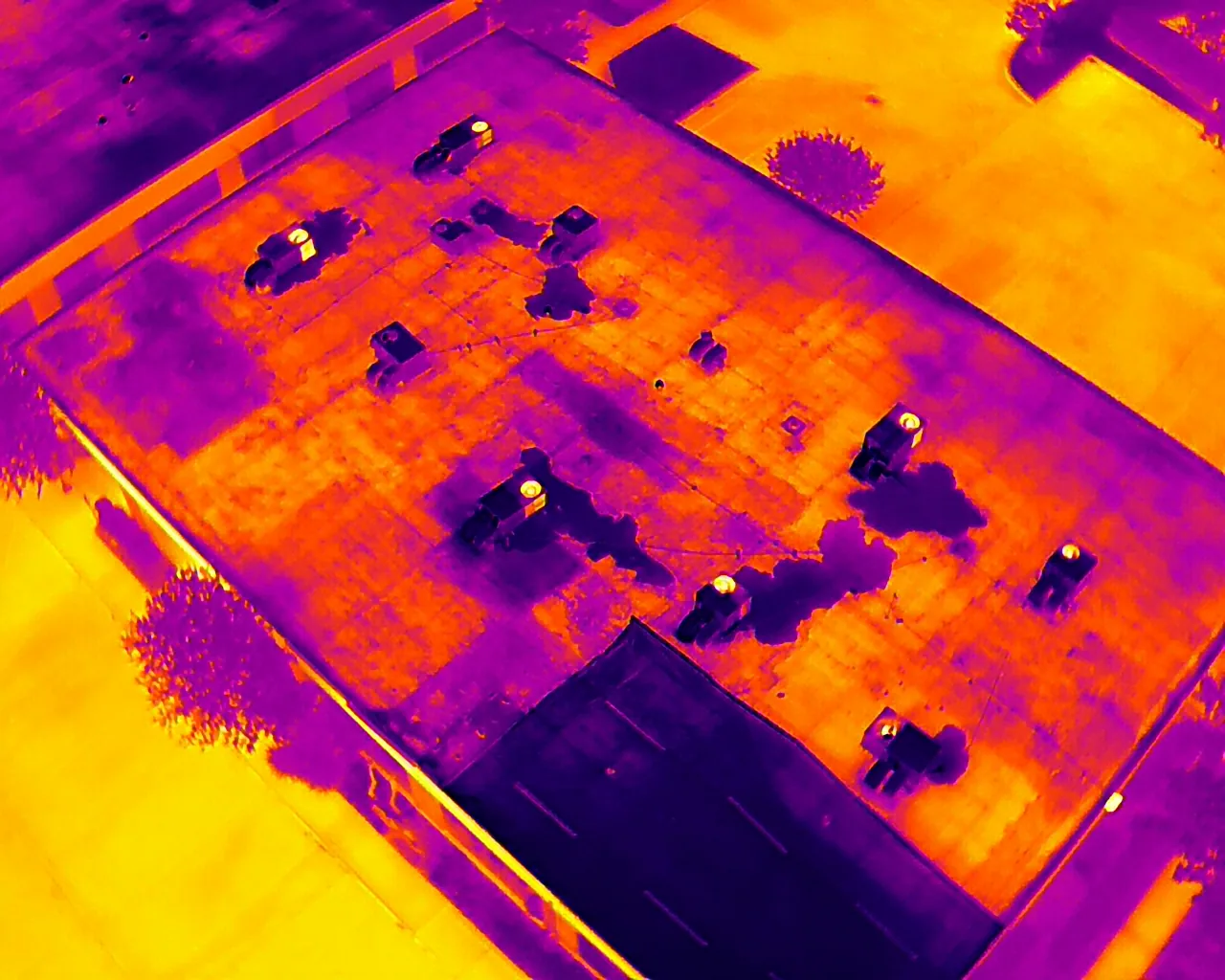
Infrared Roof Moisture Surveys
Infrared scans and core-cut moisture surveys for Queens, NY commercial roofs that locate wet insulation before the owner commits to repair or replacement.
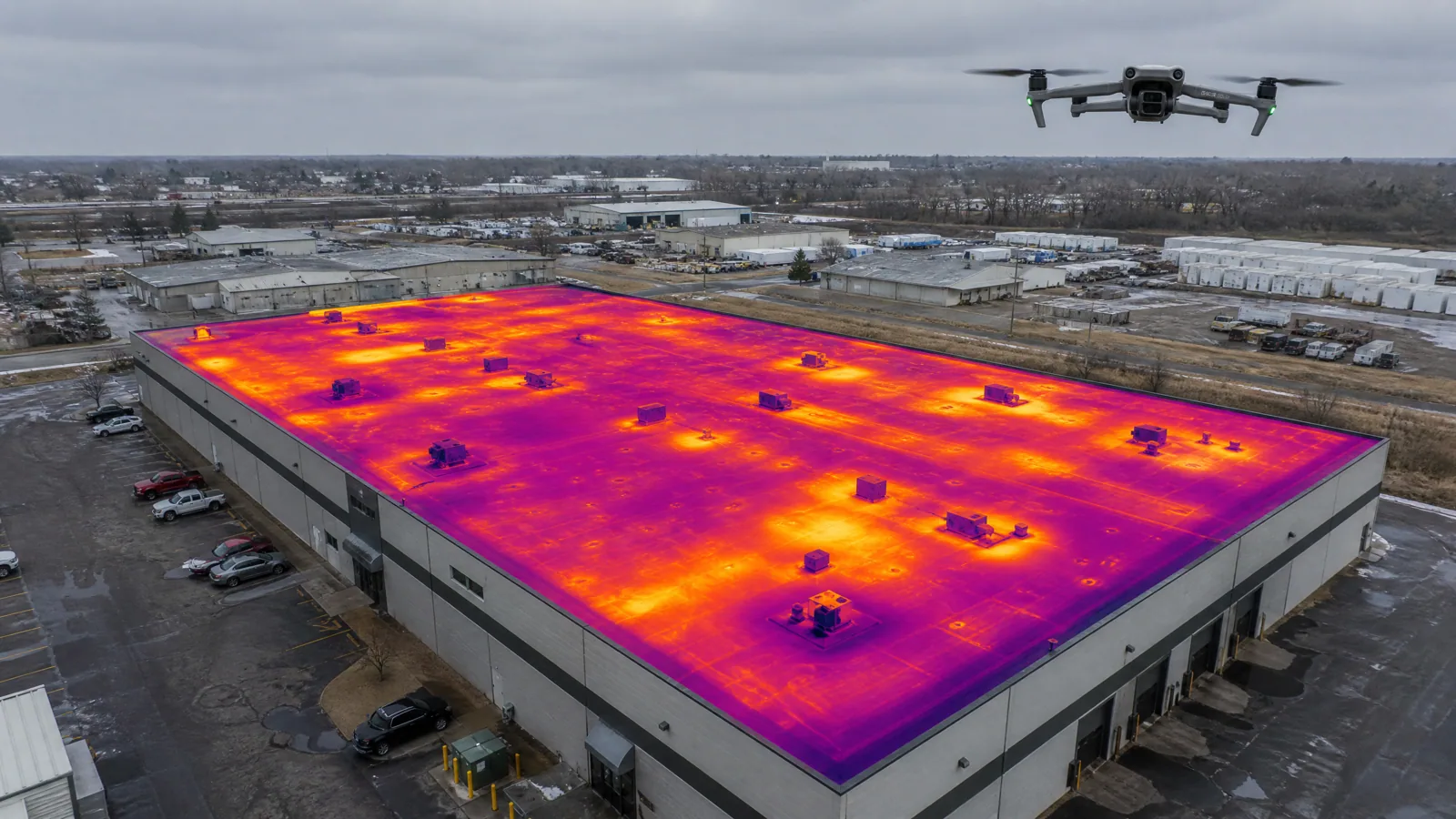
Drone Roof Inspections
Drone imaging for large or hard-to-reach commercial roofs in Queens, NY, with photographs and thermal data that guide a safer hands-on follow-up.
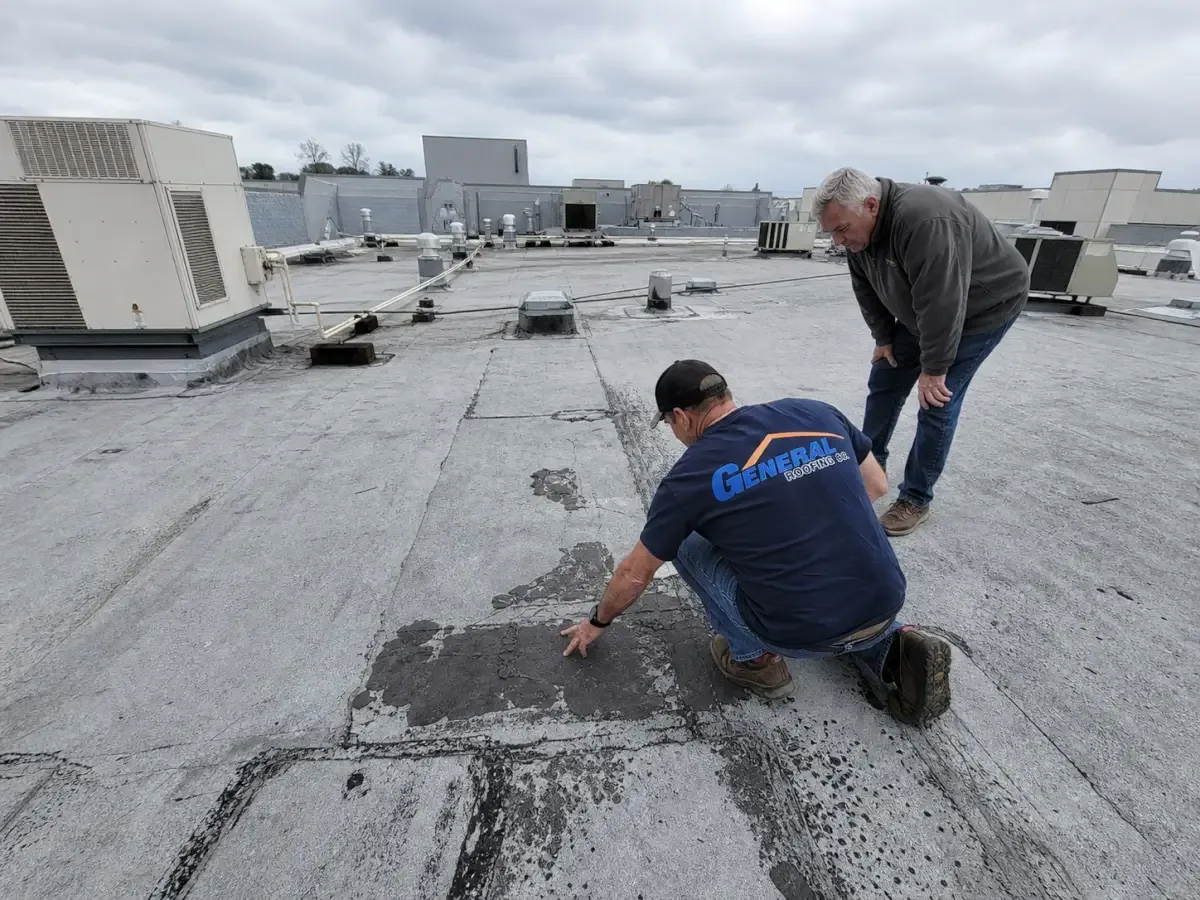
Commercial Roof Repair
Planned repair of membranes, seams, flashing and details on Queens, NY commercial roofs, with each fix explained before the crew picks up a tool.
Ready to Talk About Ridgewood?
Tell us about the building and what you are seeing. We will schedule a roof walk and send photos and a written scope.