
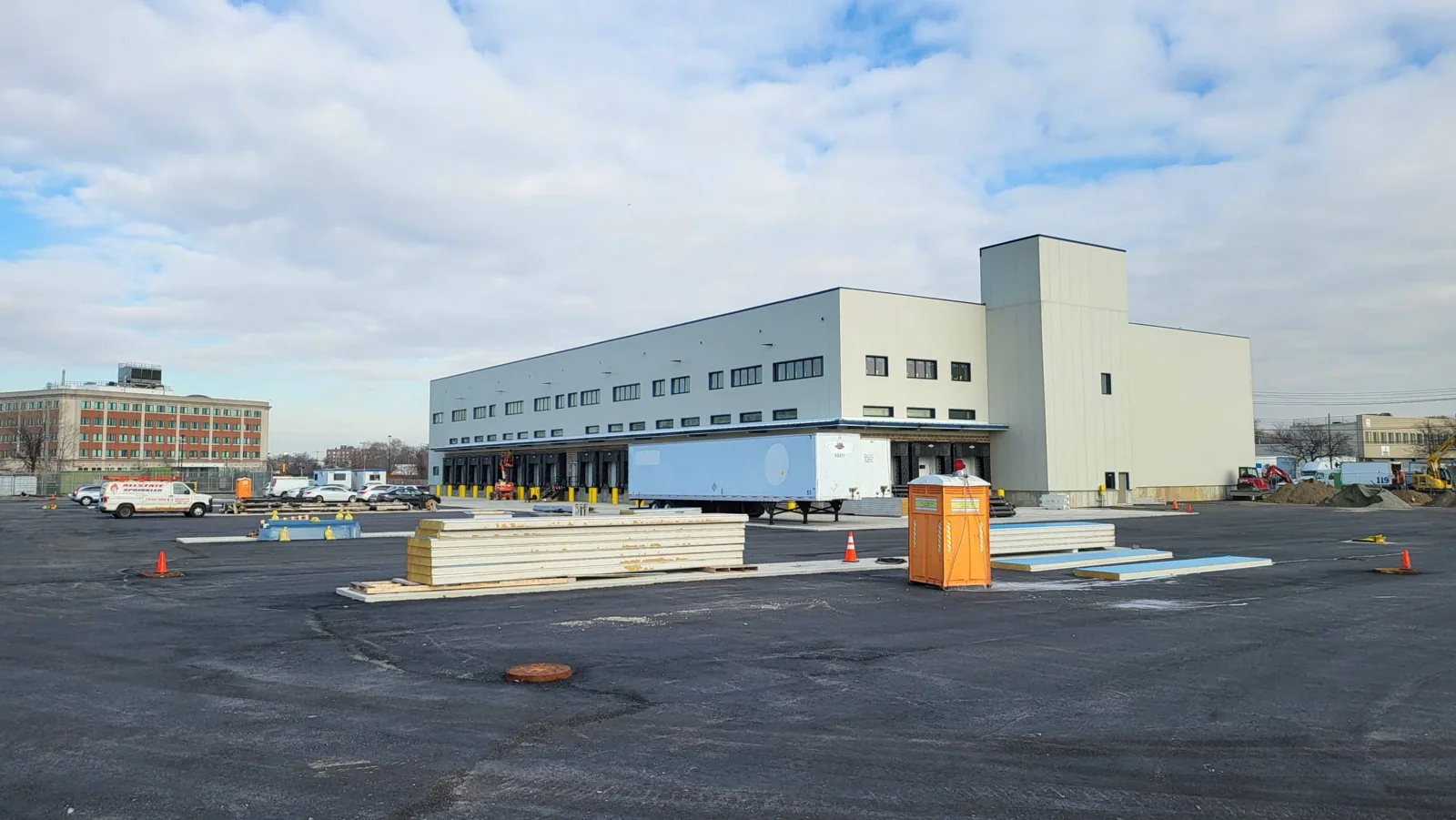
Ice on the ceiling of a freezer room, where no ice should be, is how a cold storage roof usually announces itself. The owner assumes a leak. Often it is not rain at all. Warm, humid air has found a path from the roof side into the cold side, and the moisture has frozen against the inside surface of the insulation. In Queens, NY, where summer humidity is heavy and cloudbursts are common, we trace that ice back through the assembly, one layer at a time, until we find the gap that is letting the moisture in.
What does the owner see, and why is it different?
A cold storage roof sits between two climates. Above it is a humid, warm, rainy borough. Below it is a room held at freezing or lower. The difference between them pushes water vapor through any opening, and the vapor condenses or freezes where the temperature crosses the dew point. Over time that wets the insulation from the inside, a failure that looks nothing like an ordinary leak.
The signs are frost at a penetration, ice on the deck underside, wet spots on the ceiling panels and a refrigeration system that runs longer than it used to. A membrane that looks perfect from above can be sitting on insulation that has been taking on water for years.
One more clue helps. If the frost is confined to one area and follows a pipe line, the source is a single penetration. If it spreads in a broad sheet, the vapor retarder itself has failed over a wide area, and the scope grows with it.
What is happening up there?
Three layers carry the load: a vapor retarder on the cold side, insulation in the middle and the membrane on top. When the vapor retarder is cut by a pipe or a conduit and not sealed, moisture passes through. When the membrane leaks at a seam or flashing, rain enters from above. When both happen, the insulation holds water that cannot leave in either direction.
Penetrations are the usual weak point. Refrigerant lines, drain lines, electrical conduit and structural supports all cross the stack. Each needs a seal at the vapor retarder and a flashing at the membrane. A seal that was never done, or has failed, lets cold air out and warm air in.
Heat on the roof side also matters. A hot summer surface drives vapor inward more strongly, and a light-colored, reflective membrane lowers that pressure. July highs in the city sit near 85 degrees and the heat island is strong, which makes a reflective surface worth real money on a roof that works against a freezer.
How do we confirm what the roof is doing?
We begin with an infrared moisture survey, which shows wet insulation by its temperature difference, and we back it up with cores at the suspect spots. A core shows the vapor retarder, the insulation and the condition of each, and a moisture reading tells us how far the wetting has spread. Inside, we check the underside of the deck and the ceiling for frost patterns that line up with roof penetrations.
Then we walk the top. We check the drain, then the seams, then every penetration. A roof over a freezer cannot afford a leak, so we record each detail with a photograph.
What do Queens cold storage owners face?
Goods move through Queens by rail and by air: a freight-only rail branch crosses the Maspeth Industrial Center, and JFK Airport, spread over 5,200 acres in Jamaica, handled 1,557,067 US tons of cargo in 2025. Any building that keeps product cold in that corridor still has to take the weather. Water stood six feet deep in Maspeth after Sandy in 2012, and the city declared its first flash flood emergency for Ida's remnants in 2021, when Queens counted most of the deaths. A cold storage roof that drains slowly meets both the rain and a humid summer.
How does a freezer roof compare with other storage roofs?
A plain warehouse roof worries about water coming in. A cold storage roof worries about water coming in and vapor going through. A distribution center that has a chilled bay on one end has both roofs under one cover, and the line between them is a detail that needs a vapor seal at the wall. We rate each zone against its own risk and write the repair order so the work on the cold side is done first and checked before the rest.
Equipment adds to the list. Condensers and evaporator lines on the roof each add a penetration, and the curb and support details around them are where the stack is most often breached.
What are the repair options, and what does waiting cost?
If the insulation is dry and the membrane is sound, repairing the details is usually enough: reseal the penetrations, replace failed flashings and clear the drains. If a section of insulation is wet, it comes out and is replaced with matching board, and the vapor retarder is rebuilt before the new membrane goes on. If wetting is widespread, a full replacement with a new vapor retarder, insulation and membrane is the only repair that holds.
A recover over a wet roof is not an option on cold storage, because it traps the moisture where it does the most harm.
Waiting on a cold storage roof costs energy first and product second. Wet insulation loses its value quickly, so the refrigeration plant runs harder to hold temperature. Ice can build up on ceilings and drop onto pallets. A section of ceiling can come down. Lost inventory and a failed health inspection are real risks. The repair gets bigger every month the insulation stays wet.
What is the next step?
Photograph any frost or ice inside and the roof penetration closest to it, then send those with the address area and the roof age. We go through the room and the roof, say step by step what the stack is doing and hand you a ranked repair list before any price. For buildings near Maspeth and the airport corridor, we plan work around loading schedules.
Questions Owners Ask
What building owners and managers usually ask before a roof visit.
Yes. Frost forms where warm, moist air meets a cold surface, and the roof stack is the way that air gets in. On a dry day, a hole in the vapor retarder or a poor seal around a pipe lets moisture through just the same. We follow the frost pattern up to the penetration that feeds it and test the seal and insulation around that spot.
A recover seals in whatever moisture the stack already holds. On an ordinary roof that may do limited harm, but over a freezer the water turns to ice, expands and damages the insulation and vapor retarder further. We scan and core first, and unless the stack is dry from top to bottom we replace the wet layers instead of covering them.
The cold side sets the plan. We keep openings small, seal each penetration as it is cut, and shelter the vapor retarder from rain. Temperature holds are agreed with the facility manager, and the work moves one section at a time so the room stays closed. Product near the work zone is covered, and the forecast is checked before any section opens.
The sheet on top matters less than the layers beneath it. A well-installed TPO or PVC does fine when the vapor retarder and insulation are right, and we choose between them by exposure to wind, heat, chemicals and traffic. The decision that counts is the stack itself, which has to be designed for the dew point in the room and the weather outside.
Related Roofing Work
Other pages that connect to Cold Storage Roofing.
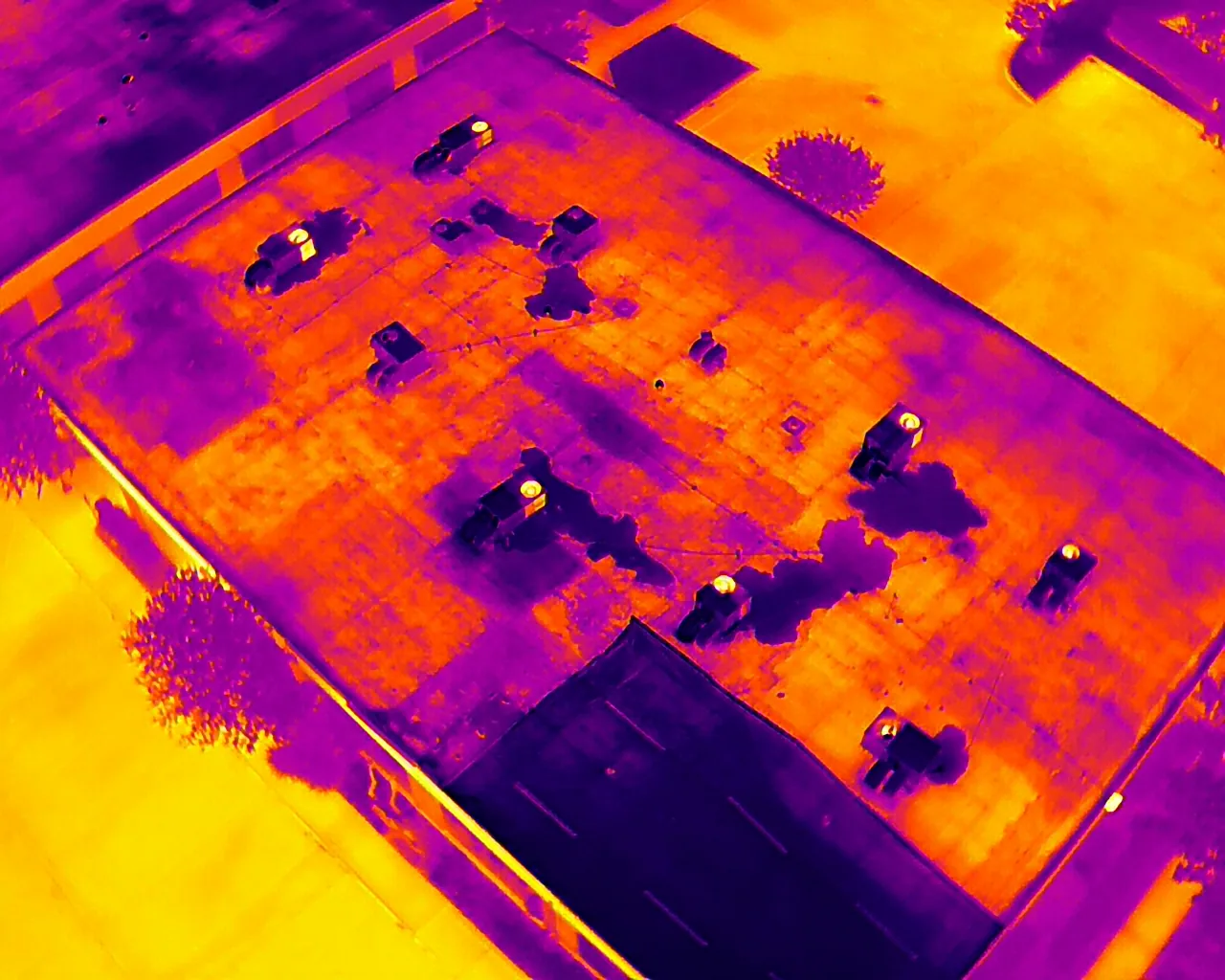
Infrared Roof Moisture Surveys
Infrared scans and core-cut moisture surveys for Queens, NY commercial roofs that locate wet insulation before the owner commits to repair or replacement.
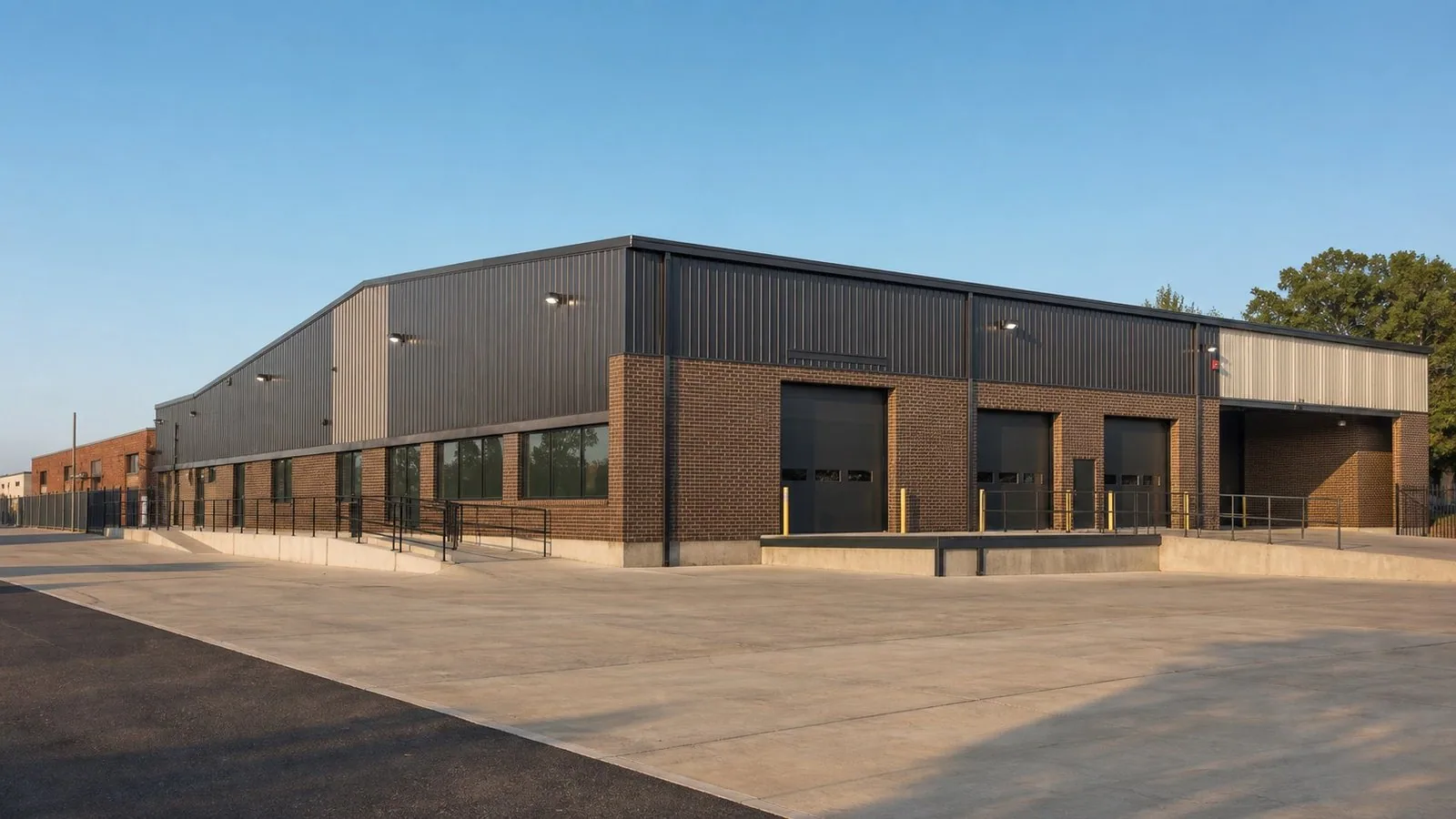
Warehouse Roofing
Warehouse roof repair, recovery and replacement in Queens, NY, from Maspeth and Long Island City to Glendale, with drainage and tie-in details explained.
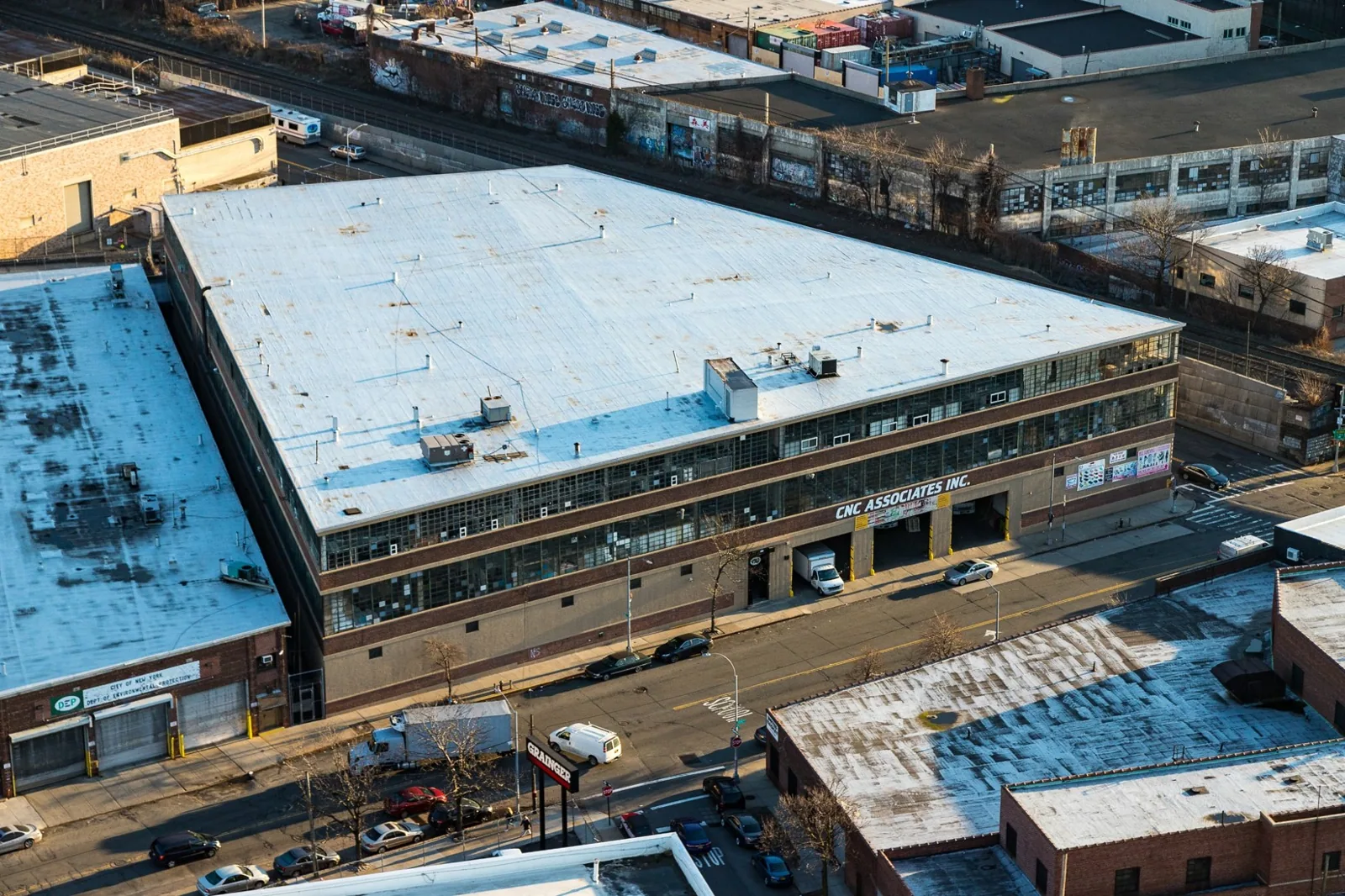
Distribution Center Roofing
Roof repair and replacement for Queens, NY distribution and fulfillment centers, including curbs, drains, dock-side details and work around peak shipping weeks.
Ready to Talk About Cold Storage Roofing?
Tell us about the building and what you are seeing. We will schedule a roof walk and send photos and a written scope.