
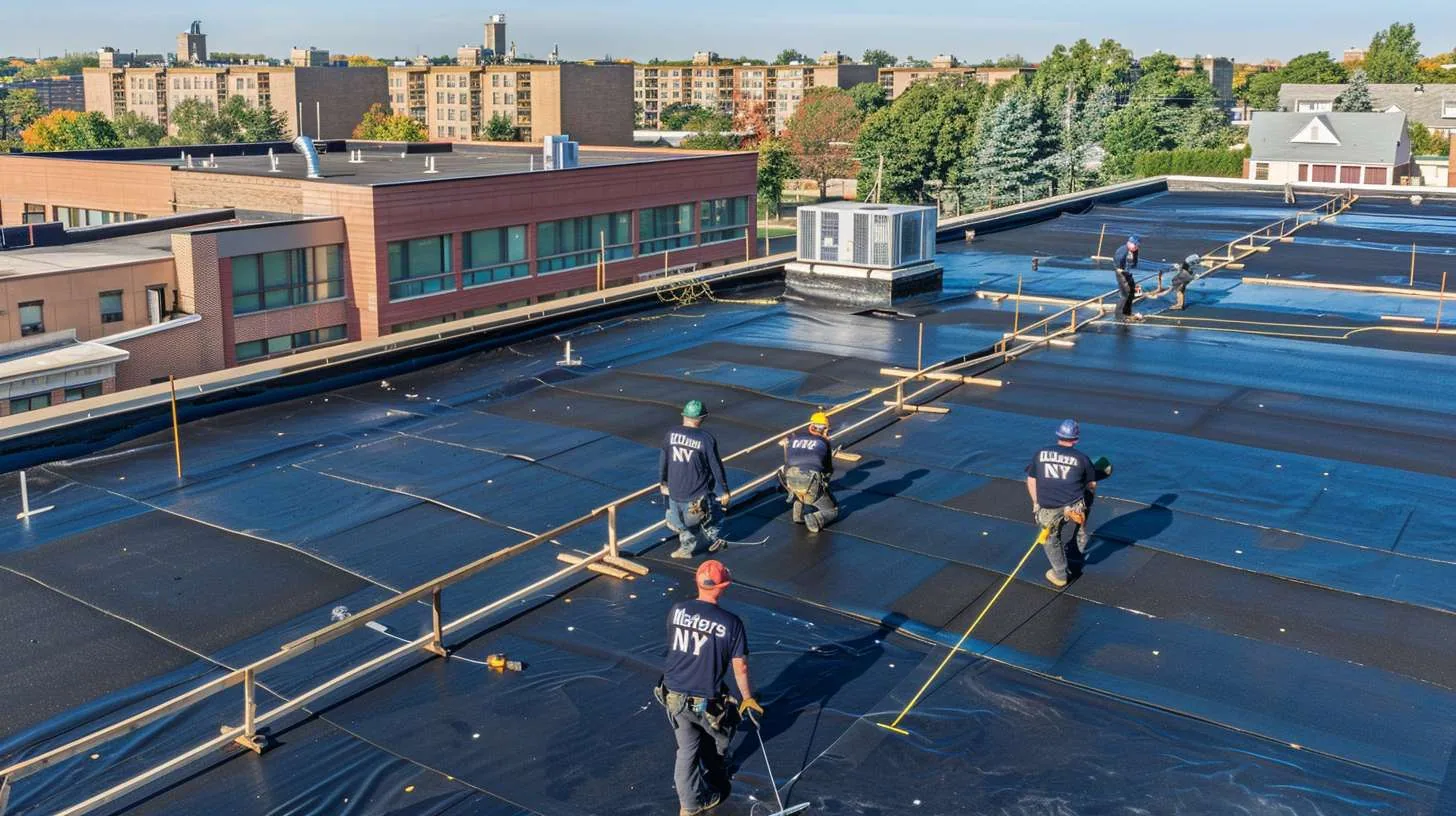
Water through a ceiling at two in the morning is a sequence, and the order of the sequence matters. First comes the water, then the damage to whatever sits beneath it, and then the slower damage as the insulation holds the moisture and the deck begins to rust. A good emergency response interrupts that sequence at the earliest point it can. For a commercial building in Queens, NY, that means getting a crew on the roof, finding the opening, and covering it so that the next hour of rain does not do more harm than the last.
Our response runs all night, every day of the week, holidays included. This is not the time to compare membranes or argue about replacement budgets. It is the time to dry the building in. The permanent repair, and the harder questions about the roof, can wait for daylight.
What happens when you call?
We ask four things. Where is the water showing up, and is it still coming in? Is anyone or anything in danger, such as electrical equipment, stock or people? What kind of roof is it, and roughly how big? And can we get onto the roof safely right now? Your answers tell us what to bring: tarps and sandbags for a large opening, membrane patches and sealants for a small one, and boards for a damaged deck.
While the crew travels, we suggest simple steps for the people inside. Move stock away from the leak, cover equipment with plastic, place buckets, and shut off power to wet circuits if it can be done safely. None of this is complicated, and all of it limits the damage before we arrive. If the leak is large, we tell you how long the response will take and what we can and cannot do in the weather.
What does dry-in actually involve?
Dry-in means stopping water from entering the building, not repairing the roof. On a flat roof, the crew finds the opening, clears loose debris, and places a temporary cover: a patch of membrane set in compatible cement, a heavy tarp fastened at the edges, or a sheet of plywood over a damaged deck section. Tarps are weighted at the edges, because wind lifts a loose tarp quickly. Corners and seams get extra fastening.
If the damage is in the insulation, we remove saturated sections from the opening so the patch has something solid beneath it. If storm debris has punctured the membrane, we cut around the damage, clean it and patch it, then photograph it. The temporary work is designed to last through the next storm and to be removed or incorporated into the permanent repair. We leave the owner a clear note on what was done, where, and what still needs attention.
Weather decides how much we can finish. Rain or wind can keep adhesives from curing, so a mechanical fastening or a ballasted cover may be the better choice that night, and we say so before we start.
What storms drive emergency calls here?
Three kinds of event dominate. Hurricane and tropical remnants come first. Sandy left six feet of water in Maspeth in October 2012, and the whole Rockaway peninsula had been ordered out before it arrived. Ida's remnants, on September 1, 2021, set off a flash flood emergency, the first New York City had ever seen, and Queens lost more people to it than any other borough. Roofs in both storms took wind-driven rain, and drains that could not keep up sent water back across the membrane.
Snow comes second. On January 23, 2016, the city took 27.3 inches of snow in a single day, and loads like that can crack seams, deform flashing and stress older decks. Third, summer thunderstorms bring short cloudbursts to roofs that have clogged drains or low spots. In flood-prone areas such as Howard Beach and Far Rockaway, the shoreline exposure is part of the equation, and roof damage can follow the water.
What comes after the tarp?
Once the building is dry, the real work begins. We return in daylight to find the underlying cause with a leak trace, check for wet insulation, and photograph the damage for the owner's records. If the roof is wet, an infrared survey maps how far the water has spread.
The owner then has choices. A modest opening can be repaired permanently within days. A large area of storm damage may call for a more thorough storm damage repair plan, and a roof that has failed in several places may be a candidate for replacement. We present the options in order of urgency and cost so the owner can budget and schedule without pressure. A property manager in Jamaica or Astoria will usually need a written account of the emergency work for insurance and for the building owner.
What records should you keep?
Photographs and dates are the most useful documents. We photograph the roof before and after the temporary work, the interior damage if access allows, and the weather conditions. We record the time the call came in, when we arrived, and what we did. These notes help an insurance adjuster understand the cause and the timeline, and they protect the owner if a claim is disputed.
We also note anything that appears to be preexisting wear rather than storm damage, because adjusters often draw that line, and it is better to know where the line sits before the claim is filed. Owners who also keep a roof file with the original drawings and past repair invoices find that the emergency visit goes faster and the permanent plan is easier to write.
One more habit helps: write down which rooms were wet and which equipment sat under the opening. When the permanent repair is scoped, that list tells us where the water traveled inside the building, and it points us toward the stretch of roof that deserves the closest look.
Questions Owners Ask
What building owners and managers usually ask before a roof visit.
We respond, and then we judge what is safe. High winds, lightning and ice can make roof access unsafe, and no repair is worth a fall. In those conditions we start with interior protection, containment and an assessment from the safest vantage point, then move to the roof the moment conditions allow. We tell you what we can do now and what has to wait, so you can protect the space below in the meantime.
A well-made temporary repair can hold for weeks, and sometimes through a full season, but it is not designed to be permanent. Tarps fatigue in wind and sun, adhesives age, and patched areas can lift at the edges. We tell you how long we expect it to last given the roof and the weather, and we schedule the permanent repair while the temporary cover is still doing its job.
For an emergency, a verbal go-ahead from the owner or property manager is enough to begin the dry-in. We then follow up with a written summary of what was done and what it cost. If your organization has an approval process, tell us on the call so we can document the work in the form your accounting group needs.
The first step is the same: make the building safe and weather-tight. Fire-damaged roofs may be structurally compromised, so we do not walk areas that fire officials have not cleared, and we coordinate with the property manager and any structural engineer. Our fire damage repair work starts with temporary protection and a documented assessment of what must come off.
Related Roofing Work
Other pages that connect to Emergency Roof Repair.
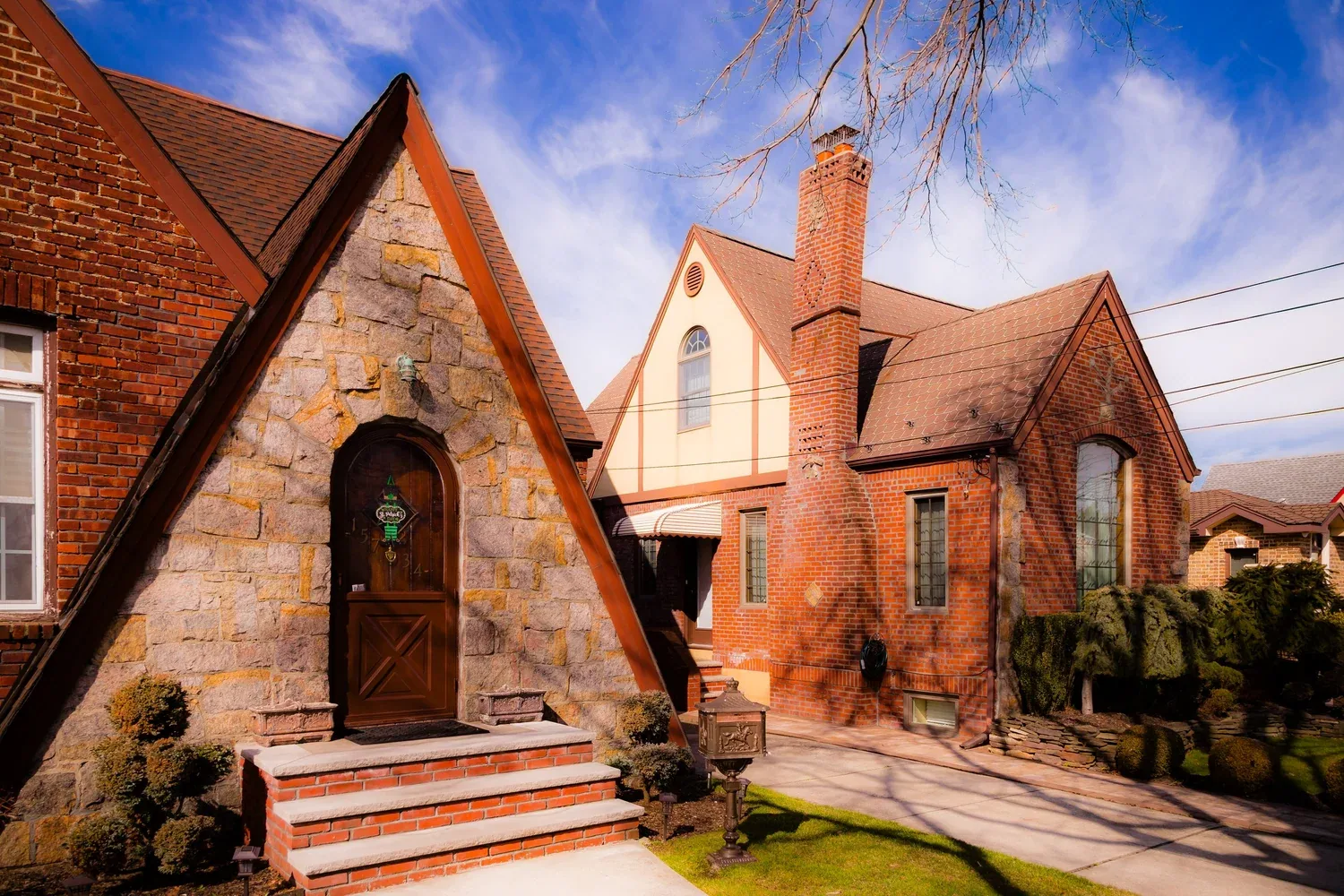
Howard Beach
Commercial roofing in Howard Beach, Queens, NY: Cross Bay Boulevard retail roofs, Lindenwood apartment roofs, bay-edge wind and salt, drain and edge repair.
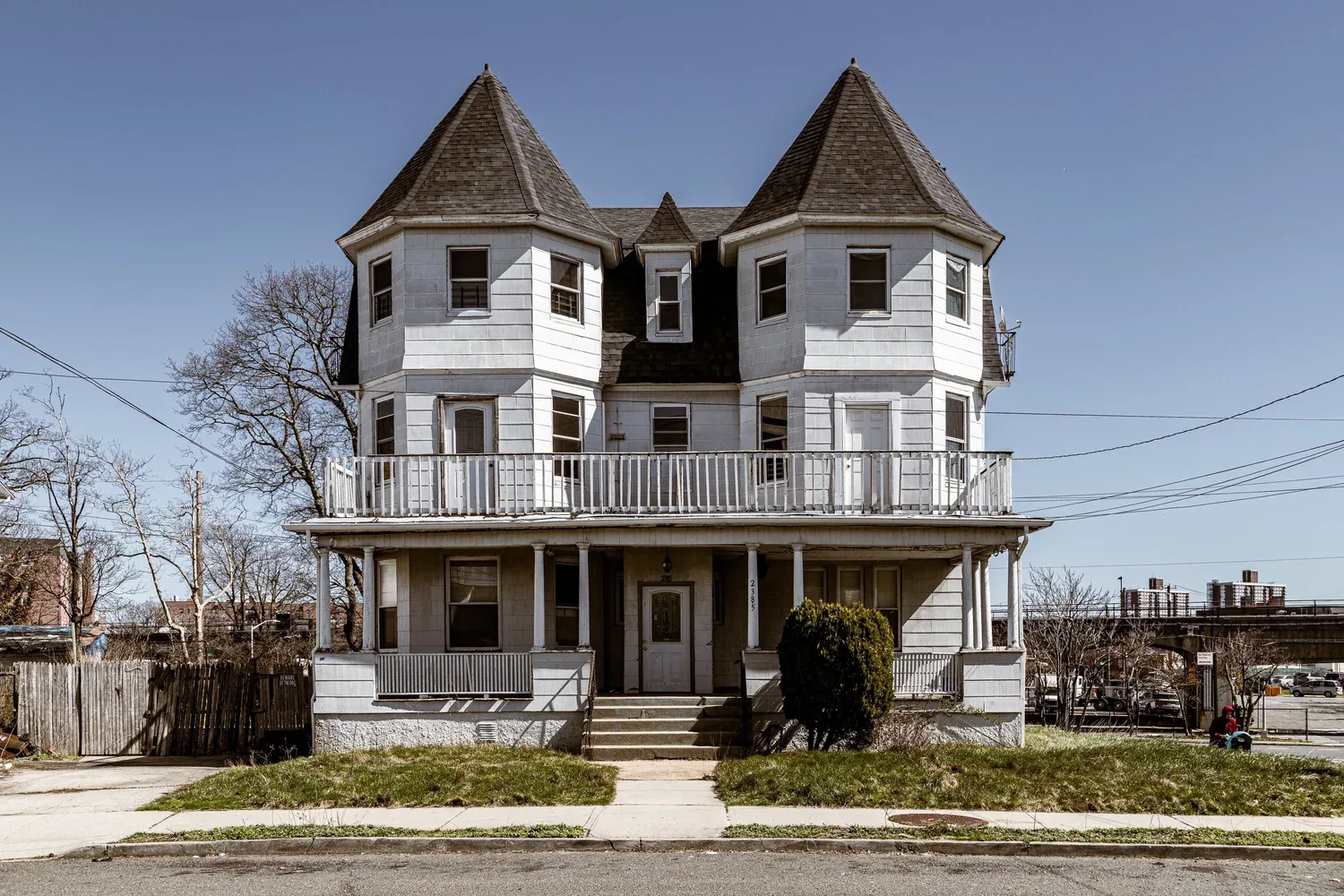
Far Rockaway
Commercial roof repair, coating and replacement in Far Rockaway, Queens, NY, for oceanfront-exposed mixed-use, retail and apartment buildings.
Commercial Roof Leak Repair
Tracing and stopping active commercial roof leaks in Queens, NY, using moisture mapping, water testing and targeted repair, explained in plain steps.
Ready to Talk About Emergency Roof Repair?
Tell us about the building and what you are seeing. We will schedule a roof walk and send photos and a written scope.