
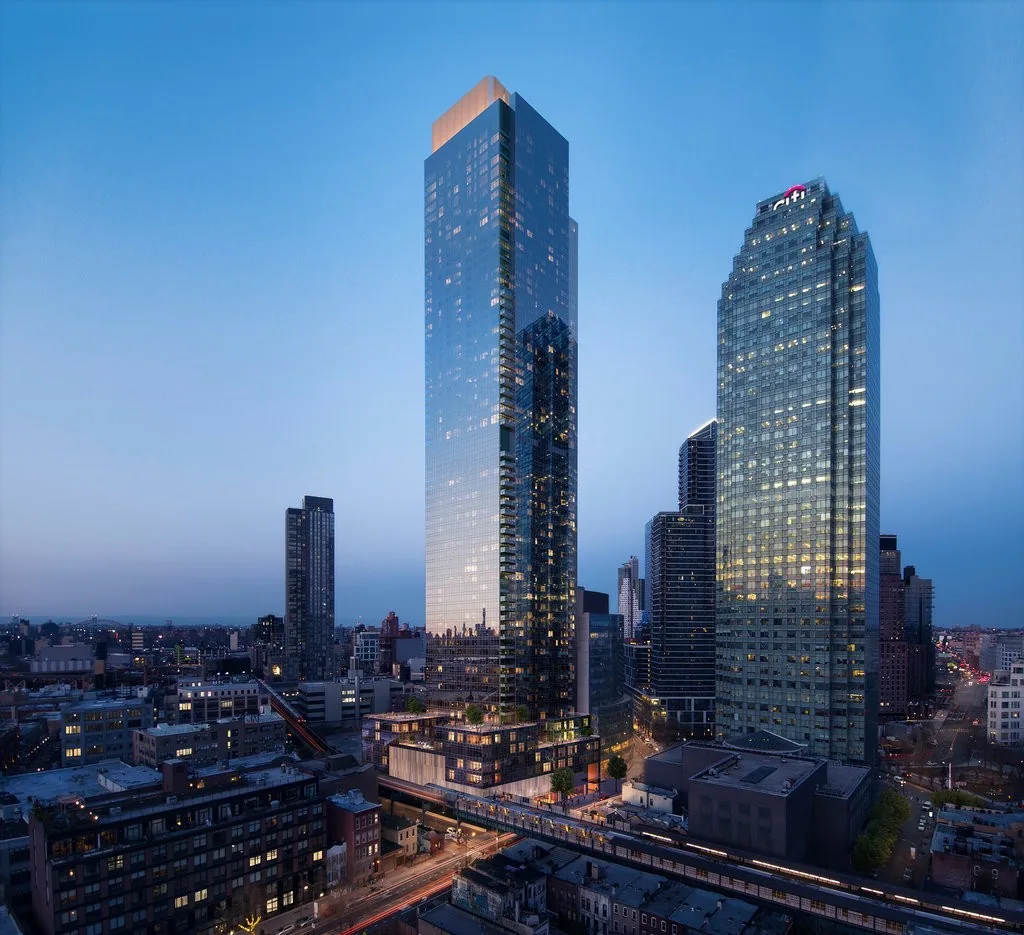
A ceiling stain that returns in the same corner office every spring, a little larger each time, is the sign that an office roof has a slow leak the building keeps patching from the inside. The property manager replaces the tile, repaints and waits. The stain comes back because the opening is still there. In Queens, NY, where office buildings range from older masonry blocks to newer towers, we begin with that stain and walk back to the cause: first the drain, then the seam, then the flashing at the parapet.
What does the manager see, and what is the roof doing?
Office roofs fail in a few repeating ways. Water stains appear near the building's edge, which points to the parapet flashing or coping. Stains appear under the mechanical penthouse, which points to a curb, a duct penetration or a roof drain nearby. Stains appear in the middle of a floor, which points to ponding or a failed seam. Damp carpet by a stair tower points to the bulkhead door and its threshold.
Each pattern leads to a place on the roof we can check in an hour. Start at the drain, because a clogged strainer is the cheapest cause to fix and the most common.
What is happening up there?
An office roof carries a heavy load of equipment: air handlers, exhaust fans, cooling towers and antennas, all on curbs and supports with their own flashings. Between them, service crews walk worn paths. The membrane wears along those paths, and the flashings crack where the pipes and conduits move.
Parapets add another failure. The wall rises above the roof, the coping caps it and a flashing ties the membrane to the wall. When the coping joints open, water runs down behind the metal and into the masonry, and it appears inside as a stain on an exterior wall or ceiling. A coping and edge repair often stops the leak without touching the field.
Amenity terraces are a third source. Railings, planters and pavers rest on or pass through the waterproofing, and every post can leak. A terrace gets renewed in strips: pavers come up, the membrane below is inspected, and the flashing at each post is rebuilt before the surface returns. Anyone planning a new terrace should have the roof inspected first, because a worn membrane under fresh pavers is costly to reach later.
What kinds of office buildings does Queens have?
In Jamaica, the Joseph P. Addabbo Federal Building rises 12 stories in masonry and steel, about 932,000 square feet of offices completed in 1989, and FAA regional offices and a Social Security Administration program center are among the area's employers. A 2007 rezoning there allows buildings up to 28 stories near the transit hub. The Bulova Corporate Center in East Elmhurst, once a watch company headquarters, now operates as an office center. Long Island City was rezoned from industrial to residential in 2001 and has older masonry buildings beside newer mixed-use towers, with Queens Plaza and Queens Boulevard running through it.
Office buildings of different ages need different roof strategies, from reflashing a parapet to replacing a membrane over a penthouse. An office floor leased to a medical practice raises the stakes for the roof above it, and a college building with offices on its upper floors adds summer scheduling to the plan.
How do we confirm where the water is coming from?
We start inside with the stain map and the building plans if they exist. On the roof, we probe the seams around the stained area, check the drain, scan with an infrared camera for wet insulation and look at the base of every wall. A hose test helps when the leak is intermittent. On a larger tower, a drone pass shows the upper roof levels without sending a crew to every corner, and the findings go into the inspection report with photographs.
What are the repair options?
A failed curb flashing, a coping joint or a drain sump can be rebuilt through a targeted repair. A membrane that has aged but sits over dry insulation can often take a coating or a recover, and either costs less than tear-off. Wet insulation or a stack of old layers points to a full replacement. The tenants decide how the work is sequenced: we schedule noisy tear-off for evenings or weekends where the lease requires, and we keep corridors and stairwells clear.
An occupied-building re-roof is routine for us, and the plan is written before the first day.
What does it cost to wait?
A slow leak costs more than its stain suggests. Wet insulation loses its value and spreads. Ceiling tiles, carpet and drywall are replaced again and again. Tenants lose patience and eventually lose confidence in the building. When Hurricane Ida's remnants arrived in September 2021 and most of the city's deaths fell in Queens, a marginal roof could go from stain to flood within the hour. Fixing the roof once costs less than cleaning up after it four times.
Lenders and buyers look at the roof too. An office building with a documented roof history, a dated inspection and a funded replacement date holds its value better than one whose roof is a mystery. Our condition reports are written for that audience as well as for the manager.
What is the next step?
To book a visit we need the street, the roof age and photographs of the ceiling stain and the nearest drain or parapet. We go up with you, describe the roof's behavior in order and hand you a repair order before any price. For offices in Jamaica and Long Island City, we plan around business hours and tenant requirements.
Questions Owners Ask
What building owners and managers usually ask before a roof visit.
Because the roof opening was never closed. Paint and new tiles hide the damage, not the cause. Water often enters a long way from the stain, so a patch at the stain site does nothing. We trace the stain back across the roof, find the failed drain, seam or flashing, and repair it. Once the opening is closed, the ceiling can be restored and stay clean.
We keep a list of every tenant unit on the roof, with its curb, its lines and its service route. Tenants are notified before work begins, and we coordinate any shutdown or lift with their engineers. The lease determines who pays for what, but the roofer's job is to keep every curb sealed and every unit level. A new unit should not go in without a short roof review.
Yes. Twice a year is a good rhythm: a spring walk to catch winter damage and a fall check of the drains. A written report with photographs gives the manager a record for owners, lenders and insurers. Taller buildings with multiple roof levels benefit from a drone survey in addition to the walk.
Less than most managers would like, but enough to keep tenants working. We schedule the loudest tasks, such as removing gravel or tear-off, for early mornings, evenings or weekends. We use equipment that suits the building and keep the upper floors informed. For sensitive suites, we ask the tenant which hours are quietest and plan the work around them.
Sometimes. If the leak is active and the insulation is still mostly dry, a repair that stops the water protects the tenants and the insulation, and it keeps the replacement on the owner's schedule. If the roof is past the point where repairs hold, spending on patches wastes money. A scan and a few cores tell us which side of that line the roof is on.
Related Roofing Work
Other pages that connect to Office Building Roofing.
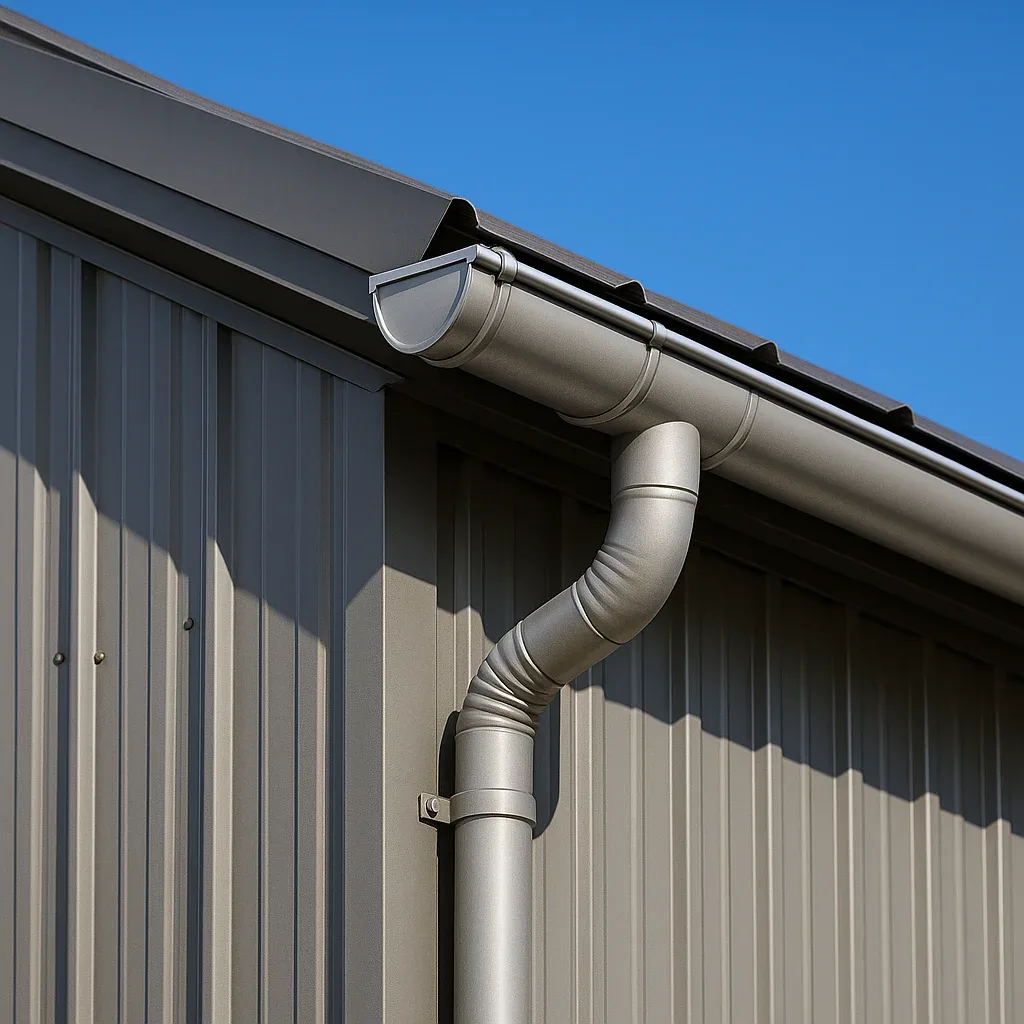
Edge Metal, Coping and Gutters
Edge metal, coping, gutter and downspout repair for commercial roofs in Queens, NY: wind uplift, open joints, brick staining and drainage at the roof edge.
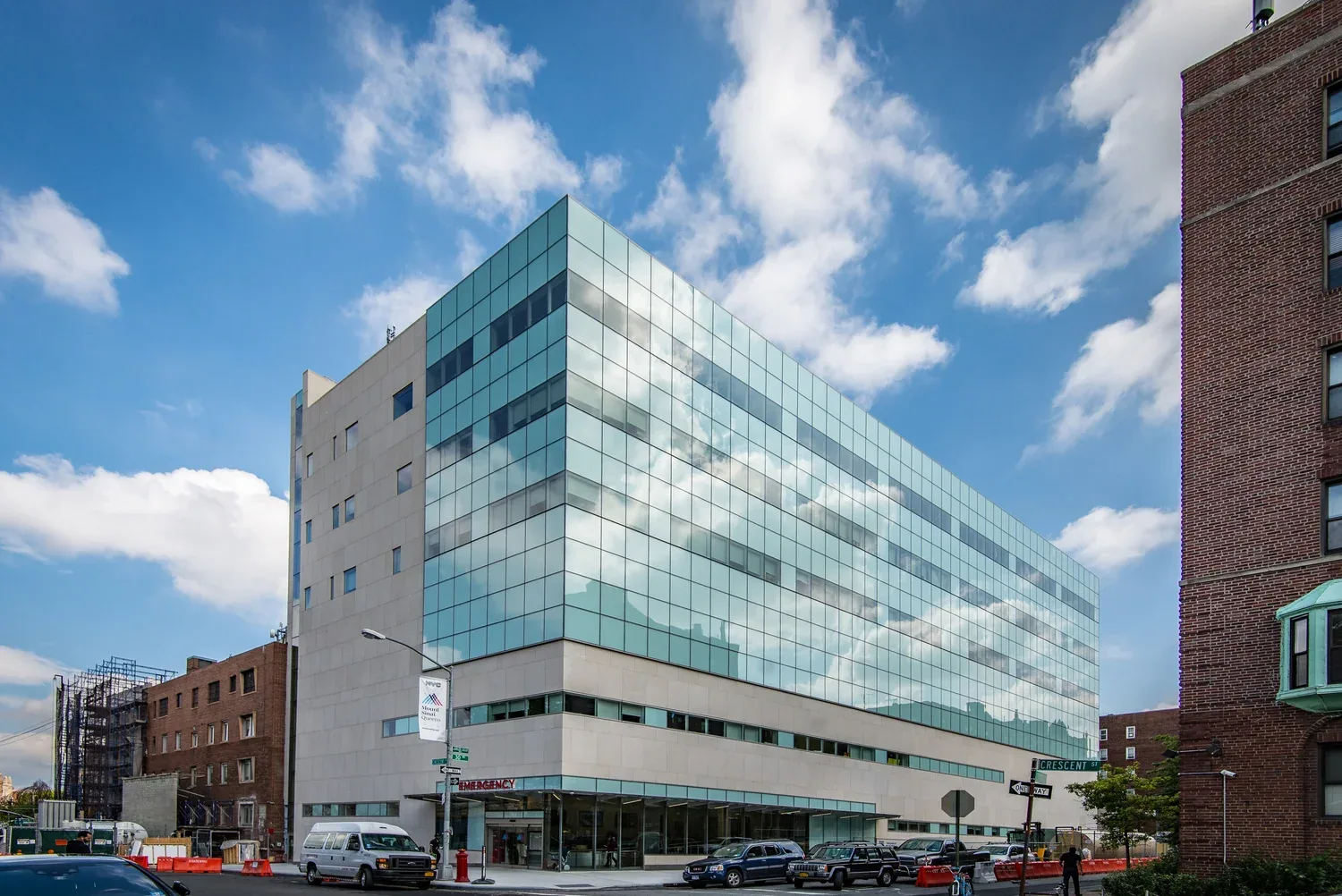
Medical Office Roofing
Roofing for medical offices and clinics in Queens, NY, with moisture, odor and noise controlled so exam rooms stay open and ceilings stay dry above patients.
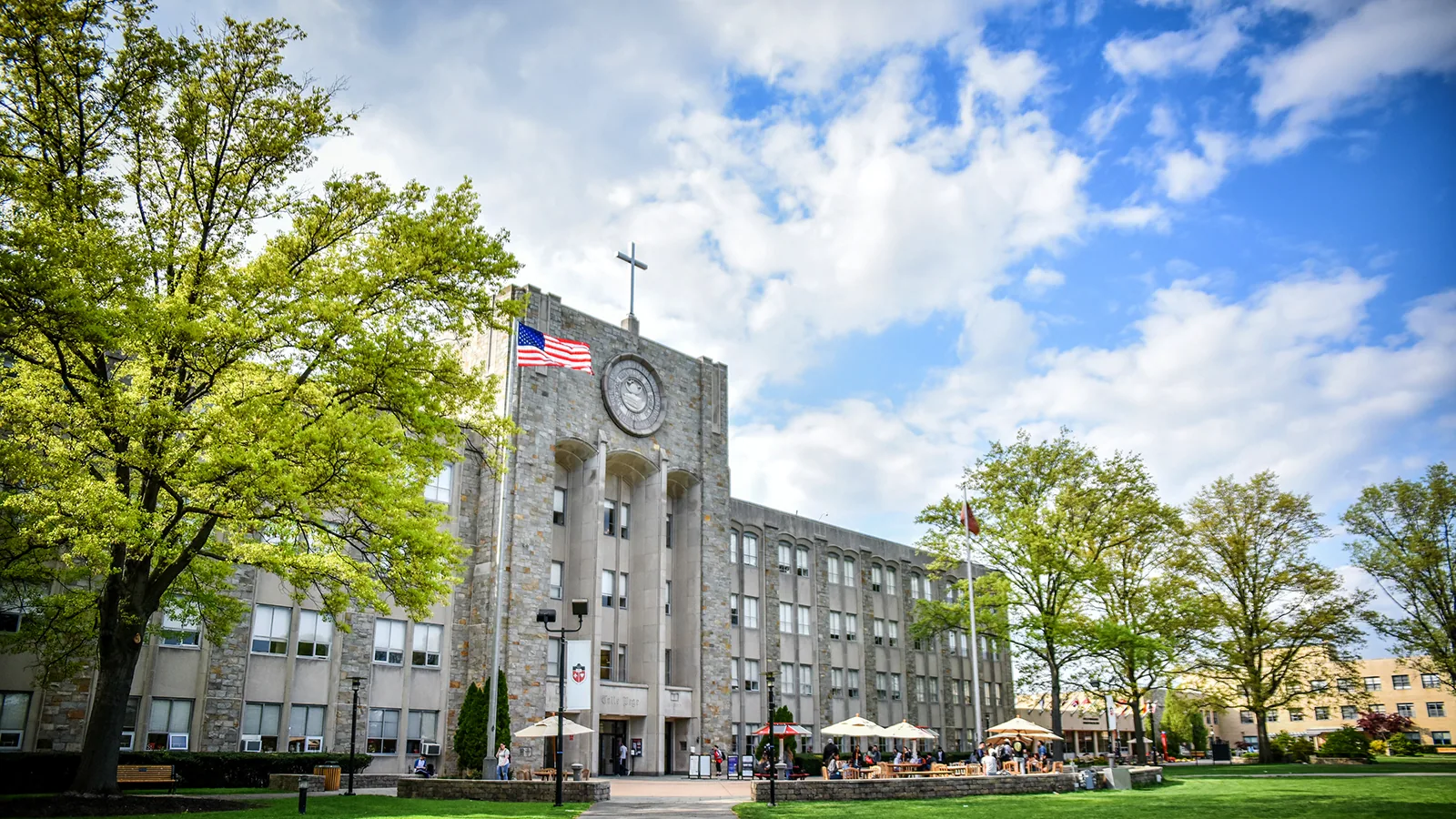
College and University Roofing
Roof repair and replacement for Queens, NY colleges and universities: lecture halls, labs and aviation buildings, phased around the academic calendar.
Ready to Talk About Office Building Roofing?
Tell us about the building and what you are seeing. We will schedule a roof walk and send photos and a written scope.