
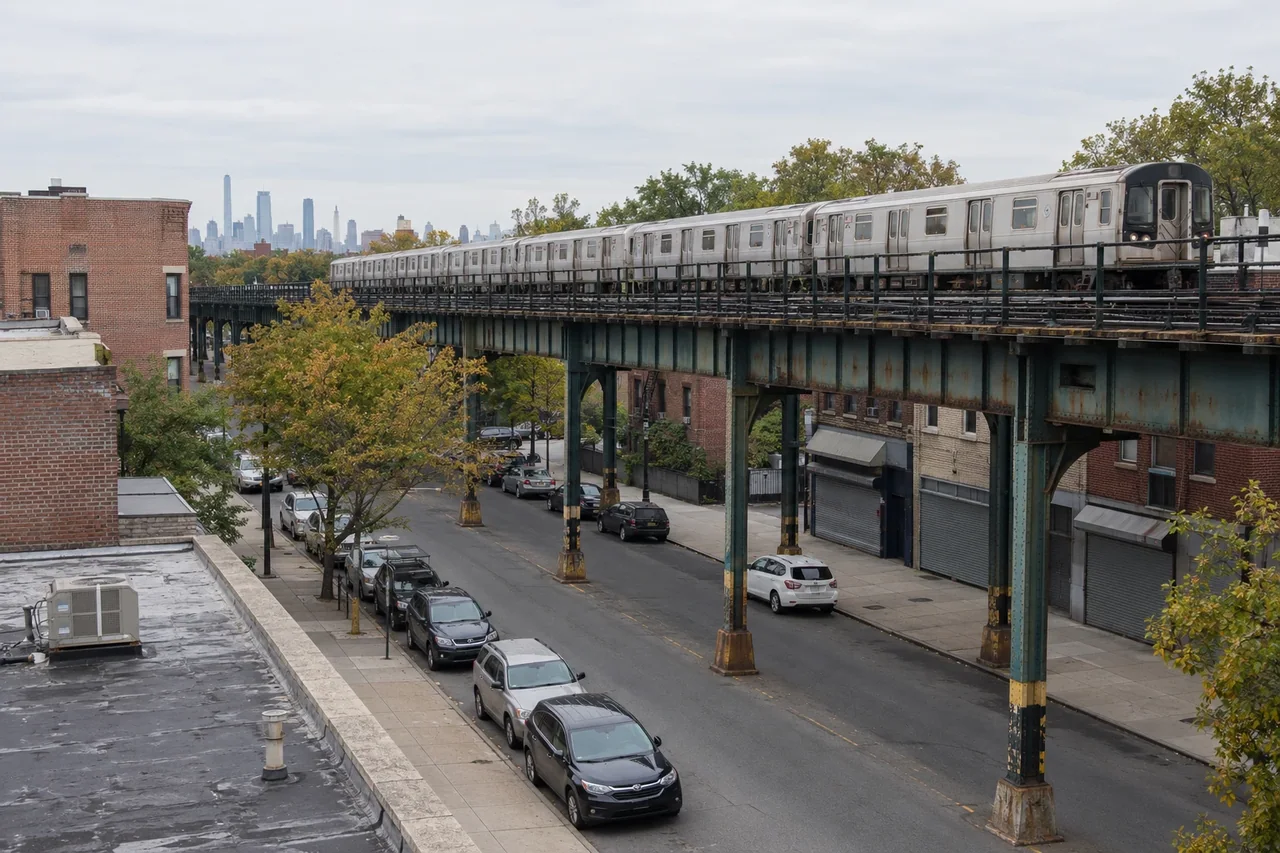
Owners call first about the roofs behind the storefronts of Roosevelt Avenue, the busiest commercial strip in Woodside, Queens, NY. Such a shop may have a flat roof carrying a kitchen exhaust, a condenser or a sign frame, and the owner notices a drip near the back wall after a hard rain. We start with the drip and trace the water up and across the roof in order: the drain, the seam, then the flashing at the wall.
Woodside also has larger commercial buildings along Northern Boulevard and near the highway, and we apply the same order of checks to them.
What commercial buildings does Woodside have?
The mix is practical rather than grand. Roosevelt Avenue carries the densest retail, with the IRT Flushing Line serving it at 52nd, 61st and 69th Streets and the Woodside LIRR station connecting to the 61st Street subway station. A former trolley car barn at Northern Boulevard and 51st Street was converted into the Tower Square Shopping Center, which shows how older buildings in the neighborhood have been reused. Bulova kept its headquarters along Interstate 278 in north Woodside until 2014, when it sold the building for $30 million.
That adds up to low commercial roofs on the avenue, converted older buildings on the boulevard and larger roofs near the highway. Each needs its own approach.
Buildings near the highway sit close to heavy traffic, so dust and diesel residue can settle on membranes and in drains faster than on a quiet street. The surface is cleaned before testing, and drains are cleared on a tighter cycle there.
What goes wrong on a small avenue roof?
Small but crowded with details, a storefront roof on a busy avenue has a drain or two, a scupper through the parapet, a plumbing vent, an exhaust fan curb, an air conditioner on a stand and a sign mount bolted into the parapet. Each lets water in if it fails, and each has been touched by a different trade over the years. When a leak appears, the cause is usually the detail added last and flashed worst.
Ponding is the other common failure. A small roof with one drain has no backup, and a leaf or a plastic bag in the strainer turns the field into a pond within an hour of heavy rain.
How do converted and older buildings differ?
A reused building carries the roof of its earlier life. A former trolley barn or industrial shed may have a wide, low-slope roof built for a different load, with skylights, monitor roofs or vent stacks that no longer serve a purpose. Those leftovers are leak paths. We survey them, decide which can be removed and cover the rest with proper curbs and flashings.
Where the building has been divided among tenants, the roof may be divided too, with seams of responsibility running across the membrane. A clear roof plan, marked by tenant space, helps the landlord and the tenants agree on who repairs what.
How do we confirm where the water enters?
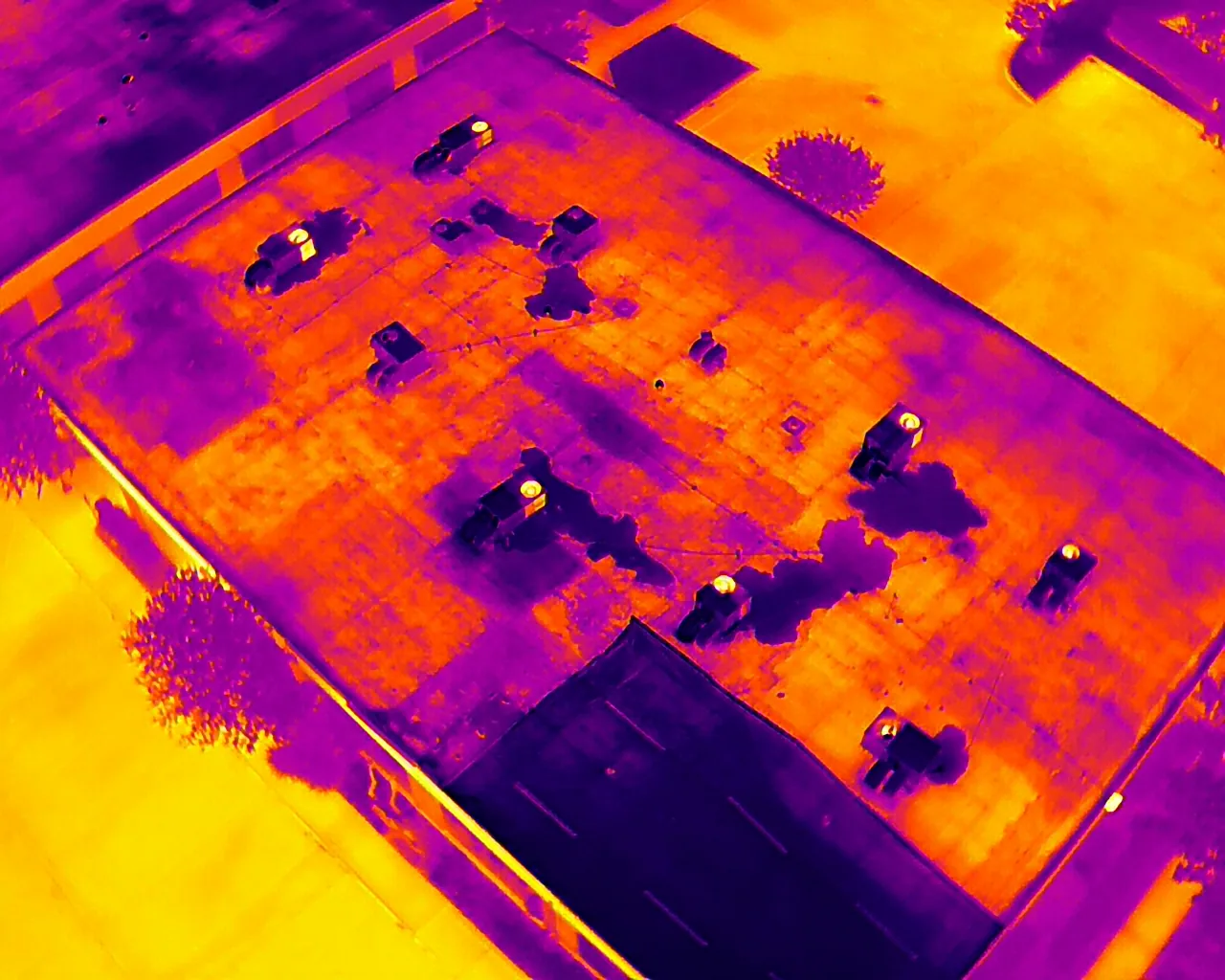
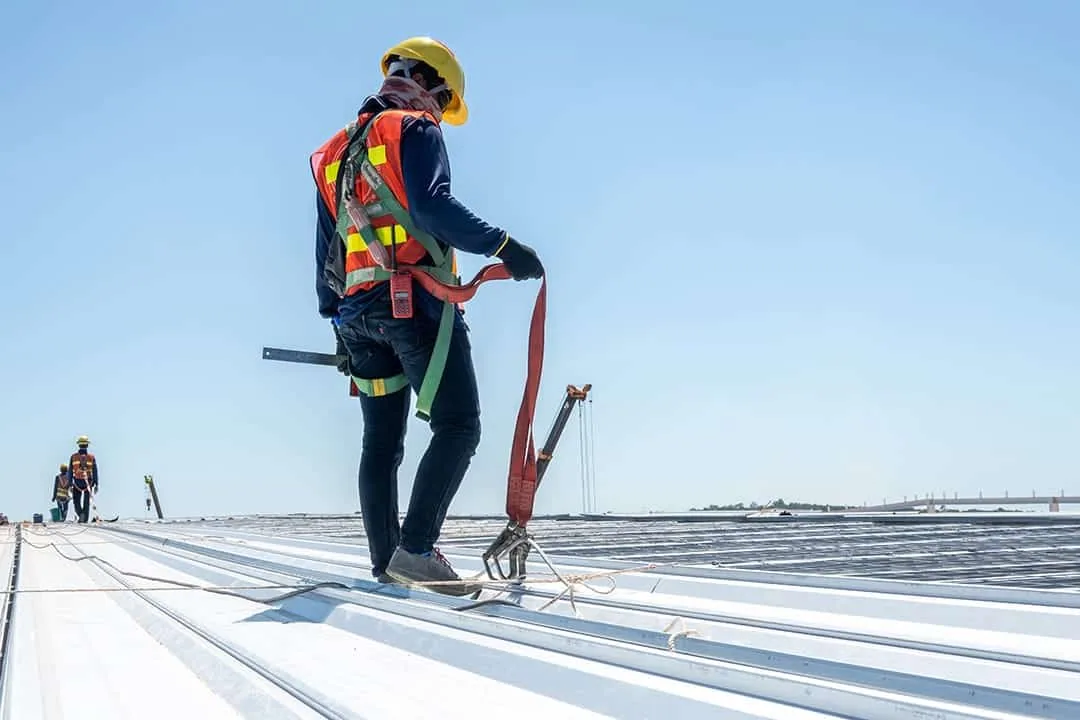
Start with the tenant who called and the stain, then go up. On the roof we test the drain with a hose, probe the seams around the stain and inspect every wall and curb. An infrared moisture survey picks out wet insulation, and cores check what the scan suggests. A written inspection report with photographs lets the landlord and the tenants read the same facts.
On a roof with unknown history, the cores also tell us how many layers are up there, which decides whether a recover is allowed.
What weather matters most here?
Heat and heavy rain do the most damage to roofs like these. Dark membranes bake and shrink at their seams under the city's strong heat island: July highs run near 85 degrees at Central Park, and LaGuardia, in Queens, hit 107 degrees on July 3, 1966. Rain can arrive suddenly: the city's first flash flood emergency, on September 1, 2021, came from Hurricane Ida's remnants, and Queens had most of the deaths. Snow adds a freeze-thaw cycle that opens old seams, and a spring walk with a fall drain check covers most of it.
What are the choices, and what drives the cost?
For a small roof with a few failed details, a leak repair may be all it needs. For a worn membrane over dry insulation, a coating restoration can add years. For wet insulation or several layers, replacement is the choice that lasts. Cost follows the number of layers to remove, the wetness of the insulation, access from the street and the number of penetrations to rebuild. We list each driver in the proposal so two options can be compared fairly.
On a busy avenue, access is part of the price. Trucks need somewhere to stop, the hoist needs sidewalk space and customers still need to reach the door, so the staging side is booked early, a covered walkway goes up over an entrance and deliveries keep to quiet hours. On an occupied building tenants get a short written notice with dates and a phone number for the crew lead.
What is the next step?
Book a walk with a photograph of the stain, another of the nearest drain, and the street and the roof age if known. Before a price comes up, we describe in plain steps what the roof is doing. Owners of buildings in Sunnyside or Maspeth can combine visits, and owners of retail rows may look at shopping center roofing.
Questions Owners Ask
What building owners and managers usually ask before a roof visit.
Because water travels. It enters at a seam or a flashing, runs along the deck or a pipe and drips where it finds a gap, sometimes hours later. The stain marks where it landed, not where it entered. We trace the water back from the stain across the roof, starting with the drain, and repair the opening instead of patching under the stain.
Usually, yes. We schedule the work before opening or on a slow day, keep fumes away from the kitchen intake, protect the exhaust curb and finish each section the same day. If the exhaust fan has to be lifted, we coordinate with the hood contractor. The owner sees the plan in writing before we start.
We map every unit, curb and penetration on the roof plan, inspect each flashing and rate it. The map shows which equipment leaks and which does not, and it gives the landlord a record of who installed what. New equipment goes through a short roof review before the lift, which prevents most of the problems.
For most buildings two visits a year are enough, one in spring when the thaw ends and one in fall ahead of the leaf drop. Add a look after any storm that dumps a lot of water. Each visit takes under an hour on a small roof and costs far less than the leak it prevents.
In some cases. A coating over a sound, dry roof adds reflectivity and seals small defects, which counts in a neighborhood under a strong heat island, but it cannot fix wet insulation or open seams. The scan and the adhesion test come first, and when replacement is the better use of the money, we say so.
Related Roofing Work
Other pages that connect to Woodside.
Infrared Roof Moisture Surveys
Infrared scans and core-cut moisture surveys for Queens, NY commercial roofs that locate wet insulation before the owner commits to repair or replacement.
Commercial Roof Inspections
Hands-on commercial roof inspections in Queens, NY, with written findings, photographs and a ranked list of what to fix now and what can wait.
Commercial Roof Leak Repair
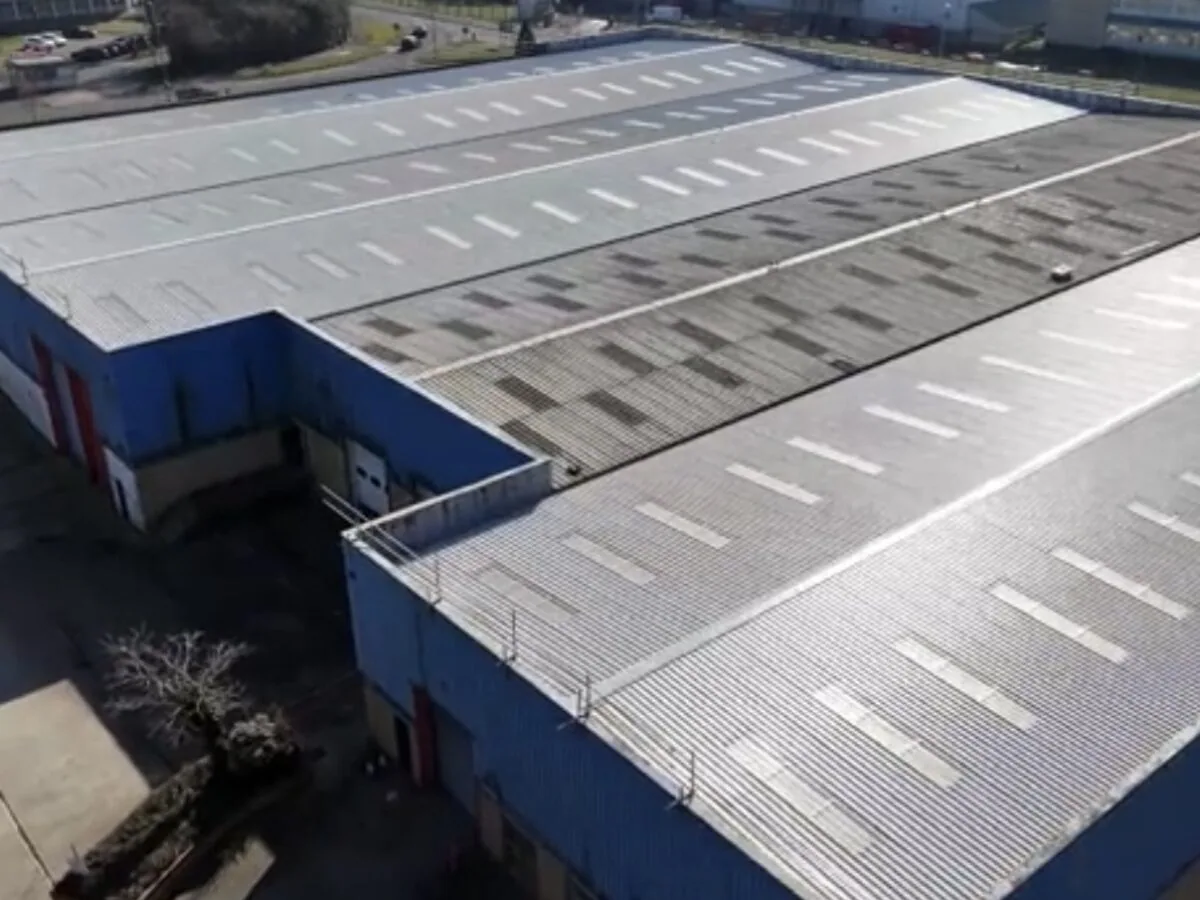
Tracing and stopping active commercial roof leaks in Queens, NY, using moisture mapping, water testing and targeted repair, explained in plain steps.
Ready to Talk About Woodside?
Tell us about the building and what you are seeing. We will schedule a roof walk and send photos and a written scope.