
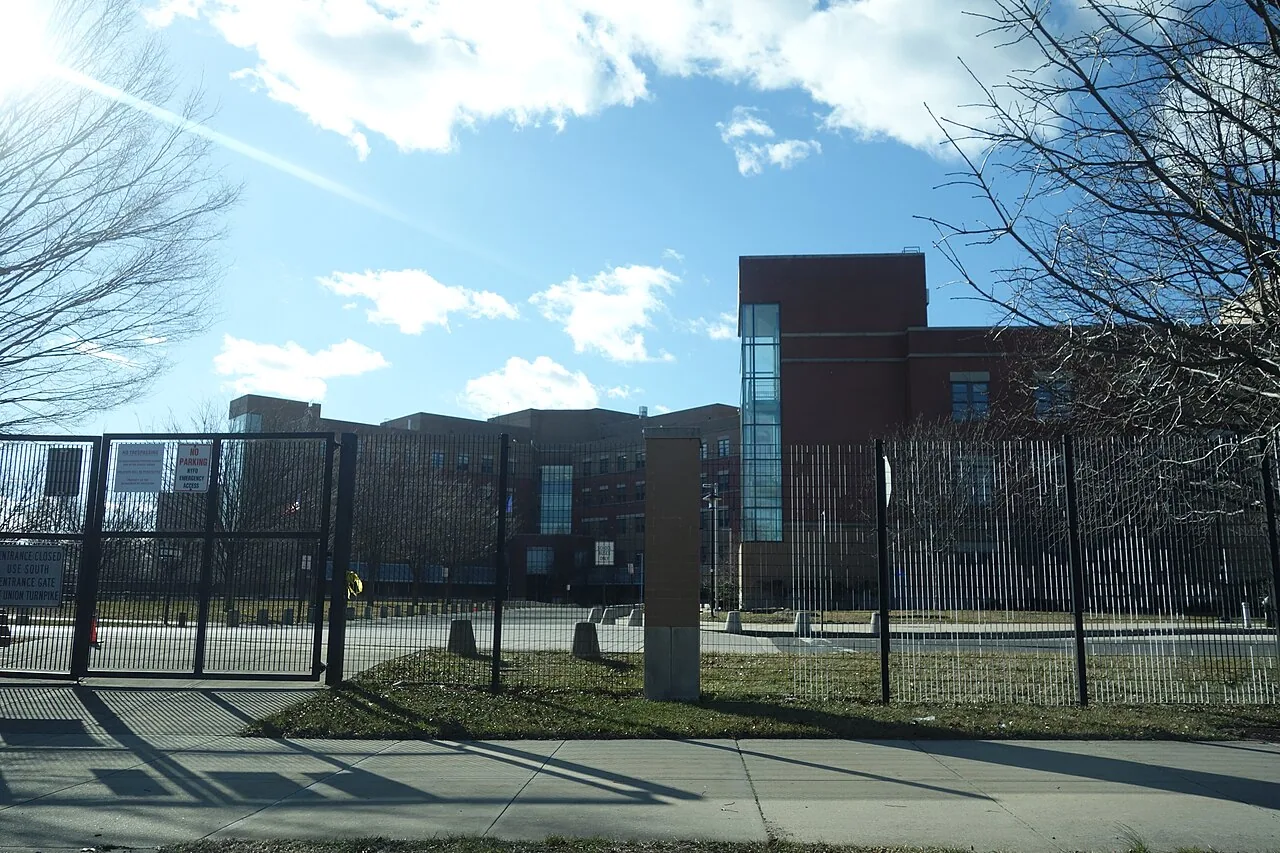
A custodian arrives on a Monday after a storm to a stained tile in a top-floor classroom, and the question that follows is how many classrooms share the stain, because the answer separates a repair from a budget request. A district with many buildings has many roofs, and the calendar is the toughest constraint: the buildings stand empty for only a few weeks in summer, and almost everything must happen in that window. School districts in Queens, NY get commercial roof repair and replacement that begins at the stain and runs back toward the roof one step at a time.
Begin with me at the classroom ceiling and go up.
What does the custodian see, and what should be recorded?
A stain, a swollen tile, peeling paint at an exterior wall, a puddle in a stairwell, a bucket in the gym. Each points to a different place on the roof. A stain at an exterior wall suggests the parapet or its flashing. A stain in the middle of a large room suggests a drain or the field. A wet stairwell suggests the bulkhead roof.
The custodian's list is the best free survey a district owns. We ask for the room, the date, the weather and a photograph for each stain, collected over a school year. Matched to roof plans, those lists show which buildings leak after every storm and which have stains that have not changed in years. That sorting decides which roofs get funded first.
Stairwells and top floors tell the story first. Water that enters at a bulkhead roof runs down the stair wall, and water that enters at the parapet shows at the exterior wall of the top-floor rooms. A custodian who photographs the stain and the weather together gives us more than a long report would.
What is happening on a school roof?
A school building has several roofs under one name: the main flat roof, the gym and auditorium with a longer span, the cafeteria with kitchen exhaust, a stair bulkhead and sometimes a newer addition with a tie-in to the older wall. Every area carries its own age and its own weakness.
First come the drains and strainers: a few outlets carry the water off a large flat roof, and once a strainer blocks, water stands against the seams. The parapet and its flashing follow, then the tie-ins where an addition meets the older roof. The gym and the cafeteria get a separate look, because a leak there lands on a basketball floor or in a kitchen, and the same attention applies to any school roof.
Rooftop equipment is the other source. Kitchen exhaust, boiler stacks, air handlers and antennas sit on curbs, and a curb with a split sealant line leaks slowly for years. We number every penetration on the plan and check each base flashing and cap. Where a unit has been replaced, we confirm the curb was rebuilt to suit.
Skylights over a stair or a gym are a repeat problem. The glass is rarely the failure. The curb and its flashing are. We hose-test from the low side up to find which joint takes water, then rebuild the flashing in a continuous run.
How does a district fit roof work into the summer window?
The step that makes or breaks a summer roof job is lead time. A survey in the fall or winter gives the district time to write a specification, bid it, order materials and schedule crews before the school year ends. A survey in May leaves a repair, not a replacement. We aim to give districts a rating and a priced option list by late winter.
Inside the window, the plan is tight: sections of roof opened and dried in each day, noisy stages scheduled to avoid summer programs, staging areas marked away from playgrounds and bus loops. Weather delays are counted in the schedule. A district with many buildings can sequence them over several summers with a roof capital plan, putting the wettest roofs first.
Safety shapes the layout. Fences, signs and a spotter keep students and staff away from lifts and hoists, deliveries come outside arrival and dismissal, and the crew uses its own route to the roof. Hot work is controlled and a fire watch follows it. The district gets a written plan before the first day.
What does a district need on file?
A district answers to boards, auditors and often state or city agencies, and one file can serve them: ratings by roof area, photographs tied to a numbered plan, a list of drains and penetrations, and priced options that state their assumptions. The record of past repairs belongs in it too, so the board can tell whether a spot has been patched before.
Roof assemblies and rooftop structures are the subject of Chapter 15 of the Building Code, so a scope can name the assembly it expects, with the Department of Buildings' 2022 NYC Construction Codes behind it. Districts that also manage college or training space can use the same file for college and university roofing, and Queensborough Community College occupies 37 acres in Bayside while St. John's University's main campus lies in Hillcrest.
Warranty paperwork belongs in the same file. A membrane warranty stays useful only if later work, such as a new rooftop unit or a solar array, follows its conditions, so every trade that touches the roof is recorded with the date.
What do Queens storms and heat do to school roofs?
The city's first flash flood emergency, declared on September 1, 2021 for Ida's remnants, was followed by the heaviest loss of life in Queens. On a flat school roof the drain that handles ordinary rain can choke in a cloudburst, and the water climbs the parapet. Snowfall comes to about 29.8 inches in an average year, 27.3 inches of it on January 23, 2016, and freezing and thawing open weak seams.
Near 85 degrees is the average July afternoon at Central Park, and the heat island is strong. Summer programs run in classrooms heated by dark roofs, and a reflective surface may help if the roof beneath is dry and sound. Strainers and flashings are checked in spring, before summer work begins.
Each check is dated and photographed.
What is the next step for a district?
We begin with a walk through a few representative buildings and a written rating that serves as the template for the rest. Districts around Bayside, Fresh Meadows or Ridgewood can start there. The same record serves public agencies and health systems that also manage many buildings.
Questions Owners Ask
What building owners and managers usually ask before a roof visit.
In the fall or winter before the summer in question. That leaves time to write a specification, bid, order materials and schedule crews. A May survey usually leaves only repairs for that summer.
Yes, with planning. We keep staging away from playgrounds and bus loops, schedule noisy stages away from program hours and dry in each section by day's end.
By rating. Wet insulation and active leaks go first, then roofs over gyms and auditoriums, then the rest. The custodians' stain lists confirm the order.
A gym has a longer span and a floor that is expensive to damage. A leak lands on a basketball court. The roof over it gets its own rating and a more conservative set of details.
Send the custodian's stain list or photos of the worst stains and drains, with the building addresses. From those we can lay out, in order, what each roof is doing.
Related Roofing Work
Other pages that connect to School Districts.
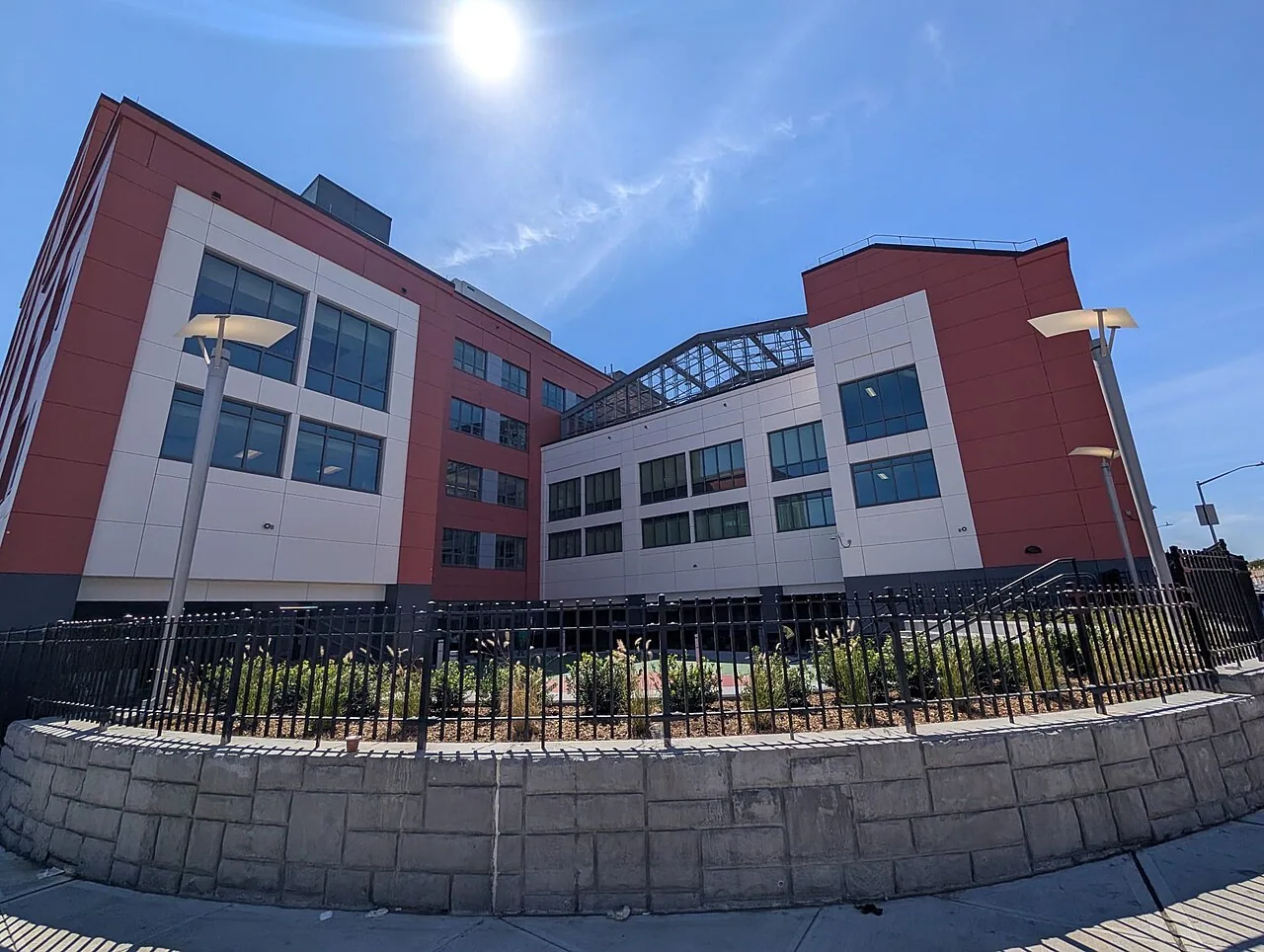
School Roofing
Roof repair and replacement for Queens, NY K-12 schools, with summer scheduling, gym and cafeteria spans, parapets and drains explained in plain steps.
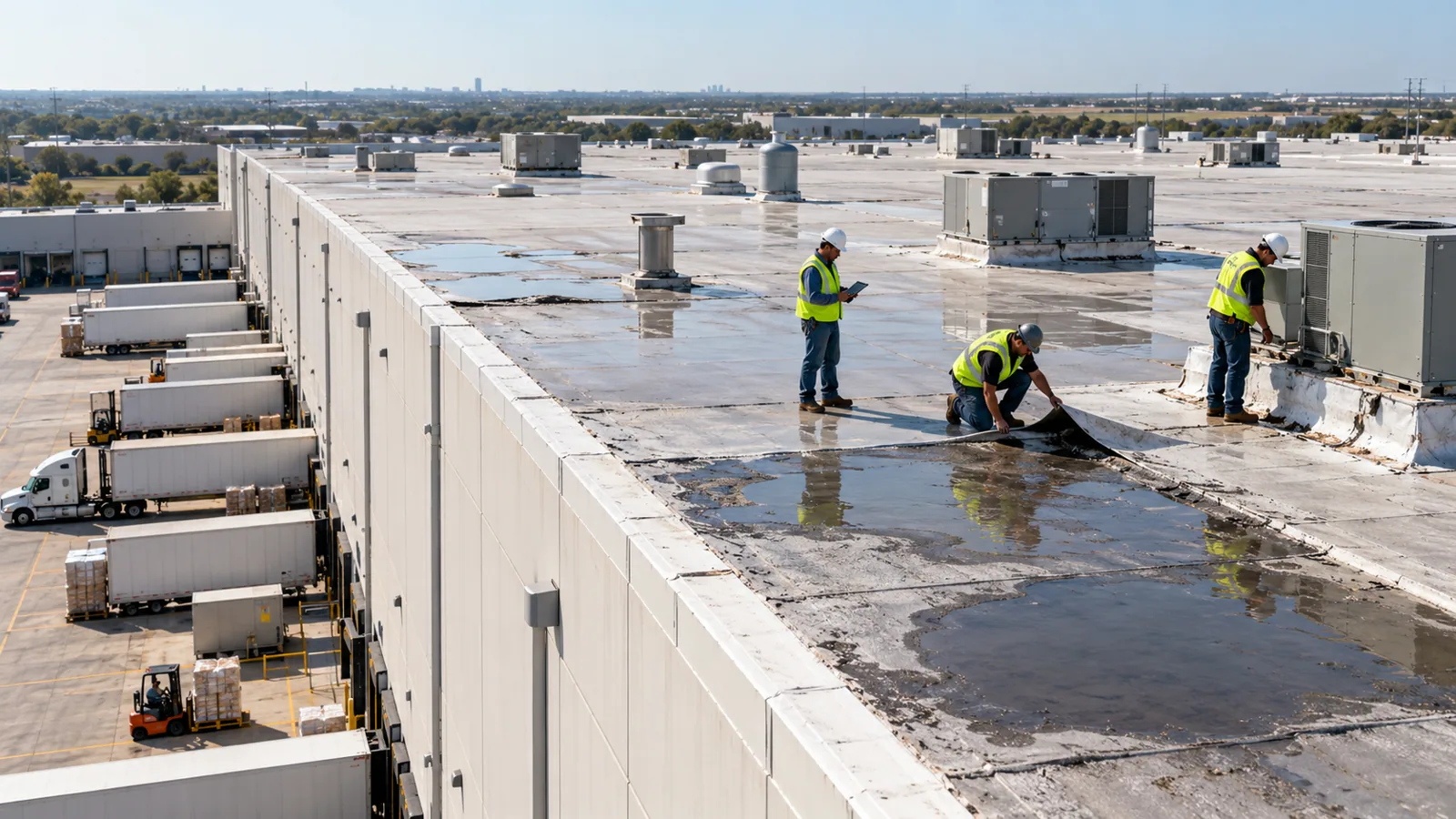
Roof Capital Planning
Roof capital planning in Queens, NY: budgets and replacement timing built from moisture data, condition ratings and building plans, so roof work is scheduled.
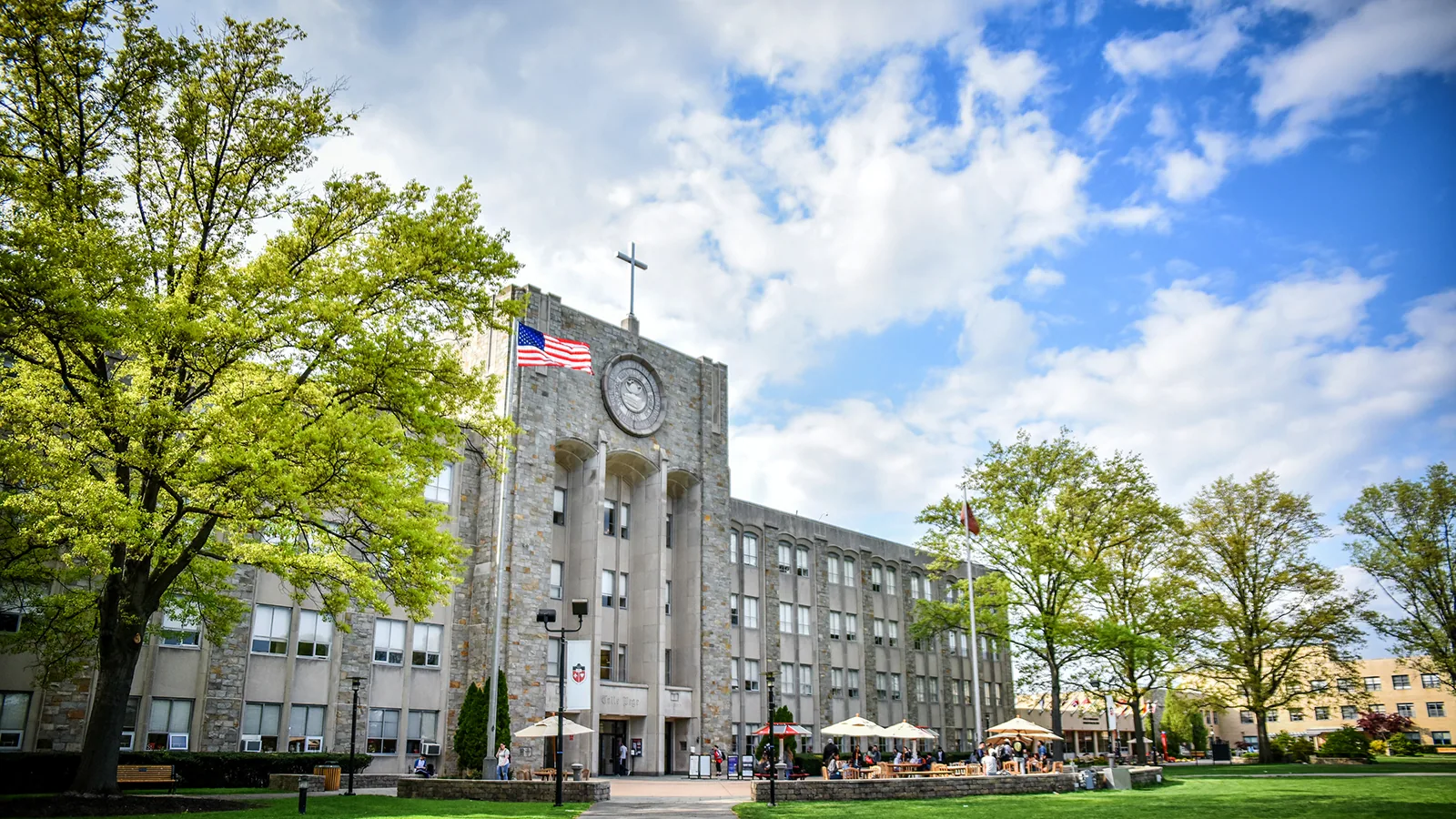
College and University Roofing
Roof repair and replacement for Queens, NY colleges and universities: lecture halls, labs and aviation buildings, phased around the academic calendar.
Ready to Talk About School Districts?
Tell us about the building and what you are seeing. We will schedule a roof walk and send photos and a written scope.