
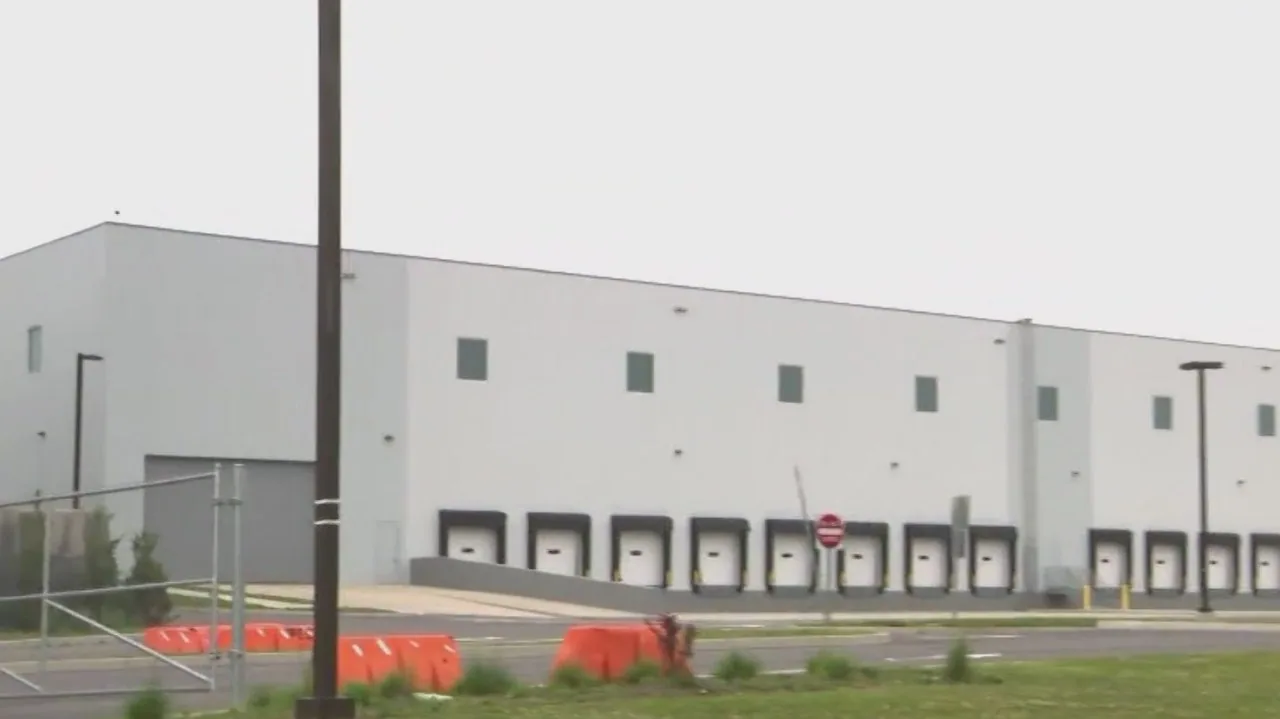
Standing water around a chiller pad is the failure a data center operator notices first, and it is the one that deserves the quickest answer. The pad is heavy, the pipes beside it carry cooling water and the cable trays crossing the deck lead straight to the room below. In Queens, NY, where cloudbursts can drop more rain in an hour than a drain was sized for, we trace the water back step by step: the drain, the seam, the flashing at each support, then the path any leak would take through the deck into the white space.
What does the owner see, and what is the roof carrying?
A data center roof is a working platform. Chillers, dry coolers, generators, exhaust fans and cable trays sit on dunnage or on frames bolted through the membrane. Each support is a point load on the insulation and a penetration through the waterproofing. Service crews walk set routes between units, and the same footpaths wear first.
The signs of trouble are small and specific: a cracked sealant bead at a pipe support, a depression in the insulation under a dunnage beam, a seam lifting along a walk path, or a ring of rust at a bolt. None of these leaks today. Each of them is the place a leak will start.
What is happening up there?
Weight is the first factor. Dunnage that rests on bare insulation compresses it over years, and the compressed area forms a low spot that holds water. The second factor is movement: pipes expand and contract with the temperature of the fluid inside, and a rigid flashing around a moving pipe cracks. The third is traffic. A membrane that takes constant foot traffic without walkway pads wears thin along the route.
We address each cause directly. Heavy supports get a bearing plate or a raised frame that spreads the load. Pipe supports get flexible flashing. High-traffic routes get walkway pads. The aim is a roof where nothing rests on the waterproofing itself.
How do we confirm the roof is dry?
For a data center, a dry roof is not a guess. We combine a walk, an infrared moisture survey and cores at the supports, and we record each finding with a photograph and a position on the plan. The scan shows wet insulation by its temperature, and the cores show the layers and the condition of the deck. We also check the drains, the overflow outlets and the leaders, because a roof that drains well has no standing water to find a path.
Many operators ask for a baseline report before any equipment is added, so that later changes can be measured against a known condition.
Where the report finds a defect, it names the fix, the access it needs and whether the work can be done in a standard window or needs a planned shutdown of the nearby equipment. That detail is what lets the operator schedule the work without surprises.
What does Queens add to the risk?
Power and water are the two local conditions that matter most. In Astoria, the Ravenswood Generating Station is rated at about 2,500 megawatts, near a fifth of the city's electricity demand. Maspeth stood in six feet of water after Hurricane Sandy in 2012, and in 2021 Ida's remnants triggered the first flash flood emergency the city had ever issued, Queens suffering most of the deaths. A facility that has to keep running through weather like that wants every roof drain working under pressure. In Long Island City, converted factories stand beside newer mixed-use buildings, so a site there may share a wall with a roof of a different age, and that wall deserves attention.
What are the repair and replacement options?
Small defects are repaired in place: reseal pipe supports, replace worn walkway pads, refill failed seams and rebuild flashings. If a section of insulation is wet, we cut it out and replace it before the membrane goes back over it. A recover may suit a dry roof with a sound deck, and a full replacement is the choice when moisture is widespread or the supports need to be rebuilt.
Replacement over a live data center takes planning. We coordinate every opening with the facility team, dry in each section the same day and avoid any penetration of the deck that has not been cleared with the operator.
What about redundancy on the roof?
A data center plans for failure, and the roof should too. Secondary drains and overflow scuppers give water a second path if the primary drain clogs. Edge metal and sump pans catch leaks from mechanical lines. Leak detection under critical penetrations sends an alert before water reaches the racks. We install and maintain the roof side of these systems, and we coordinate with the building engineers on the interior side. A maintenance program with dated visits keeps the roof in the condition the plan assumes.
The logic is familiar from hospital roofs, where certain rooms below cannot be allowed to get wet, and from office buildings that host server rooms on upper floors. In each case the roof is planned from the room outward, and the room decides how much redundancy the roof needs.
What is the next step?
The street, the roof age and photographs of the worst drain and the equipment beside it are enough to begin. We walk the roof with the facility team, describe step by step what it is doing and give you a ranked repair list before any price. Sites in Long Island City and Astoria are scheduled around change-control windows.
Questions Owners Ask
What building owners and managers usually ask before a roof visit.
It can, under controls. Small sections are opened, each is closed in before the day ends, and deck penetrations are kept to a minimum. The facility team clears every opening in advance, and the loudest or most intrusive tasks fall inside the operator's change-control window. Temporary covers over cable trays and openings stay until the permanent work is done.
On dunnage or frames that spread the weight onto bearing plates, with nothing resting on the membrane itself. Each support has a flashing sized for its movement, and pipe supports use flexible boots. Walk paths are marked and padded. When new equipment is planned, a short roof review ahead of the crane lift saves a repair later.
The membrane, flashings, drains, overflows and supports are described with photographs and plotted on a plan, along with moisture findings from the scan and cores. Defects are ranked by risk. Later visits are measured against it, and it is useful in any insurance discussion after a storm.
They do. LaGuardia, in Queens, recorded 107 degrees on July 3, 1966, and with the heat island a data center roof bakes in summer. Heat can stiffen some membranes, soften sealants and raise the load on the cooling plant, and a reflective surface helps. Sealants and seams get checked before summer, so the roof is at its best when the cooling plant works hardest.
We do, alongside the facility team. Chillers and generators are isolated only with the operator's approval, and a roofer stands by whenever a unit is lifted or a line is opened. A written sequence names a contact for each trade, so nobody moves equipment onto a roof that has been left open.
Related Roofing Work
Other pages that connect to Data Center Roofing.
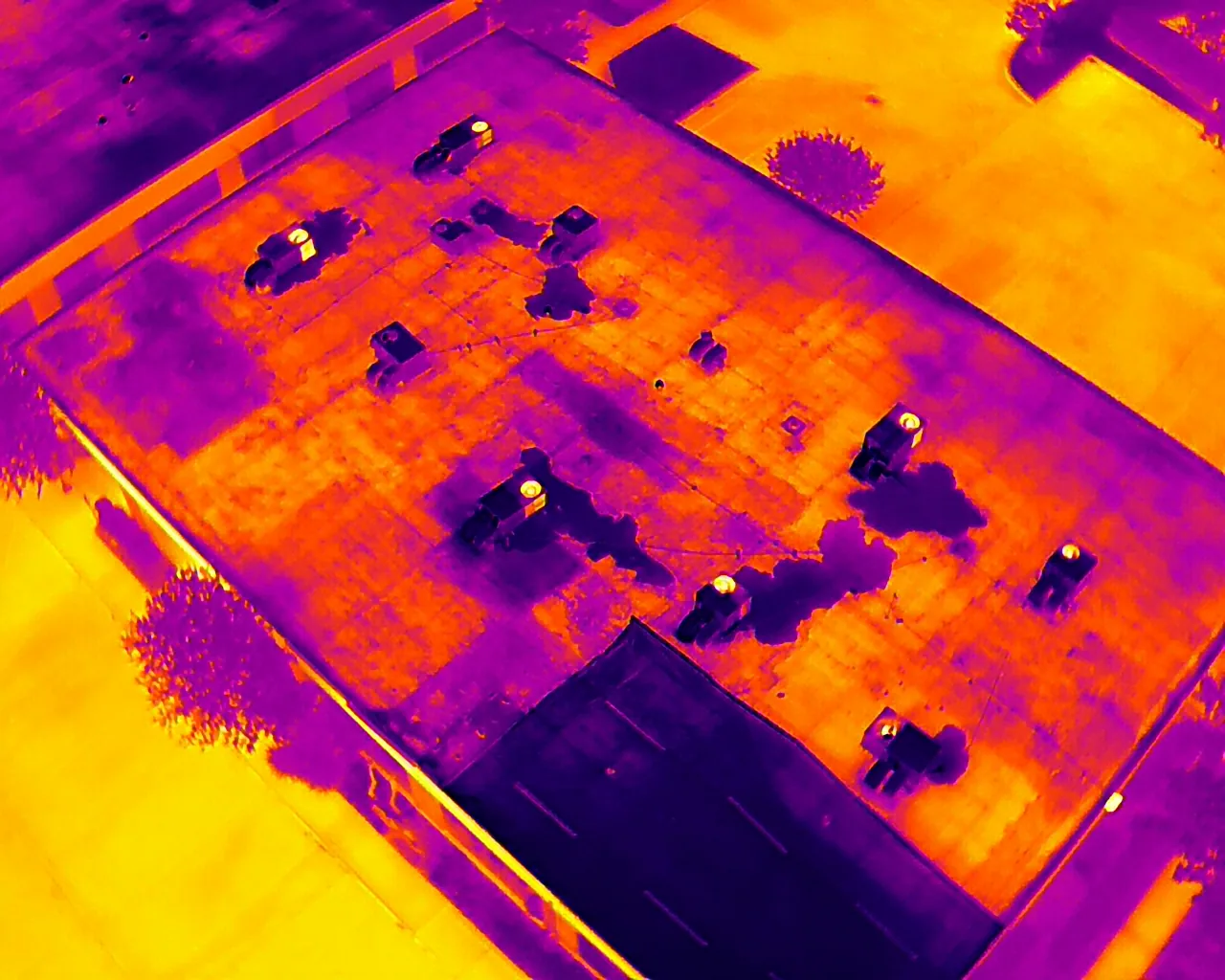
Infrared Roof Moisture Surveys
Infrared scans and core-cut moisture surveys for Queens, NY commercial roofs that locate wet insulation before the owner commits to repair or replacement.
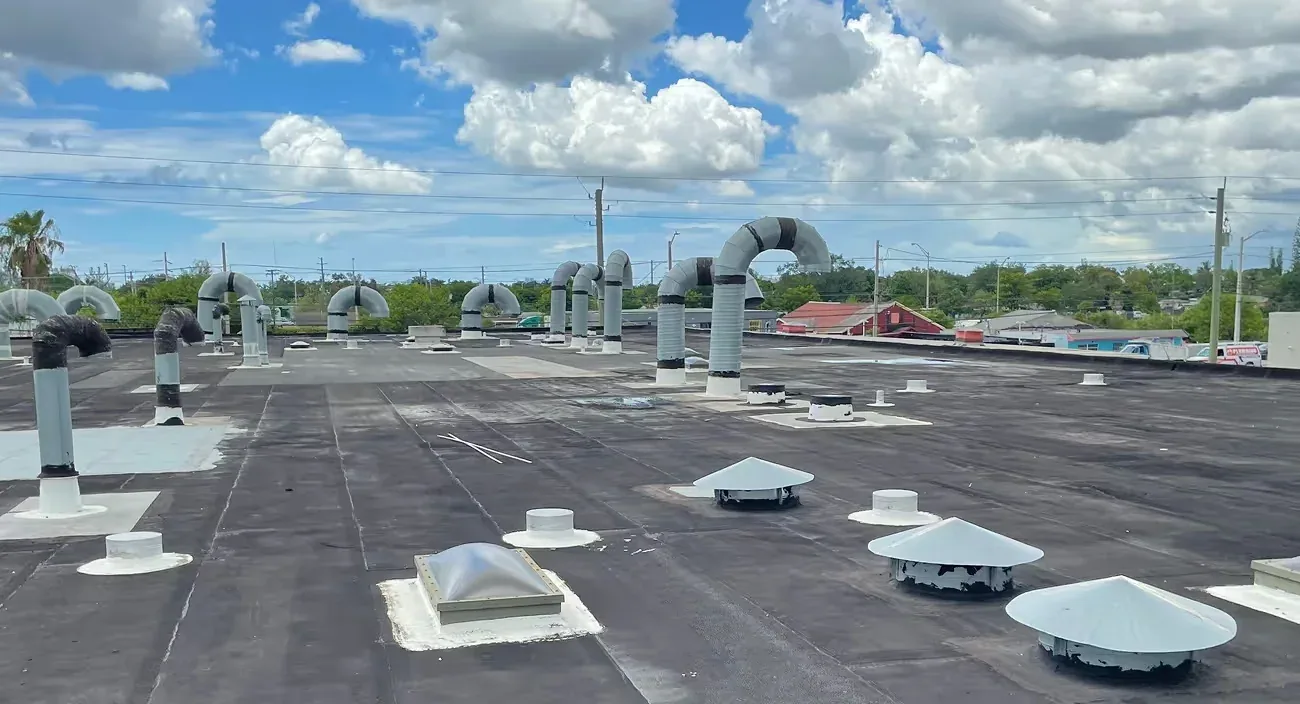
Roof Recover and Overlay Systems
Recover a sound Queens, NY commercial roof without a full tear-off. We test for trapped moisture first and explain when an overlay makes sense.
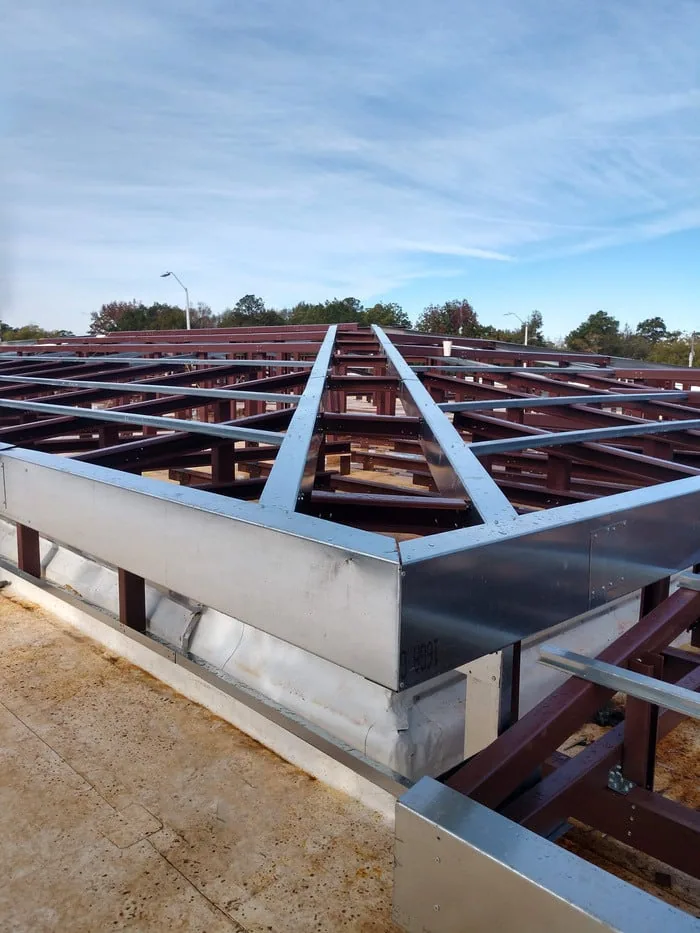
Commercial Roof Replacement
Full tear-off and replacement of low-slope commercial roofs in Queens, NY, with drainage, flashing and insulation decisions explained step by step.
Ready to Talk About Data Center Roofing?
Tell us about the building and what you are seeing. We will schedule a roof walk and send photos and a written scope.