
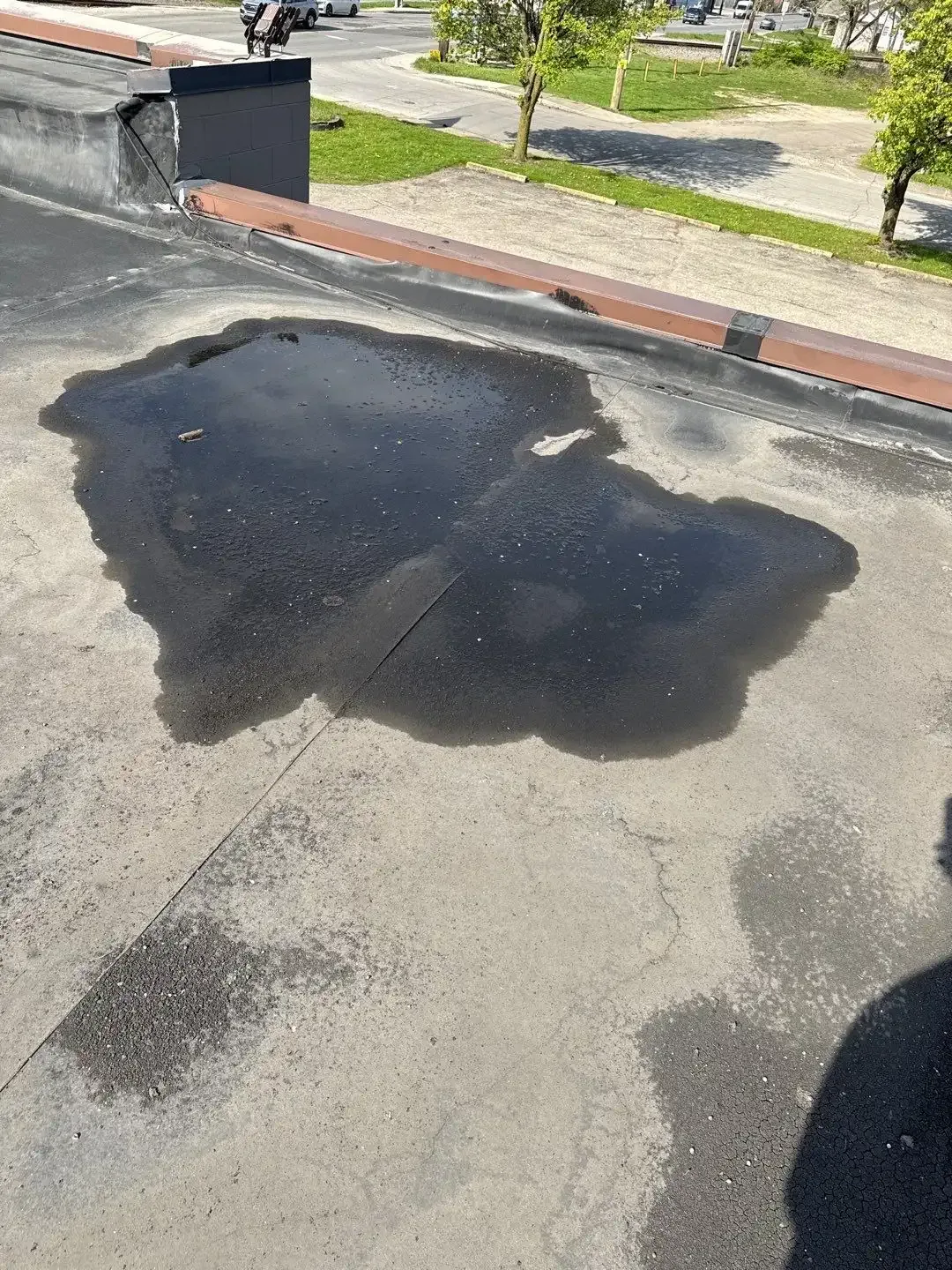
The first question an adjuster asks about a roof is not how much it will cost to fix. It is when the water got in and what the roof looked like before. After a cloudburst, the strongest paperwork is often not a repair estimate at all but a photograph taken before the storm, a record of the last drain cleaning and a moisture scan taken soon after.
We are the roofer, not the insurer and not the adjuster. Our part is to document what the roof is showing, to explain it in plain steps, and to write a repair scope that a carrier can read line by line. We do not decide coverage, and we do not promise an outcome. What we can do is make sure the roof's side of the story is complete and clear, for properties across Queens, NY from older masonry blocks to broad industrial roofs.
Timing matters in a more practical sense too. Most policies set a window for reporting and for completing repairs, and the dates on photographs and receipts let an owner show that the window was respected. We date-stamp every image and keep the originals unaltered.
What does the insurer look for on the roof?
A carrier wants to separate sudden damage from gradual wear. Sudden damage has a date and a mark: a torn section after a windstorm, a punctured membrane under a fallen limb, a flooded area after a cloudburst. Gradual wear has no date: aging seams, dried sealant, worn surfaces. Many claims include both, and the repair scope has to say which part is.
That is why we record the details a carrier relies on. We photograph the damage in place, with a scale reference and wide shots that show where it sits on the roof. We note the direction of any wind marks, the line of any water staining and the condition of the surrounding membrane. If wet insulation is suspected, we map it with an infrared moisture survey and confirm with cores, so the extent of wetting is measured rather than guessed.
What should I do in the first two days?
Stop the water, photograph everything and keep what you remove. Policies commonly expect an owner to protect the property from further damage, so temporary protection belongs before the adjuster arrives rather than after. Write down the date and time you noticed the problem, which rooms are affected and what the weather was doing. Keep receipts for any emergency work, and keep samples of damaged material when it is safe to do so.
If the roof is leaking now, our emergency roof repair crew can dry it in and document the condition at the same time, so that temporary work and evidence are done in one visit. Do not let the roof be torn off or fully repaired before the carrier has had a chance to see it, unless there is a safety reason. We will tell you when waiting is no longer safe.
Which Queens storms produce claims?
Wind, rain, flooding and snow all do, and they are treated differently. Hurricane Ida's remnants prompted the first flash flood emergency in the city's history on September 1, 2021, and most of the deaths were in Queens. Hurricane Sandy sent six feet of water into Maspeth in October 2012, with the whole Rockaway peninsula under a mandatory evacuation order. In January 2016, 27.3 inches of snow fell in one day. Each event leaves a different mark on a roof, and a different question for the policy.
We do not interpret coverage. Policies treat wind-driven rain, surface flooding and wear in their own words, and the carrier or the owner's broker is the one to read them. What we supply is the physical record: where the water came in, what failed first and how the damage is distributed. When the loss started with a storm, the physical repair follows the same findings as any storm damage roof repair.
What does our documentation package contain?
The package is a written roof condition report with dated photographs, a roof plan marked with the location of each finding, and a scope of repair broken into line items with materials and labor shown separately. Where drone imagery helps, such as on a broad low-slope roof with limited access, we add it through drone roof inspection. Where a moisture map matters, it is included. A cost range accompanies each item, with the drivers named: area, access, number of penetrations, amount of wet insulation and the work needed to match existing materials.
If the carrier's adjuster visits, we can meet on the roof to walk the findings, answer questions about methods and materials, and note any points of difference between their scope and ours. When there is a gap, we explain the physical reason for each line in the repair scope, so that the owner or a public adjuster can respond with facts.
The same package serves different readers. A carrier wants the physical record. A lender or a landlord wants to know the building is protected. A public adjuster or insurance restoration contractor wants the scope in a form they can price against. We write one report that works for all of them, with the findings first and the opinion clearly separated from the measurements.
What happens after the claim is paid?
The work is carried out to the agreed scope, with changes recorded if hidden damage turns up. Opening a roof often reveals wet insulation or a damaged deck that no scan could show, and a supplement to the claim may be needed. We photograph the discovered condition before it is covered and write the change as a separate line, which is the form insurers usually need.
At the close we deliver a final report with the corrected details, and we recommend a maintenance program to keep the repaired roof on a calendar. A roof that has been through a claim is a roof with a paper trail, and the trail helps the next time.
Questions Owners Ask
What building owners and managers usually ask before a roof visit.
Yes. We walk the roof independently, compare what we find with the adjuster's scope and note differences by line item. The owner or a representative can then raise those points with the carrier, using photographs and measurements rather than opinion.
We look for evidence of a specific event, such as fresh tears, displaced edge metal, wind-lifted laps or water staining that matches a storm date. Where the evidence points to wear, we say so plainly and propose the repair on that basis. Where it points to a storm, the photographs and the pattern of damage make the case.
They help a great deal. Earlier inspection reports, drain cleaning logs, maintenance invoices and dated photographs show what the roof looked like before the loss. If none exist, a thorough post-storm report with cores and mapped moisture is the next best record.
Yes, and you should, to stop further damage. Take photographs first, keep the receipts and save removed pieces. Avoid permanent repairs until the carrier has seen the roof or has agreed that you can proceed.
Send photos of the stain, the drain area and any damaged edge, along with the date you first noticed the problem. We will read the roof back to you step by step before cost enters the conversation.
Related Roofing Work
Other pages that connect to Roof Insurance Claim Assistance.
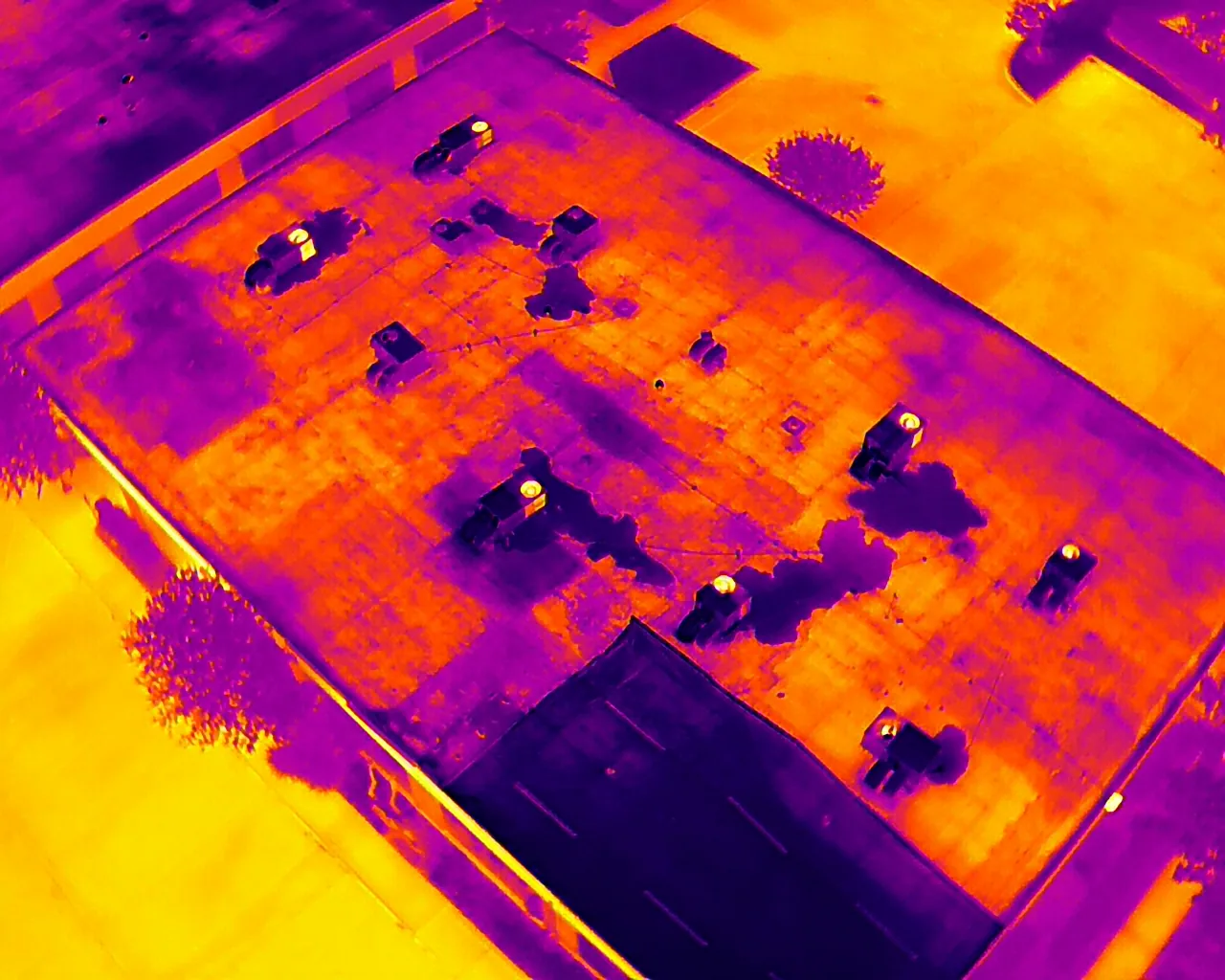
Infrared Roof Moisture Surveys
Infrared scans and core-cut moisture surveys for Queens, NY commercial roofs that locate wet insulation before the owner commits to repair or replacement.
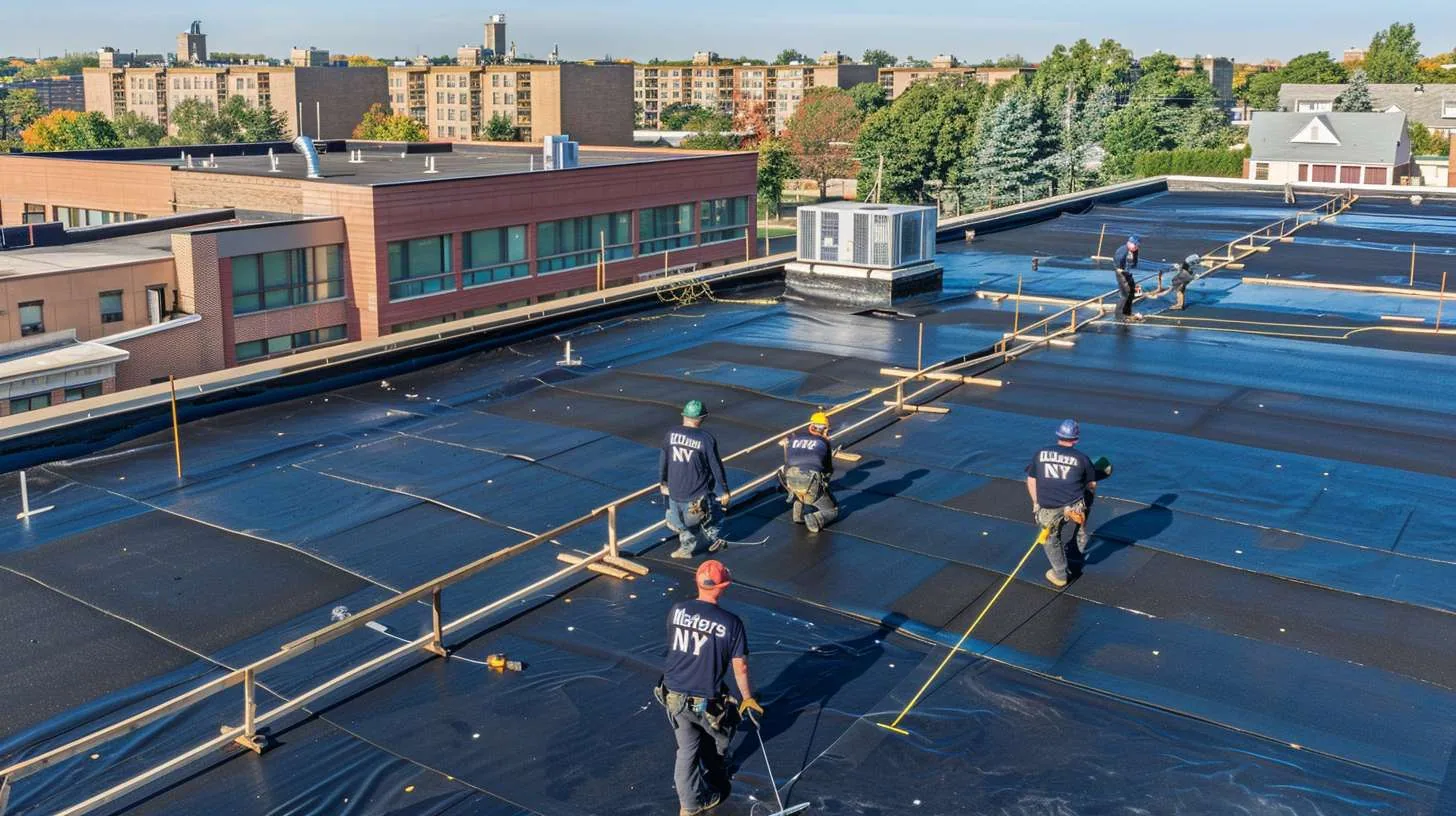
Emergency Roof Repair
Around-the-clock emergency roof response in Queens, NY: dry-in, tarping and temporary repair, with each step explained in plain terms.
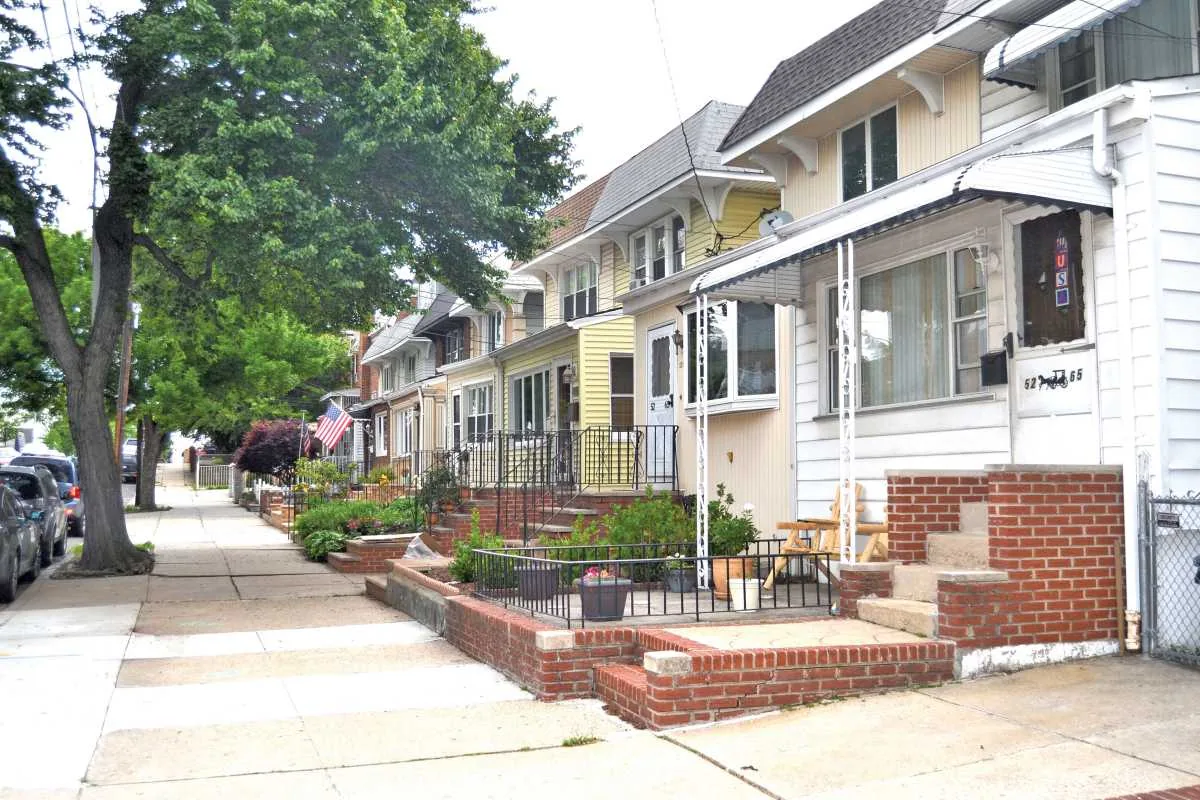
Maspeth
Commercial roof repair, recover and replacement in Maspeth, Queens, NY, for industrial lowland buildings, warehouses and Grand Avenue businesses.
Ready to Talk About Roof Insurance Claim Assistance?
Tell us about the building and what you are seeing. We will schedule a roof walk and send photos and a written scope.