
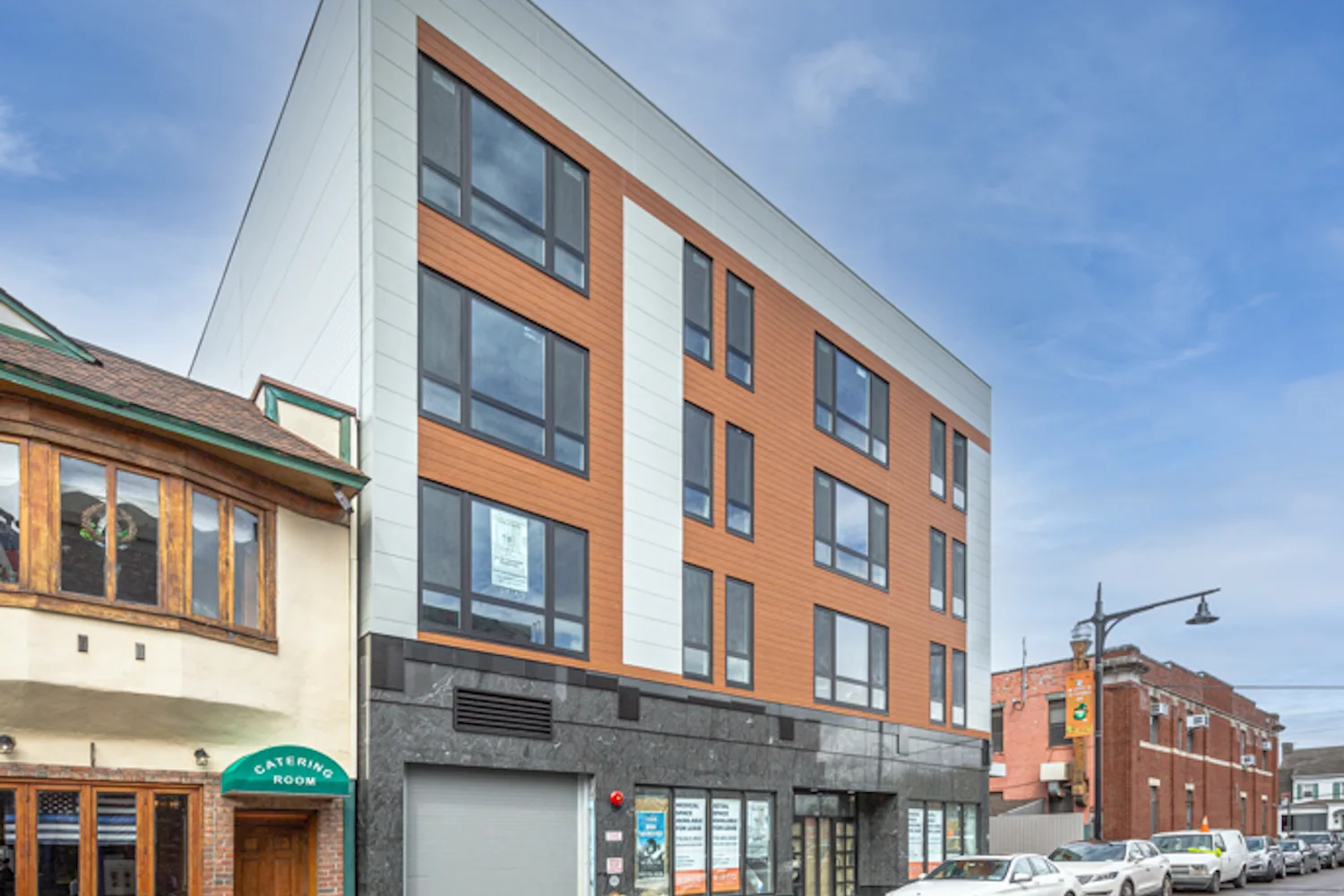
Along Bell Boulevard and Northern Boulevard in Bayside, Queens, NY, a ceiling stain in a back stockroom is how most commercial owners learn their roof has a problem. The shop is open, the stain is new and the roof is out of sight. The first thing to check is the drain, then the seams, then the flashing at the back wall, because on a storefront building those three places account for most of the leaks. We trace the water back from the stain one step at a time and explain what we find before any price is discussed.
Bayside also has larger roofs, over shopping centers and institutional buildings, and the same order of checks applies to them.
What commercial and institutional roofs sit around Bayside?
Bell Boulevard and Northern Boulevard cross Bayside, with Francis Lewis Boulevard a major street along its western edge. Queensborough Community College, established in 1959, occupies a 37-acre site here. Fort Totten in Bay Terrace houses the FDNY EMS Training Academy, the Bay Terrace shopping center stands near the Bayside Gables community, and the nearest major hospital is Long Island Jewish Medical Center in Glen Oaks.
Those facts describe a mix: storefronts on the boulevards, a college, training facilities and a shopping center. Each has a different roof and a different schedule, and we rate each on its own terms.
Any medical office in the area is judged by what happens below its roof, since a drip over an exam room closes the room.
What goes wrong on a boulevard storefront roof?
Storefront roofs are small and crowded: a drain or two, a scupper through the parapet, an exhaust fan, an air conditioner on a stand and a sign mount. On a one-drain roof a blocked strainer floods the surface within an hour of heavy rain, a cracked vent boot sends water down the pipe into the ceiling, and a wall shared with the next building lets water cross between roofs.
In a row of shops, a leak that starts at one end can appear at the other. We walk the whole row if the owners agree, and write findings for each.
Parapets matter on older boulevard buildings. A coping joint that has opened lets rain run down inside the wall, and the stain shows weeks later at a window head far from the roof edge. We check the coping and the wall flashing before touching the field.
How do we handle institutional and training buildings?
A college campus or training site brings several buildings, several roofs and a calendar, and work belongs in the summer or the break between terms. Fort Totten is mostly a city-owned park. The Army Reserve's 77th Sustainment Brigade and 533rd Brigade Support Battalion use part of it, and the NYPD and FDNY train on other portions. Work on a site like that follows the owner's access rules on badging, escorts and operations, and those rules are written into the schedule.
Where a site has buildings that are not in daily use, roofs still need an annual look. A roof nobody walks fails quietly, and an unattended leak can ruin a building before anyone notices.
What does a shopping center roof need?
In a center with several tenants, responsibility is divided across the membrane itself: rooftop units belong to different owners, the landlord holds the roof and leaks cross tenant lines. A roof plan marked by tenant space helps everyone agree on who fixes what, and the findings are written so they can be shared. Loud work waits for the hours before opening or after closing, entrances and fire lanes stay clear and materials are staged at the back.
On a wide roof like the one over a shopping center, a drone pass maps ponding and stained seams in minutes, and the zone map that results lets the manager phase the work across budget years without losing track of the whole.
How do we confirm the cause?
The order is the same on a boulevard storefront and on a campus: drain, seams, walls. Each drain is tested, the seams probed, and every curb and the back wall examined. An infrared moisture survey locates wet insulation, and cores confirm what it shows. A written inspection report gives the owner a work order and a dated record.
If nobody knows the roof's history, cores show how many layers are up there and what each is made.
What are the choices, and what does the weather add?
A handful of failed details calls for a leak repair, a worn but dry roof can take a coating or a recover, and wet insulation means replacement. Snow comes to close to 30 inches in an average year and the heat island is strong in summer. A drain cleared before a storm does more good than one cleared after, and September 1, 2021 showed it: Hurricane Ida's remnants brought the city its first flash flood emergency, with Queens recording most of the deaths.
Cost depends on the layers to remove, the moisture in the insulation, the street access and the curbs and mounts to rebuild, and each of those items appears on its own line in the proposal.
What is the next step?
To book a walk, send photographs of the stain and the nearest drain, plus the street and the roof age if known. A step-by-step account of what the roof is doing comes before price. Owners with buildings in nearby Flushing or Whitestone can combine visits, and campus managers may find college and university roofing a useful comparison.
The first visit is brief, and the findings come back as a written report with photographs and a ranked repair list.
Questions Owners Ask
What building owners and managers usually ask before a roof visit.
Water travels. Water gets in at a seam, a boot or a wall flashing, travels along the deck and falls through whatever gap it finds, so the stain marks where it landed and not where it entered. We follow it back across the roof and repair the opening, not the stain.
We follow them. That means advance notice, escorts or badging where required, approved delivery windows and no work outside agreed areas. We write the rules into the schedule and name a contact for the owner. Access planning often takes longer than the roof work, so we start early.
With the owners' agreement, yes. The whole roof is surveyed, findings are written for each owner, and a sequence is proposed that protects the shared joints, so a single crew builds the tie-ins to one standard instead of two crews to different ones.
Twice a year, in spring after the thaw and in fall before the leaves, plus a look after a severe storm. On a small roof a visit takes under an hour and leaves the owner with a dated record.
Clear drains, tight seams and secure edges. Meltwater finds every opening, and freeze-thaw widens them. We clear drains before winter and walk seams after the thaw, which catches most of the damage while it is still small.
It still needs a walk. Drains clog and seams open whether or not anyone is inside, and a leak in an empty building does more damage because no one sees it. We recommend a spring and fall visit and a check after storms, with a dated photograph set each time.
Related Roofing Work
Other pages that connect to Bayside.
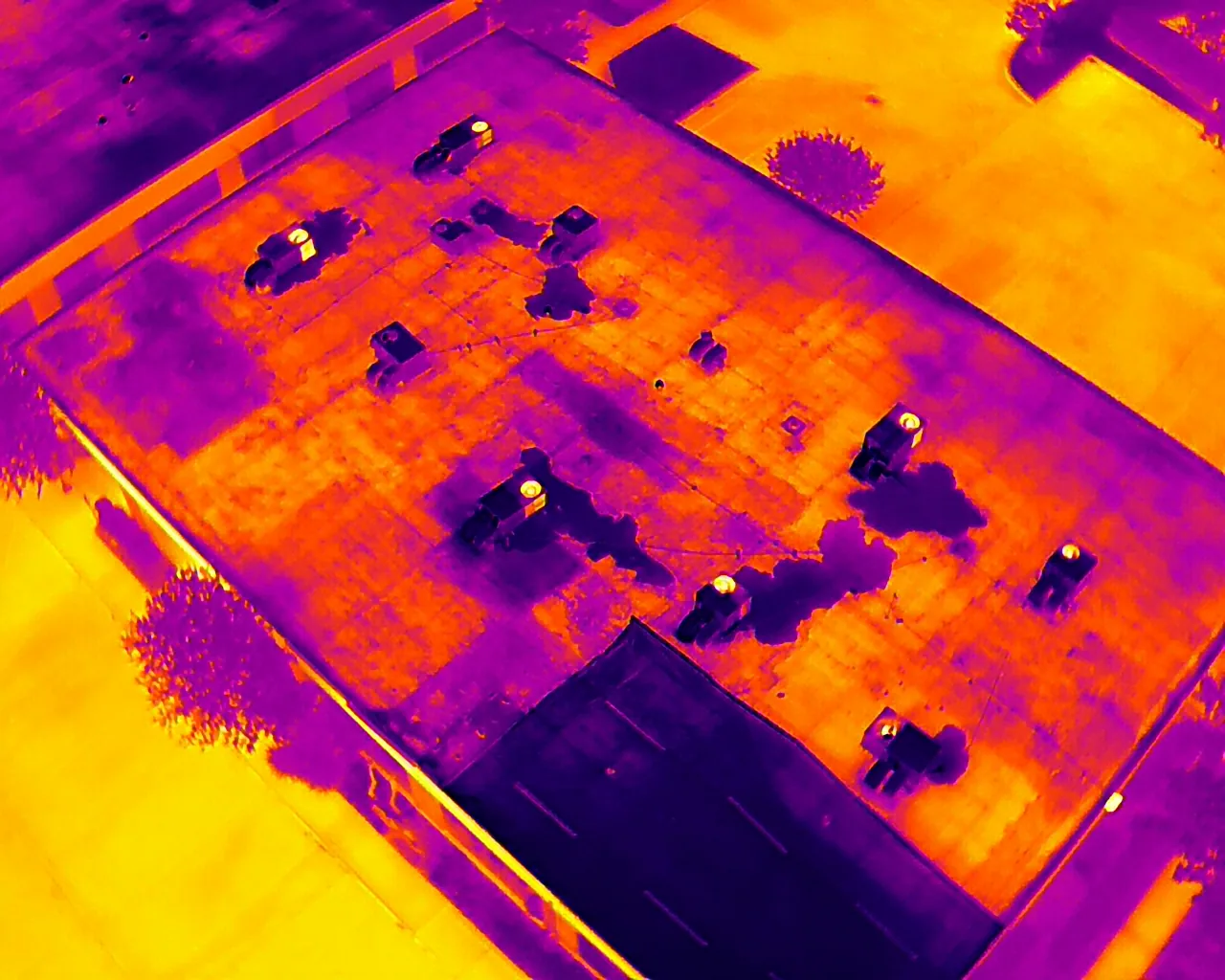
Infrared Roof Moisture Surveys
Infrared scans and core-cut moisture surveys for Queens, NY commercial roofs that locate wet insulation before the owner commits to repair or replacement.

Commercial Roof Inspections
Hands-on commercial roof inspections in Queens, NY, with written findings, photographs and a ranked list of what to fix now and what can wait.
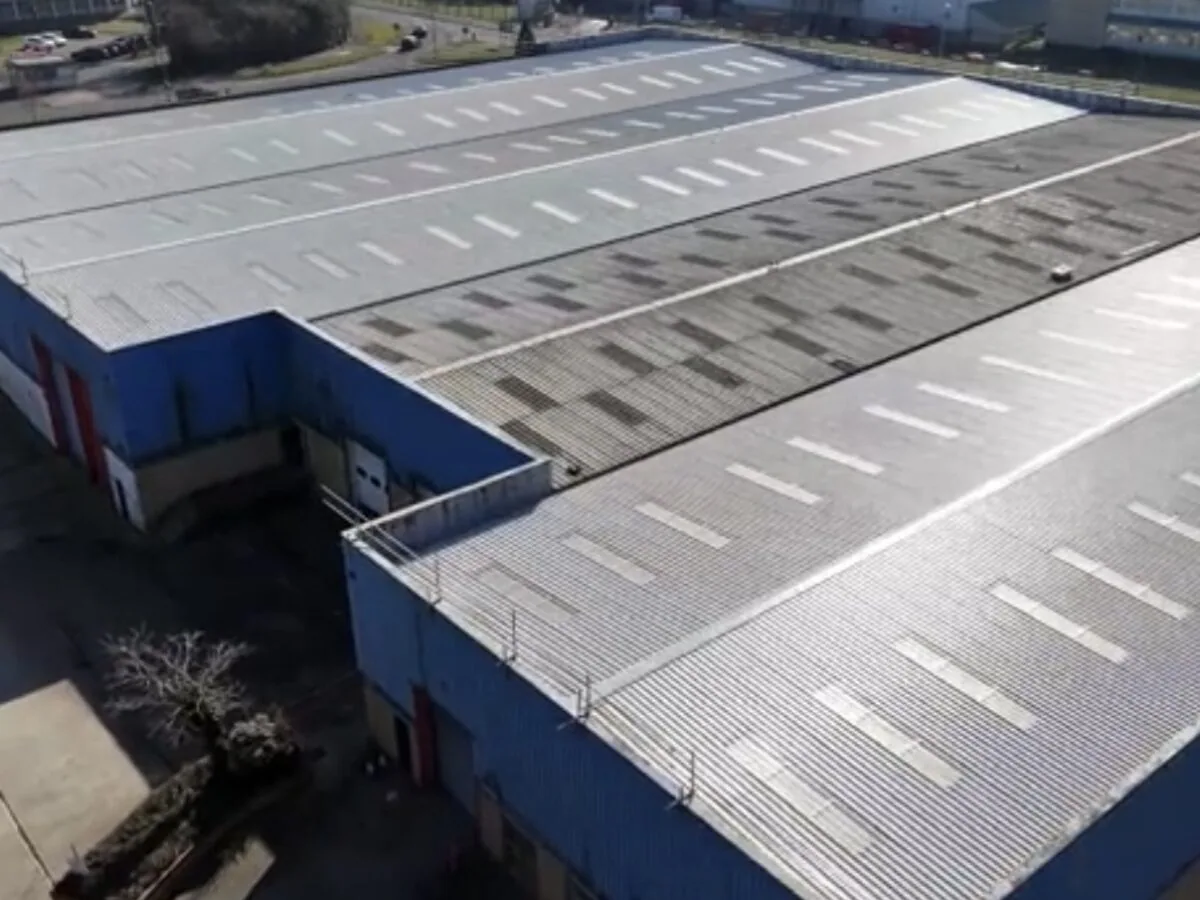
Commercial Roof Leak Repair
Tracing and stopping active commercial roof leaks in Queens, NY, using moisture mapping, water testing and targeted repair, explained in plain steps.
Ready to Talk About Bayside?
Tell us about the building and what you are seeing. We will schedule a roof walk and send photos and a written scope.