
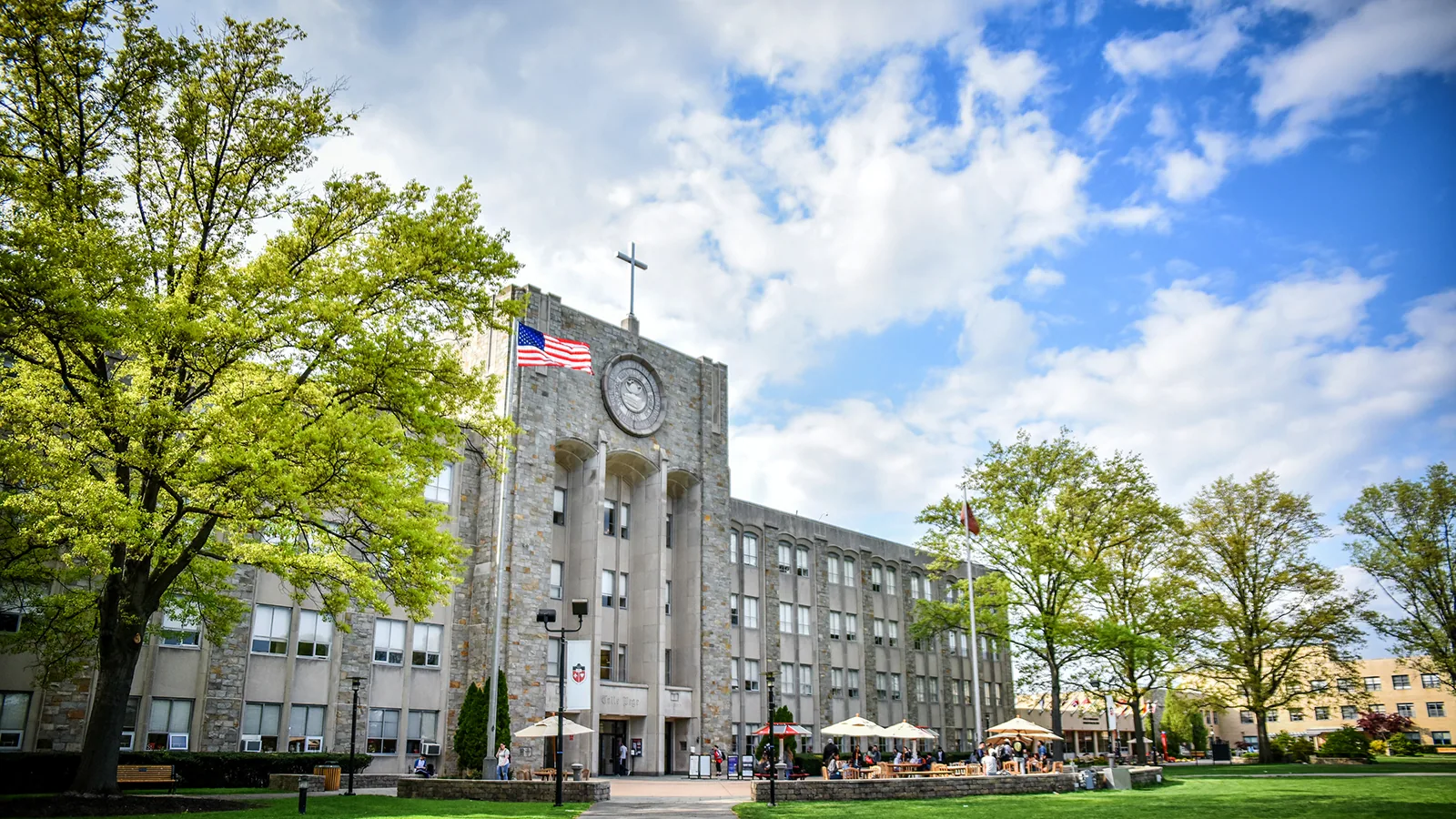
A brown ring that appears on a lecture hall ceiling in the third week of the spring term says something particular to a facilities director: the roof held all winter and began to leak when the thaw opened an old seam. Campus buildings in Queens, NY come from many eras, and a stain like that sends us up to work backward in order: the drain, the seam, the flashing at the wall, and then the long path the water took before it showed below.
What does the facilities director see, and what is the roof doing?
Trouble on a college roof turns up in classrooms, labs and hallways. Stains near exterior walls point to parapets and coping. Stains near a lab wing point to exhaust stacks, curbs and the penetrations around them. Stains below a flat addition point to the tie-in where it meets the original building. Damp odors in a top-floor office point to wet insulation. Each pattern leads to a place on the roof, and we check it in the same order every time, starting with the drain.
Campus roofs collect more foot traffic than most, because maintenance crews service the equipment year-round.
One more clue helps in the first visit. If the stain pattern follows the building's long wall, the cause is usually the parapet or the wall flashing. If it follows a line down the middle of the building, the cause is a drain or a seam.
What is happening up there?
A campus is a collection of buildings added over decades. A hall from one era has a masonry parapet and coping. A science building from another has a long flat roof with a forest of exhaust fans. A library addition has a different membrane and a different drainage plan. The tie-ins between them, and the shared walls, are where the weakest flashings sit.
Laboratories add chemistry. Fume hood exhaust can discharge residue near the roof surface, and some chemicals attack membranes and sealants. We locate the stacks, check the flashings, test the surface and recommend a chemically suited sheet or a splash pad wherever the discharge lands.
Residence halls and student centers add their own load. A residence hall is, in roofing terms, an apartment building, with kitchens and bathrooms that vent through the roof. A student center or library may share traits with an office building: rooftop air handlers, a terrace and a skylight or two. Skylights are on every campus, and their curbs and glazing gaskets are a regular source of leaks.
What do Queens campuses have in common?
Queensborough Community College, established in 1959, sits on a 37-acre site in Bayside. Vaughn College of Aeronautics and Technology is at 23rd Avenue next to the Grand Central Parkway in East Elmhurst, near LaGuardia Airport. St. John's University's main campus is in neighboring Hillcrest, with Queens Hospital Center nearby. Each is a cluster of buildings that has to be read one roof at a time. A site beside an airport or a parkway is exposed to open air, and the edge metal on its tallest buildings is the first thing to check after a windy week.
Hurricane Sandy's gusts in 2012 and the flash flood emergency that followed Hurricane Ida's remnants in 2021 are a reminder that a campus keeps teaching whatever the weather does to its roofs.
How do we confirm the cause?
On a campus we usually start with the facilities office, which keeps a work-order history of stains and complaints. The history shows which buildings return and which spots repeat. On the roof, we probe the seams, check the drains, look at the base of each wall and map the equipment. An infrared moisture survey and cores confirm the findings. On a campus with many buildings, we assemble the results into a roof register, so the capital planners can rank the work across the whole site.
What are the repair options, and when can the work happen?
Failed details earn a repair: new curb flashing, a rebuilt tie-in or a sealed coping joint. When the membrane is tired but the insulation is dry, a coating or a recover may do; wet insulation or leaks that keep coming back mean replacement. Big projects fit in the summer or in the break between terms, when lecture halls and labs stand empty. We phase work across the campus so a building is never left open, and we keep walkways and loading areas clear for students, staff and deliveries.
Before any large project we walk the site with the facilities team, mark the staging areas and review the route trucks will take. A campus road that is quiet in August can be crowded in September, and the plan has to reflect it. Fire lanes stay open, accessible routes stay open and lab buildings with sensitive equipment get a separate review.
What does it cost to wait?
A leak that interrupts a class is a cost to the institution, and a leak in a research lab can be much larger. Wet insulation keeps spreading, and ceilings and equipment are replaced again and again. Deferred maintenance reports compare a campus against its peers, and a visible record of roof investment helps in budget meetings. A planned replacement scheduled a year ahead costs far less than emergency repairs during exam week.
What is the next step?
Tell us which campus and which buildings, and send photographs of the worst stain and the nearest drain. We go up with the facilities team, say in plain steps what each roof is doing and leave a ranked repair list before any price is discussed. Campuses in Bayside and East Elmhurst are scheduled around the academic calendar.
Questions Owners Ask
What building owners and managers usually ask before a roof visit.
The academic calendar drives the schedule. Heavy work stays away from exam weeks and arrival days, and loud tear-off falls in the break between terms or in the summer. Dates are agreed with facilities and the registrar's office, and staging sits clear of walkways and entrances so students can move about as usual.
Residue can break down the membrane near a stack and soften the sealant beside it. We look for discoloration and soft spots, take samples when it is warranted, and propose a sheet that resists the chemicals, a splash pad, or a stack tall enough to throw the discharge clear of the roof. The lab's safety officer sees the plan before we start.
Yes. Each building is scored on its own age and construction, and then the whole set is ordered by what a failure would do to the building's use. An old masonry hall is judged on its parapet and coping, a lab wing on its exhaust, and a flat addition on its tie-in, and a single ranked table hands the capital office the full picture.
With attention to what it holds. A building with hangar-like spaces, simulators or specialized equipment needs a dry roof and a long clear span, and the work is planned around the program's schedule. Vaughn College of Aeronautics and Technology sits beside the Grand Central Parkway in East Elmhurst, and buildings near open roadways take wind at the edge, so we check the perimeter closely.
Six months ahead is the minimum. Material has to be ordered, permits filed and the work sequenced across several buildings, so the scope gets written in winter, the order goes in during spring and the crew mobilizes the week classes end. A roof that leaks now gets a temporary repair first, and the permanent work waits for the break.
Related Roofing Work
Other pages that connect to College and University Roofing.
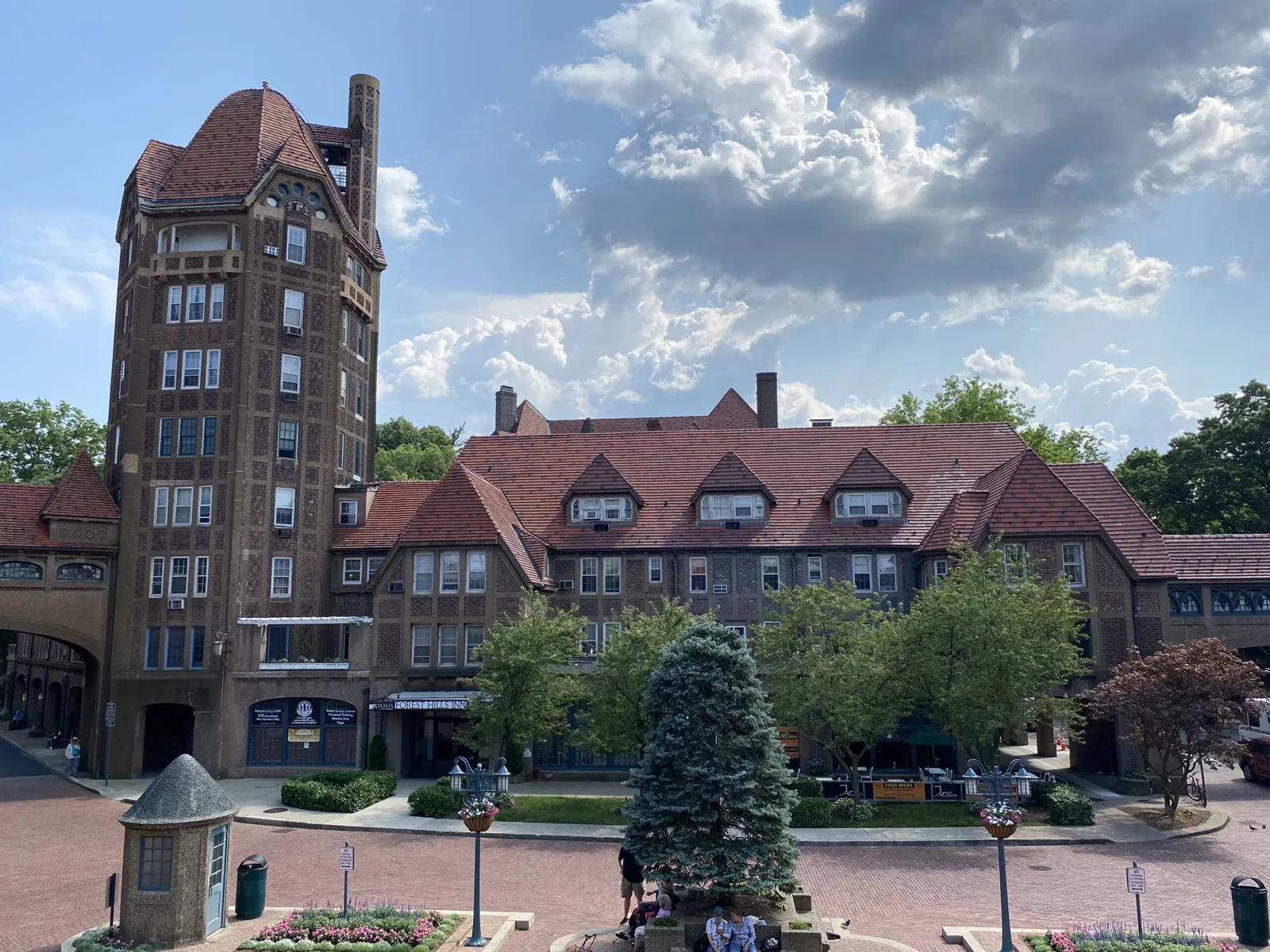
Apartment and Multifamily Roofing
Roof repair and replacement for Queens, NY apartment buildings, from six-family brick rows to tall towers, with tenant notice and phased work explained.
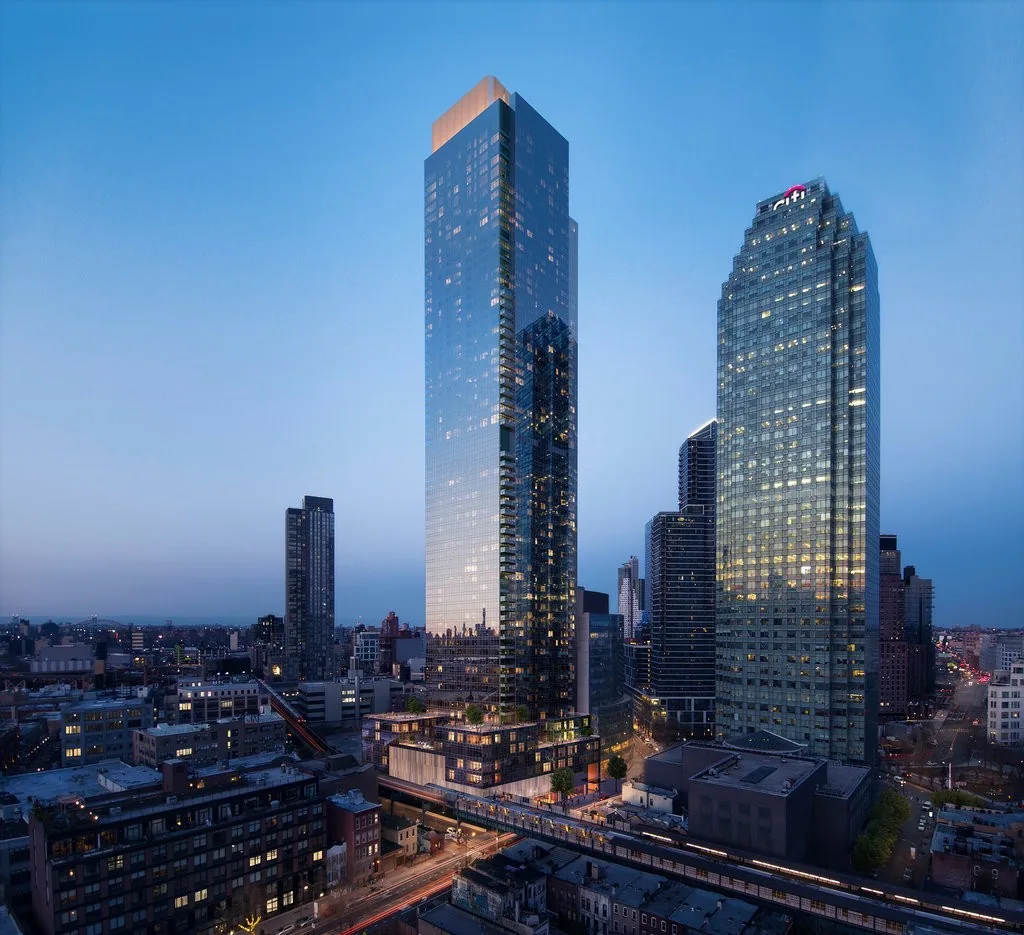
Office Building Roofing
Roof repair and replacement for Queens, NY office buildings, from Jamaica and Long Island City to Kew Gardens, planned around tenants and rooftop mechanical.
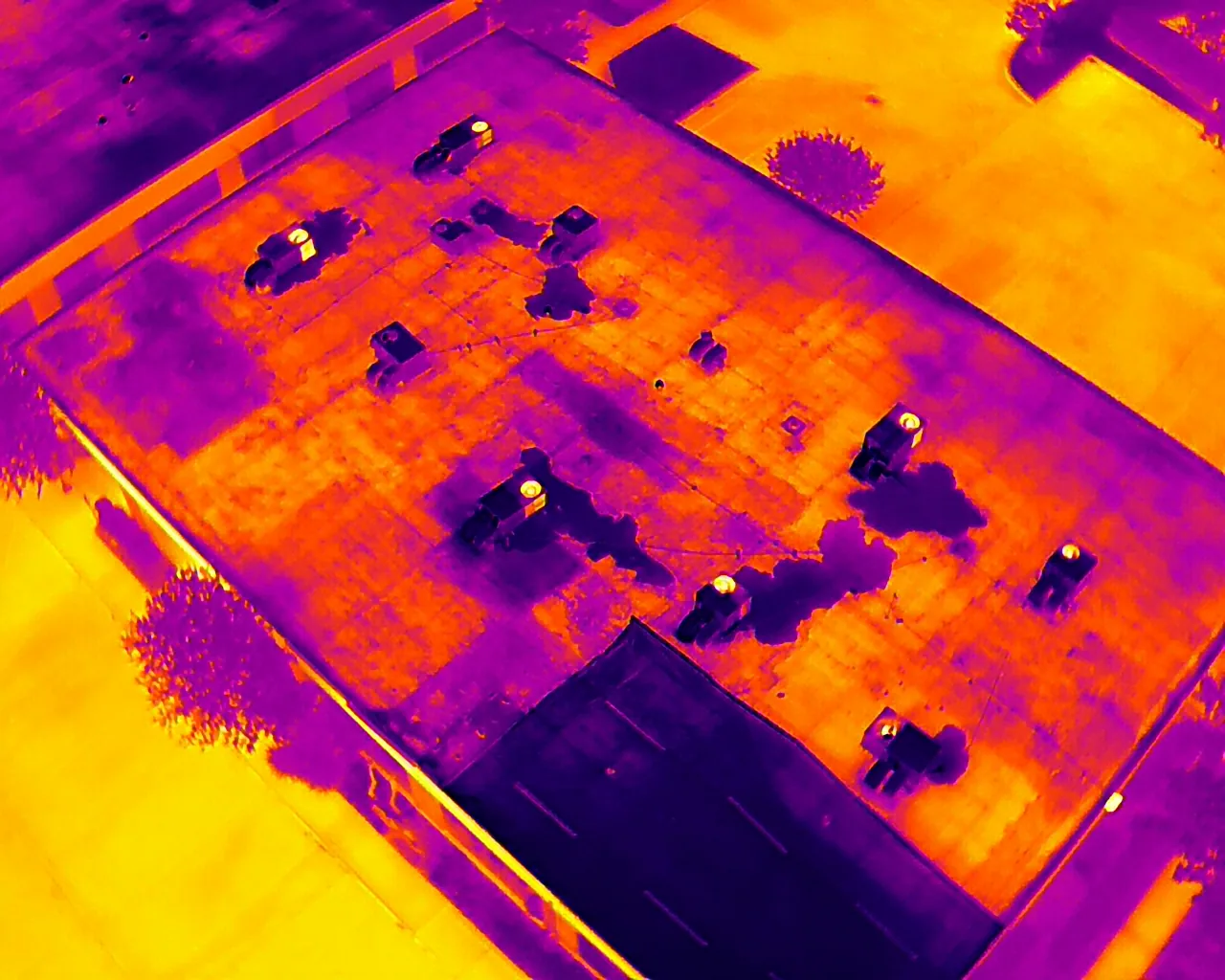
Infrared Roof Moisture Surveys
Infrared scans and core-cut moisture surveys for Queens, NY commercial roofs that locate wet insulation before the owner commits to repair or replacement.
Ready to Talk About College and University Roofing?
Tell us about the building and what you are seeing. We will schedule a roof walk and send photos and a written scope.