
Loose edge metal on a waterfront roof is the failure a Whitestone, Queens, NY owner can see from the ground, and it is often the first line of a longer story. The East River forms the neighborhood's northern edge and exposes waterfront properties to wind off open water, and the roof edge is where that wind lands first. When the edge works loose, wind gets under the membrane behind it, and a small lift becomes a long tear. We start at the edge, then the drain, then the seams, and trace the damage inward step by step.
What commercial buildings does Whitestone have?
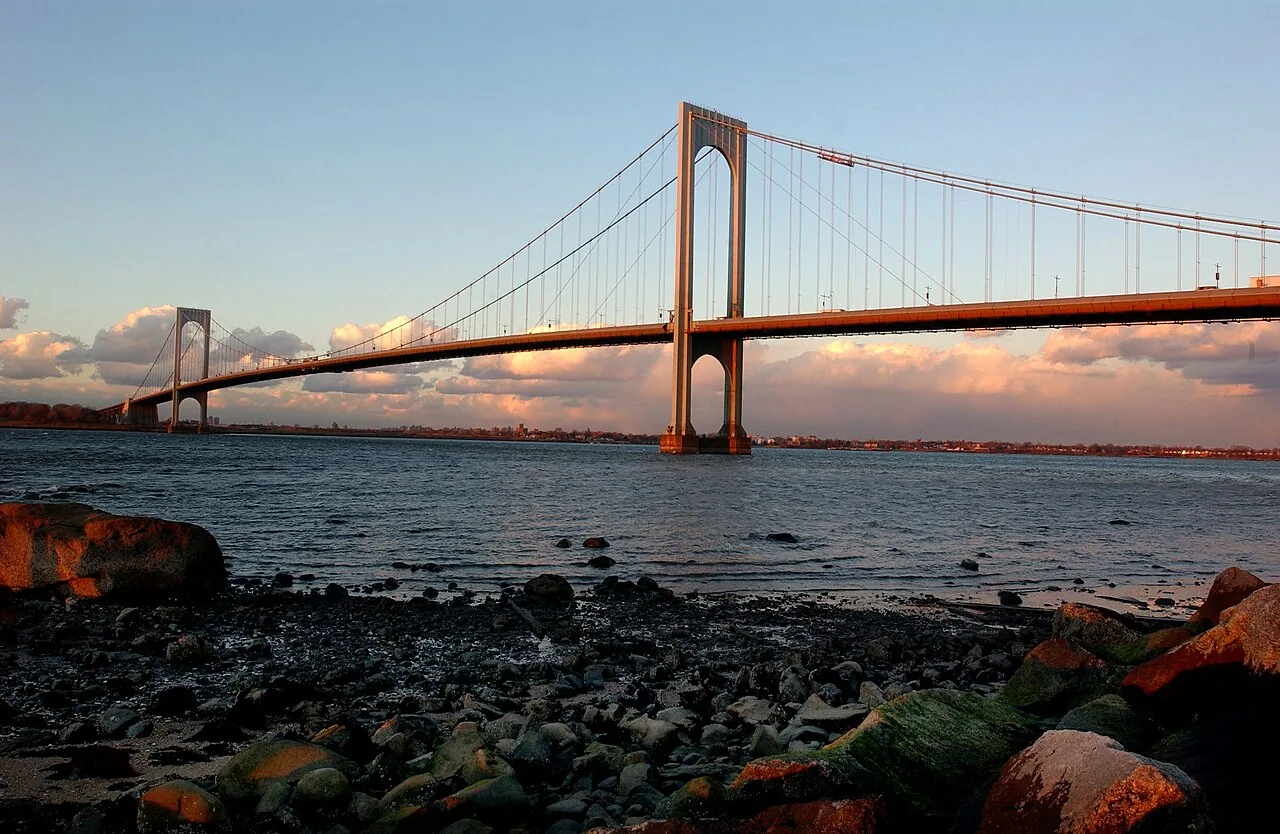
The Bronx-Whitestone Bridge opened in 1939 and carries Interstate 678, the Whitestone Expressway, across the East River. Businesses that operate or have operated in Whitestone include Lee Kum Kee, Glaceau, White Rock Beverages and the World Journal. Food, beverage and publishing uses of that kind can put heat, moisture and exhaust on a roof, and they depend on a dry building below.
Each roof is read on the walk: its drains counted, its walls checked, and the decision made from what is found.
The bridge approach matters to a roofer for a practical reason. Every delivery of insulation, membrane and equipment reaches the neighborhood by road, and the expressway sets the hours when a truck can arrive without blocking traffic. We plan the day around that, so the crew is not waiting on a truck that is stuck on the approach.
Why does the waterfront matter so much?
Wind off open water arrives with nothing to slow it. At the roof edge it accelerates over the parapet and pulls up at the first loose strip of metal or unsecured membrane, and uplift is strongest at corners and perimeters, the places a wind rating is tested. Hurricane-force gusts reached across the metro area in October 2012 with Hurricane Sandy, and any strong storm presents the same exposure.
Every foot of edge metal is checked for fastener spacing, laps and sealant, and the membrane attachment at the perimeter is checked against the method the system calls for. A secure edge is the cheapest wind protection an owner can buy.
Edge failures give warning. A strip that rattles on windy nights, a gap at a coping joint, a corner where the sealant has pulled away: each is a sign that the next gust will do more. After a high-wind week we walk the perimeter first and photograph what we find, so any claim has a before-and-after record.
What do food and beverage buildings add?
Where a building produces food or drink, humid exhaust, washdown water and refrigeration come with it. Humid air from below pushes vapor into the roof assembly, and condensation collects under a membrane that cannot breathe, while refrigeration adds condensers, lines and drains on the roof. Each is a crossing through the waterproofing, and condensate that drains onto the surface stains and softens it.
We check the vapor path, the condenser deck and the drains. Where moisture has moved up from below, a scan finds wet insulation that the surface hides. The repair then covers the cause as well as the symptom, which may mean a vapor retarder on a replacement.
Washdown and sanitation add another stress. Water used to clean production floors and hot steam from kettles and dryers rise through the building and find the roof assembly. A vapor retarder that was never sealed around a pipe lets that moisture through, and the insulation above takes it up. Finding that path is part of a first walk.
What does the expressway corridor change?
The Whitestone Expressway carries heavy traffic, and buildings near it collect dust and diesel residue on the roof surface and in the drains. A dirty roof hides seams and holds moisture against the membrane, and clogged drains turn small storms into ponds. We clean the surface before testing it, clear drains on a tighter cycle and watch for fastener backout where vibration is constant. Truck access for staging also has to fit the traffic, so we schedule deliveries for quiet hours.
Debris from the road and from trees along the water collects in drains. We recommend a clear-out in the fall, and again after the spring thaw, and we note the date of each so the next visit has a baseline.
How do we confirm the cause?
The walk goes edge first, then drains, then field. Every foot of edge metal is checked for fasteners, laps and sealant, and then the drain is tested with a hose, the seams probed and each curb and wall examined. An infrared moisture survey shows wet insulation, and cores confirm it. After a wind event we follow the storm damage routine: photograph, document, make safe, then repair.
What are the choices, and what does the weather add?
Where edge metal is loose or a boot is cracked, a repair is the answer; a worn roof that is still dry may get a coating or a recover; wet insulation means replacement. Weather limits the work too: a single day, January 23, 2016, brought 27.3 inches of snow, and on September 1, 2021 Hurricane Ida's remnants led to the city's first flash flood emergency and a death toll that fell mostly in Queens.
Cost follows the layers to be removed, the wetness of the insulation, access from the street and the curbs and mounts to be rebuilt. Waterfront work adds one more item, the stronger perimeter attachment that wind exposure calls for, and the proposal names it.
What is the next step?
A walk is booked with photographs of the loose edge or the stain and of the drain nearest it, plus the street and the roof age where known. We lay out in plain steps what wind and weather have done to the roof, then discuss price. Owners with buildings in Bayside or College Point can combine visits, and food producers may compare manufacturing plant roofing.
Questions Owners Ask
What building owners and managers usually ask before a roof visit.
Look for daylight under the edge metal, nails or screws backing out, gaps at the laps and sealant that has cracked or pulled away. From the ground, a strip that flutters in wind or sits proud of the wall is loose. We check fastener spacing and laps on the roof, and we re-secure or replace the metal.
Lifted edge metal, a membrane that billows or has folded back, displaced coping, and debris on the field. Inside you may see stains or drips within a day or two. We photograph and document everything first, make the roof safe with a temporary repair and then plan the permanent fix.
Usually, with planning. We protect air intakes, keep debris and fumes away from product areas, schedule noisy work for lighter periods and finish each section the same day. The quality manager signs off on the plan, and we use cold-applied or welded methods where odor matters.
Twice a year, plus after any severe storm. A spring walk catches winter damage, and a fall visit checks drains and edge metal before the windy season. The written report builds a record that helps with insurance.
One that is secured heavily at the perimeter and corners, where uplift is greatest. That may mean more fasteners in the outer zones, a fully adhered sheet at the edge or a ballasted section weighted with heavier stone. We choose by the building, the deck and the wind rating the design calls for, and we check the edge metal against the same standard.
Related Roofing Work
Other pages that connect to Whitestone.
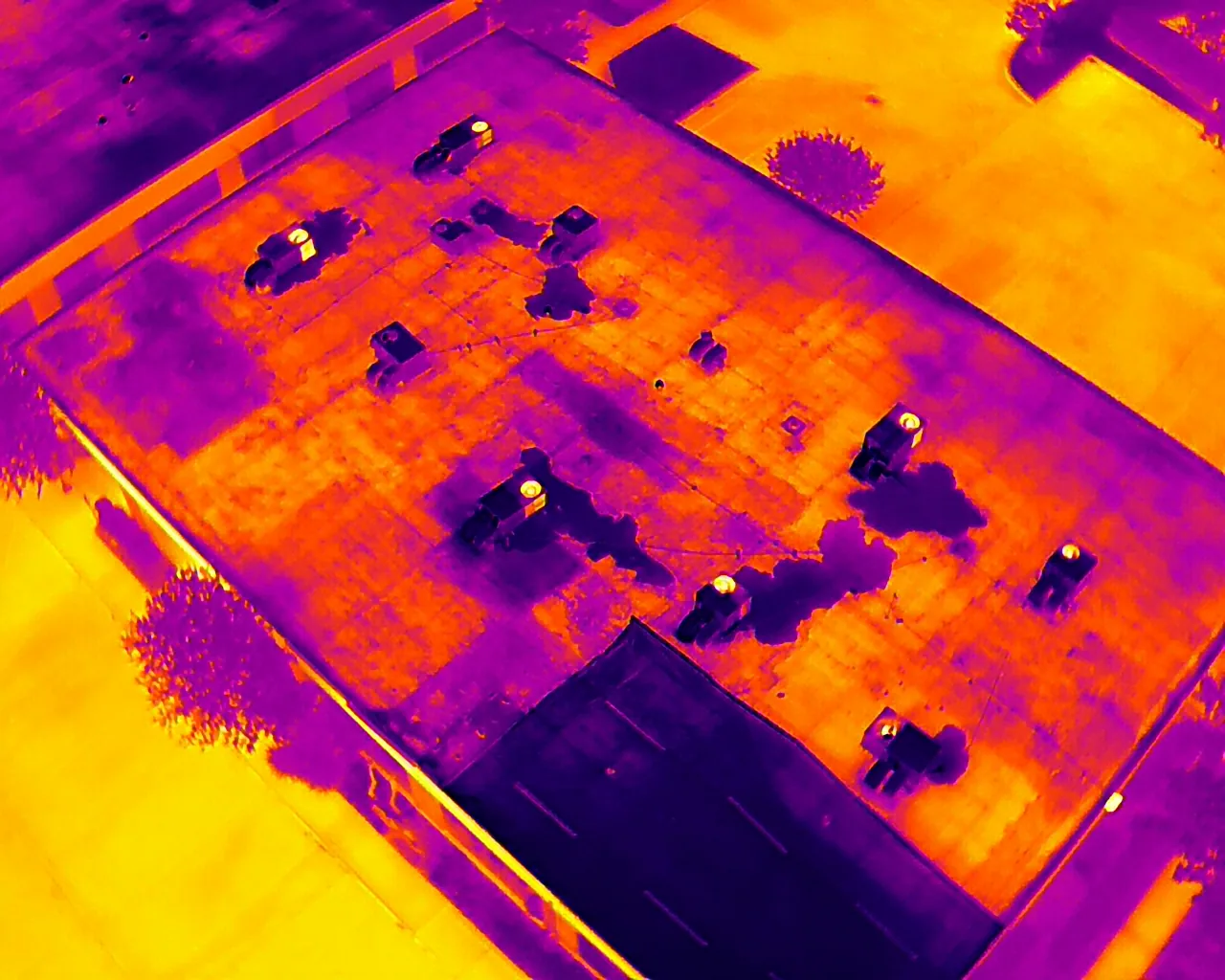
Infrared Roof Moisture Surveys
Infrared scans and core-cut moisture surveys for Queens, NY commercial roofs that locate wet insulation before the owner commits to repair or replacement.
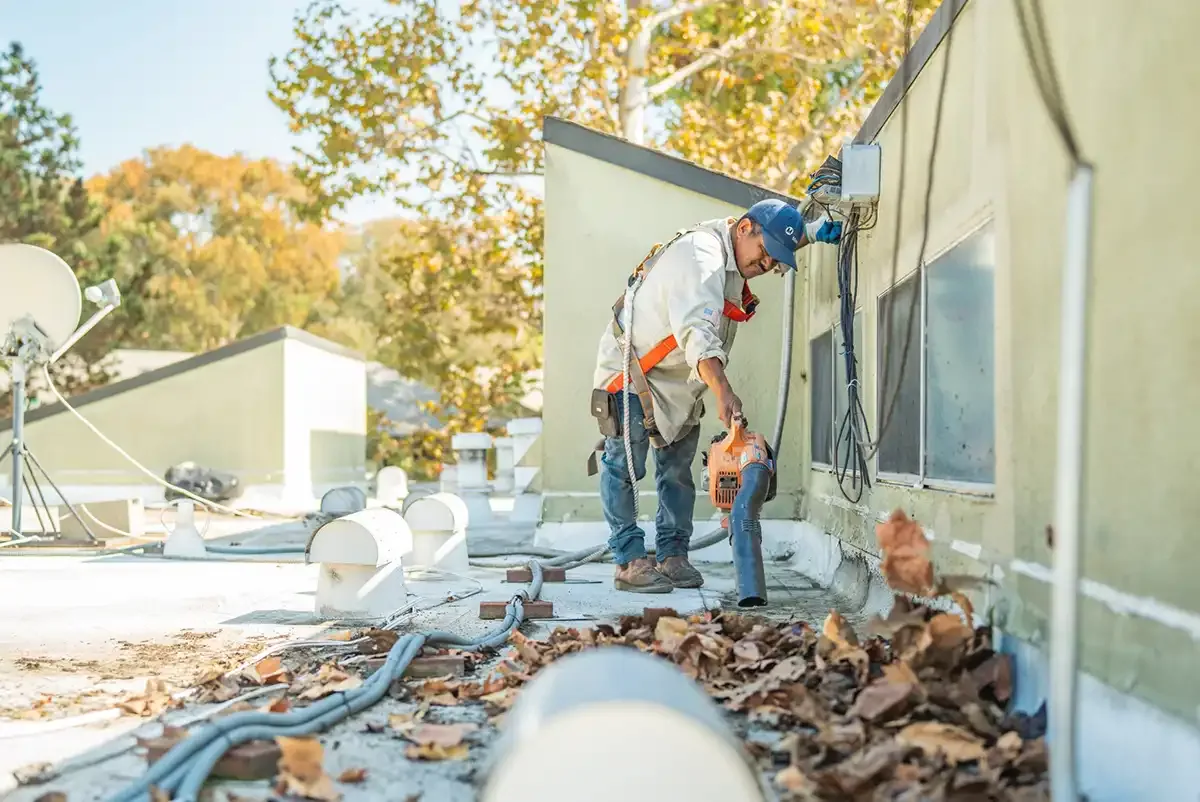
Storm Damage Roof Repair
Storm damage roof repair in Queens, NY: wind, flood-day rain and snow load assessed in plain steps, with temporary dry-in, permanent repair and photo records.
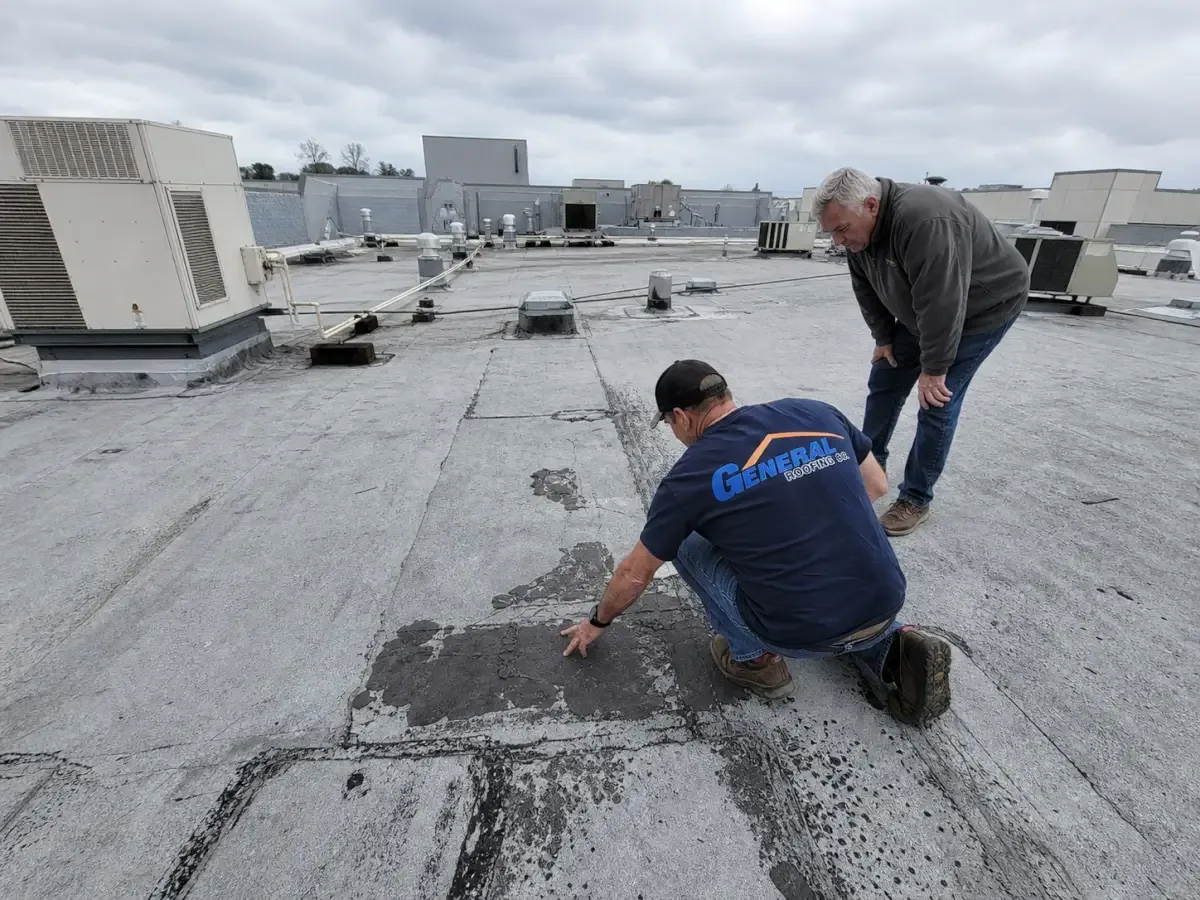
Commercial Roof Repair
Planned repair of membranes, seams, flashing and details on Queens, NY commercial roofs, with each fix explained before the crew picks up a tool.
Ready to Talk About Whitestone?
Tell us about the building and what you are seeing. We will schedule a roof walk and send photos and a written scope.