
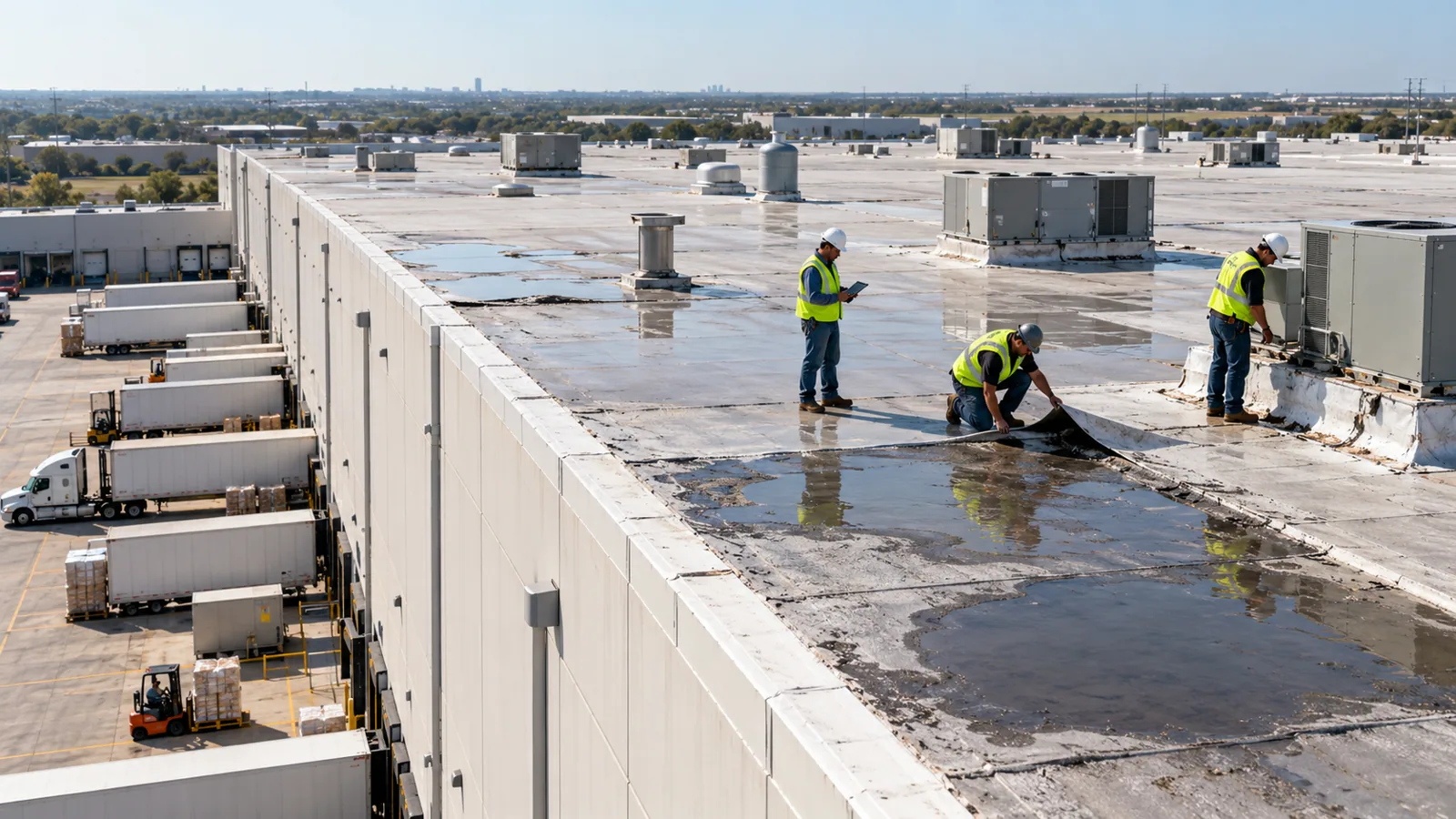
The question that comes after a leak is almost always the same: should we patch it again or is it time to replace? An owner who has to answer that on the spot, with a stained ceiling and no budget line, usually patches. Then the patch fails, and the same question comes back with a bigger stain. Capital planning moves the question out of the emergency. It answers it in advance, with numbers, so that replacement is a scheduled event instead of a surprise.
What goes into a roof capital plan?
A plan has four inputs. The first is condition: the age, layers, moisture and defects of each roof. The second is remaining life: an estimate of how many years the roof can keep working with maintenance. The third is cost: a range for repair, coating, recover or replacement, based on size, access and system. The fourth is the building's own plan: whether the owner expects to sell, convert or hold.
From those inputs we build a schedule. Each roof gets a recommended action and a target window, such as repair this year, coat in two years or replace in five. The schedule is a working document, revised after each inspection. It gives a controller or an asset manager a line to budget instead of a guess.
Where does the data come from?
Walk it with me. The data starts on the roof. We walk each one, photograph the defects and probe the seams. Then we scan for moisture and cut cores where the scan suggests trouble. Cores tell us how many layers, how thick and how wet. An infrared moisture survey covers a large roof quickly and shows where the cores should go.
The records come next: leak logs, repair bills, past reports and warranty papers. Together they show a pattern. A roof with a repair every spring has told you how it is aging. A roof with a clean history and one wet corner may need only that corner. The plan reads both sources, the roof and the paper, before it names a year.
The written output is a roof condition report for each building, with photographs and a short summary on the first page. The plan sits on top of those reports and pulls their findings into a table, so a reader can see all the roofs on one sheet and find the detail behind any line.
How do we choose between repair, coating, recover and replacement?
The choice follows the moisture and the structure. Repair is right when the wet area is small and the membrane is otherwise sound. A coating is right when the roof is dry and sound but the surface is tired. A recover is right when the existing roof is dry, flat and not too many layers deep. Replacement is right when the insulation is wet across large areas, the membrane is failing everywhere or the deck is damaged.
Each choice has a cost and a life. A cheaper step now may be right if the building will change hands soon, and a larger investment may be right for a building held for decades. The plan lays the options side by side. Details on each live in the recover and replacement work, and the plan picks among them.
Waiting has its own cost, and the plan states it. A roof with wet insulation does not hold steady; the wet area grows, the deck can rust and the replacement scope widens from membrane and board to deck and structure. A repair deferred two years can turn into a replacement with added steel work. We show the owner the likely scope now and the likely scope after delay, so the trade is visible.
What does timing look like in Queens?
Weather and building purpose shape the timing. Roof work in Queens runs best from spring through early fall, when adhesives, sealants and coatings get the mild, dry days they need, and winter is left for repairs and emergency work. A schedule that depends on a winter start is risky when an average year brings about 29.8 inches of snow and one day, January 23, 2016, brought 27.3.
Plans for the building matter as much. Long Island City's 2001 rezoning from industrial to residential, the approval of the Willets Point plan in 2013 and the start of demolition there in 2016, and the 2004 demolition of Glendale's Atlas Terminal for a shopping center show how quickly surroundings change. Sites change quickly, so an owner near one of these changes, in Willets Point for example, should match the roof spending to the building's expected life.
How do storms change the plan?
Storms push roofs up the list. A roof that ponded badly in Hurricane Ida's remnants, which on September 1, 2021 brought the first flash flood emergency in New York City and left Queens with most of the deaths, or one with backed-up drains in its history, ranks higher than its age alone suggests. In October 2012 Hurricane Sandy left six feet of water in Maspeth and forced a mandatory evacuation of the whole Rockaway peninsula.
We put a line in the plan for reserve work. Emergency repairs happen, and a budget that has no room for them will be spent on them anyway. A small reserve and a plan for storm damage repair keep emergencies from displacing scheduled work.
Tenants and leases matter to the schedule. A roof over a large retail tenant, a clinic or a food operator needs a plan that respects their calendar, and a lease that makes the landlord responsible for the roof makes the schedule a legal matter as well. We note lease obligations in the plan so the timing fits both the roof and the contract.
What is the next step?
Send a list of buildings with roof ages, any repair history and photos of the roofs that concern you. We will explain in plain steps how a first plan would be built, which roofs to test first and what the schedule might look like, and talk price after that. A roof asset record is the base the plan grows from.
Questions Owners Ask
What building owners and managers usually ask before a roof visit.
Five to ten years is useful for most owners, with the first two or three years in detail. The farther out, the more it depends on assumptions, so we revisit it at each inspection. Longer horizons suit owners who hold buildings for decades, while owners planning a sale mostly need the next two or three years.
Yes. Moisture maps, core photos and a ranked schedule give a board or lender something concrete to review. A plan with numbers is easier to approve than a request based on a leak. The moisture maps also show where money would be wasted, which is as useful as showing where it is needed.
The plan is an estimate. If a roof fails early, we repair it, update the record and move the schedule. The reserve line exists for that case.
We give cost ranges based on current conditions and note that they change. We update them at each review so the budget tracks what work actually costs.
Send a list of buildings, roof ages if known, repair invoices, any warranty papers and photos of problem roofs. Tell us if a building may be sold or converted.
Related Roofing Work
Other pages that connect to Roof Capital Planning.
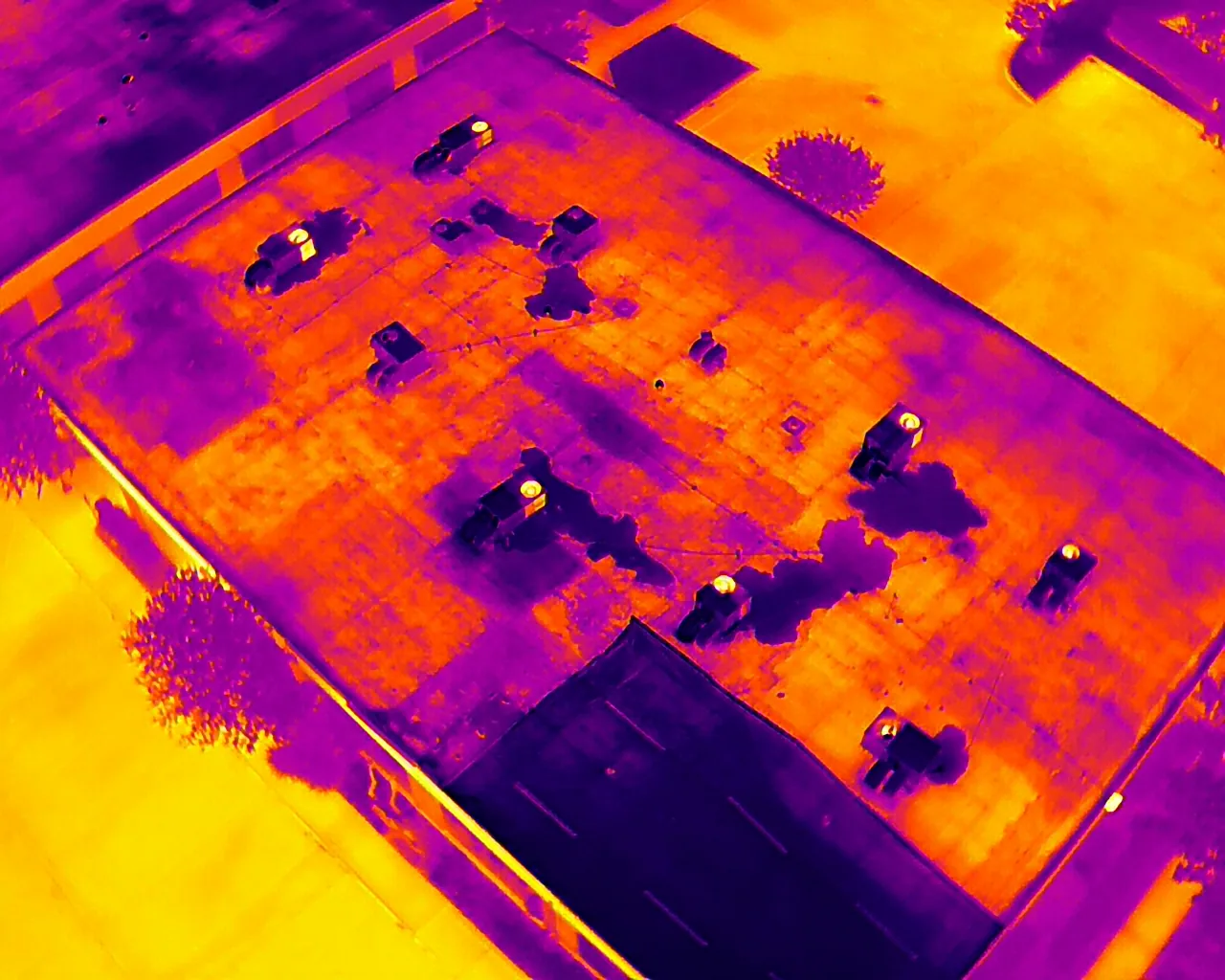
Infrared Roof Moisture Surveys
Infrared scans and core-cut moisture surveys for Queens, NY commercial roofs that locate wet insulation before the owner commits to repair or replacement.

Roof Condition Reports
Written roof condition reports in Queens, NY: photographs, moisture findings, ratings and ranked recommendations an owner, lender or insurer can read.
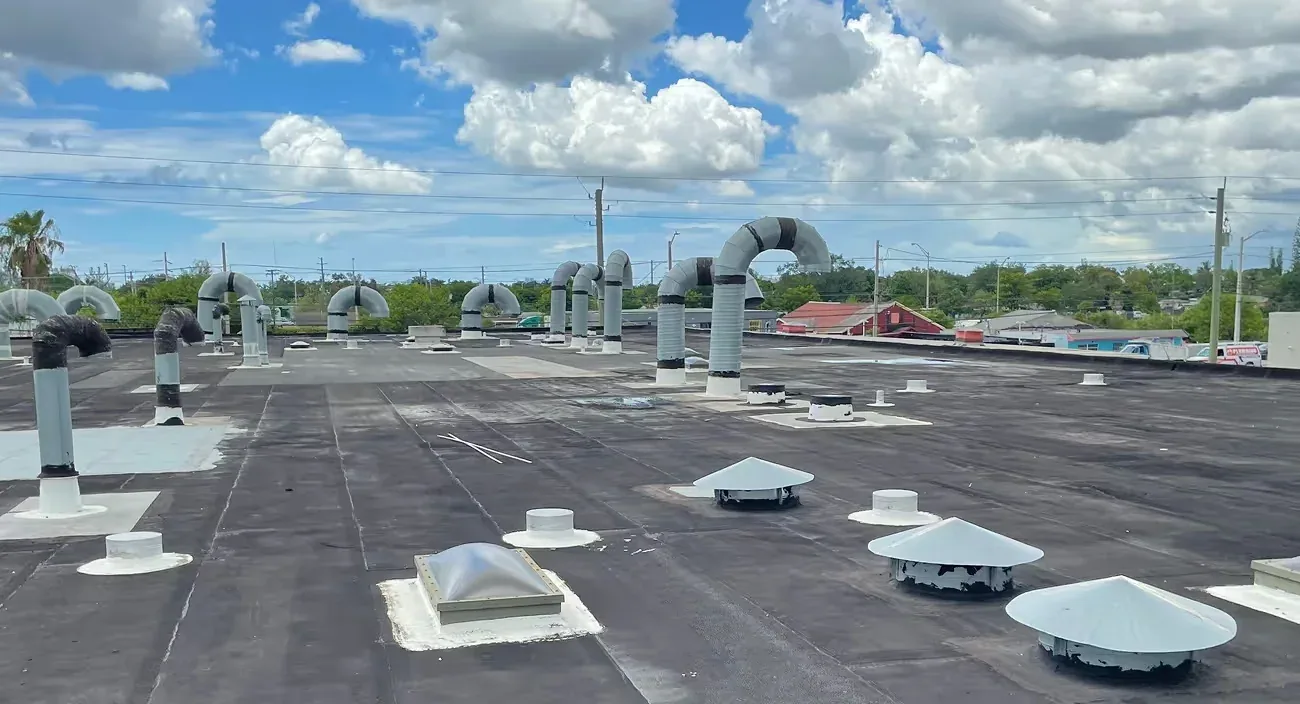
Roof Recover and Overlay Systems
Recover a sound Queens, NY commercial roof without a full tear-off. We test for trapped moisture first and explain when an overlay makes sense.
Ready to Talk About Roof Capital Planning?
Tell us about the building and what you are seeing. We will schedule a roof walk and send photos and a written scope.