

A verbal opinion about a roof is gone by the next morning. A report is still there when the budget meeting, the lender call or the insurance review comes up months later. The difference matters most when someone who never climbed the roof has to decide something about it. A written condition report puts what we found in a form that survives that handoff: photographs with locations, test results, a rating for each part of the roof and a short list of what to do first.
What is inside a roof condition report?
The report begins with a summary: the building, the roof, its system and age, and an overall condition rating. Next comes a plan of the roof with each drain, curb, penetration and defect marked. Then come the findings, area by area, each with a photograph and a short note on what it shows and how serious it is. Moisture results follow, usually as a map showing wet and dry zones with core locations.
The last part is recommendations, ranked. Items that need attention now sit at the top, followed by items to schedule and items to watch. Each recommendation names the work, the area and an estimated range of cost. We keep the language plain so a reader without a roofing background can follow it.
Two small sections often prove the most useful. The first is a drain table that lists every drain, its type, its condition and whether it holds water, so the maintenance team knows where to look after a storm. The second is a penetration table that lists every pipe, vent, curb and unit, with the last flashing date if the owner has it. Both tables are written so a technician can use them on the roof with a clipboard.
How do we gather the findings?
Walk it with me. The first step is the walk: we cover the whole roof on foot, looking at the surface, seams, flashings, edges and drains. The second step is probing: a seam probe, a moisture meter and a hand on every soft spot. The third step is testing: a moisture scan, with cores cut where the scan or the walk raises a question. The fourth step is documentation: photographs from marked positions and a note for each one.
A drone survey can add an overhead view on large or tall roofs, and a commercial roof inspection supplies the walk. We then write the report in the days that follow, while the roof is fresh in mind, and review it with the owner.
Weather affects the day. We do not walk a roof in the rain or with ice on the surface, and we pick dry, mild days for moisture scans. If the first day is wrong, we reschedule rather than guess. Access is arranged beforehand, with the building manager, so the walk does not stall at a locked hatch.
How are conditions rated?
We use a simple scale that a reader can remember: good, fair, poor and failed, applied to each component. A roof can have a good field and poor flashings, and the report shows that. The scale is tied to what we see: a good seam is tight to the probe, a fair seam shows wear, a poor seam is open or lifted and a failed seam is leaking.
The overall rating sums up the components and the moisture findings. It is a judgment, and the report says what it rests on. A reader who disagrees can look at the photographs and the test results and form a view. That openness is deliberate, because a rating no one can check is not worth much.
Rating the field and the details separately helps the owner spend wisely. A roof with a good field and poor flashings needs targeted repair, not replacement. A roof with a poor field and good flashings may be a coating or recover candidate. A roof that is poor in both is the one to plan for replacement. The report states which case applies and why.
Who in Queens uses these reports?
The borough's mixed economy means many kinds of readers. Reports in Queens go to many kinds of owners, from an industrial landlord to a retail owner, a healthcare operator or an apartment board, because the borough's economy is the most diversified of the five and reached a 2024 GDP of about $111.1 billion. The Joseph P. A public owner might ask for one at the scale of the Addabbo Federal Building in Jamaica, which dates to 1989, rises 12 stories in masonry and steel and holds about 932,000 square feet of offices.
Smaller owners benefit as well. A rowhouse landlord in Ridgewood, where yellow face brick is common on early twentieth-century housing, needs the same photographs and ratings, scaled down, and a report on a building in Jamaica follows the same format, so portfolios can be compared.
What can an owner do with a report?
The report answers practical questions. It tells a manager which repairs to order and in what order. It gives a board the evidence to approve a budget. It gives a lender or buyer an independent view of the roof. It gives an insurer a record of the roof's condition before a storm, which makes a claim easier to document after one.
On September 1, 2021 the city saw Hurricane Ida's remnants and its first flash flood emergency, and the greatest toll of deaths was in Queens. A report written ahead of a storm like that becomes the baseline for any insurance claim afterward. It also feeds a roof capital plan and a due diligence survey.
Reports also help when staff change. A new property manager who inherits a building with no roof history can read the report and know the roof's age, layers, defects and priorities in an hour. Years later, the same report shows what changed, which is how a trend becomes visible.
What is the next step?
Send photos of the roof, the address and the reason you want a report, whether a budget, a sale, a loan or a storm. We will describe in plain steps what the report would cover, how long it takes and what we would need on site, and talk price afterward.
Questions Owners Ask
What building owners and managers usually ask before a roof visit.
The walk takes hours to a day depending on size, and moisture testing adds time. The written report follows within days. Large portfolios are done in phases. We tell the owner the schedule before starting. Access, roof size and the number of cores all affect the time.
It gives ranges for the recommended work, based on size, access and system, so a manager can plan a budget. A detailed scope and price follow when the owner decides to proceed.
Yes, as an independent view of the roof. Lenders and buyers often want a more detailed due diligence survey, which we also prepare. The condition report is the base for it.
Once a year for roofs that worry you, every few years for sound roofs and after major storms. Updates are shorter than the first report, since they build on it. Photographs from the same marked spots make changes easy to see.
Send the building address, the roof's approximate age, photos of any problem and the reason you want the report. Any earlier reports or warranty papers help. A copy of the roof plan, if one exists, saves time on site.
Related Roofing Work
Other pages that connect to Roof Condition Reports.
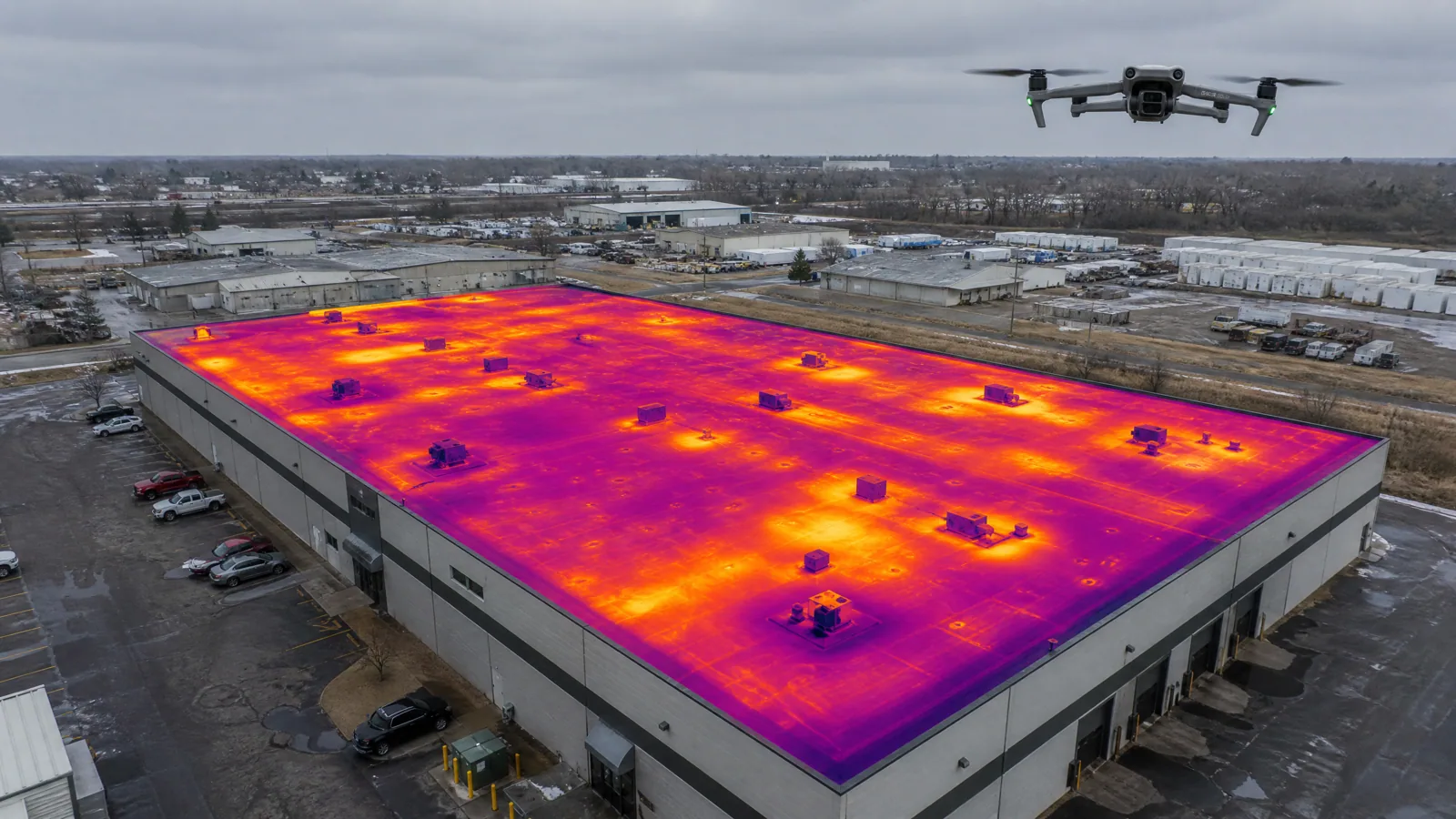
Drone Roof Inspections
Drone imaging for large or hard-to-reach commercial roofs in Queens, NY, with photographs and thermal data that guide a safer hands-on follow-up.
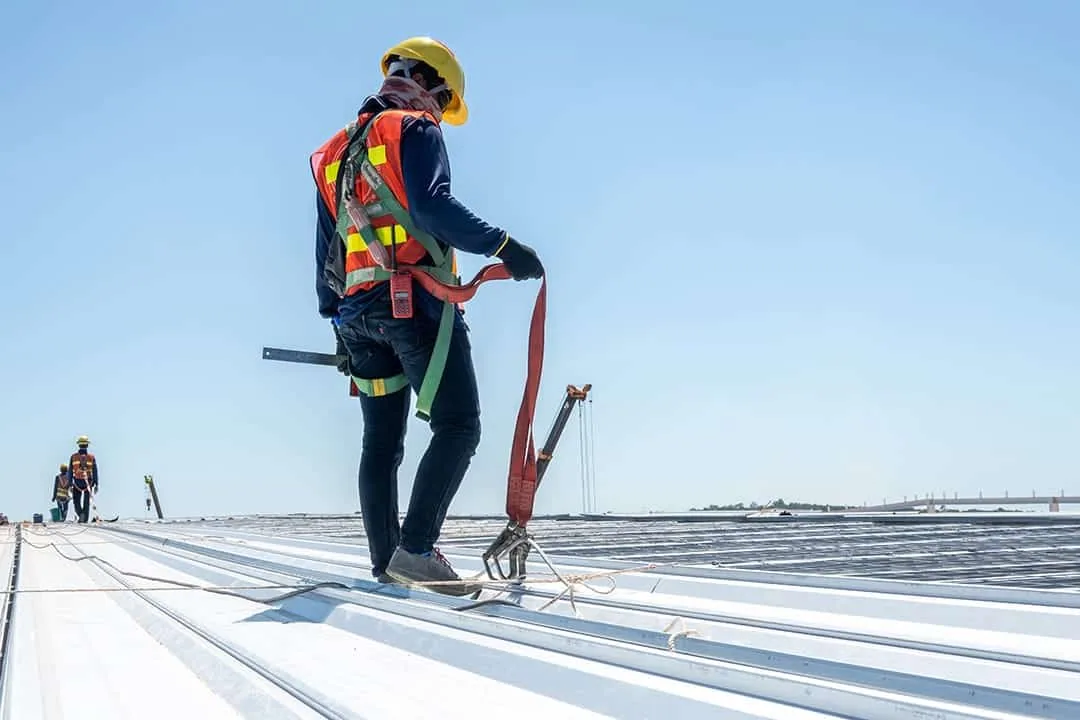
Commercial Roof Inspections
Hands-on commercial roof inspections in Queens, NY, with written findings, photographs and a ranked list of what to fix now and what can wait.
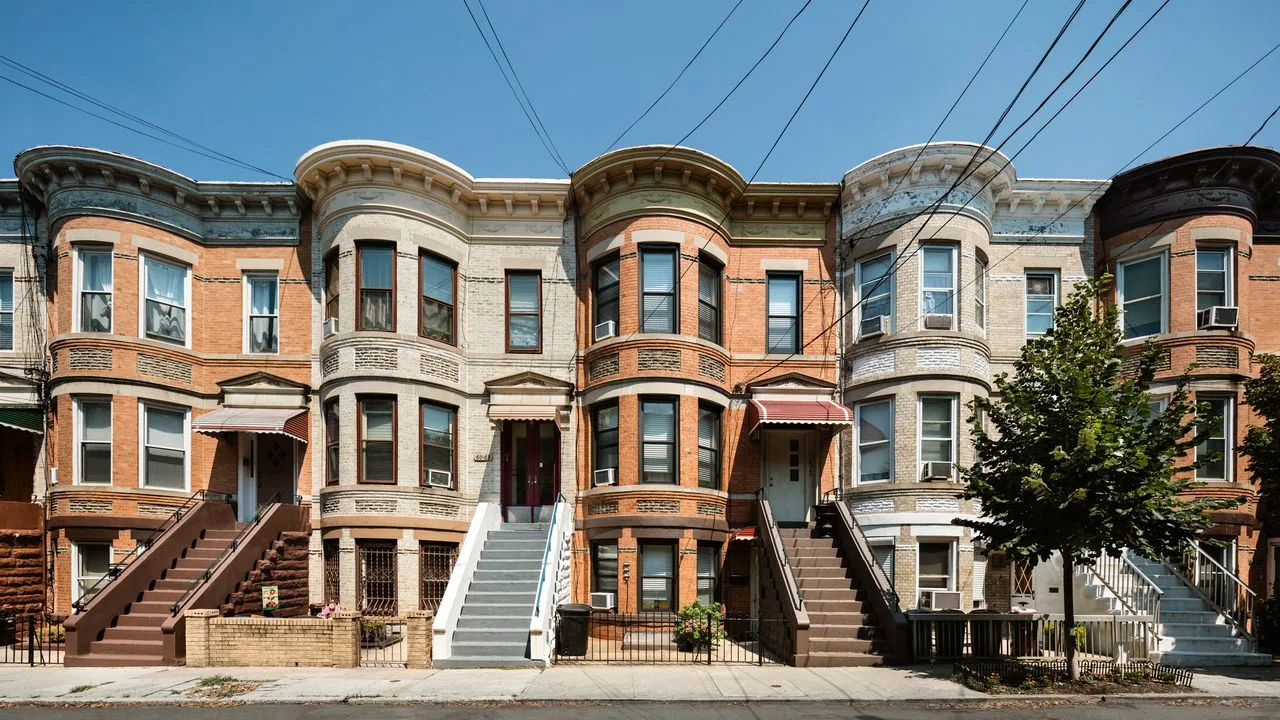
Ridgewood
Commercial roof repair and replacement in Ridgewood, Queens, NY: mill-era masonry, Myrtle Avenue storefronts and mixed-use rows in historic districts.
Ready to Talk About Roof Condition Reports?
Tell us about the building and what you are seeing. We will schedule a roof walk and send photos and a written scope.