
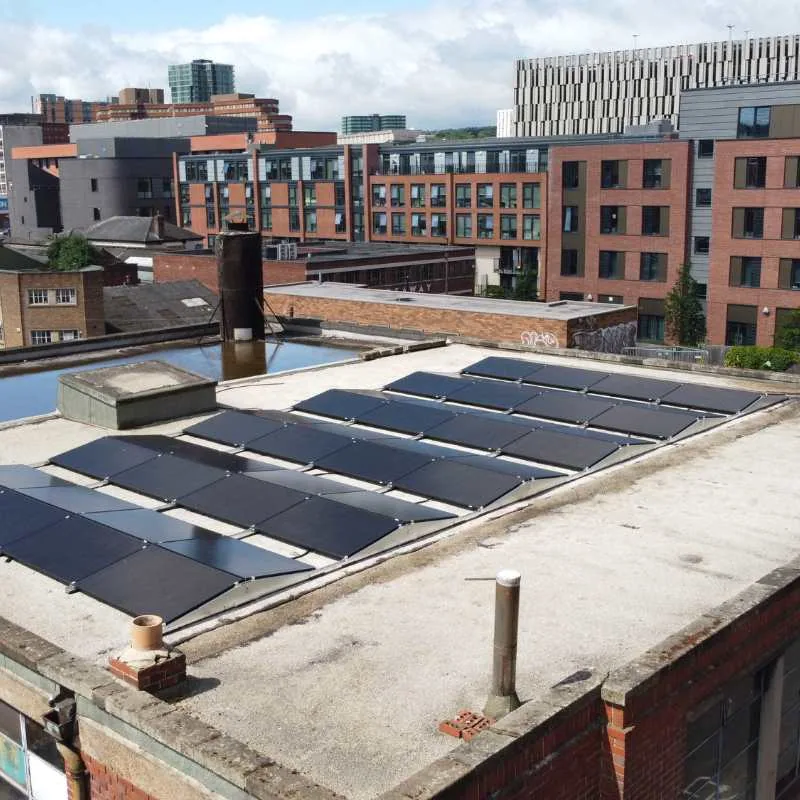
Picture a wet spot on the ceiling below a row of panels, with the arrays already on the roof and nobody able to say whether the leak is in the membrane, at a mount or in a conduit run. Fixing a roof under solar costs more than fixing a bare one, because the panels have to be lifted and set back. That is the reason to prepare a roof before panels go on, and to plan the roof with the arrays in mind. The order of work matters more than the product.
Why does the roof's age matter before panels go on?
A solar array can outlast a roof by many years, and the roof sits underneath it the whole time. If the membrane is already near the end of its life, any repair or replacement later means removing the panels, storing them and resetting them. That is expensive, and it puts the roof and the array at risk for a second time.
The first step is to match the roof's remaining life to the array's expected life. If the roof will not last, we replace it first, and the new roof can be specified with solar in mind. If the roof has years left, we repair its weak points and document its condition so the installer starts from a known baseline. A commercial roof inspection and a moisture scan are the usual starting points.
How do panels attach to a flat roof?
There are two common ways. A ballasted system holds the panels in place with weight, usually concrete blocks or pavers on racks, and it avoids drilling through the membrane. An attached system is fastened to the deck or the structure through the roof, with a flashed penetration at each foot. Many roofs use a mix, with ballast in the field and attachment at the perimeter where wind forces are highest.
Each method asks something different of the roof. Ballast adds weight, so the structure must carry it, and the blocks need protective pads so their edges do not cut the sheet. Attachments add penetrations, so every foot needs a proper flashing. We check both against the roof's age, the deck and the manufacturer's installation limits.
Fire access is a code question as well. Many arrays leave clear paths between rows and around the roof edge so that responders can move, and those paths double as walkways for maintenance. We mark them on the roof plan and keep them clear of equipment.
What protects the membrane under the mounts?
Walk it with me. The first thing to check is what each foot of a rack rests on. A rack foot on bare membrane wears through it, because wind makes the rack move slightly all the time. The fix is a pad, a protection board or a slip sheet under every foot. The second thing is the walking path between rows. Installers and maintenance crews step on the roof for years, and a path with no walkway pads becomes a thin, scuffed line in the sheet.
The third thing is drainage. Racks and ballast can block water from reaching the drain, and a pond forms behind them. We leave clear channels and keep the drain strainers reachable. A ponding repair after panels are installed is much harder than a drainage plan before.
Conduit gets the same attention. A conduit run laid directly on the membrane rubs and traps water under it, so we lift runs on supports or sleepers and flash every place where a line leaves the roof. The installer and the roofer should agree on those details before the first rack is set, because a conduit moved afterward means lifting panels again.
Which Queens roofs make good candidates?
The best candidates are low-slope roofs with long open fields and little equipment in the way. Where that describes a building, panels have room to sit in rows with walking paths between them. Industrial districts such as the Maspeth Industrial Center, the 550-acre College Point Corporate Park and the Degnon Terminal area beside the 192-acre Sunnyside Yard are where an owner is most likely to find a warehouse roof worth studying for panels, and the survey decides whether it qualifies.
Astoria is home to the Ravenswood Generating Station, which can generate about 2,500 megawatts, roughly 20 percent of the city's electricity demand, so an owner adding panels contributes a very small share to a very large grid. For a roof in Maspeth or College Point the first question is local to the building: how much of the roof is clear, dry and sound?
What do wind, snow and heat do to an array?
Hurricane Sandy sent hurricane-force gusts across the metro area in October 2012, and a rack of panels is a wind target in any storm like it. A panel acts as a sail, and the perimeter of the roof carries the highest uplift, so racks near the edge need more ballast or more attachment. We confirm that the edge metal and the perimeter membrane can handle the added force.
Snow adds weight, and drifts form behind rows. The city averages about 29.8 inches a year, with 27.3 inches falling on a single day in January 2016, so the racks and the deck below them need the margin. Heat matters as well. A panel shades the roof beneath it, which can change the temperature swings the membrane sees. A cool roof under the array lowers the heat the panels reflect back onto the sheet.
What if the roof leaks after the panels are on?
The next step is to find the leak without lifting everything. We trace the water from the stain, check conduit and mount flashings first and use moisture scans to find wet insulation. Often the leak is at a penetration, and one row can be lifted for the repair. If the membrane under the array is failing, the array comes off in sections and the roof is replaced under it.
A written plan makes this far easier. If the installer left a drawing that shows every foot, conduit and pad, the repair goes faster and costs less. We keep our own record of the roof's condition before and after the panels, so the owner has evidence for any warranty or insurance question.
What is the next step?
Send photos of the roof, its age and any panel plans. We will walk it, describe its condition step by step and say whether to repair, recover or replace before panels go on. Price comes after you have seen what the roof is carrying.
Questions Owners Ask
What building owners and managers usually ask before a roof visit.
If the roof has less life left than the array, yes. Replacing under panels later costs far more. If the roof has many years left, repair the weak points and document its condition. A moisture scan and cores decide which path fits.
It can, if the work is done without the membrane manufacturer's approval. Warranty terms vary, so the owner should get written approval from the manufacturer before penetrations are made. We can coordinate the flashing details with the installer.
Neither is better in general. Ballast avoids penetrations but adds weight and needs protection pads. Attachment saves weight but adds flashed penetrations. The structure, the wind exposure and the roof's age decide.
Yes, in sections. The installer or a qualified electrician disconnects and lifts the rows, we repair the roof and the rows are reset. A drawing of the array speeds this up.
It means the roof is dry, sound and flashed for equipment, with clear drainage, protected paths and a note of where arrays may go. It does not mean panels are installed. It means the roof will not be the reason panels have to come off.
Related Roofing Work
Other pages that connect to Solar-Ready Roofing.
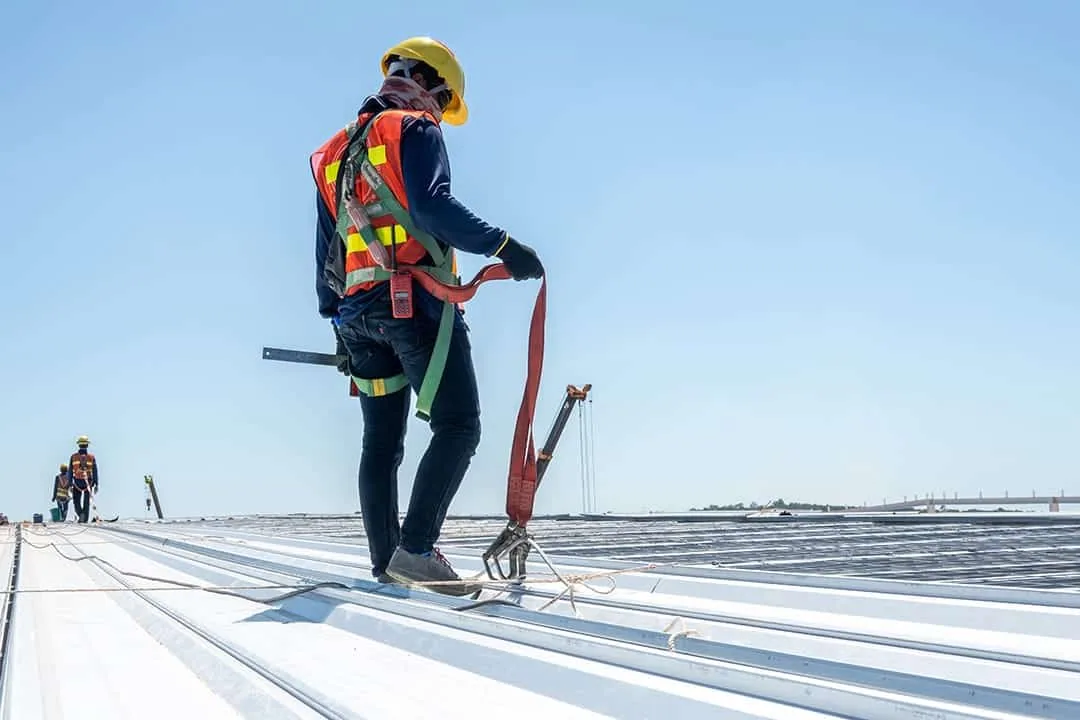
Commercial Roof Inspections
Hands-on commercial roof inspections in Queens, NY, with written findings, photographs and a ranked list of what to fix now and what can wait.
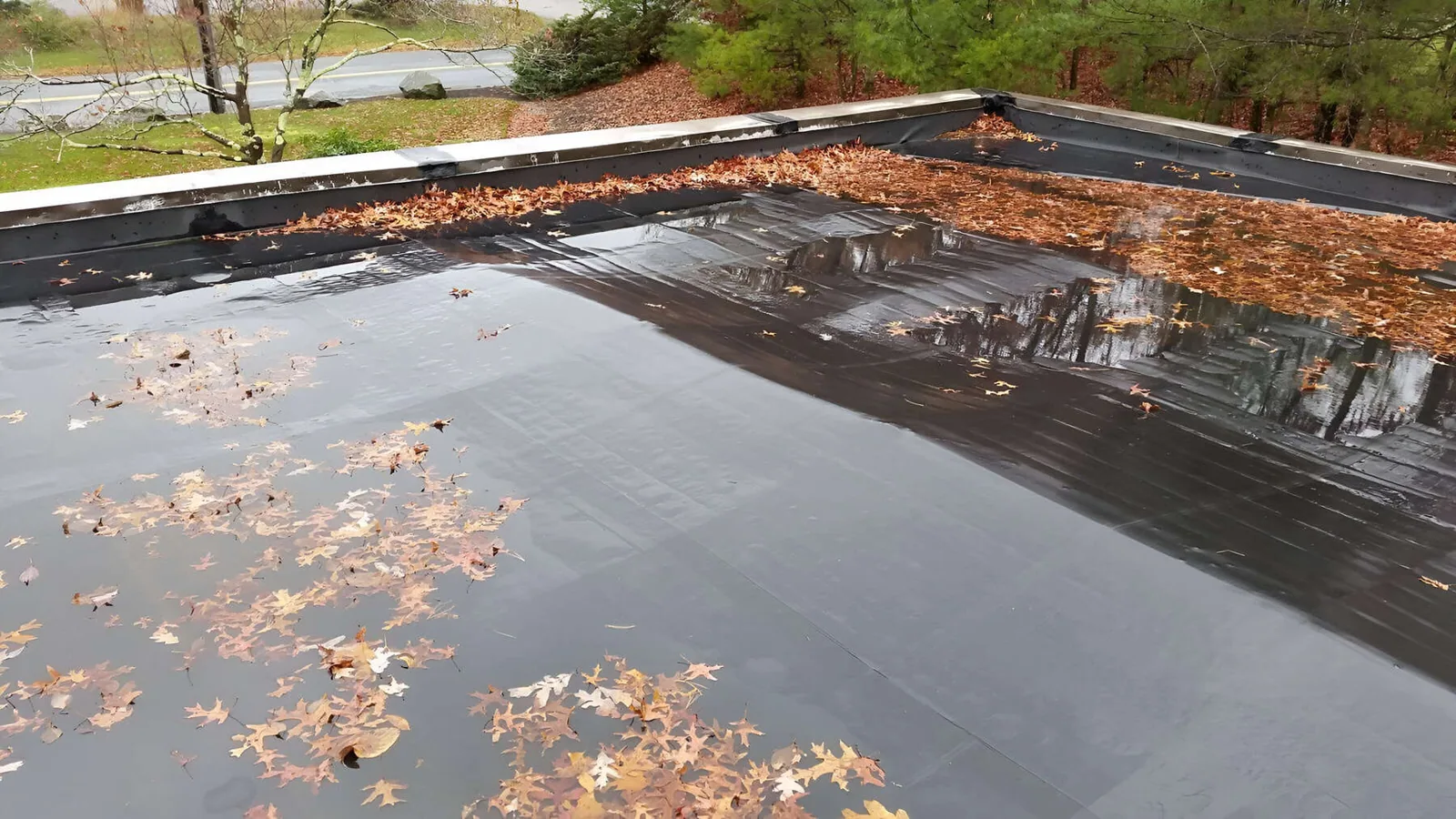
Ponding Water Roof Repair
Ponding water roof repair in Queens, NY: why standing water forms on flat roofs, how it ages the membrane and the drain, slope and insulation fixes that end it.
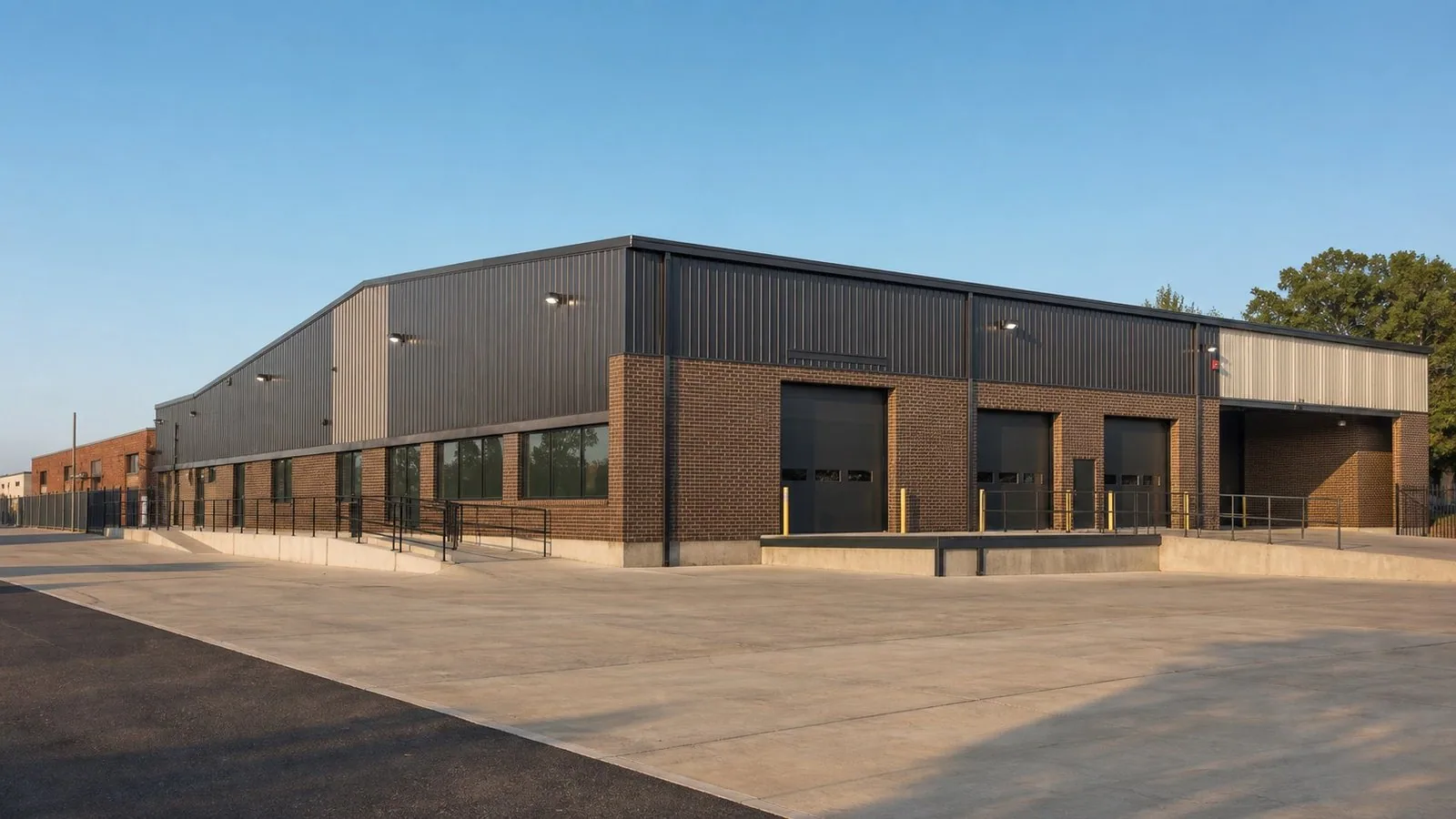
Warehouse Roofing
Warehouse roof repair, recovery and replacement in Queens, NY, from Maspeth and Long Island City to Glendale, with drainage and tie-in details explained.
Ready to Talk About Solar-Ready Roofing?
Tell us about the building and what you are seeing. We will schedule a roof walk and send photos and a written scope.