
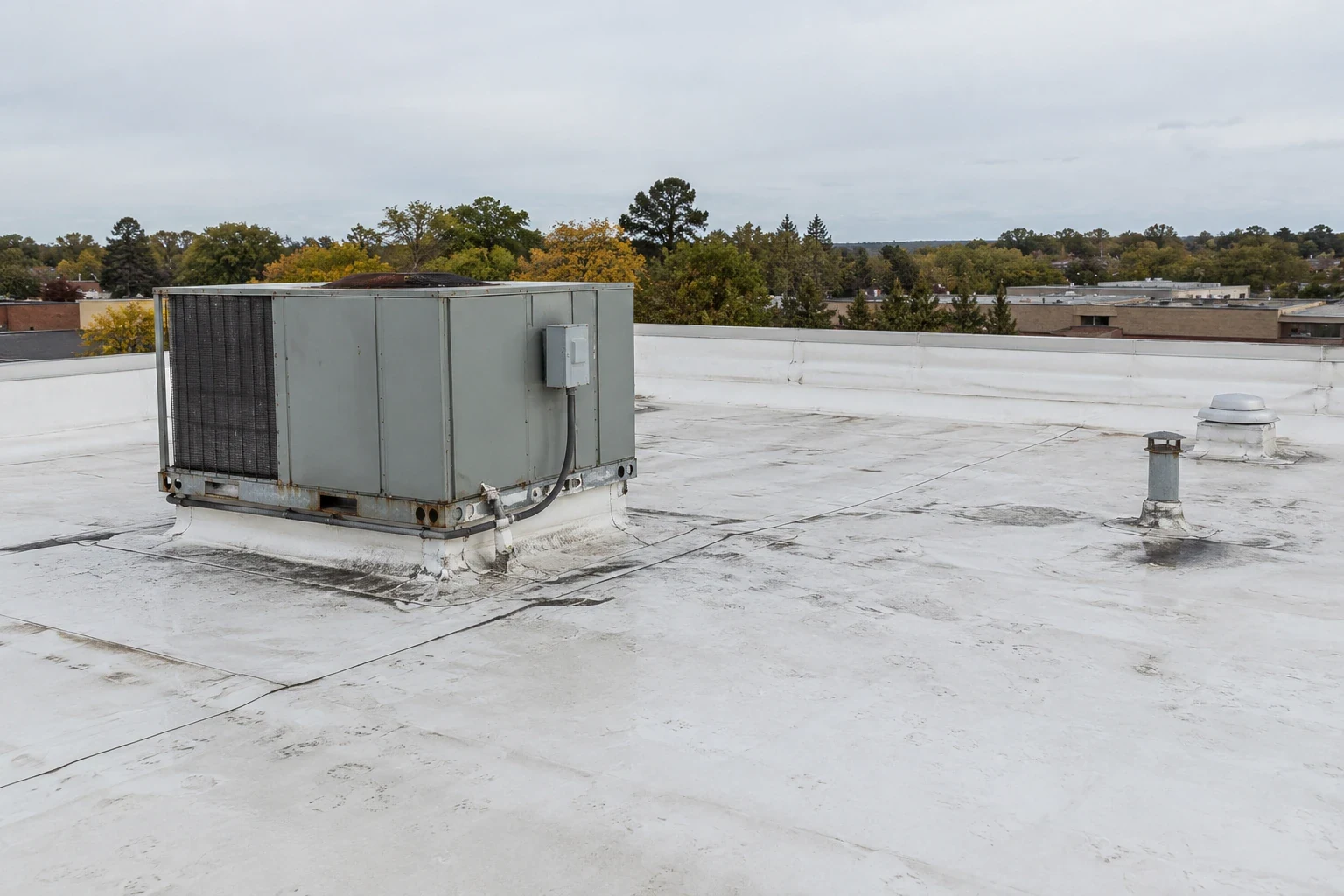
The first sign that a dark roof is costing money is usually a top-floor tenant who complains in July, or a cooling bill that climbs while the unit on the roof runs all afternoon. Owners tend to blame the equipment. The equipment is often fine. What it is fighting is a black membrane that soaks up the sun and hands the heat to the room below. A reflective roof changes that starting point, and the cooling load follows.
What makes a roof cool?
A cool roof is one whose surface reflects most of the sunlight that lands on it and gives off the heat it does absorb. A white or light-colored membrane does this naturally. A coating applied over an existing roof can add it, so a sound dark roof can sometimes be made reflective without being removed. The result is a lower roof surface temperature on a hot afternoon and less heat moving into the building.
Summer heat in the city is amplified by a strong urban heat island, and a typical July afternoon at Central Park tops out near 85 degrees. LaGuardia, in Queens, once recorded 107 F, on July 3, 1966. Conditions like that are why reflectivity is worth pricing on a flat roof here.
Which cool roof options are there?
There are three common routes. The first is a new white single-ply sheet such as TPO or PVC, installed during a replacement or over a dry existing roof. The second is a reflective acrylic coating, which suits roofs that are dry and sound and need a cooler, renewed surface. The third is a silicone coating, which handles ponding better and keeps its color if the surface stays clean.
Each option has limits. A coating cannot fix wet insulation or open seams, so the roof must pass a moisture check first. A single-ply sheet needs a sound deck and enough clearance at the flashings. The right choice follows from what the existing roof can carry.
How do we confirm an existing roof can be coated?
The first step is to find out what is under the surface. We scan the roof for wet insulation, cut cores to count the layers and check the adhesion of the old membrane. The second step is to walk the seams with a probe and mark any that are open, along with any flashings that need repair. The third step is a test patch: we clean a small area, apply the coating and check that it bonds.
If the roof fails any of those steps, the answer is repair before coating, or a recover or replacement. A coating over a wet roof traps the water and speeds the damage, which is why we do not skip the scan. An infrared moisture survey is usually the quickest way to decide.
The last step is a record. We photograph the cores, the repaired seams and the test patch so that the owner has proof of what was under the new surface, which matters if the roof is ever sold or insured.
Where do cool roofs matter most in Queens?
They matter most where the roof is big, flat and sits over conditioned space. Around JFK, which covers 5,200 acres in Jamaica and handled 1,557,067 US tons of cargo in 2025, a warehouse or logistics owner with a wide flat roof over an air-conditioned floor will see surface heat build quickly. The same is true of any such building among the more than 200 companies in College Point Corporate Park, which covers about 550 acres.
Retail is another strong case. With 950,000 square feet of retail in Rego Center Phase II and roughly 1,000,000 square feet of gross leasable area at Queens Center in Elmhurst, shopping buildings here run rooftop air handlers hard in summer. A reflective roof lowers the heat those units have to overcome, which also helps the equipment last. The same is true for a big-box store roof or a shopping center roof.
Will a cool roof hold up through the winter?
It should, with care. The city's yearly snow averages about 29.8 inches, and 27.3 inches landed in one day in January 2016, so snow load and freeze-thaw are real, and they act on a cool roof just as they do on a dark one. Reflective surfaces also stay cooler in summer, which means they swing through a smaller temperature range, and that is easier on the seams.
Dirt is the more common enemy. A white roof loses reflectivity as it collects soot and debris, and ponded water leaves stains. We recommend washing the roof at regular intervals and keeping the drains clear. A drain and scupper review belongs in every cool roof plan, since a pond ruins a reflective surface faster than anything else.
One practical step: schedule the installation for dry, warm weather. Coatings and adhesives need temperatures and dry surfaces to cure, so a cool roof is usually a spring-to-early-fall project, and the survey and repairs are done in the months before.
What does the code say about roofs and energy?
The Department of Buildings publishes the 2022 NYC Construction Codes, and the Energy Code sits within the General Administrative Provisions. Roof Assemblies and Rooftop Structures is Chapter 15 of the Building Code. A reflective roof, an added insulation layer or a new membrane may trigger code requirements, so the owner's design team checks the details before work begins.
We install to the project's design documents, and we document the products used so that the owner has a record for any reporting or incentive program that applies. If you are weighing a cool roof alongside solar-ready roofing, the two plans should be drawn together, since arrays shade the roof and change the heat picture.
What is the next step?
Send a photo of the roof, its approximate age and the area of the top-floor complaint if there is one. We will check the roof with a scan and cores, say step by step whether a coating, a recover or a new sheet fits, and leave price until after that. A College Point roof or any other large flat roof gets the same walk.
Questions Owners Ask
What building owners and managers usually ask before a roof visit.
The surface of a reflective roof runs noticeably cooler than a dark one on a sunny afternoon, and the room below gets less heat. The exact difference depends on the product, the insulation and the building, so we do not promise a number. The building's mechanical engineer can estimate the cooling effect.
Only once the leaks are fixed and the insulation is dry. We find the wet areas, cut them out and repair the seams and flashings. Then the coating goes on a sound base. Coating over wet insulation hides the problem and traps the water.
Not forever. Dirt, algae and ponded water dull the surface, which is why washing and drain care matter. Silicone sheds dirt well, acrylic can be recoated and a white single-ply can be washed with mild cleaner. A yearly rinse before summer is usually all it needs.
It can lose a small amount of winter heat gain compared with a dark roof. In a building with strong cooling loads, which is typical in Queens summers, owners usually find the summer benefit larger. An energy engineer can model the balance for a specific building.
The size of the roof, the condition of the existing surface, the product, the amount of repair needed and access to the roof. A sound roof that only needs cleaning and coating costs far less than one that needs wet insulation removed. We price after the scan. Roof access and parapet height also matter, since a high wall changes how material is lifted.
Related Roofing Work
Other pages that connect to Cool Roof Installation.
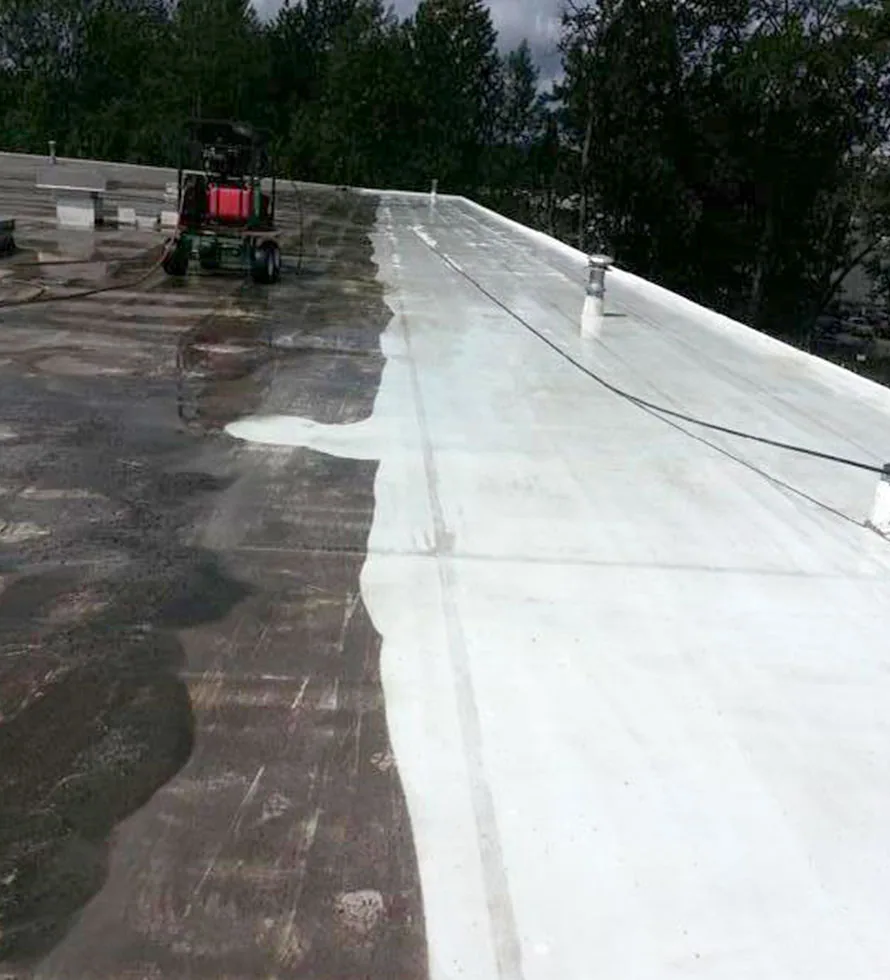
TPO Roofing
TPO roofing in Queens, NY: heat-welded white single-ply membranes for flat commercial roofs, with seam checks, repair and replacement explained step by step.
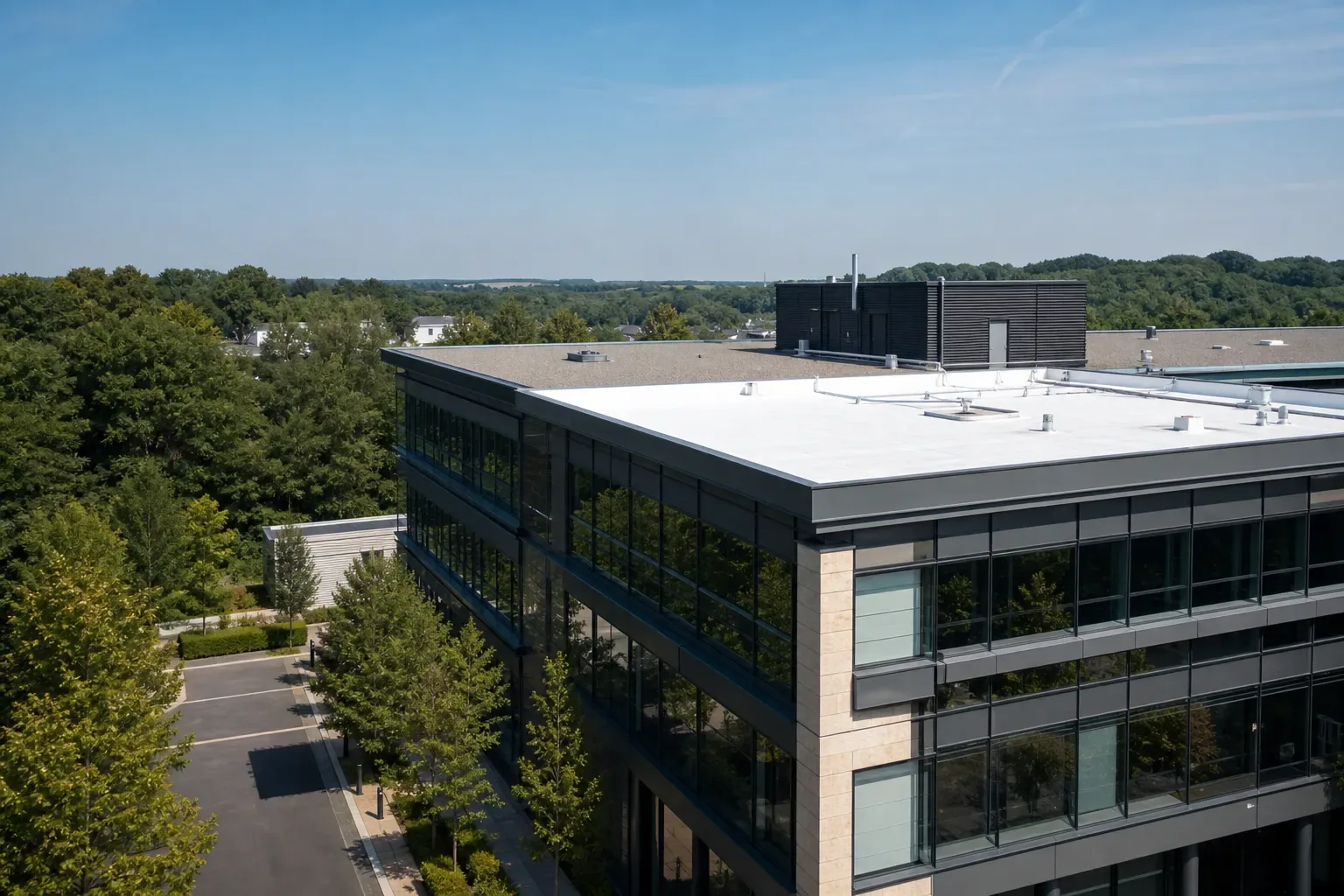
Acrylic Roof Coatings
Acrylic roof coatings in Queens, NY: water-based reflective coatings for dry, sound flat roofs, with weather windows, prep and recoat timing explained.
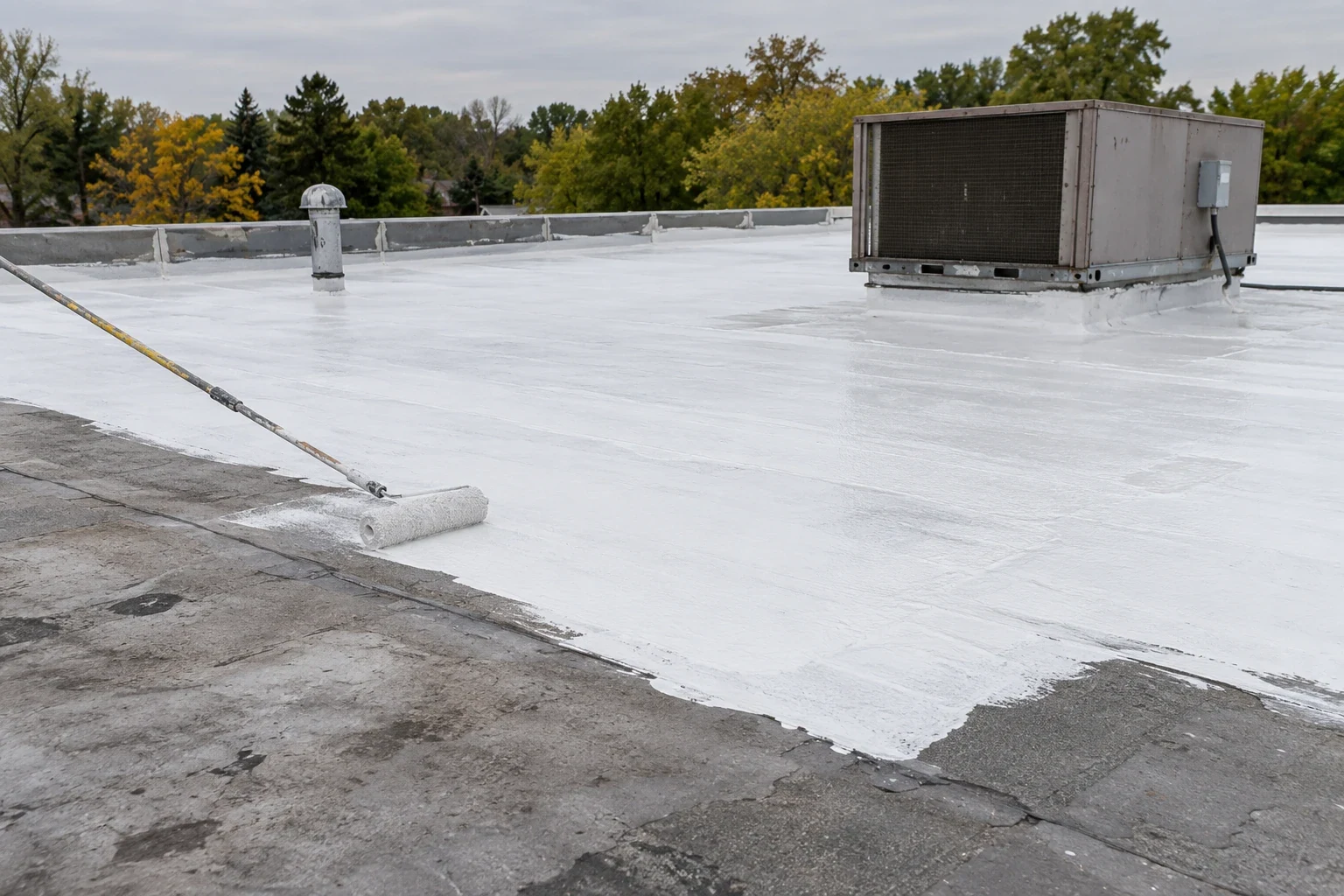
Silicone Roof Coatings
Silicone roof coatings in Queens, NY: liquid-applied reflective coatings for flat roofs that hold water, with testing, prep and recoat timing explained.
Ready to Talk About Cool Roof Installation?
Tell us about the building and what you are seeing. We will schedule a roof walk and send photos and a written scope.