

An owner with twelve buildings gets twelve different roof problems on twelve different days, and each one arrives as an emergency. The buildings were bought at different times, roofed by different crews and repaired with different materials, so nothing about them lines up. A multi-site program replaces that scatter with a single approach: the same inspection, the same record, one ranking and one schedule across every roof you own. The first benefit is calm. The second is that the money goes where it is needed most.
What is a multi-site roof program?
It is a standing arrangement for looking after many roofs. It starts with an inventory of every building and roof, with age, system, layers and condition. It adds a regular inspection cycle, a repair process, a reserve for emergencies and a multi-year plan for coatings, recovers and replacements. One team handles all of it, so the owner deals with a single contact and a single report format.
The program is not a contract for everything. Each building still gets its own scope and price when work is needed. What the program provides is order: a ranked list, a calendar and a record that follows each roof. That order lets an owner compare buildings fairly and decide where a limited budget does the most good.
How is a program set up?
Walk it with me. The first step is the list: addresses, contacts and access arrangements for every building. The second step is the first round of inspections, usually starting with the roofs that cause the most worry. The third step is the ranking, which sorts roofs by likelihood of failure and the cost of a leak. The fourth step is the plan, which assigns each roof a recommended action and a target year.
The program then runs on a cycle. Roofs are inspected on a schedule, drains are cleared before storm season, repairs are made as they appear and the plan is updated each year. An asset record carries the information, and a capital plan carries the budget. Both are built for the whole group, with a page for each building.
Standard details save money over time. If every building in a group uses the same flashing at curbs, the same drain domes and the same walkway pads, repairs are quicker and parts are easy to stock. We write a short details sheet for the group and update it when a better method appears. New buildings join the program with the same sheet, so a recent purchase gets the same treatment as an old one from the first day.
How do we decide which roof goes first?
We rank by risk and consequence. A roof with wet insulation and a history of leaks over a busy retail floor is at the top. A roof in fair shape over an empty warehouse bay is lower. Two roofs of the same age and system can sit at opposite ends of the list because of what lies beneath them.
We also look for efficiencies. Roofs of the same system, on the same street, can be bid together. Buildings with similar details can use the same specification. A group of roofs that need the same repair can be done in a single visit. The program turns those overlaps into savings of time and mobilization, though we do not promise a percentage.
Reporting is part of the ranking. Each cycle ends with a short summary: roofs inspected, repairs made, items deferred and the updated order of the list. A controller can read it in five minutes, and a property manager can follow the detail behind each line. When the numbers change, the summary says why, which keeps the budget conversation grounded in what the roofs are doing.
What does a Queens portfolio look like?
Portfolios in Queens vary widely. With the most diversified economy of the five boroughs and a 2024 GDP of about $111.1 billion, the borough can put a Long Island City conversion, a Ridgewood rowhouse block, a Maspeth industrial building and a retail center into one owner's hands. Between them, a program may cover the Maspeth Industrial Center's lowlands, a 550-acre office and industrial park in College Point, and the retail at Rego Center Phase II, where 950,000 square feet line 62nd Drive.
The spread matters in storms. Sandy put Maspeth under six feet of water in October 2012, and in September 2021 the remnants of Hurricane Ida triggered the first flash flood emergency the city had seen, with Queens counting most of the deaths. A program checks drains at every building before the season and answers a storm in a planned order, and visits to Maspeth and Ridgewood can be fitted into one cycle.
Distance seldom decides anything in a borough this compact. Flushing Meadows-Corona Park, Corona, Rego Park, Elmhurst and Maspeth lie along the Long Island Expressway on its route to the Nassau County line, and the Van Wyck Expressway and Grand Central Parkway join it inside the park. A day's visits can follow those corridors, covering several buildings without hours lost to travel.
How does the program handle the calendar?
The calendar follows the seasons. Spring brings inspection and the start of coating and replacement work, summer and early fall are the main construction season, late fall is for drain cleaning, edge checks and winter prep, and winter is for emergency repair and planning. With snow averaging about 29.8 inches a year and 27.3 inches falling on January 23, 2016, readiness for snow is a standing item.
Heat shapes the summer list. Roofs with failing coatings or hot, dark surfaces rank higher because Central Park averages close to 85 degrees on July afternoons and the heat island adds to it. A preventive maintenance visit each spring and fall keeps the calendar honest across the group.
What is the next step?
Send a list of your buildings with addresses, any roof papers and photos of the ones that worry you. We will describe, in plain steps, how a program would start, which roofs we would visit first and how the cycle would run, with price coming afterward. Owners with sites across the borough can begin with a condition report on the top three.
Questions Owners Ask
What building owners and managers usually ask before a roof visit.
There is no fixed number. Owners with three or four buildings already benefit from a shared ranking and calendar. The more buildings you hold, the more value the program adds. Even a pair of buildings gets cleaner records.
No. The program gives you a record and a plan you own. You can bid specific projects as you choose. We aim to earn the work through the quality of the plan and the way it is carried out. Many owners find that a shared record makes bids easier to compare.
The program includes an emergency path: a number to call, a team that knows the building and a reserve that covers immediate dry-in. Permanent repairs follow the normal process. Afterward the roof joins the repair queue, ranked against the others.
Yes. Property managers use programs for clients' buildings, with separate records for each owner. The format makes it easy to report to each client. Owner names and addresses stay in separate files.
Send a list of buildings with addresses and contacts, roof ages where known, any warranty papers and photos of roofs that concern you.
Related Roofing Work
Other pages that connect to Multi-Site Roof Programs.
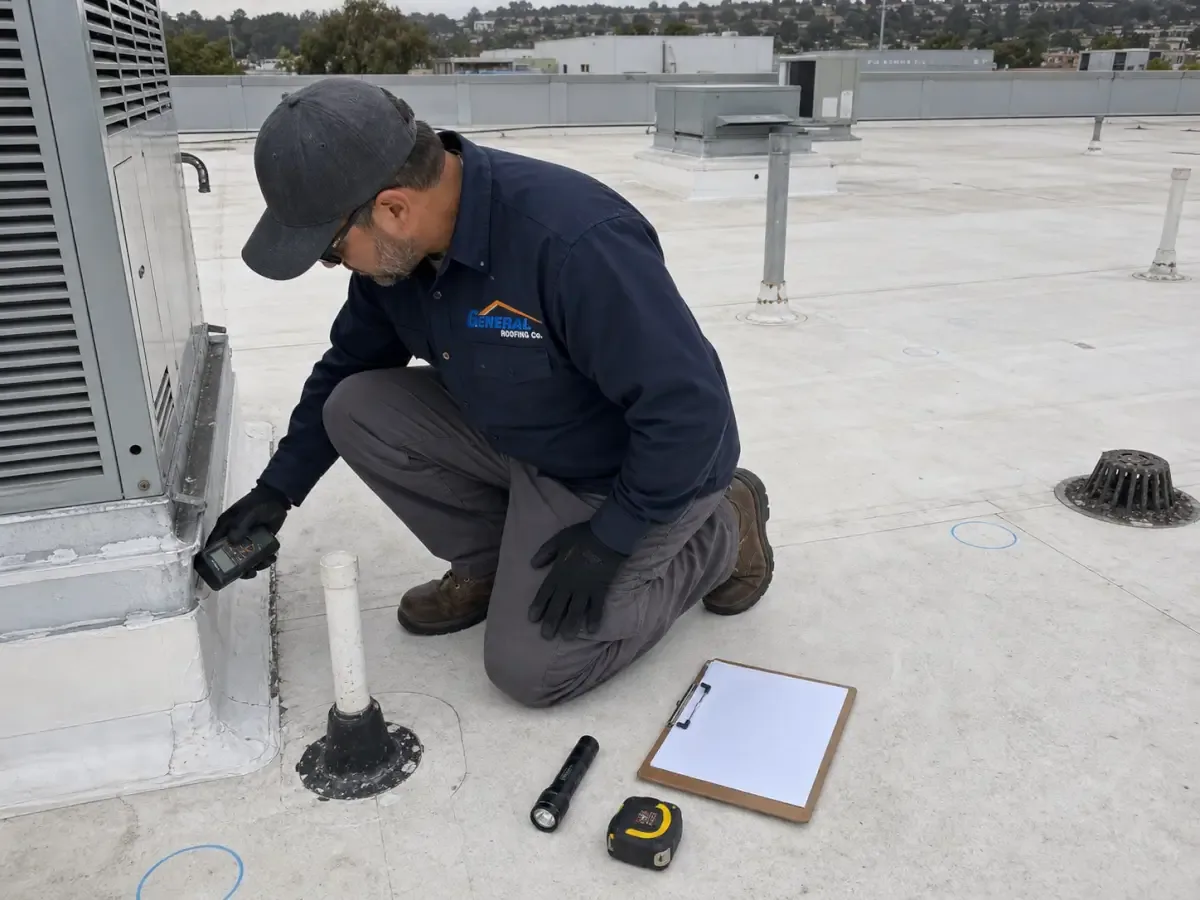
Roof Asset Management
Roof asset management in Queens, NY: a tracked inventory of roof age, condition and drainage across your buildings, so repairs and replacements follow facts.
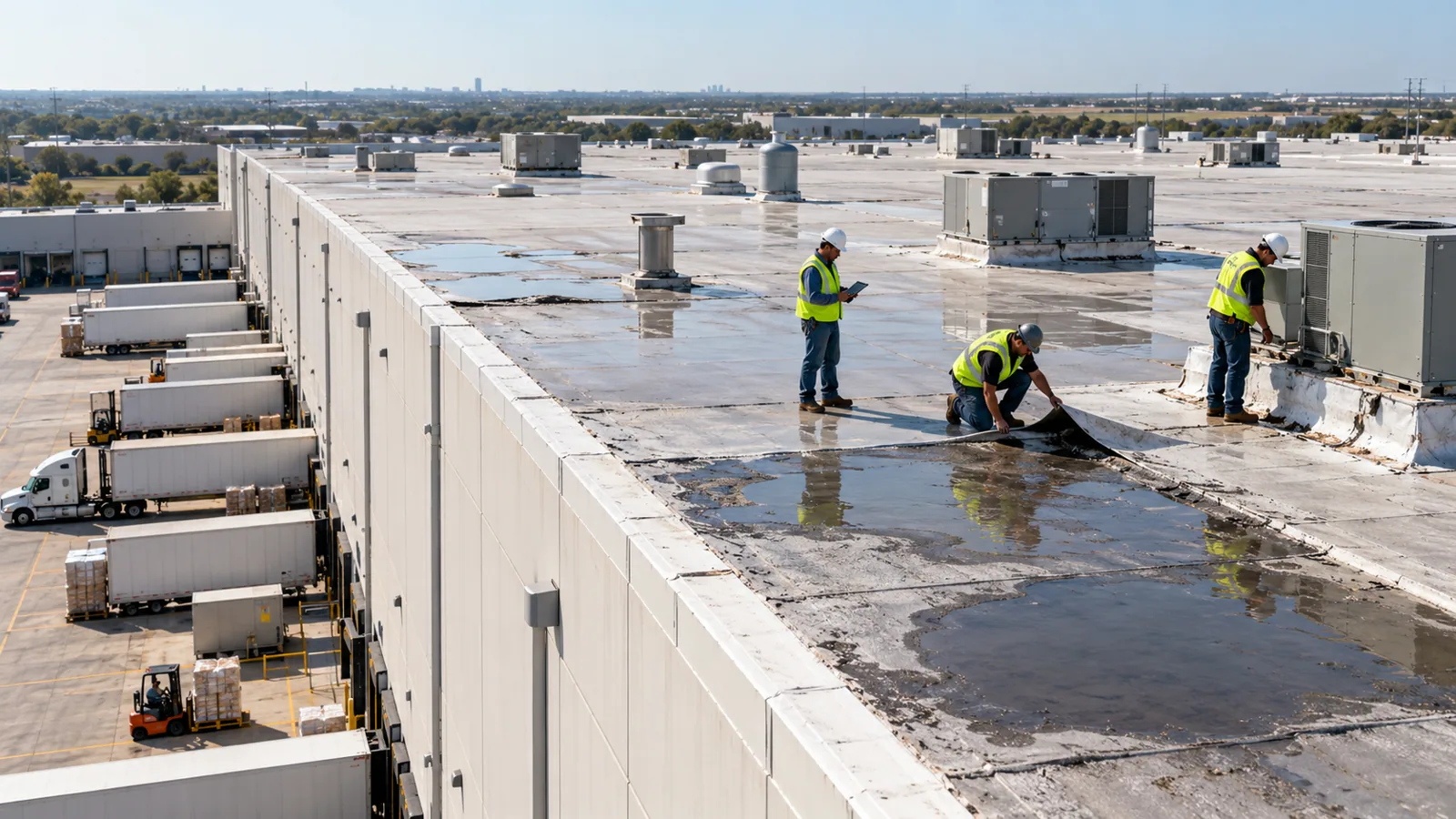
Roof Capital Planning
Roof capital planning in Queens, NY: budgets and replacement timing built from moisture data, condition ratings and building plans, so roof work is scheduled.
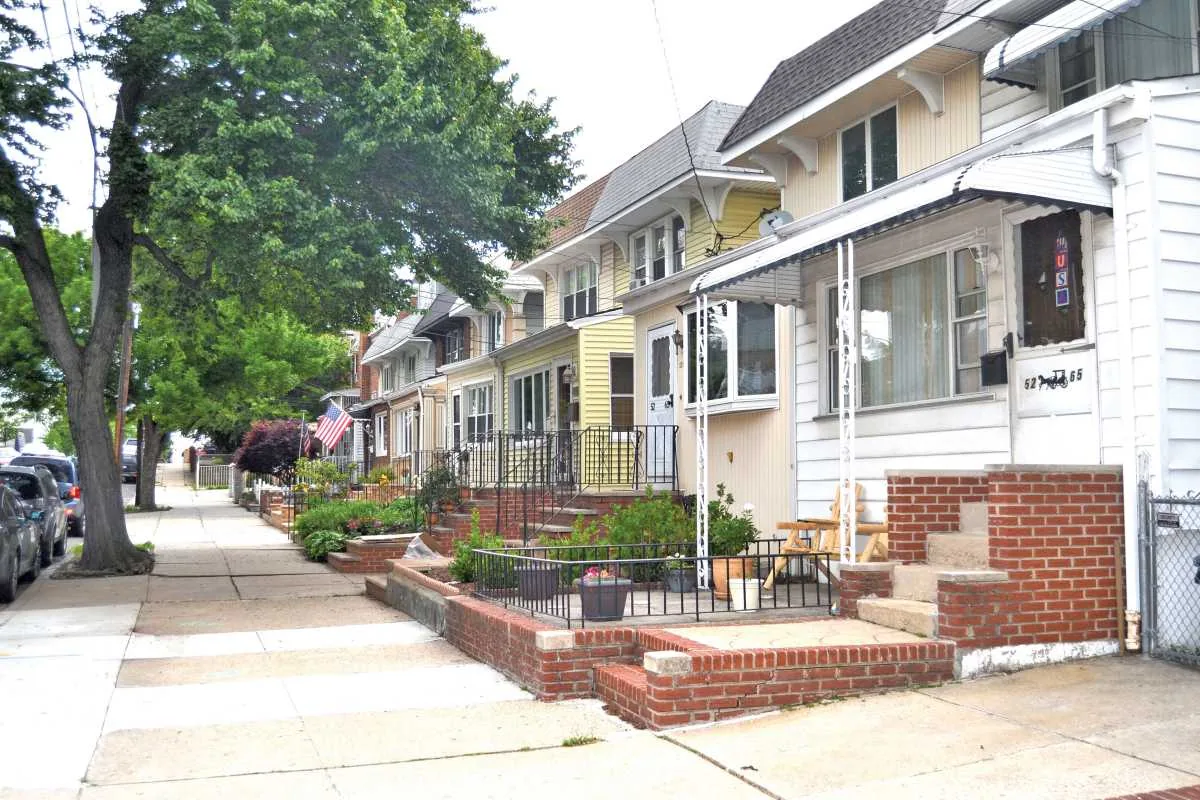
Maspeth
Commercial roof repair, recover and replacement in Maspeth, Queens, NY, for industrial lowland buildings, warehouses and Grand Avenue businesses.
Ready to Talk About Multi-Site Roof Programs?
Tell us about the building and what you are seeing. We will schedule a roof walk and send photos and a written scope.