
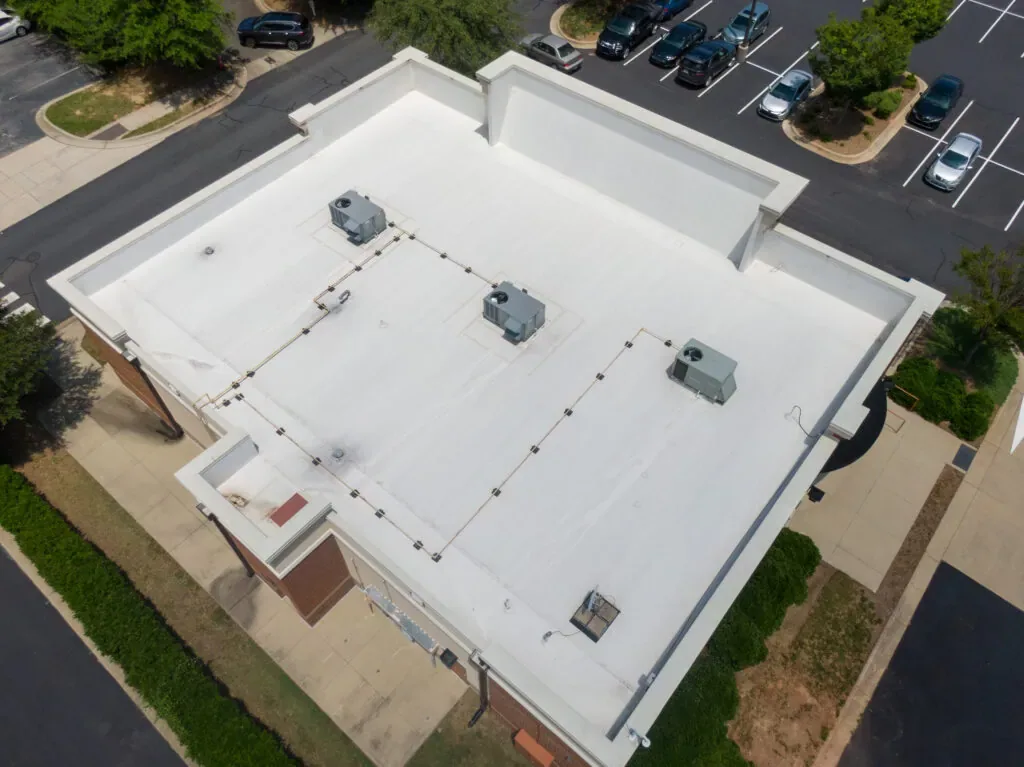
The warranty usually surfaces after the leak, when someone finally opens the folder and discovers the clause that excuses the manufacturer. A rooftop unit was added without notice. A repair was done by a crew the warranty did not name. A drain clogged for a season and the paperwork calls that neglect. A warranty is a contract with conditions, and the owner keeps it alive by meeting them. Managing it is mostly habit: know the terms, keep the records and call before anyone touches the roof.
What does a roof warranty actually say?
Warranties differ, so the first step is to read yours. Most cover defects in the manufacturer's materials, and some cover installation workmanship as well. Many exclude damage from storms beyond a set wind speed, from ponding water, from foot traffic and from changes made by other trades. Many also require regular maintenance and notice of any work on the roof.
The terms vary by manufacturer and by program, and a warranty bought with the original roof may differ from one added later. We read the document with the owner, mark the conditions that matter and list who must be told before roof work. That list goes in the file so it is available when the next repair is planned, not discovered afterward.
Dates are the other half. Warranties run from a start date, usually the completion of the roof, and some step down in coverage over time. Others require a first inspection by the manufacturer at a set point. We note each date on a calendar so the owner does not learn of a deadline after it has passed.
What commonly puts a warranty at risk?
Walk it with me. The first risk is unauthorized penetrations: a new unit, antenna or conduit run that cuts the roof without notice or approved flashing. The second is unauthorized repair, where a patch is made with the wrong material or by a contractor the warranty does not accept. The third is neglect: clogged drains, ponding, debris and missed inspections. The fourth is a change of use, such as heavy foot traffic or equipment the roof was not built to carry.
The fifth is paperwork. Many warranties require notice within a short period after a leak, and a late call can undo coverage. For that reason, we recommend a standing rule: no one works on the roof until the roof manager has checked the warranty, and any leak is reported promptly in writing. A preventive maintenance program supplies the routine records that many warranties ask for.
Weather can also trigger exclusions. A warranty may exclude damage from winds above a stated speed or from events it classifies as acts of nature. After a storm, we document the roof's condition with photographs and note what the weather did, so the owner can tell the manufacturer, the insurer or both exactly what happened and when.
What records should be kept?
A warranty file has a short list of items. The warranty document itself, with its start date, term and conditions. The original installation records, including the system, the products and the crew. Every inspection and maintenance visit, with dates and photographs. Every repair, with the work done, who did it and the materials used. Every leak report and the response. Every change to the roof, such as new equipment, with the approval that allowed it.
That file sits beside the roof's asset record, and the two overlap. When a claim is made, the manufacturer will ask for these items, and an owner who can produce them in a day is in a stronger position. We keep our copy and the owner keeps theirs.
Photographs are worth more than text. A dated image of a seam, a flashing or a drain at installation and again at each inspection shows the manufacturer the roof was cared for. We take them from marked positions so they compare cleanly, and we store them with the visit notes so the file can be read in an afternoon.
How are repairs handled so coverage survives?
The rule is simple: tell the right party before the work. If the warranty requires the manufacturer's approval or its approved roofer, we get that before we start. Where a repair is minor and allowed under the warranty, we follow the manufacturer's published details, document the work with photographs and send the owner a record. Where the repair is covered by the warranty, the owner files the claim and we cooperate with the manufacturer's inspection.
Emergency work is the hard case. A roof that is leaking in a storm cannot wait for a letter. We make the roof safe with temporary measures that do not alter the warranted membrane, record what we did and notify the owner so notice can go out the next business day. A good emergency roof repair leaves coverage intact.
What does this look like in Queens?
Queens roofs meet the very weather that warranties write exclusions for. Many warranties exclude ponding water, so a roof that pooled badly during Hurricane Ida's remnants on September 1, 2021, when the city declared its first flash flood emergency and Queens had most of the deaths, may raise a question later. Hurricane Sandy's surge set a record of 14.06 feet at The Battery and its hurricane-force gusts crossed the metro area, which is why wind exclusions deserve a careful read.
Changes of ownership matter too. The borough's economy is the most diversified of the five, with a 2024 GDP of about $111.1 billion, and a building that changes hands needs its warranty carried over. Many warranties transfer, but only with notice and sometimes a fee or an inspection. For a seller or buyer, a due diligence roof survey confirms that coverage is in force, and for a roof in College Point or anywhere else the warranty papers belong in the same folder as the roof record.
What is the next step?
Send a copy of the warranty, if you have one, with the roof's age, photos of the roof and any recent work. We will read it with you and explain in plain steps what it requires, what has put it at risk and what to do next, leaving price for afterward.
Questions Owners Ask
What building owners and managers usually ask before a roof visit.
In some cases. The warranty decides: some require the manufacturer's approved roofer, while others accept any qualified contractor who follows the published details. Read the warranty or call the manufacturer before work starts. A written approval from the manufacturer before the work protects the owner if a dispute comes later.
Make the area safe, take dated photographs and report the leak in writing as the warranty requires. Then call for temporary protection. Waiting can cost coverage. A short note of what was seen and when helps whoever files the claim.
Often. New penetrations, curbs and foot traffic can void coverage unless the warranty holder approves the details. The roofer who flashes the new unit should coordinate with the manufacturer. Keep a drawing that shows where each new unit sits.
Many can, with notice, a form and sometimes an inspection. The terms vary. We review the transfer conditions for the buyer and seller during due diligence. Starting early avoids a gap in coverage during closing.
Send a copy of the warranty, the roof's age, any repair invoices and photos of the roof. A list of rooftop equipment added since installation is useful.
Related Roofing Work
Other pages that connect to Roof Warranty Management.
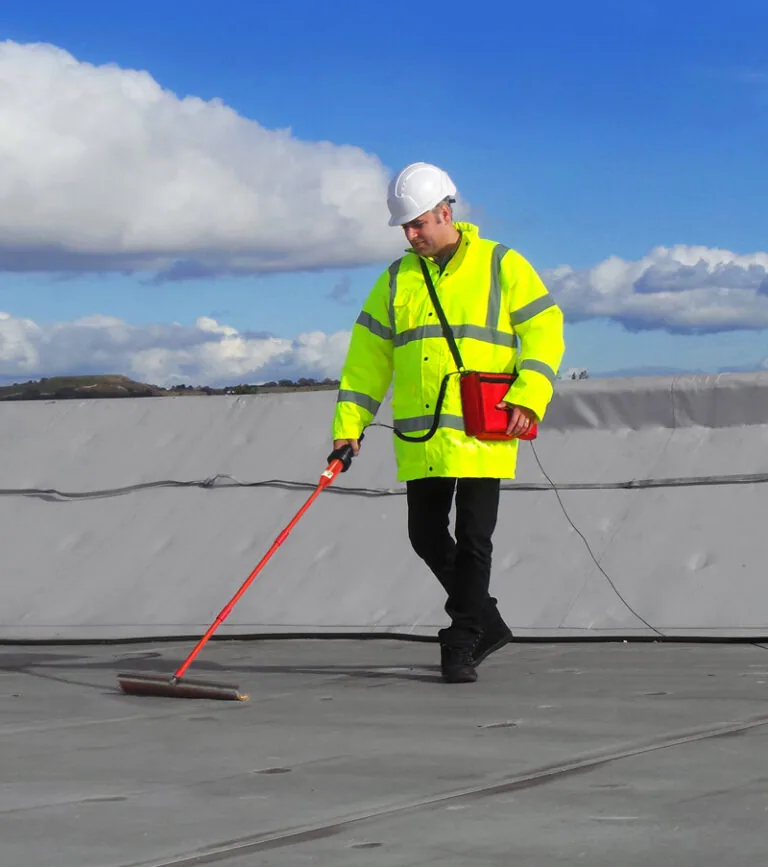
Preventive Roof Maintenance
Scheduled commercial roof maintenance in Queens, NY: seasonal drain and seam visits, flashing checks and written logs that catch small faults early.
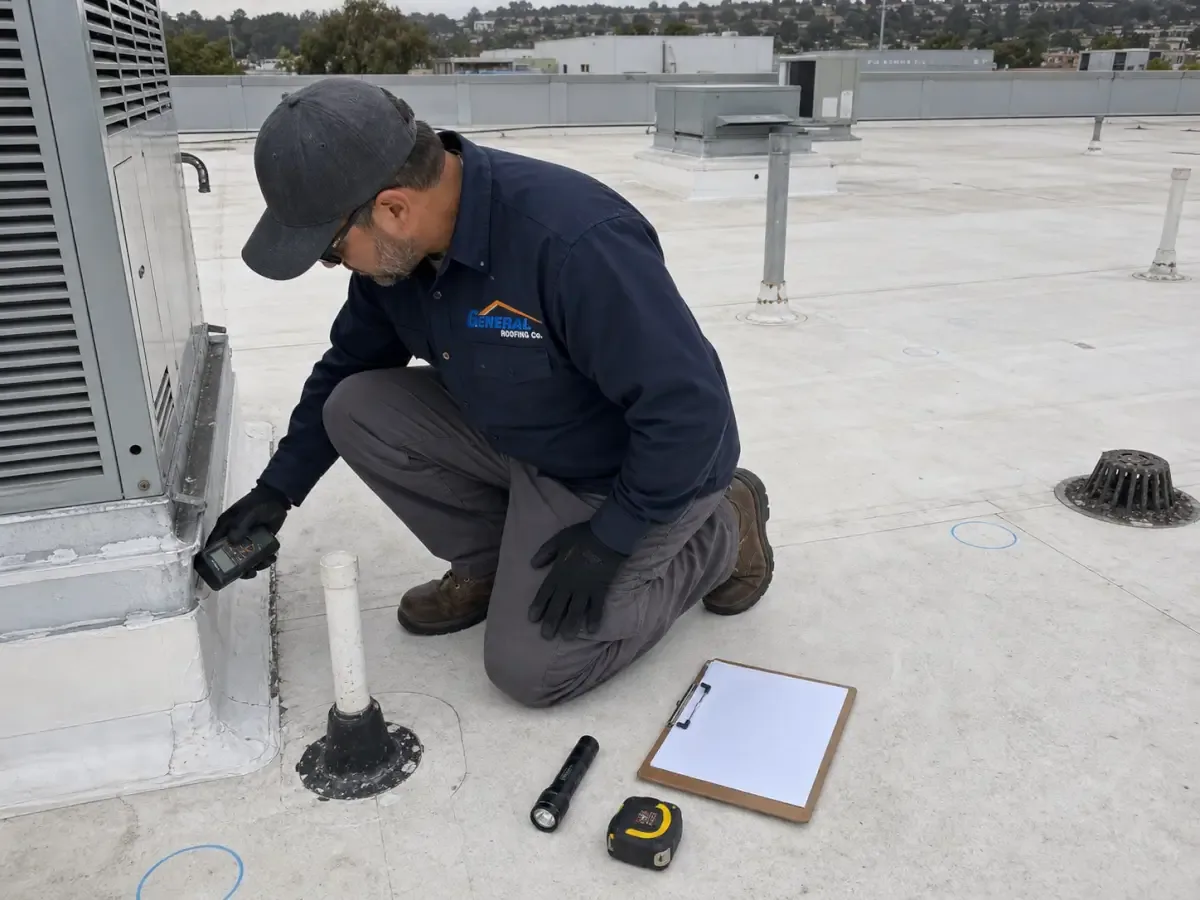
Roof Asset Management
Roof asset management in Queens, NY: a tracked inventory of roof age, condition and drainage across your buildings, so repairs and replacements follow facts.

manufacturer's published details
Rates, terms, and how the desk structures it.
Ready to Talk About Roof Warranty Management?
Tell us about the building and what you are seeing. We will schedule a roof walk and send photos and a written scope.