
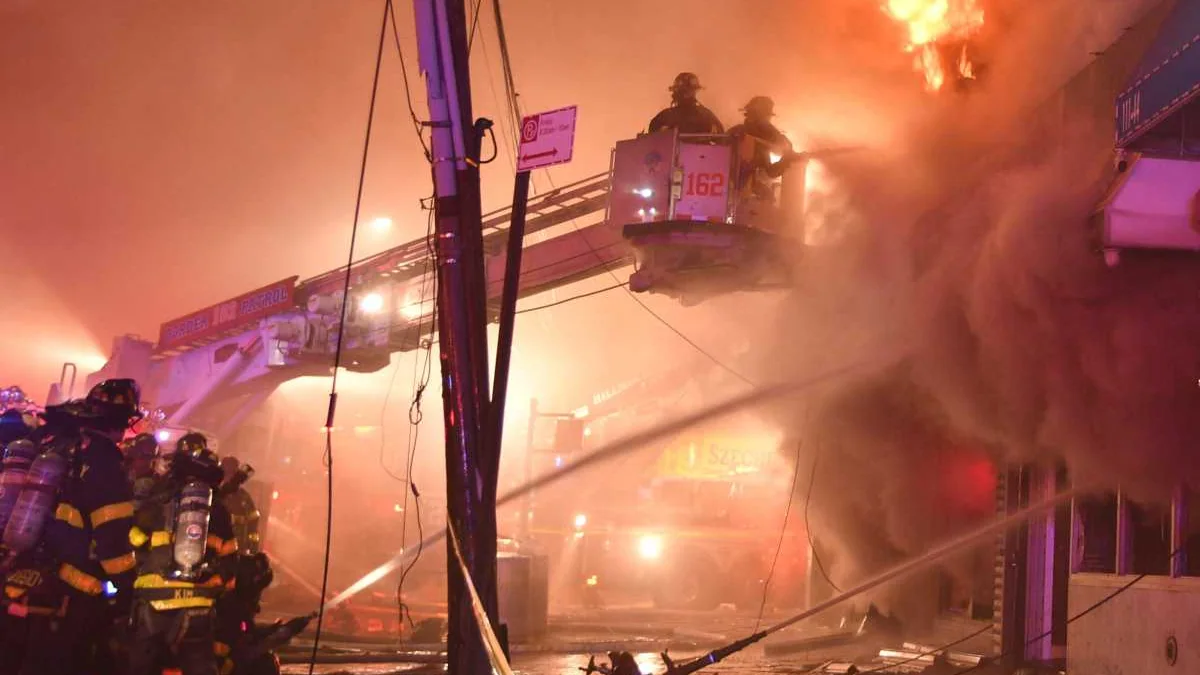
The first thing an adjuster usually has on a roof claim is a photograph of a stain and nothing more, taken from inside before anyone has walked the roof. The stain proves water came in. It does not show how, when or why, and those three answers decide what the policy pays for. A storm that lifts a flashing is a covered event. Years of seam wear that finally let go are not. The difference lives on the roof, in the condition of the metal, the age of the sealant and the pattern of the water. Adjusters and restoration contractors working in Queens, NY meet us at the stain, and from there the commercial roof repair and replacement work runs back to the roof a step at a time.
Follow me from the photograph up to the deck.
What does the adjuster see first, and what is missing?
The adjuster sees a stain, a claim number, a date of loss and a policyholder who is sure the storm did it. What is missing is a record of the roof before the loss, a map of where the water sits now and a note on whether the damage matches the weather. Without those, the claim turns on opinion.
We supply the missing parts. A moisture scan maps the wet insulation, which shows how far the water has traveled and whether it is recent. A hands-on walk marks lifted metal, displaced material and torn flashing, each with a dated photograph and a location on a numbered plan. Where an earlier rating exists, we compare it with the present one. The result is a document that separates fresh damage from older wear.
Dates matter more than words. Every photograph carries the day and a location on the plan, and every repair note carries the weather. If a claim reaches an appraisal or a dispute, a dated sequence is the strongest thing in the file.
What does storm damage look like next to wear?
Storm damage tends to be directional and fresh: edge metal lifted on the windward side, ballast moved in one direction, a flashing torn at one corner, debris impact marks. Wear tends to be general and gradual: seams opened across the roof, sealant gone brittle everywhere, surface granules or coating thinned in the sun-facing slopes.
The first thing to check is the edge and the corners, then the flashings, then the seams, then the drains. A blocked drain with ponding is a maintenance finding, and a lifted edge in a known wind event is a loss finding. We record each with a photograph, a location and a short note. For a loss that includes wind damage, the directional pattern is usually the clearest evidence.
Rooftop equipment sometimes settles a claim. A unit that has shifted, a fan cowling that has blown off or a vent boot that has split points to wind or impact, while rust and slow staining around a curb point to age. We photograph the equipment and the flashing around it, since the pattern of the damage says more than a single image.
What Queens events set the standard for claims?
Hurricane Ida's remnants on September 1, 2021 led to New York City's first flash flood emergency, and Queens had most of the deaths. Six feet of water stood in Maspeth after Hurricane Sandy in October 2012, the Rockaway peninsula was under mandatory evacuation, and a ten-foot surge from Jamaica Bay damaged homes and businesses along Cross Bay Boulevard in Howard Beach, with power out for up to three weeks. As of 2013 Willets Point had no sidewalks or sewers and flooded often in heavy rain.
Those events describe water at ground level. The roof sits above them, but its condition decides whether a building takes a second loss from above. We keep that in view when we document a claim, and owners in Howard Beach, Maspeth or Far Rockaway have a dated record of the roof on the day of the survey.
What does emergency mitigation look like on a roof?
The first step after a loss is to stop more water coming in. Emergency roof repair dries in the opening with a temporary membrane or a tarp secured properly, clears drains and photographs the condition before and after. Most policies expect the owner to protect the property after a loss, and a record of what was done and when supports the claim.
The temporary work is documented as temporary. It lists what it covers and what it leaves open, so the permanent scope is clear. A restoration contractor can then bid the interior work against known roof conditions, instead of discovering a still-leaking roof halfway through drying. Fire safety and access are part of the plan, especially on occupied buildings.
Interior protection is part of mitigation too. Covering equipment, lifting a section of ceiling to let insulation dry and moving stock are decisions made with the owner on the day, and they go into the same dated log.
How is the permanent scope written?
The permanent scope follows the survey. A dry assembly with local damage is repaired. A sound deck with dry insulation but a damaged surface may take a recover. Wet insulation or a damaged deck comes out. Each option is priced with its assumptions listed, and the report notes which items the loss caused and which are separate maintenance.
That separation helps everyone. The adjuster sees a scope tied to the event. The owner sees what the policy is likely to pay and what remains theirs. The contractor sees what to build. Roof insurance claim assistance in this form shortens the back-and-forth that slows most claims.
Weather and permits set the timing. Membranes bond best on dry surfaces in moderate temperatures, so a winter loss often gets a temporary roof first and the permanent one in spring. The scope says so plainly and prices the temporary roof on its own line.
What is the next step after a loss?
The next step is a call with the location, the date of the event and a few photographs, then a walk as soon as it is safe. We dry in what is open, scan, document and send the adjuster a report with a numbered plan. The same record helps property managers who handle many claims and general contractors who take on the rebuild.
Insurers and lenders read the same file at renewal. A dated rating and photographs after the repair show the roof's condition, which can matter for the next policy period.
Questions Owners Ask
What building owners and managers usually ask before a roof visit.
Look at the pattern. Storm damage runs in a direction and looks fresh, like edge metal lifted on the windward side, while wear is spread across the roof as open seams and brittle sealant. Dated photographs and a pre-loss rating make the comparison plain.
Dry in the opening, clear the drains and photograph the condition before and after. Keep the temporary work labeled as temporary. The record shows the owner met the duty to protect the property.
It shows where water sits and how far it has traveled, which indicates whether the entry is recent. Combined with the weather record and the damage pattern, it supports a conclusion about timing.
It sets the interior drying plan. If the roof is dried in and the moisture map is known, the contractor can scope drying against real conditions and avoid re-wetting.
Send the building address, the date of loss and photos of the stain, and of the roof where that is safe. We will go through, in order, what the roof is doing and how it matches the loss.
Related Roofing Work
Other pages that connect to Insurance Adjusters and Restoration Contractors.
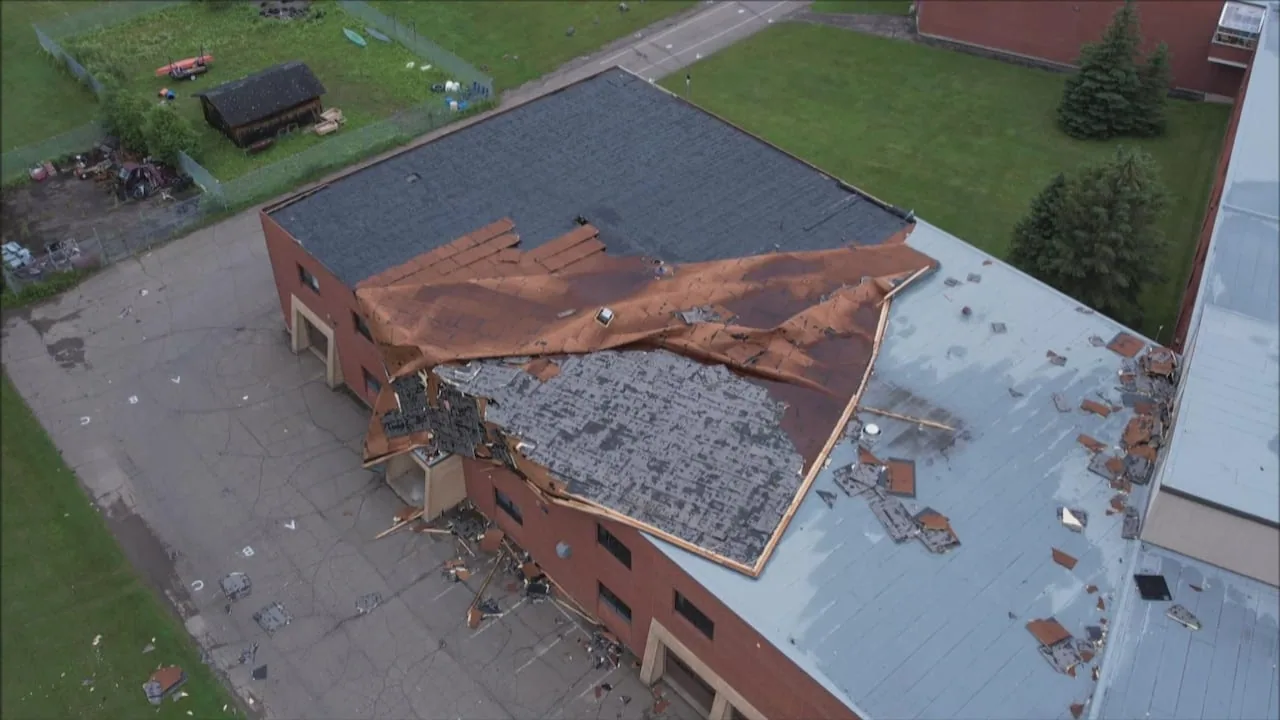
Wind Damage Roof Repair
Wind damage roof repair in Queens, NY: lifted edge metal, peeled membrane and loosened fasteners found, explained in plain steps and repaired at the edge first.
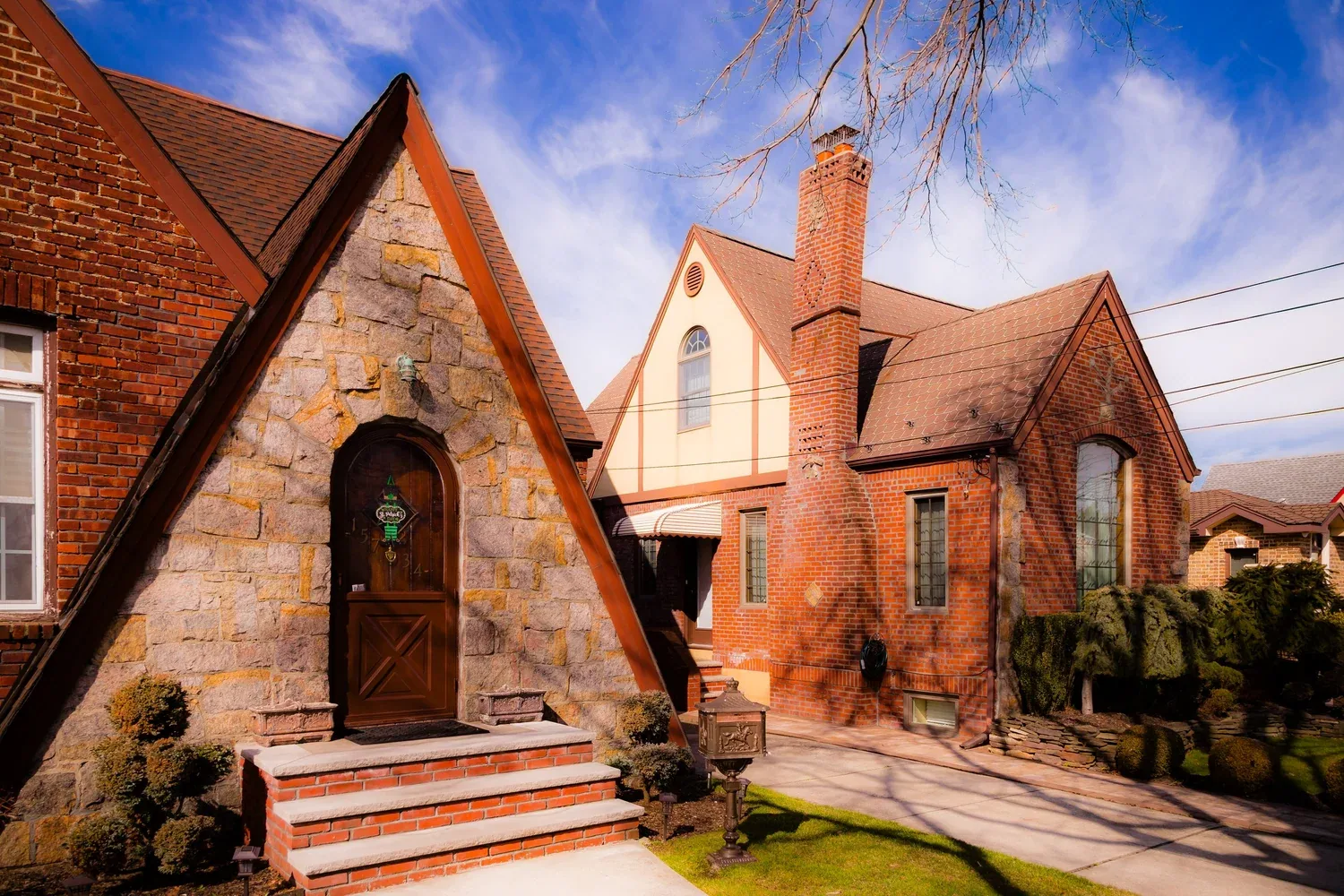
Howard Beach
Commercial roofing in Howard Beach, Queens, NY: Cross Bay Boulevard retail roofs, Lindenwood apartment roofs, bay-edge wind and salt, drain and edge repair.
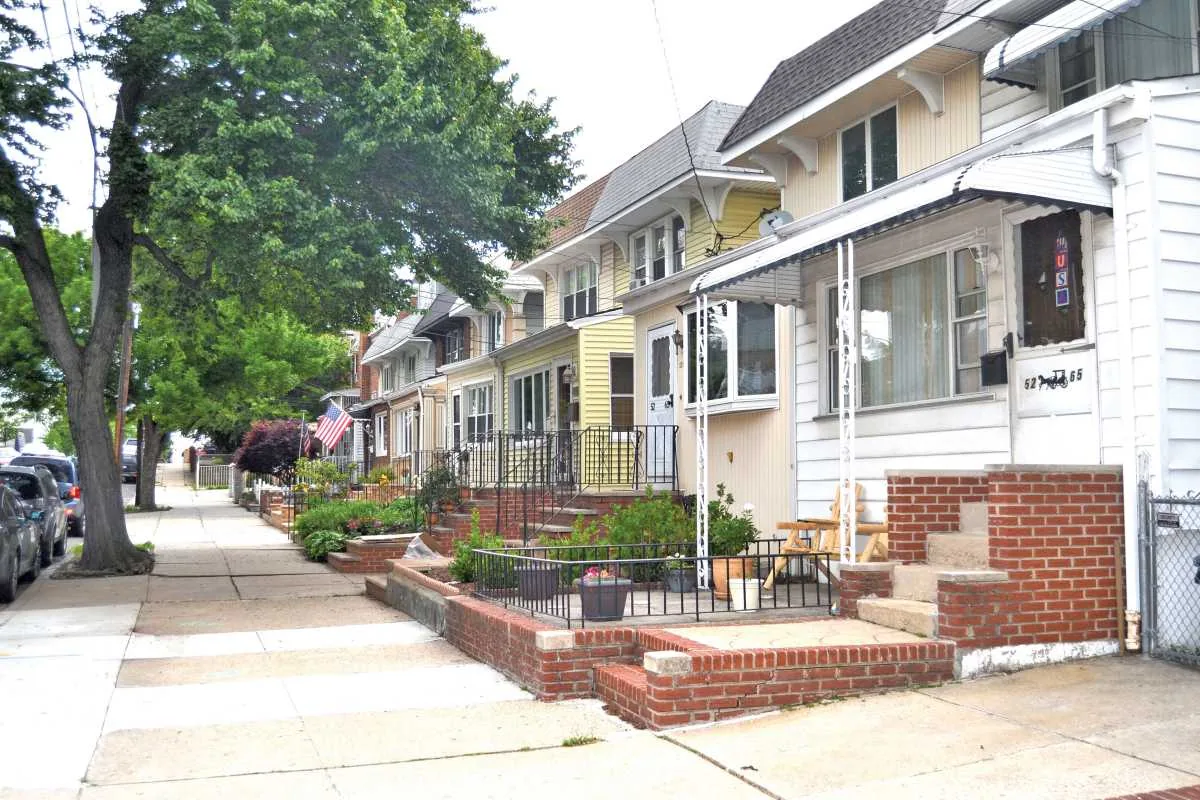
Maspeth
Commercial roof repair, recover and replacement in Maspeth, Queens, NY, for industrial lowland buildings, warehouses and Grand Avenue businesses.
Ready to Talk About Insurance Adjusters and Restoration Contractors?
Tell us about the building and what you are seeing. We will schedule a roof walk and send photos and a written scope.