
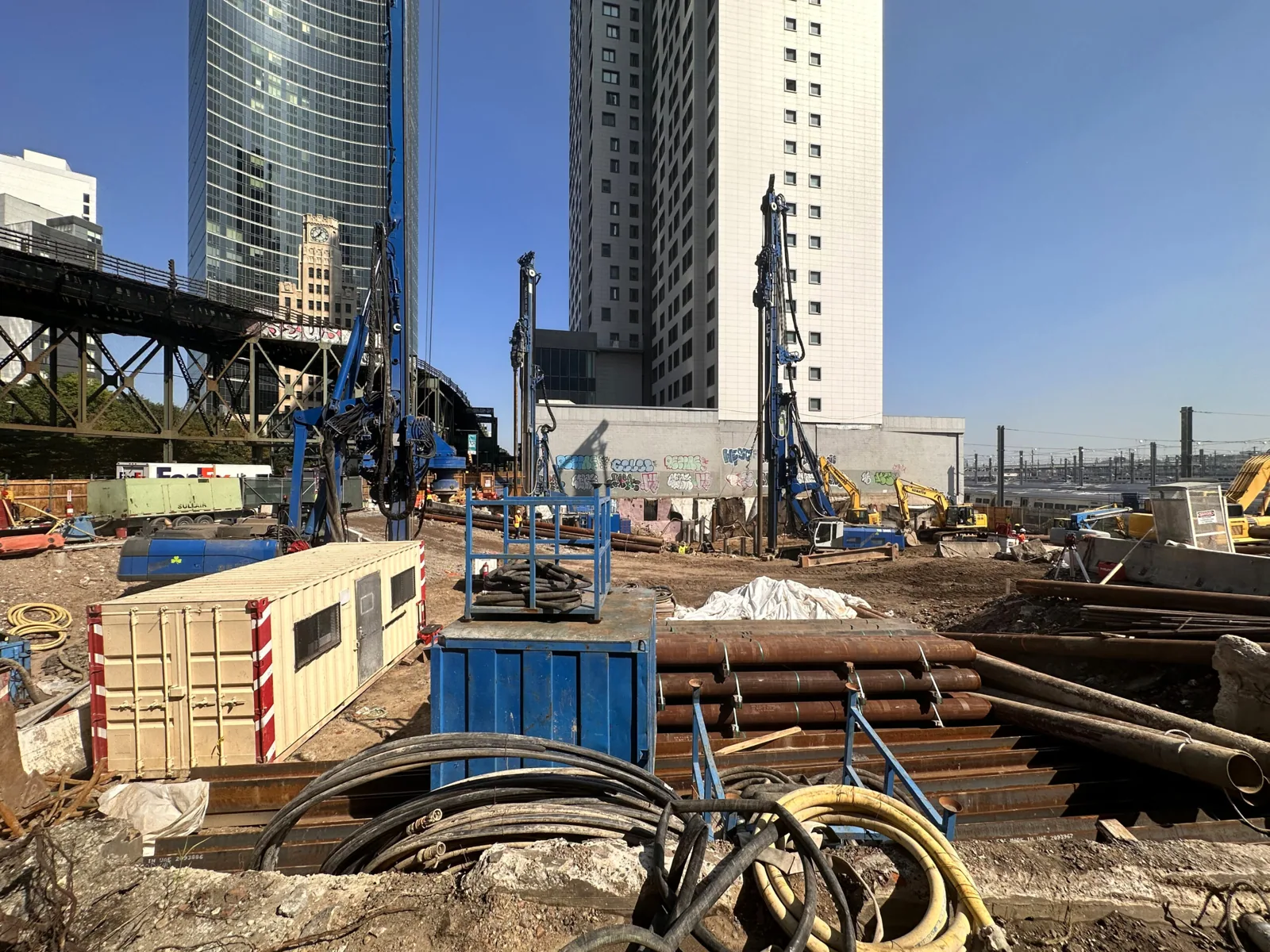
On a roofing sub-scope a general contractor seldom starts by noticing the roof. The first thing is a schedule line where three trades need the same twenty feet of parapet in one week, or a punch list item reading water at the stair tower, three months after turnover. The roof sits at the end of the critical path for dry-in and again at the start of every warranty claim, so a gap in the roofing scope shows up twice. General contractors working in Queens, NY bring us roof problems that start as a schedule conflict or a punch item, and from there we trace the cause back to the roof a step at a time.
Come along from the schedule line to the deck and the order of work becomes visible.
What does the GC see first, and what does it mean for the roof?
A GC sees a dry-in date that moves, a punch item about water, a rooftop equipment delivery that arrives before the curbs are ready, or a sub that cannot reach the roof because another trade holds the hoist. Each points to something specific. A moving dry-in date points to weather or sequencing. A punch item points to a flashing, a curb or a drain that was finished by a trade that came after the roofer. An early equipment delivery points to a missing coordination step.
We ask for the schedule, the sequence of rooftop trades and the equipment list. Laid against the roof plan, they show where trades overlap, and where a penetration will be cut after the membrane is down. That one document prevents most callbacks.
Access is the other schedule item. A hoist or a crane shared by several trades needs a booking sheet, and a roofing delivery that arrives without a slot sits on the street. We send material lists and lift weights early and agree the delivery window with the superintendent, so the roof crew starts when the deck is ready.
What goes wrong at the roof on a project?
Almost everything that goes wrong sits at a junction. A penetration cut through finished membrane by a mechanical sub. A curb set before the base flashing is ready. A parapet raised after the roofing. A drain set slightly high. A tie-in between a new roof and an old wall left with a thin flashing and no counterflashing.
The first thing to check on a punch item is the nearest drain and the nearest penetration. Next the tie-ins. Then the edges. A failed flashing found in the first winter is a warranty item; one found in the second is a dispute. Our walk at turnover records every junction with a photograph, so the question of who built what has a dated answer.
Rooftop equipment brings its own risks. A unit set on an unflashed curb, a conduit run through the membrane or a roof hatch cut in after the roofing is down all leave a hole with no owner. We number each on the plan, flash it at the right time and photograph it, so the sub who cut it and the sub who sealed it are both on record.
What kinds of projects does Queens offer a roofing sub-scope?
Conversion is at work in Long Island City, where former factories and bakeries now serve other uses, among them Silvercup Studios in what was a bakery and the Standard Motor Products building from 1919. Podium-and-tower construction shows at Rego Center Phase II, where a 312-unit residential tower stands on 950,000 square feet of retail. A 2017 rezoning of 23 blocks in the center of Far Rockaway allows retail and community space beside up to 3,100 residences, and construction of Etihad Park at Willets Point began in December 2024. Jamaica's 2007 rezoning allows buildings up to 28 stories near its transit hub.
Those facts show conversion, podium-and-tower, rezoned corridors and large new venues. Each puts different demands on the roof: an old masonry roof to be saved or replaced, a podium deck under a tower, a new low-slope roof on a mixed-use building. Contractors in Long Island City, Far Rockaway or Jamaica start with a survey of what exists.
Podium decks need extra thought. A podium roof under a tower often has pavers, planters or walkways over the membrane, and water under them is invisible. A flood test before the pavers go down is cheap, and a failure afterward is costly.
How does a conversion change the roof scope?
A converted building keeps the roof it had while its use changed underneath. A former factory now holding apartments or studios needs a roof that performs for the new use, and the survey should come before the design is fixed. Moisture in the insulation, the number of layers, the deck condition and the structure under planned rooftop additions all affect the budget.
The decision the GC needs from us is plain: can the existing roof be kept through the construction period, what must be stabilized now, and what will be replaced as part of the project. A mistaken full replacement before demolition is a waste. A missed saturated roof under a new amenity deck is worse. A due diligence roof survey answers those early.
How do weather and dry-in drive the schedule?
With Ida's remnants on September 1, 2021, the city saw its first flash flood emergency, and most of the deaths were in Queens. A roof under construction with open drains can fill within minutes, so temporary drainage and dry-in come first. Snow averages about 29.8 inches a year, and January 2016 delivered 27.3 inches in one day.
A membrane goes down best on dry surfaces in moderate temperatures, so the schedule carries slack for rain and wind, and temporary protection is priced for months when permanent work cannot proceed. Summer sets its own limit: July afternoons average near 85 degrees at Central Park, and a dark membrane in direct sun gets hot enough that handling takes planning.
Temporary roofs are the sensible answer to a long schedule. A temporary dry-in over a gutted building keeps water out until the permanent membrane can be installed in good weather, and it is priced as its own line so the owner sees the cost of the delay.
What is the next step for a contractor?
The next step is to send the drawings or the existing roof photographs, the schedule and the rooftop equipment list. We return a roofing scope with sequence, access, temporary protection and a list of coordination points, then walk the roof with the superintendent. The same record serves investors who fund conversions and restoration work after a loss.
Questions Owners Ask
What building owners and managers usually ask before a roof visit.
Before the design is fixed, if the building exists, and before the rooftop equipment schedule is fixed on a new one. Early involvement catches saturated insulation, structural limits and curb conflicts while they are cheap to change.
Put every penetration on one plan before the membrane goes down, assign each to a trade and require a roofing sign-off for any later cut. A numbered plan with dated photographs makes it a short conversation.
Photographs of every junction, a drain and penetration inventory, the warranty terms and a plan for the first inspection. That package answers the owner's questions and the GC's warranty exposure.
The base flashing climbs the wall, a counterflashing covers it, and the membrane is adhered with enough overlap to ride out thermal movement. A hose test before turnover proves it.
Send the drawings or photos of the existing roof, the schedule, the rooftop equipment list and the project address. What the roof needs will be laid out in plain steps ahead of any price.
Related Roofing Work
Other pages that connect to General Contractors.
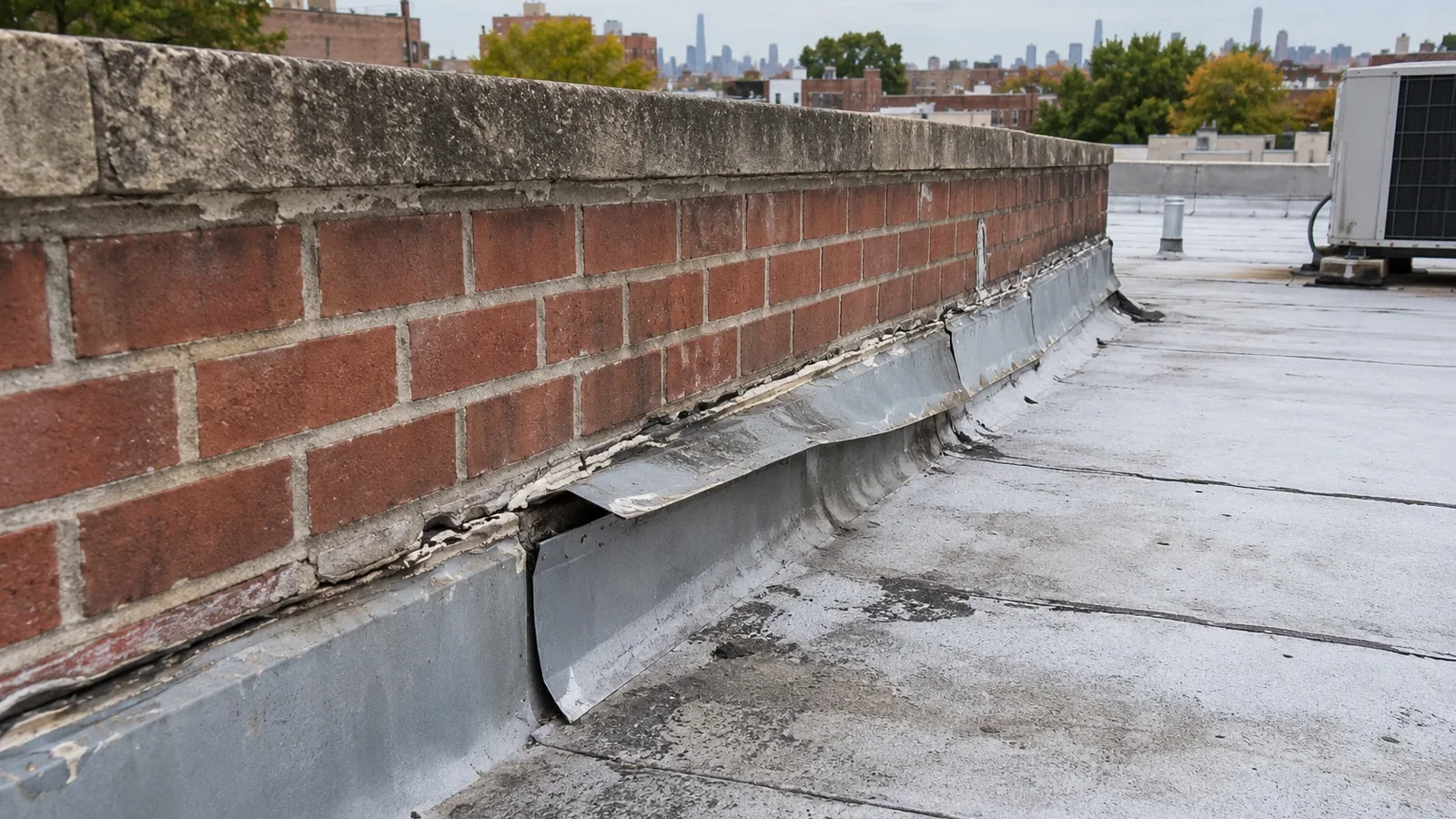
Flashing Failure Repair
Flashing failure repair in Queens, NY: cracked tar, lifted base flashing, open counterflashing and parapet leaks traced and rebuilt on commercial flat roofs.
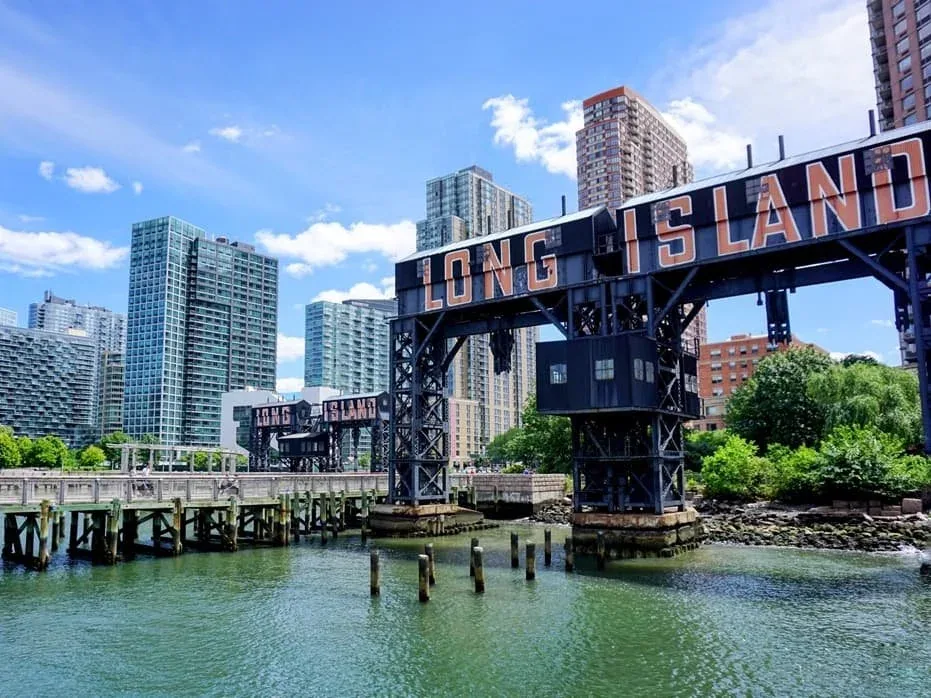
Long Island City
Commercial roof repair and replacement in Long Island City, Queens, NY, for masonry industrial buildings, converted factories and newer mixed-use roofs.
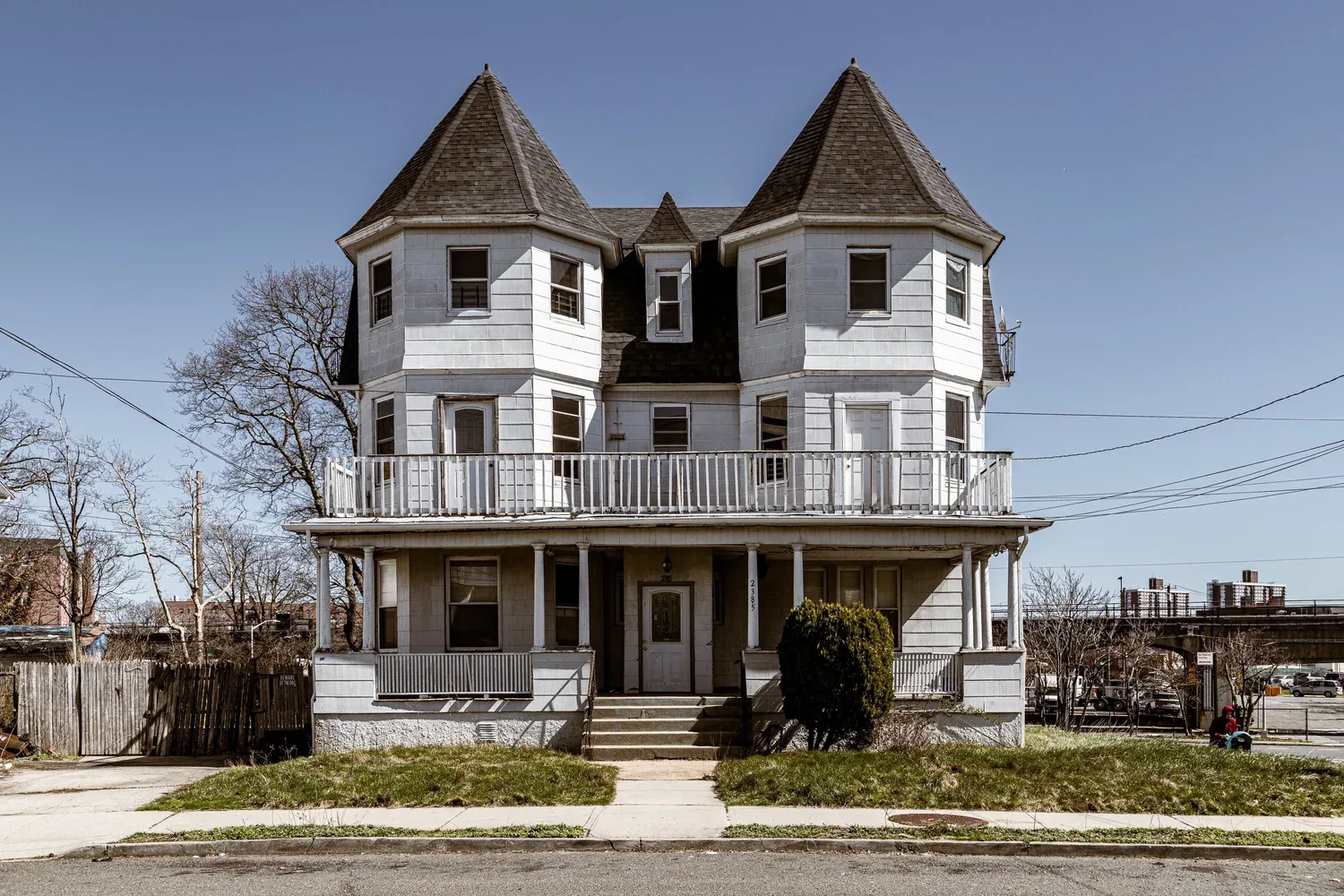
Far Rockaway
Commercial roof repair, coating and replacement in Far Rockaway, Queens, NY, for oceanfront-exposed mixed-use, retail and apartment buildings.
Ready to Talk About General Contractors?
Tell us about the building and what you are seeing. We will schedule a roof walk and send photos and a written scope.