
The first sign is usually a bubble in the paint over a bathroom door on the top floor, and by the time the super climbs the stairs it has turned into a brown stain the size of a dinner plate. In Queens, NY, apartment buildings range from six-family brick rows to towers of twenty stories, and the failure follows the same path in all of them: water enters at the roof, rides a pipe or a joist, and shows itself wherever the plaster is thinnest. We start at the stain and work back in order, taking the drain first, then the seams, then the flashing at the parapet and around each penetration.
What does the super see, and what is the roof doing?
Apartment roofs announce trouble in a handful of places. Stains on top-floor ceilings point at the roof field. Stains high on an outside wall point at the parapet. Stains in a stairwell point at the bulkhead, and damp bathrooms and kitchens under the roof point at plumbing vents and exhaust fans. Each pattern sends us to a particular spot on the roof, and the drain is always the first stop.
Tenants are the building's early warning system. A complaint log with unit numbers and dates shows where water keeps returning, so we ask for it before we go up.
What is happening up there?
An apartment roof carries a small number of big details. A parapet wall rings the edge, and its coping and flashing handle most of the water. A bulkhead rises over the stair. Plumbing vents, kitchen exhausts and boiler flues pierce the field, and on a taller building a water tank, antennas and cooling equipment add more. Every one is a joint between materials that expand and shrink at different rates, which is why the joints open first.
Brick adds a second worry. Open mortar joints in a parapet let water into the wall, and it shows inside long after the roof looks fixed, so repointing and coping repairs belong in a lasting roof job.
Season matters as well. A dark roof over a six-story walk-up holds July heat, since Central Park averages near 85 degrees on a July afternoon and the heat island keeps the city warm after dark. In winter the freeze-thaw cycle opens seams at the parapet, where snowmelt runs against the wall.
What kinds of apartment buildings does Queens have?
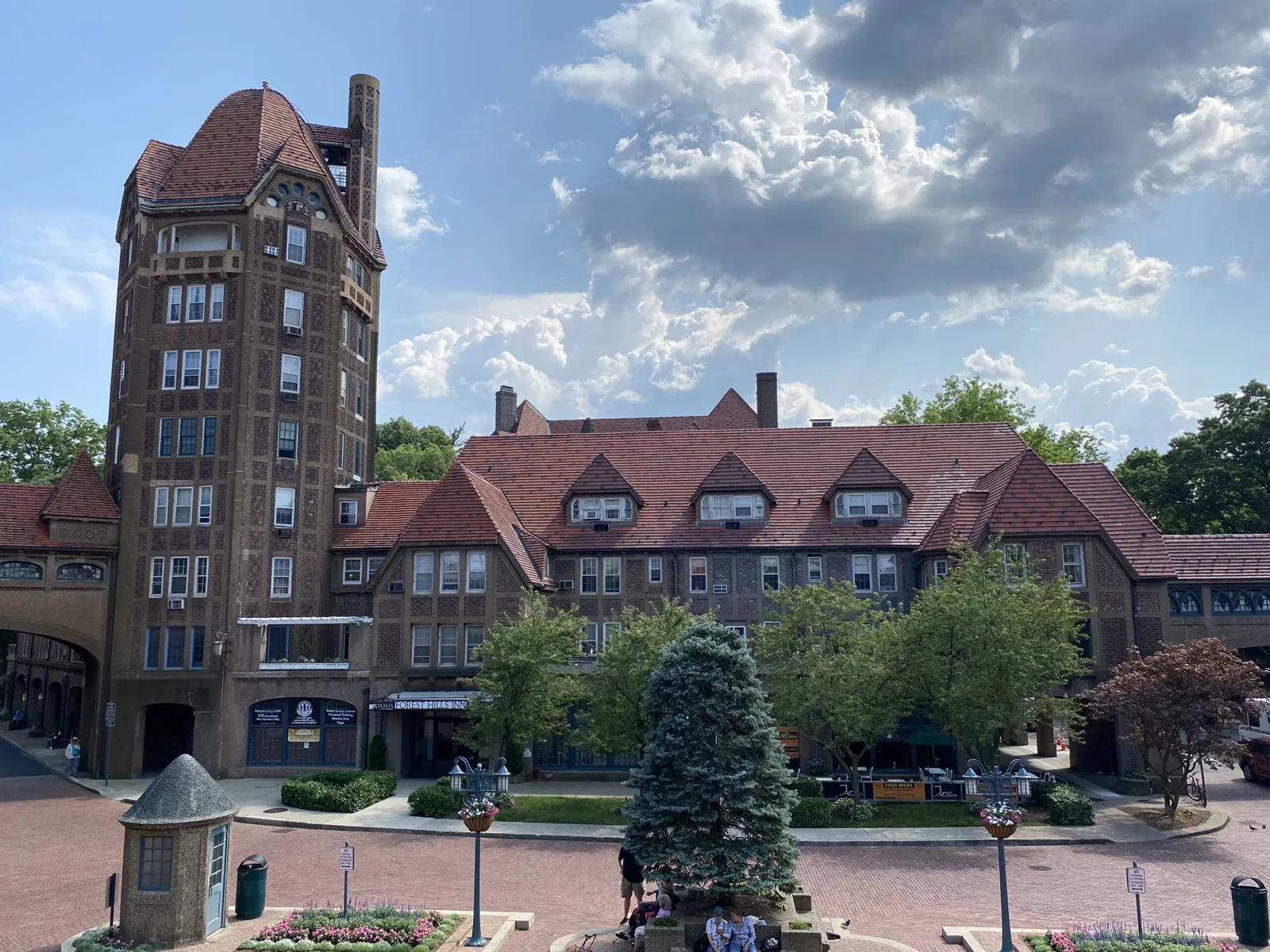
The housing stock is mixed. Ridgewood is mostly early twentieth century rowhouses, from six-family buildings by the Brooklyn border to two- and single-family rows further in, and yellow face brick is common. Elmhurst has apartment houses up to six or seven stories and developments such as LeFrak City. In Kew Gardens most buildings run four to ten stories, including the Kew Bolmer, put up in 1915. Lindenwood in Howard Beach has six-story brick buildings from the 1960s. Fresh Meadows includes a 20-story tower finished in 1962 and the 288-unit Meadowlark Gardens, and Rego Center carries a 312-unit residential tower on top of its retail.
Housing also shares roofs with other uses. A residential tower over a retail podium has a deck in common with the stores below, much like a shopping center, and a building of long-stay tenants raises the same worries as a hotel about rooms that have to stay dry while occupied. A 2017 rezoning in the center of Far Rockaway allows up to 3,100 residences, so new roofs will rise beside the Atlantic.
How do we confirm the cause?
We go up with the super, who knows which stains keep coming back. Seams get probed, drains checked and the foot of every wall examined. An infrared moisture survey maps wet insulation without opening the roof, and cores verify it. On a tall building a drone pass covers the parapet and upper walls. The findings land in an inspection report with photographs and a ranked repair list that a board or an owner can read with no roofer at their elbow.
What are the repair options, and how do we work around tenants?
New flashing, a rebuilt drain sump and repointed coping add up to a leak repair that can hold for years. A worn membrane over dry insulation may take a coating or a recover, while wet insulation means replacement. People live under the work, so notice goes up before it begins, loud steps stay inside daytime hours, entrances stay protected and fumes stay clear of open windows and air intakes. The super gets a direct line to the crew lead, and the roof access is cleared before we leave each evening.
What does it cost to wait?
A leak in an apartment building costs more than the roof. The unit below needs its plaster, paint and floors redone again and again, a tenant may withhold rent or leave, and claims for damaged belongings add up. Wet insulation spreads, so a repair that was an afternoon of work becomes a section replacement. Hurricane Ida's remnants killed more people in Queens than anywhere else in the city in September 2021, and showed how quickly water can overrun a roof drain. Planned repair is far cheaper than a string of emergencies, and the owner chooses the timing instead of the weather doing it.
What is the next step?
Send the street the building is on, the roof age and a photo each of the worst stain and the nearest drain. The super and our crew lead walk the roof together, and we hand back a plain description of what it is doing and a repair order before price comes up. Buildings in Ridgewood and Kew Gardens are scheduled around the tenants' notice periods.
Questions Owners Ask
What building owners and managers usually ask before a roof visit.
Enough to plan around the noise and the access, which in practice means a written notice a few days ahead giving dates, hours and a contact. Work that touches a unit directly, a vent or a ceiling repair for example, deserves a personal call. Loud tasks stay in daytime hours and the entrances stay clear.
Frequently. Water slips into a wall through open mortar and loose coping, and no new membrane can stop it. We survey the parapet, repoint what has opened, reset or replace the coping and flash the wall itself. Doing it with the roof saves a second mobilization and gives the new membrane a sound edge.
Yes, and a year of lead time makes it cheaper than an emergency. A condition report with photographs, a moisture scan and a cost range gives the board a basis for a reserve, and we lay out repair, recover and replacement with their cost drivers so owners vote with numbers in front of them.
The roof is small next to the height, so wind at the edge and access matter more. The hoist, the staging and the weather windows get planned carefully, the perimeter is secured and materials stay contained. A thorough job on a small roof moves quickly, and the closeout walk covers every detail.
The super or the managing agent, with our help. We show them where the drains are and how to lift the basket, and we suggest a look after every heavy rain. A packed basket takes minutes to clear, and a short ladder checklist keeps a small clog from turning into a stain.
Related Roofing Work
Other pages that connect to Apartment and Multifamily Roofing.
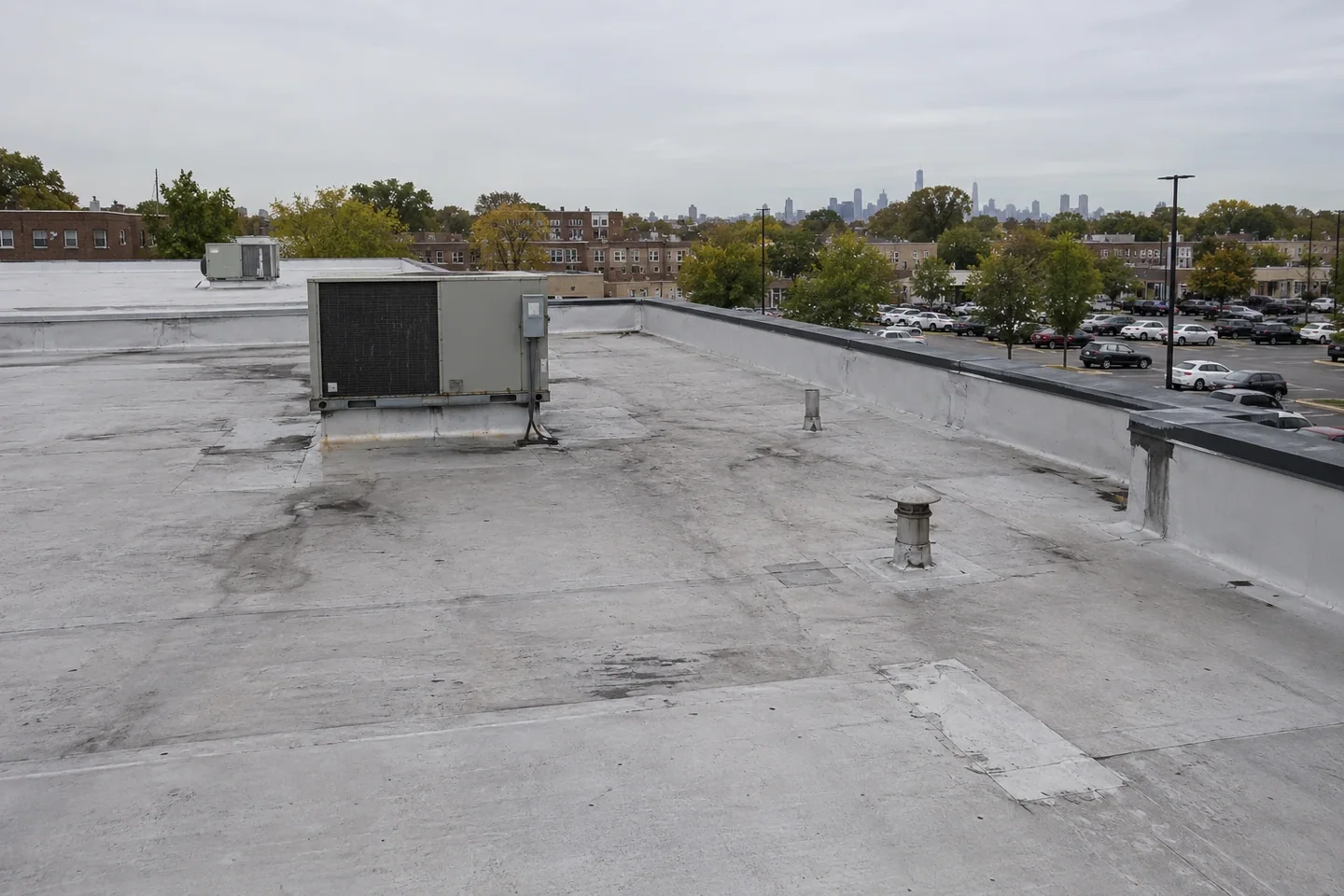
Shopping Center Roofing
Roofing for Queens, NY shopping centers and strip retail: tenant leaks, shared roofs, parking-deck tie-ins and repairs sequenced around store hours.
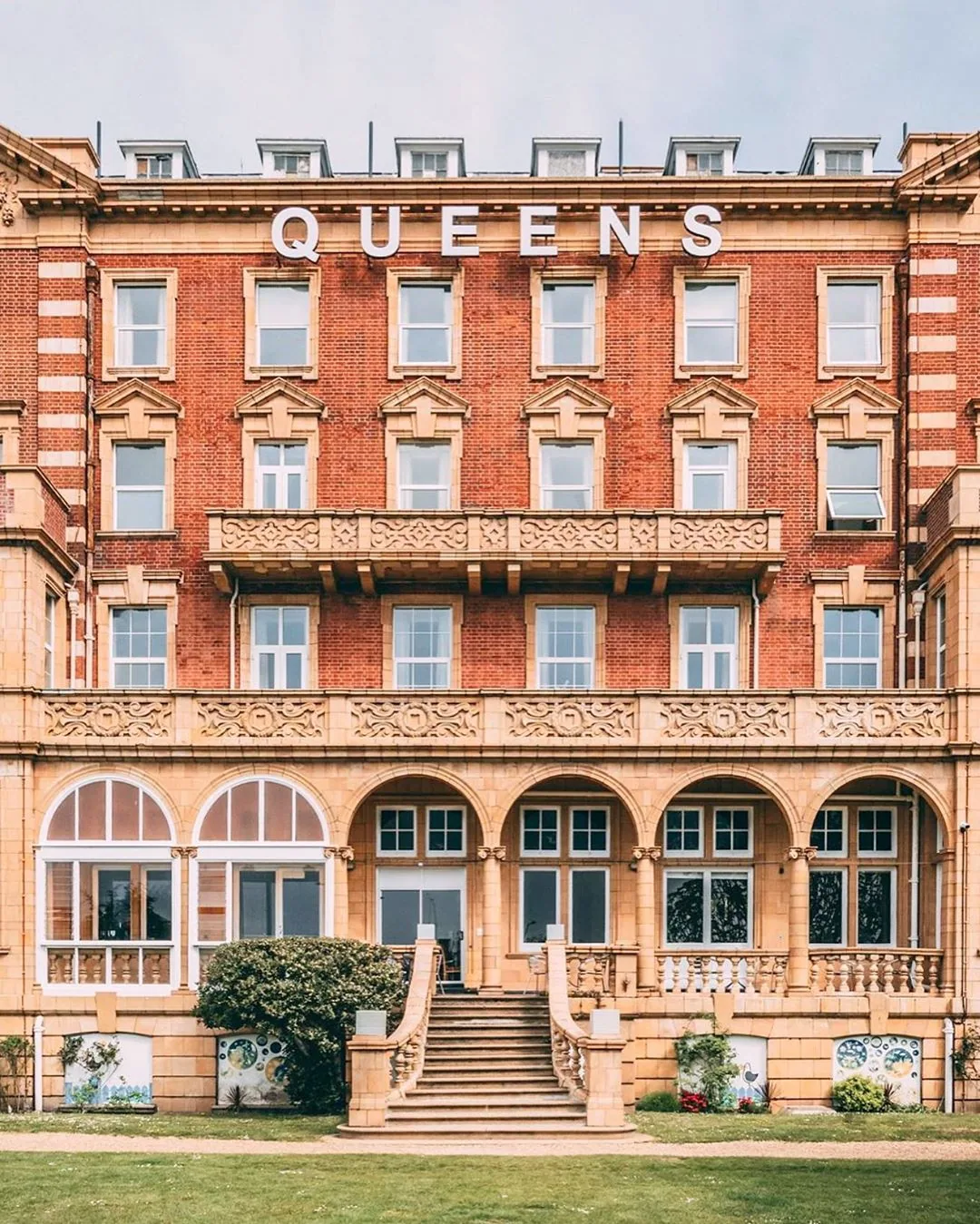
Hotel Roofing
Roofing for Queens, NY hotels: musty top floors, rooftop mechanical, terraces and work phased so rooms stay sold and guests stay undisturbed.
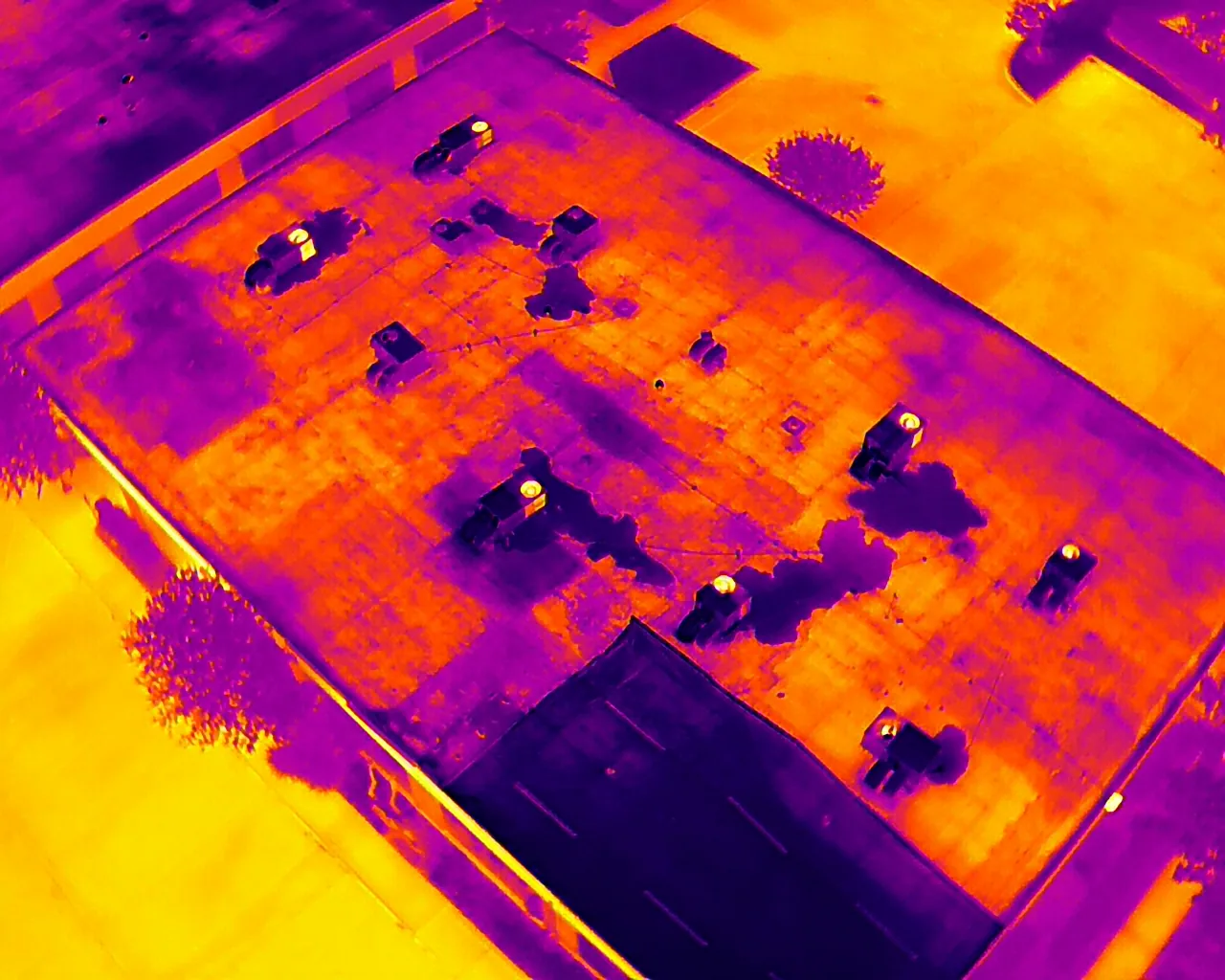
Infrared Roof Moisture Surveys
Infrared scans and core-cut moisture surveys for Queens, NY commercial roofs that locate wet insulation before the owner commits to repair or replacement.
Ready to Talk About Apartment and Multifamily Roofing?
Tell us about the building and what you are seeing. We will schedule a roof walk and send photos and a written scope.