
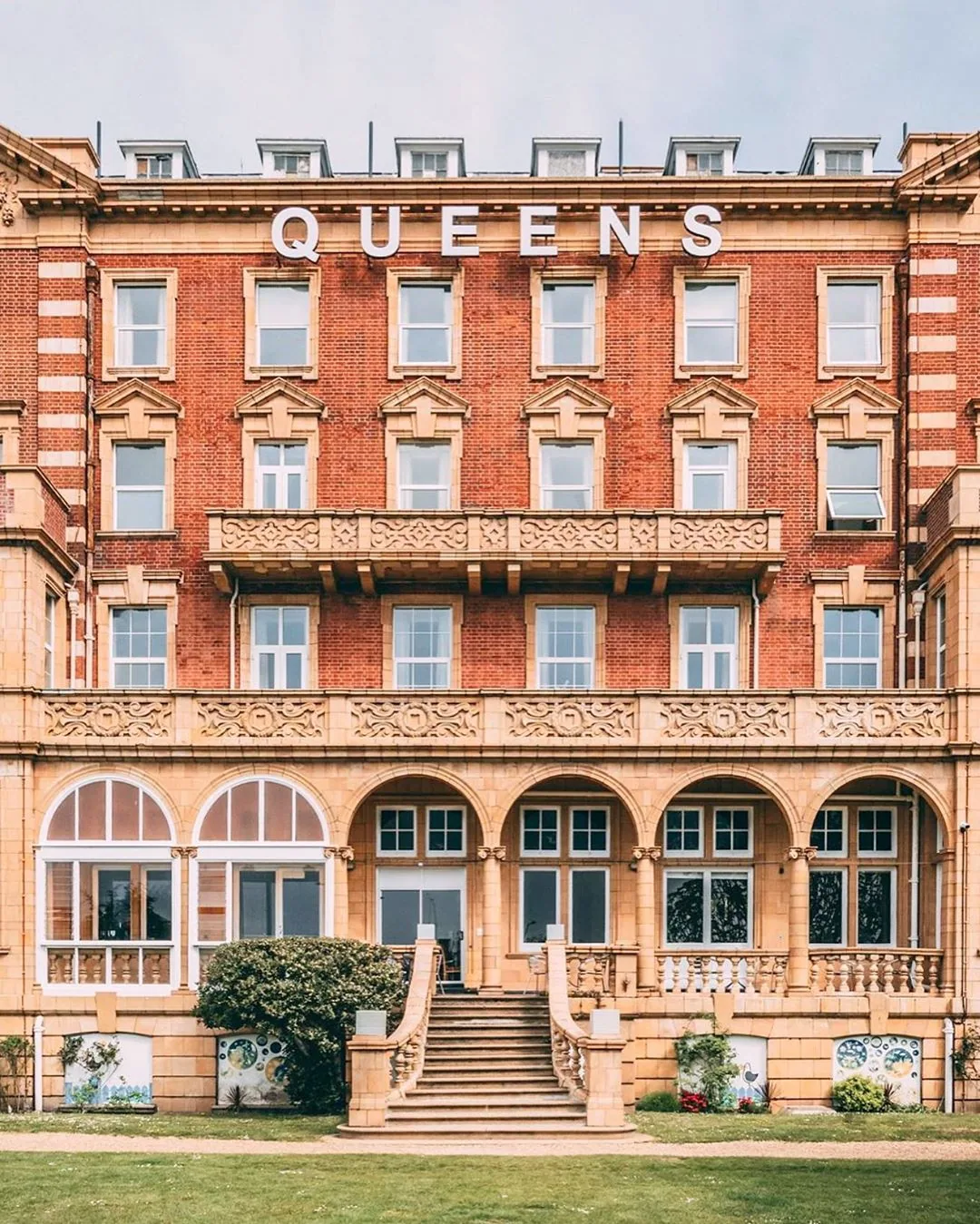
The front desk logs the same complaint three weeks in a row, a musty smell on the top floor, and that log is how a hotel roof problem tends to begin. Housekeeping airs the rooms, the engineer checks the vents, and the smell returns after the next rain. Hotels in Queens, NY sit near airports and busy commercial streets, and we start with that smell and trace the water up in order: the drain, the seam, then the flashing at the parapet and around each rooftop unit, where small openings let in the moisture a guest can smell before anyone can see it.
What does the engineer see, and what is the roof doing?
Roof trouble in a hotel shows up where guests can notice it. A stain at a top-floor window points to the parapet or coping, and a damp corridor ceiling by a stair tower points to the bulkhead door. A smell in a suite suggests wet insulation above the ceiling, while a drip in the ballroom suggests a long-span roof with ponding. Whatever the sign, the drain is the first thing we look at.
A room out of service loses revenue every night, so a hotel roof is judged by one test: could a guest ever have noticed? The repair order is written to pass that test.
Heat plays a part. Top-floor rooms under a dark roof run warm when July reaches 85 degrees in a strong heat island, and the air handlers above them labor harder. A reflective surface at the next replacement lowers that load and the utility bills.
What is happening up there?
A hotel roof mixes uses. A guest tower has a main roof with bulkheads, lift machine rooms and a ring of rooftop air handlers. A lower podium may hold a ballroom, a kitchen and meeting space, each with its own roof and its own exhaust. A rooftop pool, terrace or restaurant puts pavers, planters and railings on top of the waterproofing, and every post, drain and penetration is a leak path.
The building never closes, so the roof works around the clock. Mechanical units run through the night, kitchen exhaust vents at every meal and a laundry sends out steam, and heat and moisture from below add to the stress from the weather above.
Where do Queens hotels sit, and what do they face?
Queens hotels cluster near transport and attractions. East Elmhurst lies next to LaGuardia Airport, South Ozone Park sits just north of John F. Kennedy International Airport and Springfield Gardens is bounded on the south by the airport. In Ozone Park, Aqueduct Racetrack and the neighboring Resorts World Casino and Hotel draw visitors, and downtown Flushing is described as the city's fourth-largest central business district. A hotel on open ground has little to shield its roof edge from wind, and the cloudburst that came with Hurricane Ida's remnants in September 2021, which left most of the city's deaths in Queens, shows what its drains must handle.
Under one hotel roof sit several businesses. A restaurant at street level pushes its exhaust up through the same structure, a meeting floor with long spans and rooftop air handlers resembles an office building, and a spa raises the humidity. We rate each zone by the use beneath it and write the repair order so guest rooms are protected first.
How do we confirm the cause?
The engineer's log of complaints comes first, since it shows which rooms and which dates repeat. On the roof we map the equipment, probe the seams and check the drains and the base of each wall. An infrared moisture survey finds wet insulation and cores confirm it, while on a tall tower a drone pass covers the upper levels without a crew at every corner. The findings go into an inspection report with photographs and a ranked repair list.
Where the smell is the only sign, a moisture reading above the ceiling pins down the area.
What are the repair options, and how do we keep the rooms sold?
Sealed coping, rebuilt drains and new curb flashing make a repair that restores a sound roof. Over dry insulation a worn membrane may take a coating or a recover, and wet insulation leaves replacement as the only lasting answer. Occupancy sets the phasing. Tear-off noise is limited to hours when most guests are out of the building, top-floor rooms come off the sold list only when they must, and fumes stay away from the air intakes. The general manager signs off on the order of work, and the hotel engineer can phone the crew lead directly.
What does it cost to wait?
A hotel roof leak costs room nights first and reputation second. A room pulled from inventory loses revenue each night until it is dry, cleaned and inspected, mold in a guest room is a bigger problem still, and online reviews outlast the repair. Wet insulation spreads, so a job that took an afternoon becomes a section replacement. A project planned for a slow season costs far less than a run of emergency calls in a busy one.
A dated roof report with photographs also lets the owner show a lender, an insurer or a buyer that the property is looked after, and it gives next season's walk a baseline.
What is the next step?
The hotel's street, the roof age and photographs of the worst stain and the nearest drain are what we need. We tour the roof with the engineer, explain in plain steps what it is doing and give you a repair order before price comes up. Hotels in East Elmhurst and Ozone Park are scheduled around check-in and check-out.
Questions Owners Ask
What building owners and managers usually ask before a roof visit.
Yes, if the plan is careful. The roof is done in sections, rooms are blocked only where unavoidable, noisy tasks wait for midday and fumes are kept off the intakes. A wing at a time is a common pattern, with the crew lead in touch with the front office throughout and the general manager and engineer approving each stage.
Three layers under the finished surface: waterproofing, drainage and protection, with its own flashing at each drain, post and edge. When a deck is renewed, pavers come up a section at a time so the membrane can be inspected, mended and re-detailed before the surface returns. Reaching a leak under a pool deck is expensive, which is why the inspection comes before any new load goes on.
Work is scheduled around guest hours, and equipment noise is kept down where possible, although aircraft overhead tend to cover it. Buildings near open ground and airports take wind, so we check the roof edge, which is the first protection against uplift, after any windy week.
Quite a lot. Within a day of a leak starting, the housekeeping staff have usually seen a stain, a smell or damp carpet, and a log of room numbers and dates shows where water keeps returning. We request it at the outset because it tells us which part of the roof deserves the first look.
It does. Grease from a kitchen fan settles on the membrane and strains the curb around it. The curb gets checked, the surface cleaned, and where exposure is heavy a grease-resistant sheet is suggested; regular cleaning and a grease catch on the fan keep the roof from going soft underneath it.
Related Roofing Work
Other pages that connect to Hotel Roofing.
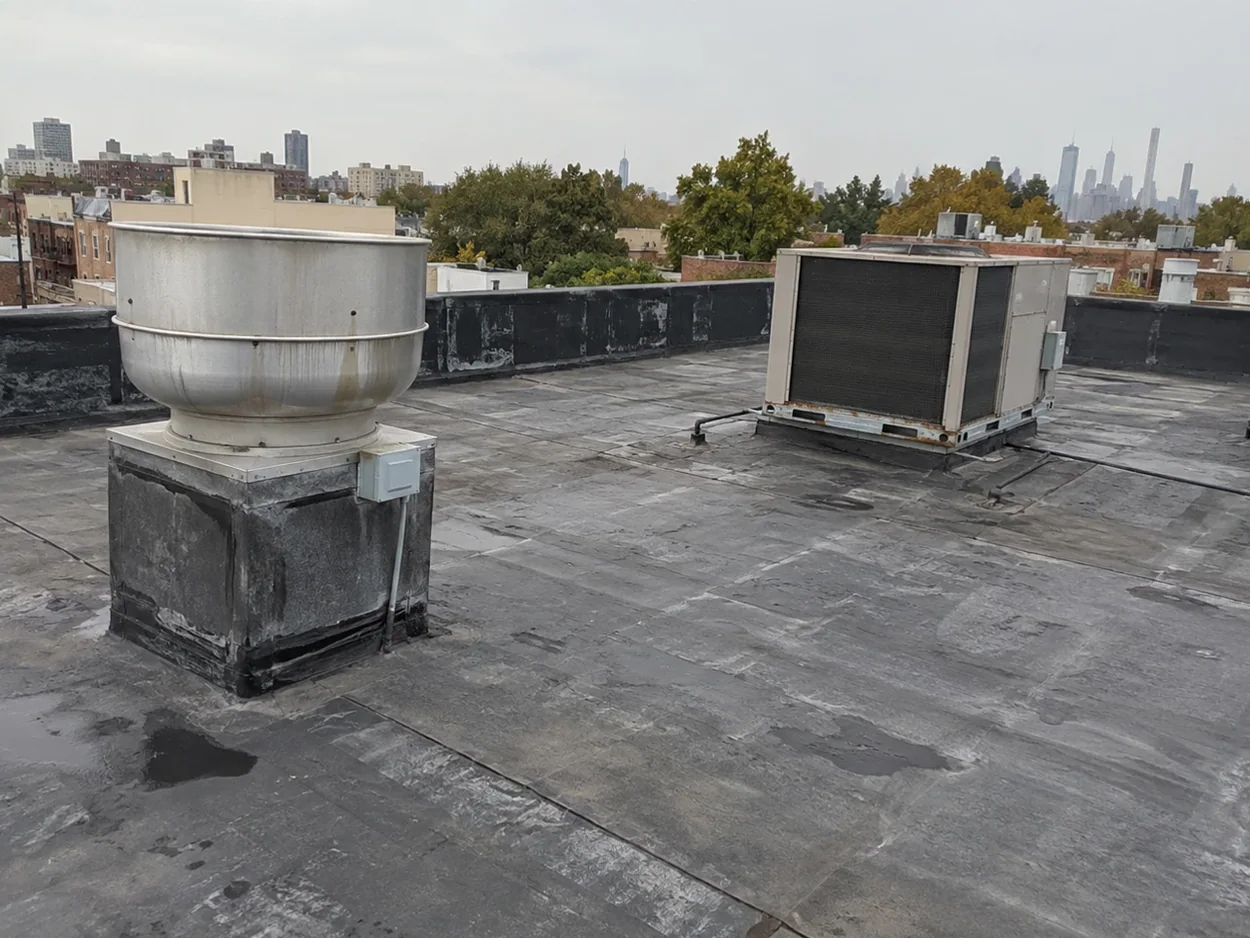
Restaurant Roofing
Roof repair for Queens, NY restaurants: grease on the membrane, exhaust curbs, small flat roofs and work scheduled around service so the kitchen keeps cooking.
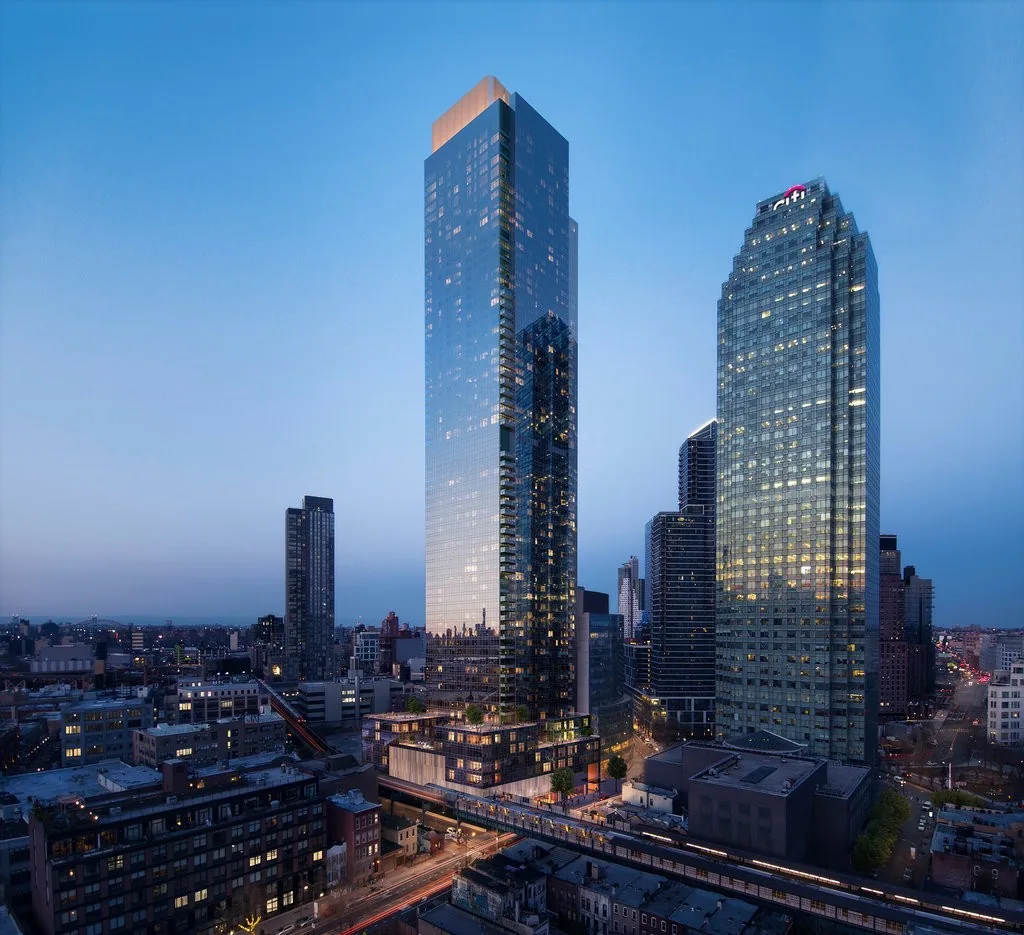
Office Building Roofing
Roof repair and replacement for Queens, NY office buildings, from Jamaica and Long Island City to Kew Gardens, planned around tenants and rooftop mechanical.
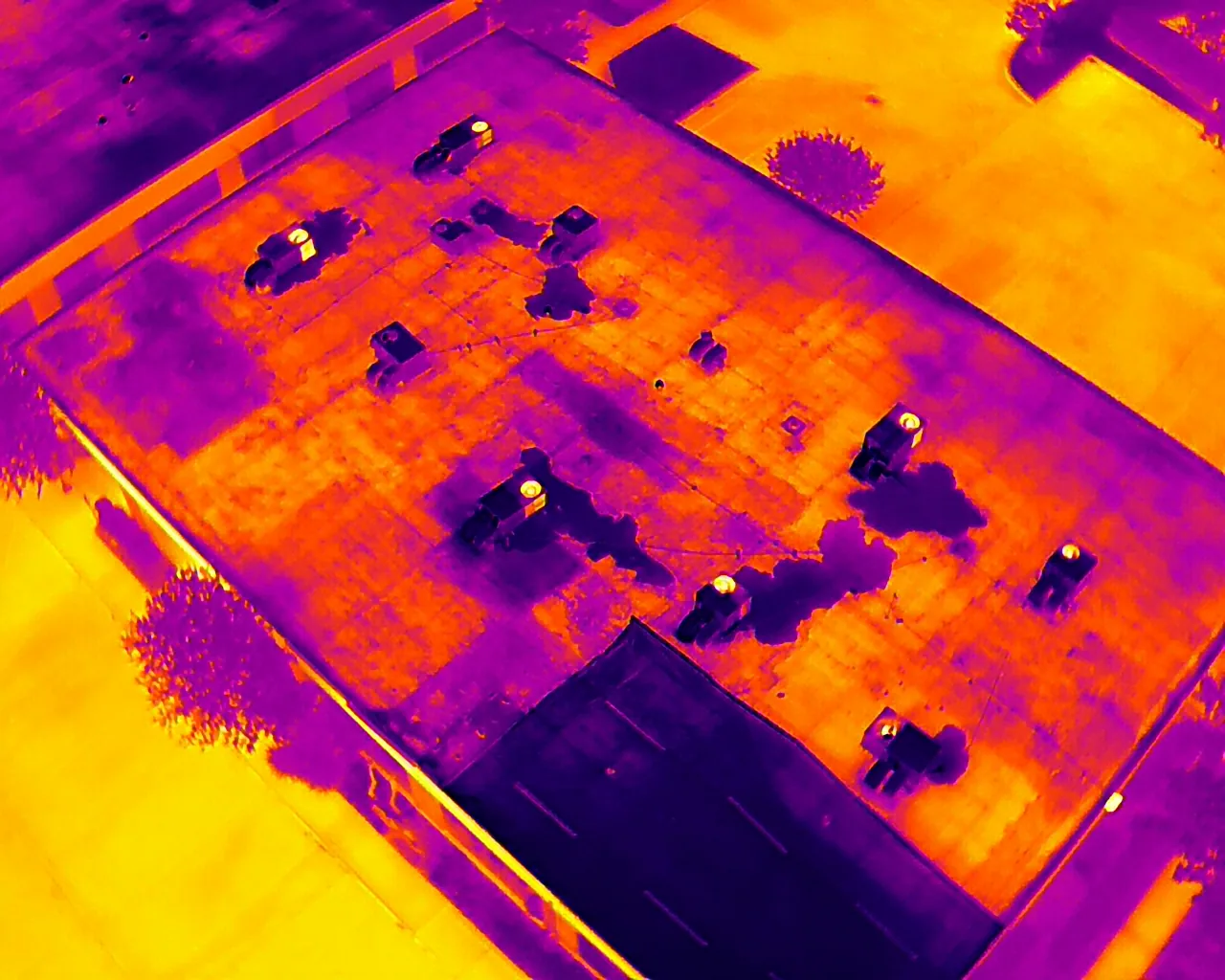
Infrared Roof Moisture Surveys
Infrared scans and core-cut moisture surveys for Queens, NY commercial roofs that locate wet insulation before the owner commits to repair or replacement.
Ready to Talk About Hotel Roofing?
Tell us about the building and what you are seeing. We will schedule a roof walk and send photos and a written scope.