
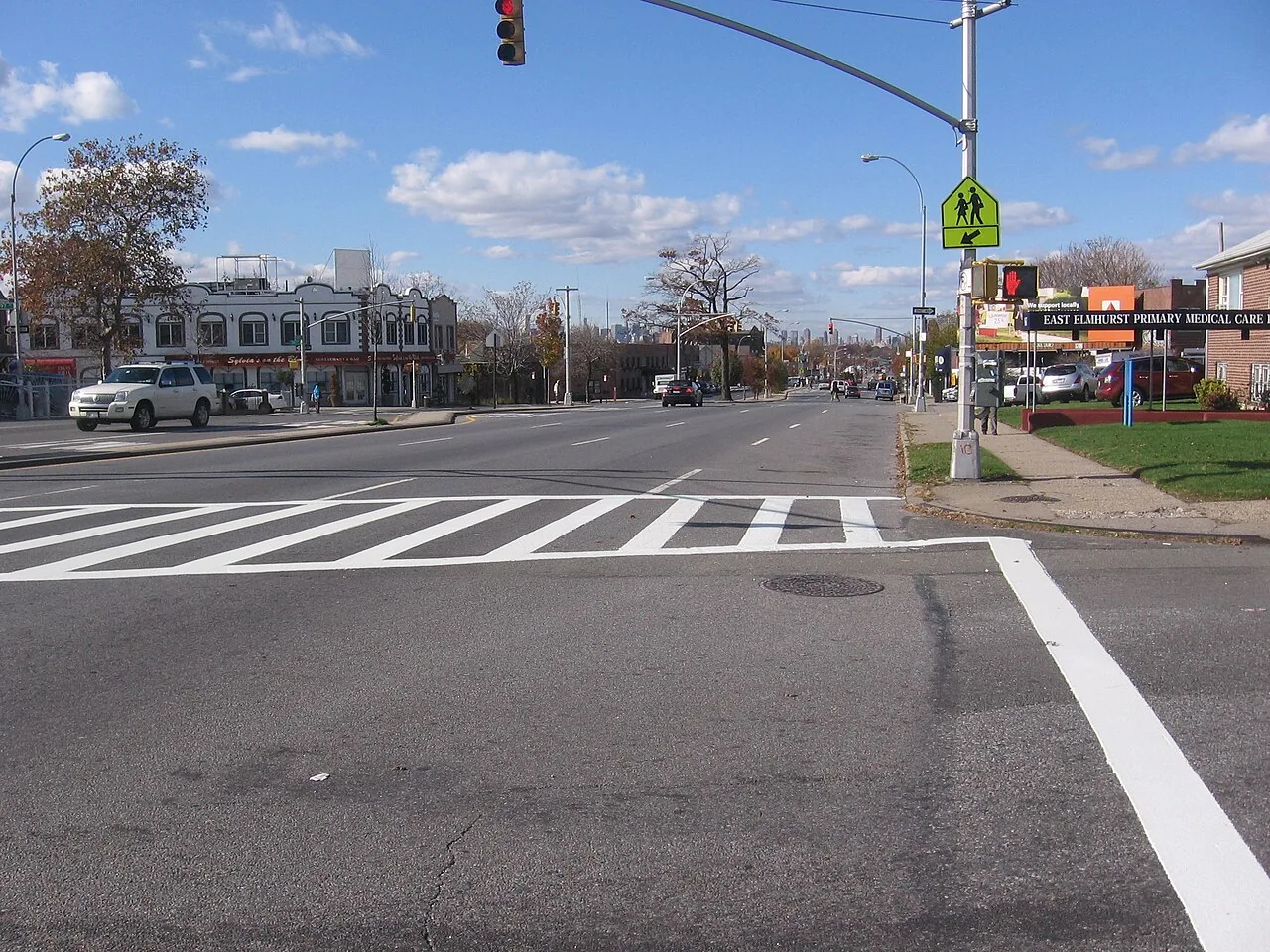
Owners in East Elmhurst, Queens, NY typically learn the roof has been taking water from a small dark stain in the corner of an upper-floor ceiling, and the stain is older than it looks. By the time it shows through ceiling tile, the water has crossed insulation, a deck and a ceiling cavity, and the roof has had a bad spot for weeks. Our work starts with the stain and walks back to the opening one step at a time.
East Elmhurst is next to LaGuardia Airport, and the Marine Air Terminal is a city landmark. Ditmars, Astoria and Northern Boulevards serve the area, along with the Grand Central Parkway and I-278. That mix of airport edge, highway corridors and local shop streets gives the neighborhood roofs of several kinds, and we treat each by what it carries and how it is reached.
What happens to a roof when a building changes use?
Once the headquarters of a watch company, the Bulova Corporate Center now operates as an office center. Conversions like it raise a general point: an industrial or institutional roof may now cover offices, and the use below sets new rules, because ceiling finishes, computers and records tolerate water less than a factory floor does and a leak costs more.
On a converted building the first question is what was added. New rooftop units, exhaust fans, vent stacks and conduit each pierce the roof, and conversion work does not always flash them well. We count the penetrations, check each flashing and compare the roof's drainage with the building's current use. A core sample shows how many layers sit over the deck and whether the lower ones are dry, which decides between a repair, a recover and a replacement.
Occupancy affects the timing. An office center with many tenants has different hours from a warehouse, and some tenants run early or late shifts. We agree access, noise limits and any quiet periods with the manager, protect the interior below the work area and cover or move equipment before the crew opens the roof. Work proceeds in sections, each closed watertight before the next is opened, so a surprise shower never meets an open deck above a server room.
What does the airport edge change?
Working beside an airport adds planning questions. Crane and hoist placement may need approval, material staging must stay clear of access routes, and loose items on a roof are a hazard in wind. We raise those questions early, before the quote, so the owner knows what the schedule depends on. Near a flight path we also watch for debris, since a loose piece of edge metal or a torn corner of membrane is a roofing problem and a safety problem at once.
A flat roof with little to break the wind takes the full gust, as Hurricane Sandy's hurricane-force gusts across the metro area showed in October 2012. LaGuardia, in Queens, recorded 107 degrees on July 3, 1966, so heat also bears on large dark surfaces here. Edge metal and coping are checked for fastening, and sealants for sun damage.
How do the highway corridors affect a roof?
The Grand Central Parkway and I-278 carry heavy traffic past the neighborhood. A roof near busy roads collects soot and road film, and a dirty membrane runs hotter and ages faster. Exhaust fans and air intakes on those roofs draw in the same air. Where a roof is dirty, we wash it before any repair, since patches do not bond to grime, and we recommend a washable, reflective surface where the membrane is sound. A coating restoration over a clean, dry membrane is often the practical way to extend its life.
Fresh air intakes deserve a word. Roofing adhesives, primers and hot work produce fumes, and air handlers pull them into the building if the intake is nearby. We locate every intake on the walk, choose low-odor materials or cold-applied systems near them and ask the facility team to set dampers or shut the unit during the sensitive steps.
What about the shops along Ditmars, Astoria and Northern Boulevards?
Small commercial buildings on these boulevards have flat roofs with a single drain, a few vents and a parapet. The common failures are at the rear, where fans and ducts have been added, and at the drain, where leaves and trash collect. We walk the rear first. Tenants who share a building may each have their own equipment, and the roof carries all of it. A single report with photographs of each penetration helps the owner decide which tenant's unit is the source.
Owners in Corona and Astoria face a similar mix of boulevard shops, and the sequence of checks is the same.
Tenant equipment is the other recurring theme. Small businesses add dishes, antennas and condensers over the years, and the roof ends up with cables running across the membrane, units sitting on blocks and holes patched with sealant. We map what is on the roof, flag the items that no longer serve a tenant, and propose removing them. Every abandoned penetration removed is one fewer place for the roof to leak, and the roof plan shows the owner what each tenant has placed there.
How do cloudbursts test these roofs?
Hurricane Ida's remnants arrived September 1, 2021 and, for the first time, the city declared a flash flood emergency, with most of the deaths in Queens. A roof with one drain and no overflow fills fast in rain like that, so we confirm that drains are clear, strainers are in place and a second path exists. Where the parapet allows, an overflow scupper gives the water a way out. Correcting ponding water on a flat roof also reduces the weight the deck carries during a storm.
Winter completes the picture. Snow comes to about 29.8 inches in an average year, and ice at a drain or scupper can send meltwater backward under flashing. A drain that sits high or a roof that slopes the wrong way holds ice longest, and we correct those causes rather than relying on heat cable alone.
What is the next step?
Include the street and roof age, plus photos of the stain and the drain. We walk the roof, probe the seams and flashings and describe in plain steps what it is doing, ahead of any price. A first look at the drains and scuppers often answers the question.
Questions Owners Ask
What building owners and managers usually ask before a roof visit.
It needs a roof that matches its current use, which may differ from its original one. Offices are less tolerant of leaks than factories, and rooftop equipment has usually been added. We review the layers, the drainage and the penetrations before recommending repair, recover or replacement.
They can affect crane placement, staging and working hours near an airport. We raise those questions during the first walk so the quote reflects them, and we plan the hoist and deliveries with the building manager.
At least once a year, and before any coating or patch. Road film and soot hold heat and moisture and prevent bonding, so a clean surface lasts longer.
That depends on the lease and the equipment's owner. We document where the leak starts, with photographs and a roof plan, and the parties can settle responsibility using the same facts.
All we need are photos of the stain and the drain area, plus the street and, if you know it, the roof age. What the roof is doing comes first, in plain steps, and price second.
Related Roofing Work
Other pages that connect to East Elmhurst.
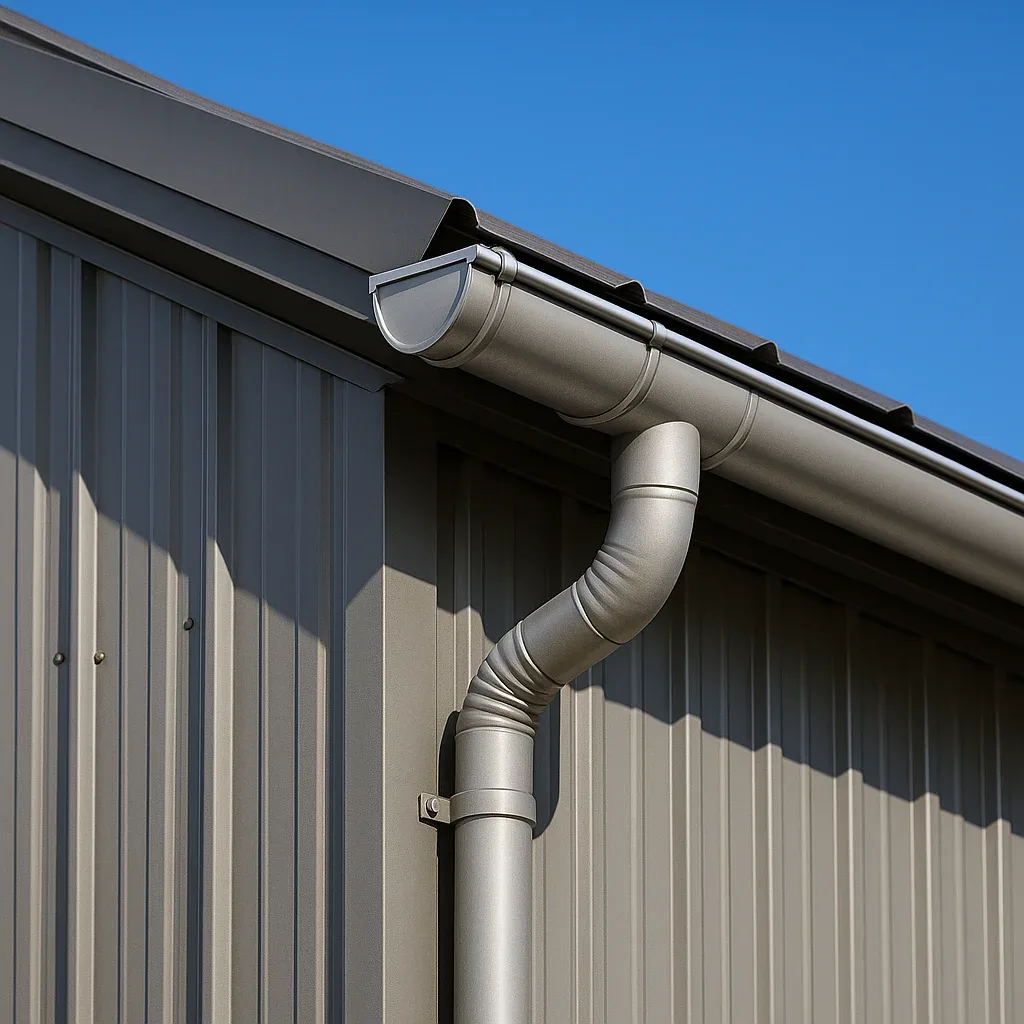
Edge Metal, Coping and Gutters
Edge metal, coping, gutter and downspout repair for commercial roofs in Queens, NY: wind uplift, open joints, brick staining and drainage at the roof edge.
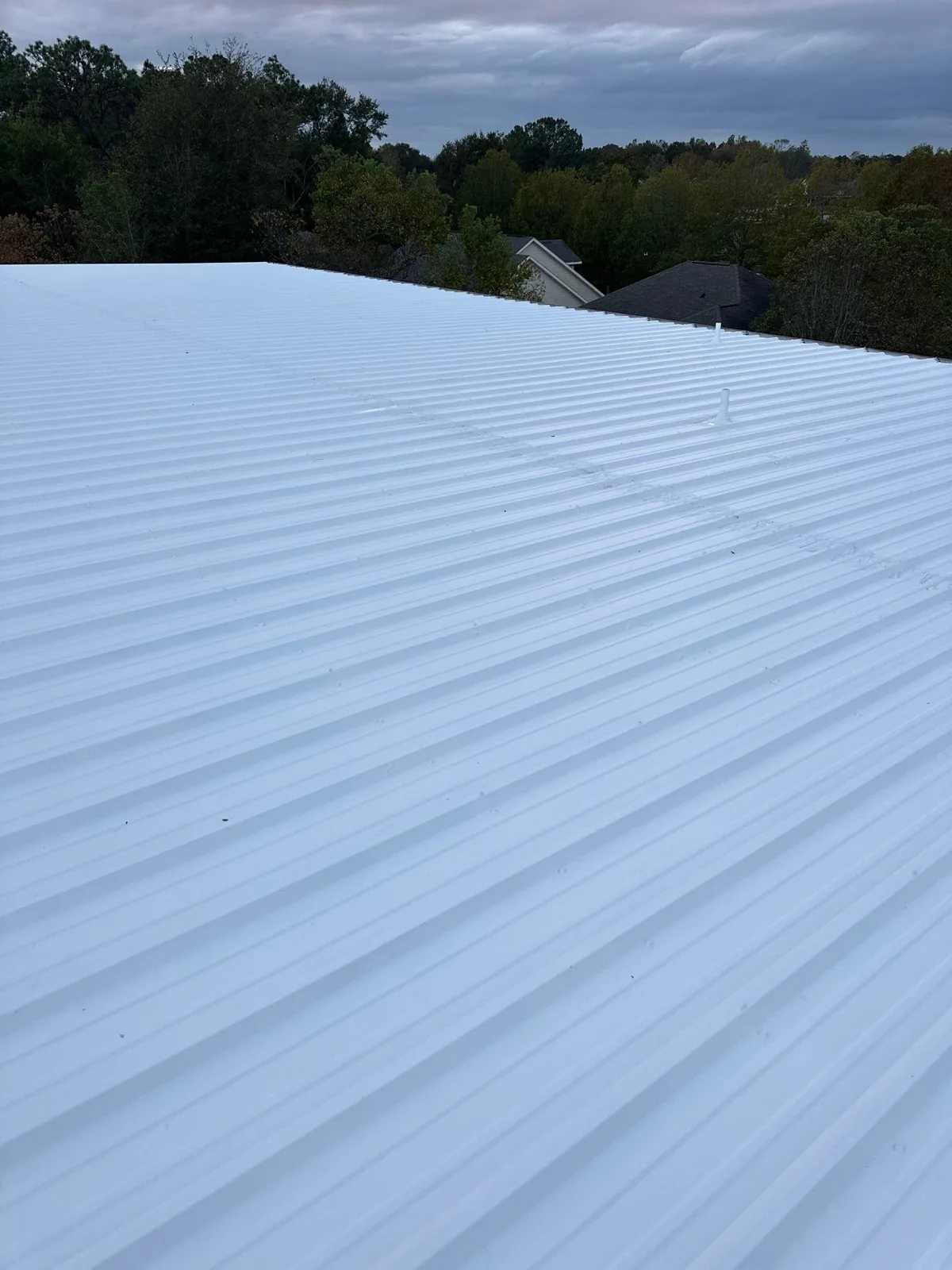
Roof Coating Restoration
Roof coating restoration in Queens, NY: when a silicone or acrylic system can extend a sound, dry roof, how we prepare the surface and what drives cost.
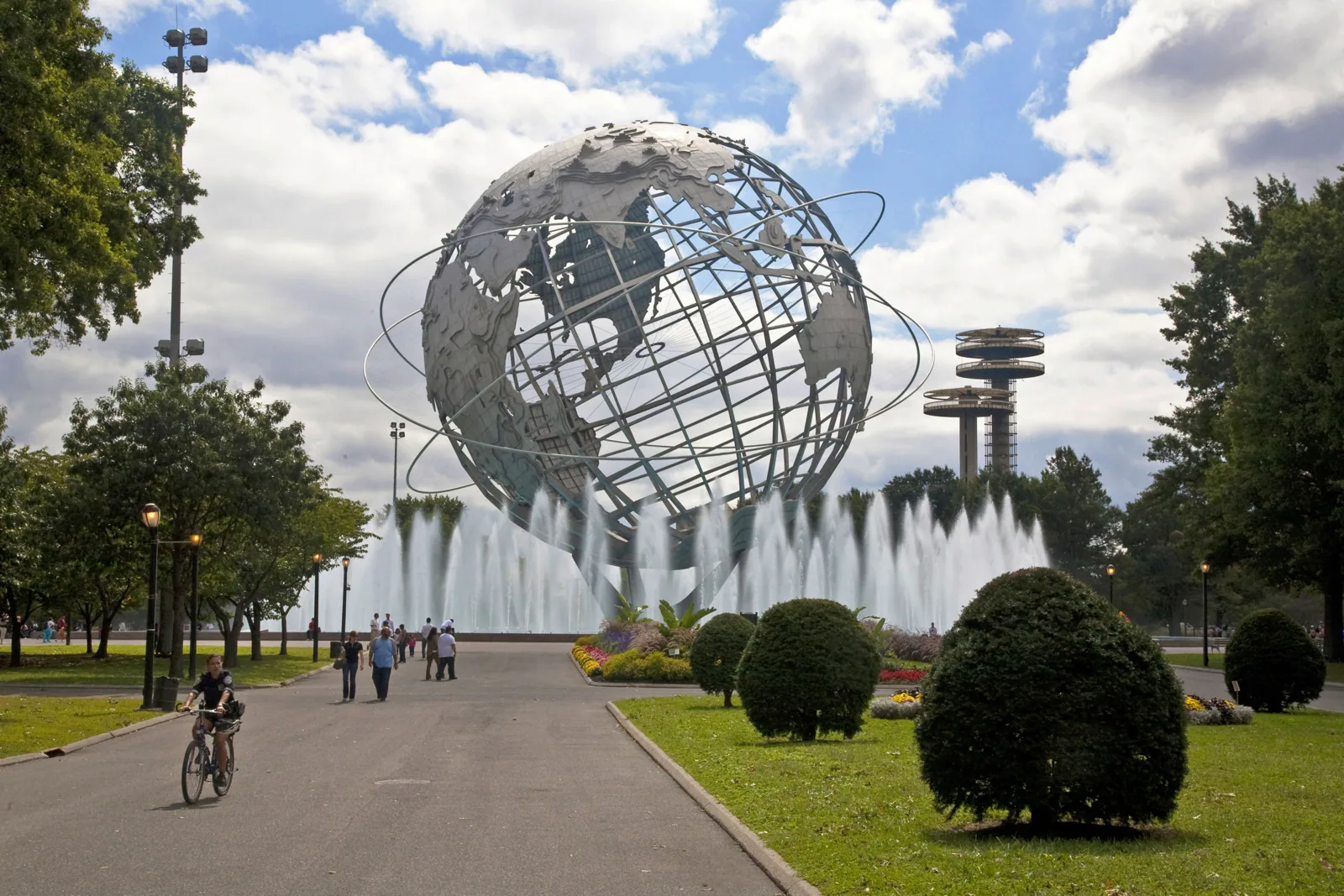
Corona
Commercial roofing in Corona, Queens, NY: flat roofs along Roosevelt Avenue, Corona Avenue and Northern Boulevard, plus drain, flashing and ponding repair.
Ready to Talk About East Elmhurst?
Tell us about the building and what you are seeing. We will schedule a roof walk and send photos and a written scope.