
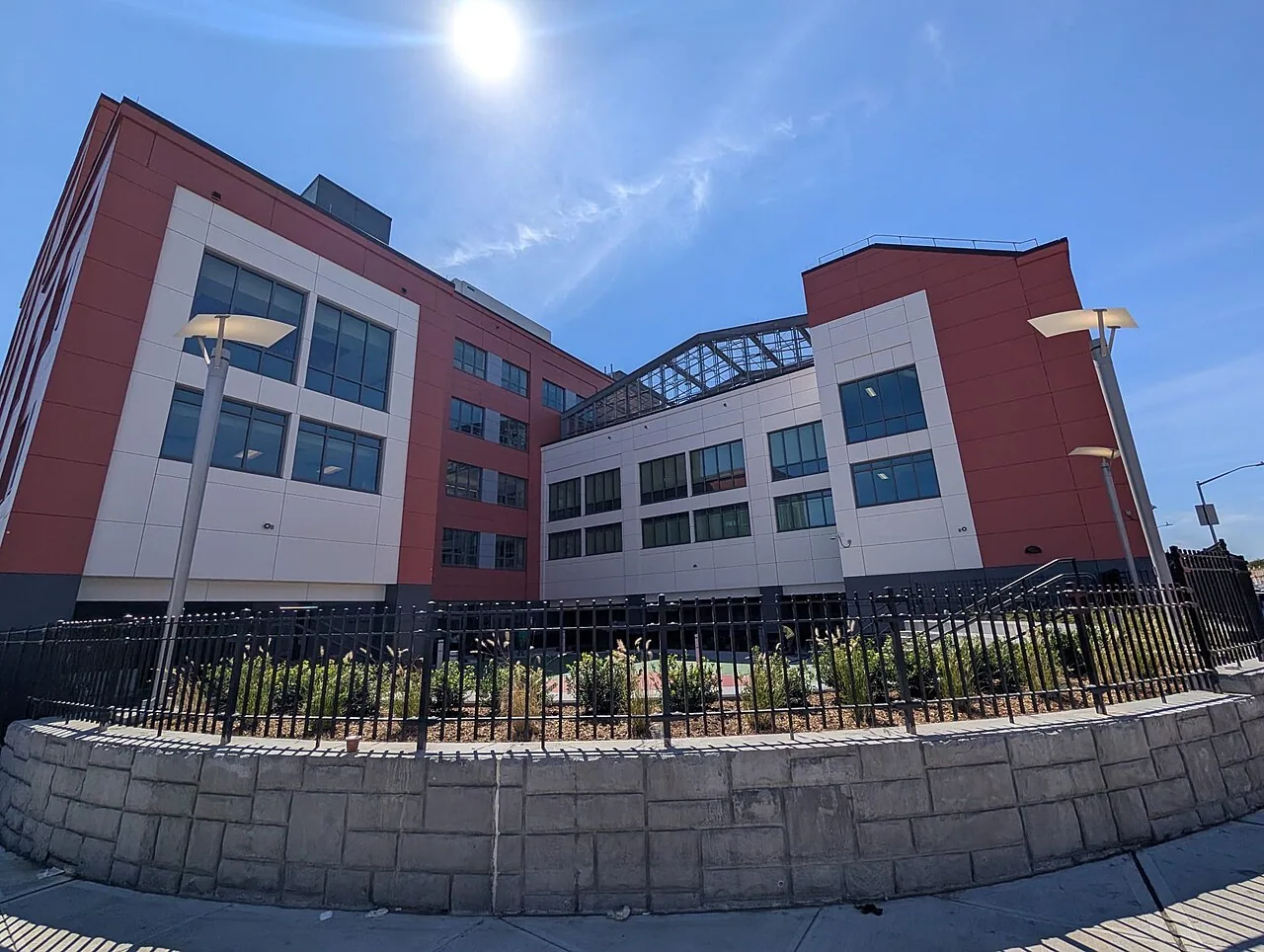
A custodian finds a brown ring on a classroom ceiling tile just inside the exterior wall in October, the room is in use and the tile is wet, and the principal wants to know whether it is safe. The ring is rarely beneath the opening. School buildings in Queens, NY run from older masonry blocks to newer additions, and we start with the ring and trace the water back through the roof one step at a time: the drain, the seam, then the flashing at the parapet wall, where the roof and the brick meet.
What does the custodian see, and what is the roof doing?
School roofs show a handful of repeating signs. Stains near exterior walls point to parapet flashing or coping. Stains below the gym or auditorium point to a long-span roof with ponding. Stains in a corridor near a stair tower point to the bulkhead. A damp smell in a top-floor room points to wet insulation above the ceiling. Each sign leads to a spot on the roof we can check, and the first thing to check is always the drain.
Schools collect leaves, balls, packaging and debris on their roofs, and the drains clog more often than on a typical office building. A clogged strainer holds water against the seams and parapet for days, and a seam that sits wet will find any pinhole it can, which is why a custodian's quick look at the drains before every storm is worth more than it seems.
Heat matters as well. A dark roof over a top-floor classroom, in a July that reaches 85 degrees under a strong heat island, hands that heat straight to the room below. A reflective surface on the next replacement can lower the load on the building's cooling.
What is happening up there?
A school is usually a collection of roofs. The classroom block has one, the gym and cafeteria have another with a much longer span, and additions from different decades each carry their own membrane, insulation and drainage. The tie-ins between them crack as the buildings move at different rates. A gym roof spans a wide room with few supports, so it flexes more than a classroom roof and tends to pond.
Older masonry adds parapet walls with coping stones and mortar joints that have weathered for decades. Open joints let water into the wall, where it shows as a stain on an interior wall long after the rain has stopped.
Schools resemble other institutions in parts. A college building adds laboratories and exhaust, and an apartment building has the same parapet and tie-in troubles as older brick stock. What shapes a school's plan is its calendar: a long empty summer, then a full building the rest of the year.
What do Queens school roofs face?
Storms set the pace for school roof work in Queens. On September 1, 2021, Ida's remnants gave the city its first flash flood emergency and Queens its highest death toll, and a flat school roof can fill within a single class period. Hurricane Sandy left six feet of water in Maspeth and a ten-foot surge from Jamaica Bay in Howard Beach in 2012, and the entire Rockaway peninsula had been ordered to evacuate. The heaviest single-day snowfall on record, 27.3 inches on January 23, 2016, shows the load a flat roof may be asked to carry. Ridgewood and Glendale are largely early twentieth-century yellow-brick stock, much of it inside historic districts, which affects how exterior work is planned.
How do we confirm the cause?
We walk the roof with the custodian, who usually knows where the stains come back. The seams are probed, the drains checked and the base of every wall looked over. Wet insulation is mapped by an infrared moisture survey with no need to open the roof, and cores confirm the result. On a large school a drone pass saves time over the upper roofs. Everything goes into a written inspection report with photographs and a ranked list of repairs.
The report is written so that a facilities office or capital planner can read it without a roofer at their side.
What are the repair options, and when can the work happen?
A small failure can be fixed with a repair during the school year, after hours or at a weekend. A membrane that is worn but dry may be coated or given a recover over the summer. Wet insulation or repeated failures mean replacement, and that belongs in the summer window, when the building is empty and noise and fumes disturb no one. Replacement is planned months ahead, materials are ordered early and the crew is scheduled so the roof is dried in before the first week of classes.
What does it cost to wait?
Waiting means more wet ceilings, more lost classroom time and a bigger summer project. Wet insulation keeps spreading, and a repair that could have been done in an afternoon becomes a section replacement. A roof that fails in the middle of the school year cannot be replaced until summer, so the building lives with temporary measures for months. Planning ahead moves the work to the quiet weeks and keeps the choice with the owner.
What is the next step?
Start with the school's street, the roof age and photographs of the stain and the nearest drain. We go up with you, say in plain steps what the roof is doing and give you a repair order before any price is mentioned. Schools in Bayside and Howard Beach are scheduled around the school calendar.
Questions Owners Ask
What building owners and managers usually ask before a roof visit.
Not the small ones. Those go in after hours or on weekends, with materials kept off play areas and entrances and walkways protected. A section replacement or full reroof waits for summer, when no one is inside. An active leak gets a temporary repair right away, and the lasting fix is scheduled for the break.
A gym spans a wide room with few supports, so its deck flexes under load and slowly settles, leaving shallow low spots. Drains set too far apart make it worse. After a rain we measure how deep the water sits, test the drain and add tapered insulation or an extra outlet to carry the water off.
Only if it is deep or the roof looks strained. A shovel can cut the membrane, and ice at a drain can send water backward under flashing. Because 27.3 inches fell in one day in January 2016, a roof in this city has to be able to bear weight. Drains are checked before winter and the roof is walked after the thaw.
Mostly in what can be seen from the street: coping, parapets and edge metal. Large parts of Ridgewood and Glendale are in historic districts, and so is part of Springfield Gardens. A building's status is confirmed at the start, the exterior details are planned for it, and approval steps are built into the schedule so the summer window is not lost.
Fencing marks the staging area, trucks are routed away from play areas, and the hoist and landing zones stay clear of doors. Anyone on site for summer programs hears about the work beforehand, noise and fumes are controlled and active ventilation intakes are protected. One short safety meeting before day one covers access and emergency contacts.
Related Roofing Work
Other pages that connect to School Roofing.
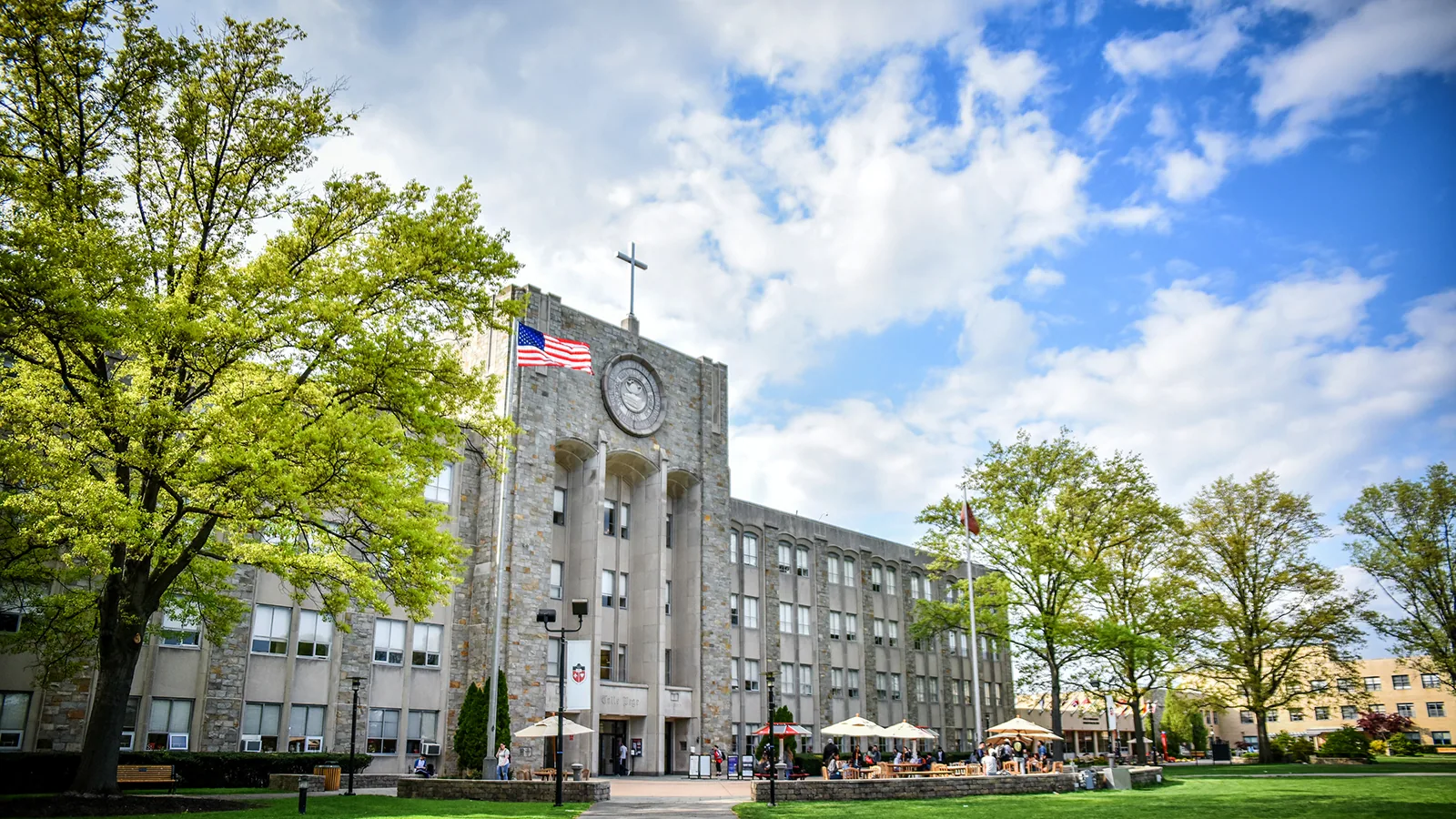
College and University Roofing
Roof repair and replacement for Queens, NY colleges and universities: lecture halls, labs and aviation buildings, phased around the academic calendar.
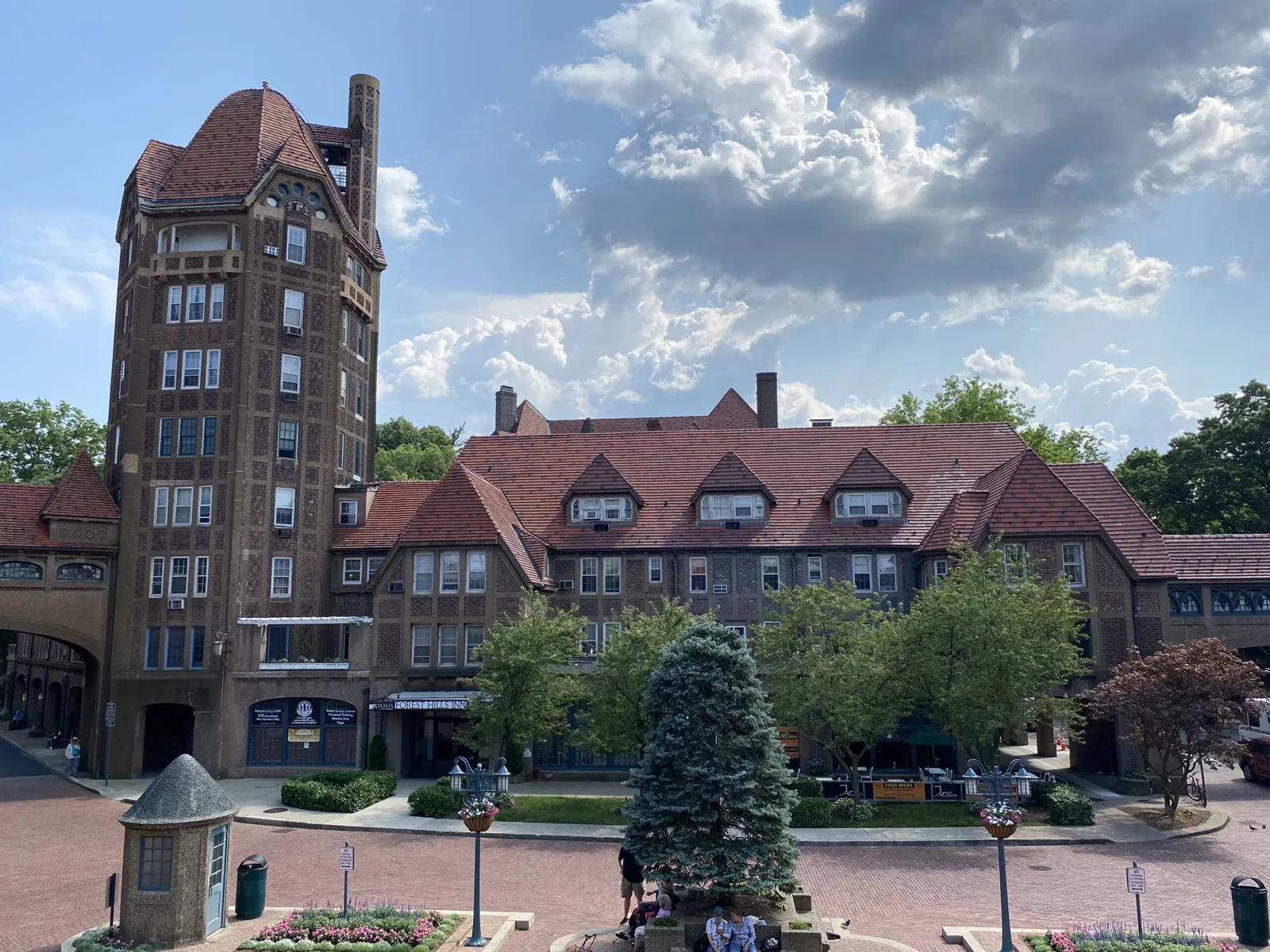
Apartment and Multifamily Roofing
Roof repair and replacement for Queens, NY apartment buildings, from six-family brick rows to tall towers, with tenant notice and phased work explained.
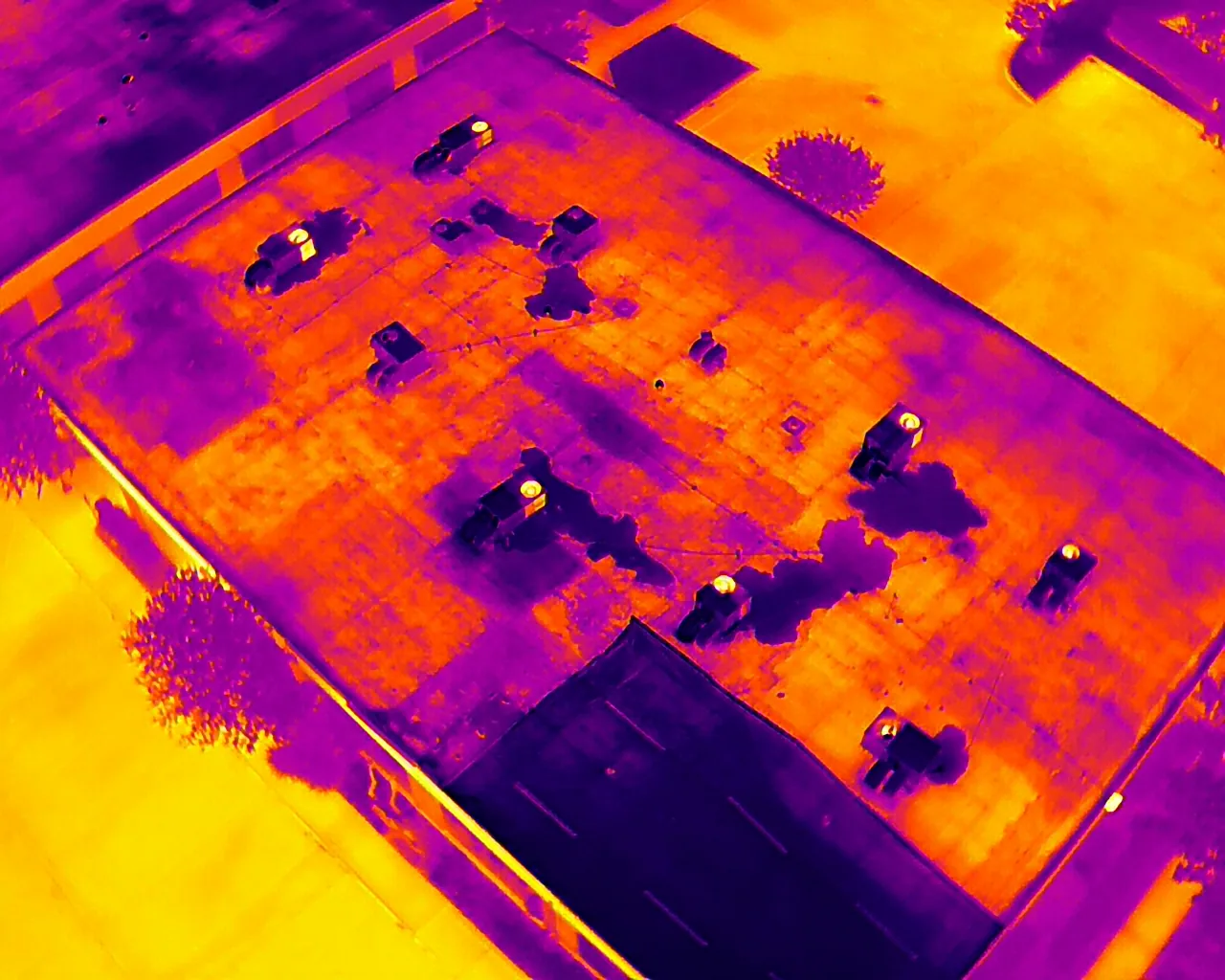
Infrared Roof Moisture Surveys
Infrared scans and core-cut moisture surveys for Queens, NY commercial roofs that locate wet insulation before the owner commits to repair or replacement.
Ready to Talk About School Roofing?
Tell us about the building and what you are seeing. We will schedule a roof walk and send photos and a written scope.