
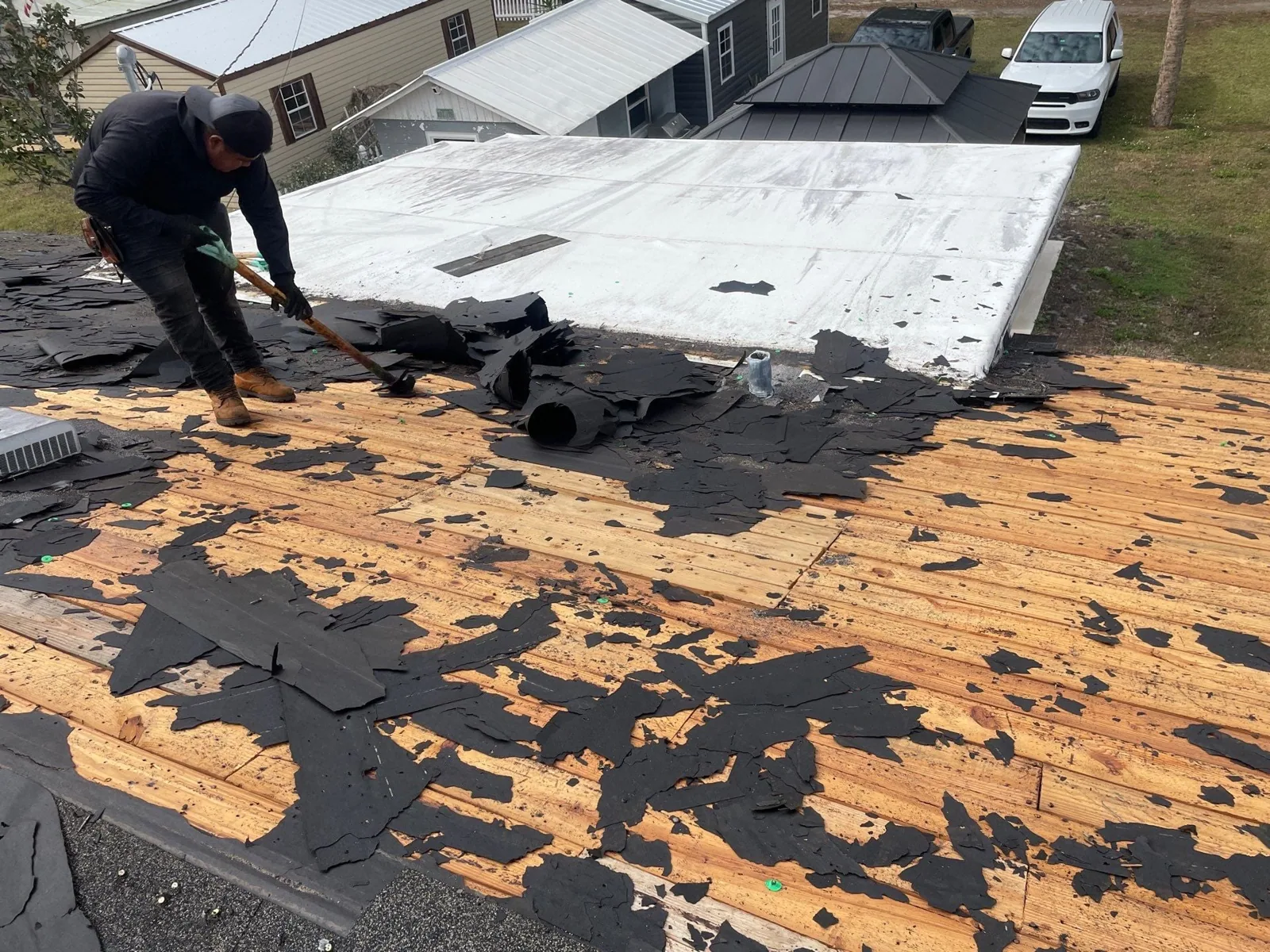
A fine web of cracks across the roof, like mud drying in a creek bed, is what years of sun look like on a flat roof. Owners often take it for cosmetic wear because nothing drips, and for a while that is true. But every crack is a place where the protective top layer has failed, and the waterproofing material beneath is now exposed to the same sun that broke the surface above it.
Heat and ultraviolet light work slowly, and the damage shows long before water does. Sunlight breaks down the binders in coatings, bitumen and rubber, and heat makes the roof swell each day and shrink each night, so over thousands of cycles every joint is fatigued. On Queens, NY roofs we read the surface for that wear and decide what it means for the layers below.
What does heat and UV damage look like?
What shows depends on the roof system. A coating or bitumen surface may chalk, craze or alligator into a pattern of cracks, and a mineral surface may lose its granules. A single-ply sheet can shrink and tug flashings off walls and curbs, tightening around every penetration. Sealants harden and split, rubber boots crack on the sunny side, seams open as sheets move against each other, and a dark roof may fade to a dull gray.
We test by touch and with tools. Pressing a thumbnail into the surface shows how brittle it has become, while a probe run along seams and wall terminations shows whether edges are lifting. Shrinkage shows in flashing height: a base flashing that stood eight inches and now measures six has been drawn down by the membrane.
Equipment adds heat of its own. The membrane near an exhaust fan runs hotter than the open roof, and the sealant at those curbs hardens first, with pipe boots nearest a hot discharge failing early. At each unit we note which face of the curb looks into the afternoon sun, because the worst stress collects on that face.
How hot does it get on Queens roofs?
A July afternoon at Central Park averages about 84.9 degrees, and the heat island keeps nights warm and roofs hot. LaGuardia, in Queens, recorded 107 degrees on July 3, 1966, while Central Park's own record is 106 degrees on July 9, 1936. A dark roof surface on such an afternoon runs far hotter than the air, and the same surface may be cold and brittle in January. That range is what tires a roof.
Wide roofs take the full load. College Point Corporate Park covers about 550 acres, and Sunnyside Yard is a 192-acre rail yard with the Degnon Terminal industrial complex beside it. Roof color and system differ from one property to the next, but a wide, dark, open roof has nothing to shade it, and that is where this damage appears first.
Summer thundershowers add a shock. A roof heated to a high surface temperature and then struck by a cold downpour contracts quickly, and hairline cracks open. Late-day storms are common in a New York City summer, so the stress repeats. We watch for cracks aligned with the rain's direction and for blisters where trapped moisture expanded in the heat.
How is heat damage repaired?
The repair follows how deep the damage goes. A worn surface over a sound, dry membrane can take a cleaned and primed coating restoration, reinforced at seams and flashings, and an acrylic coating in a reflective color also cuts surface temperature. If the membrane has shrunk, base flashings are re-terminated or replaced in new material that can move, hardened sealant is cut away and renewed, and cracked pipe boots become formed flashings.
When the membrane is brittle through its thickness, a coating cannot save it, and the comparison is between a recover and a replacement. A moisture scan shows whether the insulation is dry, which decides whether a coating is possible at all.
Preparation comes before any coating. The roof is washed, allowed to dry fully and tested for adhesion on a small patch, because a coating over dirt or chalk peels. Seams, flashings and penetrations are detailed first with reinforcing fabric, since a thin coat over a moving joint cracks again. The finish goes on in two passes to a gauged thickness and cures before rain, and before-and-after photographs give the owner a record of the surface.
Can reflective surfaces help?
Yes. A reflective roof stays cooler, so the daily temperature swing narrows, aging slows and less heat enters the building. Against the heat island, the straightest answer is a cool roof installation, whether a white or light membrane or a reflective coating on a roof that is still sound. How much the cooling load drops depends on the building, so we describe the cost drivers and promise no number. Dirt dulls any reflective surface, so periodic washing goes on the maintenance calendar.
There is a second benefit that owners tend to overlook. A cooler membrane expands and contracts less each day, which spares the seams, the boots and the flashings the fatigue that heat inflicts, and that slower cycling is often what stretches a roof to the end of its expected life. Reflectivity still cannot repair existing damage: a seam that has already split or a flashing already pulled loose must be fixed before the surface is lightened.
What does it cost to wait?
Sun damage advances without announcing itself. A crazed surface that could be cleaned and recoated turns into bare membrane, then a split seam, then a seam failure that admits water, and shrunken flashing pulls free as a flashing failure. Cost follows area, preparation, roof system and access. Owners in Long Island City and elsewhere in the borough do well to schedule a surface check each spring.
Maintenance is the quiet partner of every heat repair. An annual wash, clear drains and a spring check of the sealants extend the life of the surface and show trouble before it opens. Owners with several roofs can rank them by exposure so the most baked get visits first, and a roof that is cool, clean and sealed at its details can reach the end of its life without surprises.
Questions Owners Ask
What building owners and managers usually ask before a roof visit.
Not an emergency, but a warning that the protective layer is failing. Repair costs the least while the membrane underneath is still sound and dry.
An aging membrane loses plasticizers and shrinks, and it tugs on whatever it is fastened to, so the strip at the wall carries the most stress. We replace or re-terminate it in new material with room to move.
Usually it ages more slowly, since heat drives so much of the wear, but the material, the installation and the drainage also have their say.
Small cracks can be closed and a bonded, dry surface shielded. Because a coating cannot hold across an open seam or a failed flashing, those are mended beforehand and the coating goes on last.
Photos of the cracked surface, the flashing at the wall and the drain area, plus the roof age if you know it. We will explain in plain steps what the sun has done to the roof before any price is discussed.
Related Roofing Work
Other pages that connect to Heat and UV Roof Damage Repair.
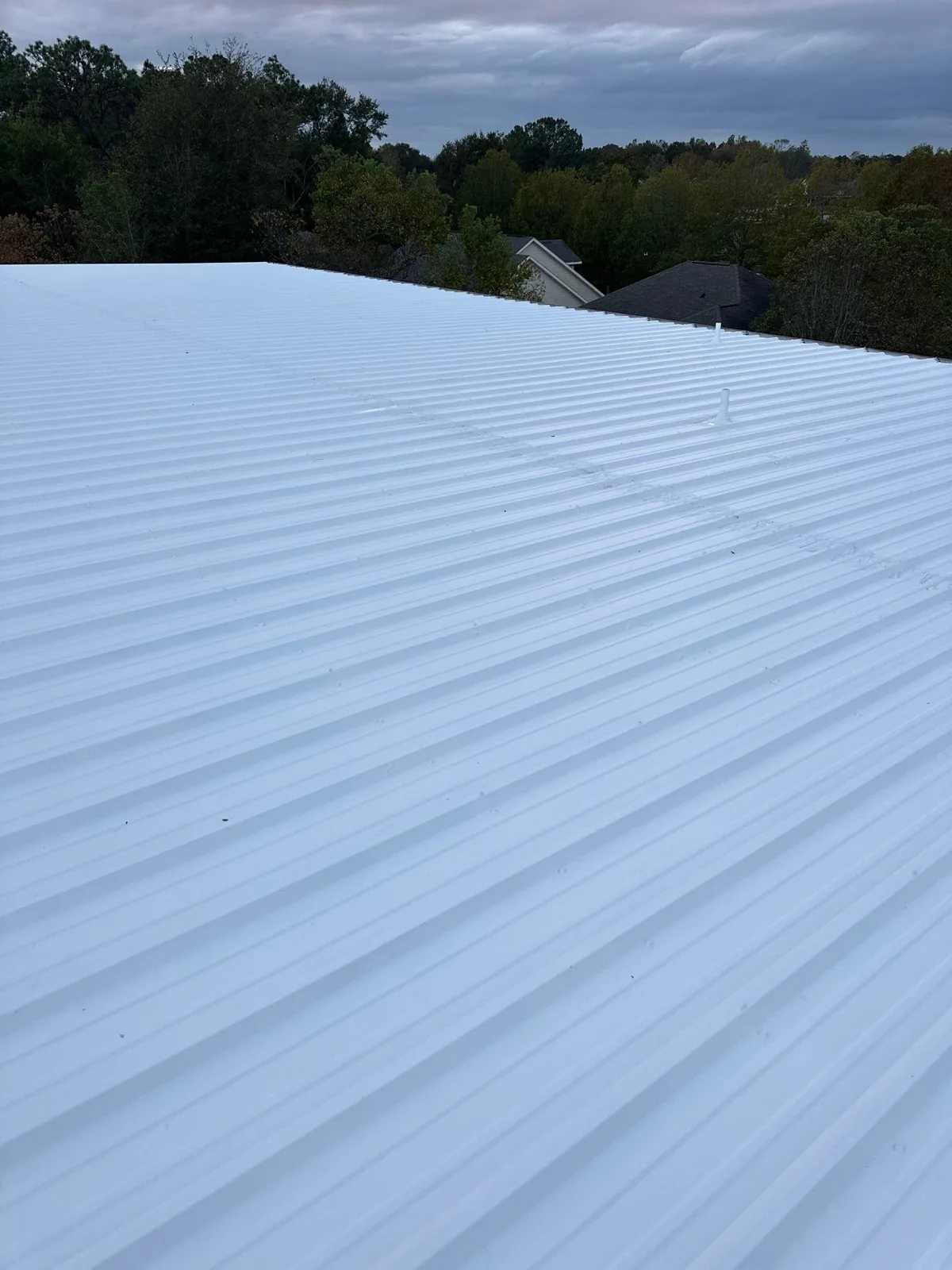
Roof Coating Restoration
Roof coating restoration in Queens, NY: when a silicone or acrylic system can extend a sound, dry roof, how we prepare the surface and what drives cost.
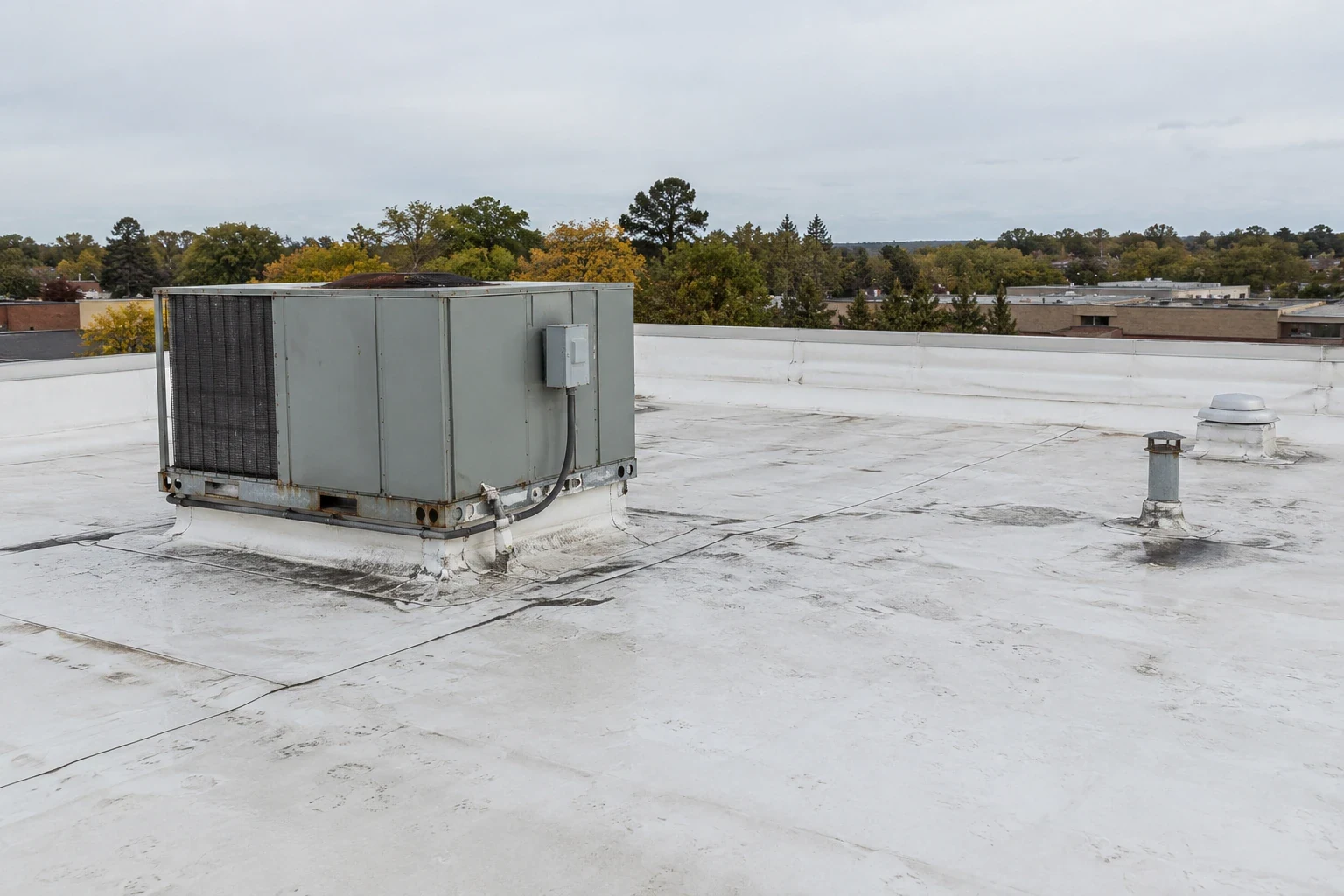
Acrylic Roof Coatings
Acrylic roof coatings in Queens, NY: water-based reflective coatings for dry, sound flat roofs, with weather windows, prep and recoat timing explained.
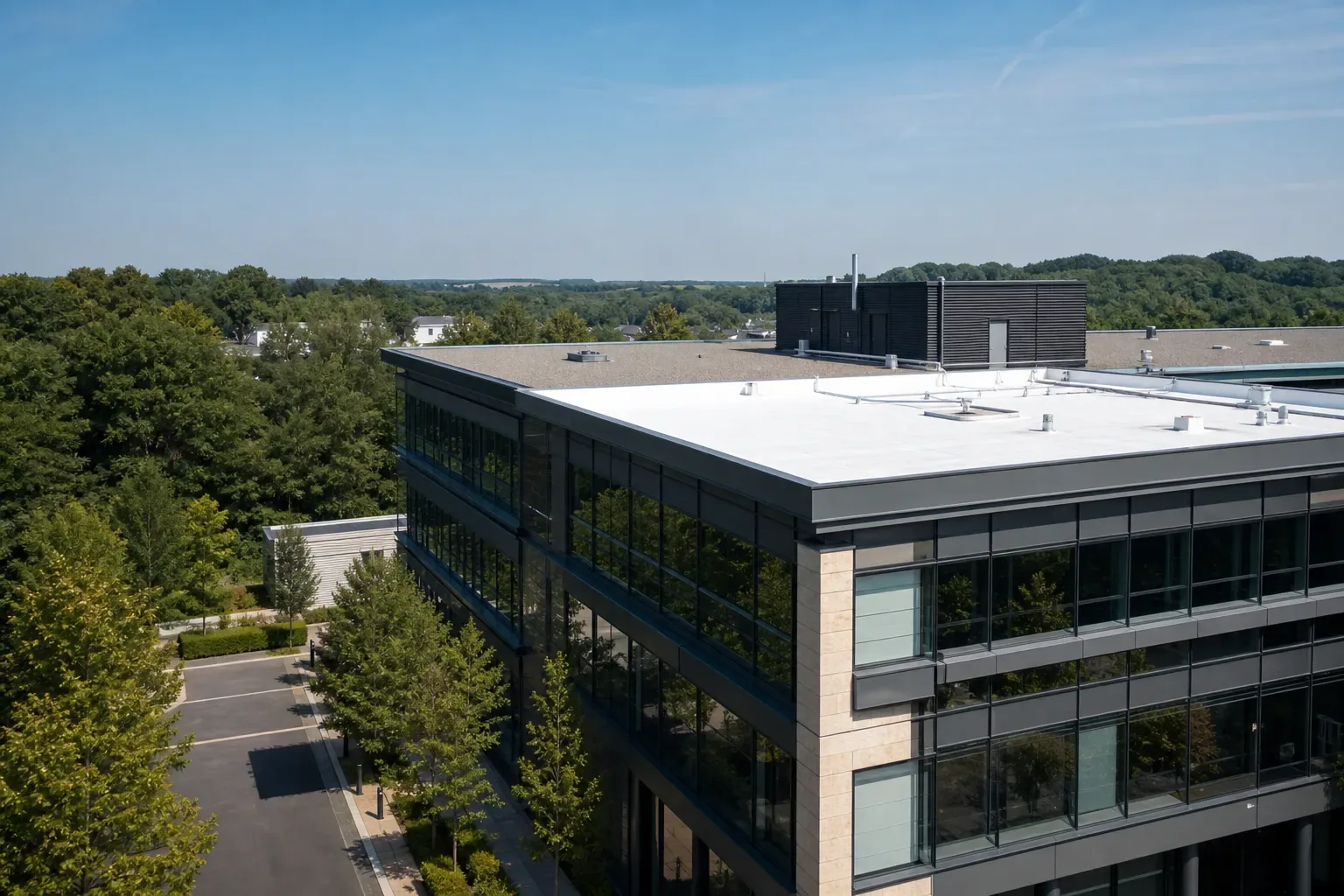
Cool Roof Installation
Cool roof installation in Queens, NY: reflective membranes and coatings that cut heat load, how an existing roof is tested first and how the work is done.
Ready to Talk About Heat and UV Roof Damage Repair?
Tell us about the building and what you are seeing. We will schedule a roof walk and send photos and a written scope.