
A hotel general manager hears first about a guest complaint: wet carpet by a top-floor window, a stain over the bed, a room pulled from inventory on a sold-out night. The room is the product, and a roof leak removes it. The cause can be a long way from the stain, because water travels along the deck and drops where the ceiling gives way, and a room can be out of service for days while someone argues about whether the leak was the roof, a window or a pipe. For hospitality groups in Queens, NY our commercial repair and replacement work begins at the room and traces back to the roof one step at a time.
Start with me at the carpet and move up.
What does the general manager see, and what should be recorded?
A wet carpet, a stain, a room blocked from sale, a smell in a corridor, a guest review that mentions water. Each points somewhere. A stain on the exterior wall side of a room suggests the parapet or the window head. A stain in the middle of the room suggests the roof field or a pipe. A smell with no visible stain suggests water inside the ceiling.
Each event gets a room number, a date, the weather, a photograph and a count of nights lost. The log ties every room to an area of roof and puts a price on the problem. Rooms out of service for a week are a number the owner can compare with the price of a repair. It is often the number that moves a roof from a wish to a project.
Reviews and brand audits read the same record. A guest who posts about a stain starts a clock, and a dated repair log shows the problem was found, traced and fixed. The log is cheaper than a reputation repair and easier to defend.
What is happening on a hotel roof?
A hotel roof carries more than most. Kitchen exhaust, laundry vents, boiler stacks, cooling towers, pool equipment and guest-room exhaust all sit on or near the membrane, and each is a penetration with a sealant line. Terraces and amenity decks add pavers and waterproofing, and water that gets under pavers cannot be seen.
We begin at the kitchen exhaust area, where grease softens some membranes, and move to the curbs at the large units, then the drains and strainers, then the parapet flashing and the terrace edges. A hotel roof usually fails at one of those places before it fails in the open field. Pool and spa rooms add humid air from below, which condenses on a cold deck and looks like a leak.
Signage, antennas and guest-room exhaust add openings as well. When a sign frame is bolted through the membrane and its sealant fails, the leak can run a whole season before anyone ties it to a ceiling stain, so each frame is located on the plan and resealed where needed. Cooling towers and chillers add weight and water, and their supports and drain lines are checked for leaks and corrosion.
What do Queens hospitality locations tell us about roofs?
Visitors come to Queens for a range of reasons. The Resorts World Casino and Hotel draws them to Ozone Park, next to Aqueduct Racetrack. In Elmont, UBS Arena opened in fall 2021 within the Belmont Park redevelopment, and the open-air outlet center Belmont Park Village followed in October 2024. Etihad Park construction started at Willets Point in December 2024, JFK Airport spreads across 5,200 acres of Jamaica, and the Atlantic is Far Rockaway's southern boundary along Rockaway Beach.
Venues, resorts and airport traffic each bring hospitality with them. They do not say what any one hotel's roof is. A resort roof, an airport hotel roof and a boutique roof differ in age, size and equipment. Operators near Ozone Park, Elmont or Far Rockaway start with a scan and a few cores.
On the ocean side, salt air and wind matter. Before Hurricane Sandy, a mandatory evacuation order covered the whole Rockaway peninsula, and the shoreline at Rockaway Beach sits at an elevation of 20 feet. Perimeter fastening, edge metal and corner flashing take the wind first, and fasteners and trim near the ocean corrode faster than inland.
How do we work around guests, events and kitchens?
A hotel does not shut for a roof, so the roof plan reads like a calendar: loud tear-off in hours the general manager picks, rooms under the active zone blocked only when unavoidable, kitchen exhaust off for short, scheduled windows, and staging held clear of the entrance, the dock and the event spaces. Every section is dried in before the day ends.
Fire safety is built in: torches only where the building permits, a fire watch after hot work and open access to the hood suppression system. Events are hard dates, so a banquet or conference sets the schedule, which is worked backward from the events calendar. The same planning serves a restaurant roof that sits on top of a hotel's own kitchen.
Cost tracks access, penetration count and the number of rooms the schedule has to protect. In cold weather the work is mostly repair and dry-in, because membranes bond best on dry surfaces in moderate temperatures, and many properties hand their larger scopes to the slow season.
What do Queens storms and heat do to a hotel roof?
Hurricane Ida's remnants arrived on September 1, 2021 and brought the first flash flood emergency the Weather Service had issued for New York City, with most of the deaths in Queens. Outlets that manage ordinary rain can overflow in a cloudburst. A normal winter leaves around 29.8 inches of snow, and one day in January 2016 left 27.3.
Heat reaches guests directly. Central Park's July afternoons average near 85 degrees and the heat island holds that warmth overnight, adding to the cooling load on top-floor rooms beneath a dark roof; a reflective surface helps if the roof below is dry and sound. Outlets, curbs and sealants are checked before each season and photographed for the file.
What is the next step for a hospitality group?
The next step is a walk with the general manager and the chief engineer, then a written rating by roof area. Groups with several properties can rate each on one scale and sequence the work against the season, so renovations land in slow months. The same file helps restaurant chains that share a kitchen exhaust problem and investors who own the buildings.
Insurance sees the same file. Dated photographs from before a storm and after it separate old wear from new damage, and a hospitality group that holds both sets can answer an adjuster quickly.
Questions Owners Ask
What building owners and managers usually ask before a roof visit.
Log the nights each room was out of service and the rate it would have sold at. Set that against the repair and the replacement. The comparison often settles the question without further debate.
Yes. We work in sections, dry in each shift, keep the entrance and dock clear and block only the rooms directly below an active zone, and only when needed.
They put humid air under the deck, which condenses in cold weather. We separate that from a true leak with a moisture scan and a look at the underside of the deck, then plan the vapor path and ventilation before the membrane.
We lift a few pavers to read the membrane beneath, check the drains under the deck and test the edges. Water that gets under pavers cannot be seen from above, so the survey opens it up in a few places.
Send the room numbers with the most complaints, photos of the stains and the nearest drain or rooftop unit, and the property address. With those we can say, step by step, whether the roof, a window or a pipe is the cause.
Related Roofing Work
Other pages that connect to Hotel Owners and Hospitality Groups.
Hotel Roofing
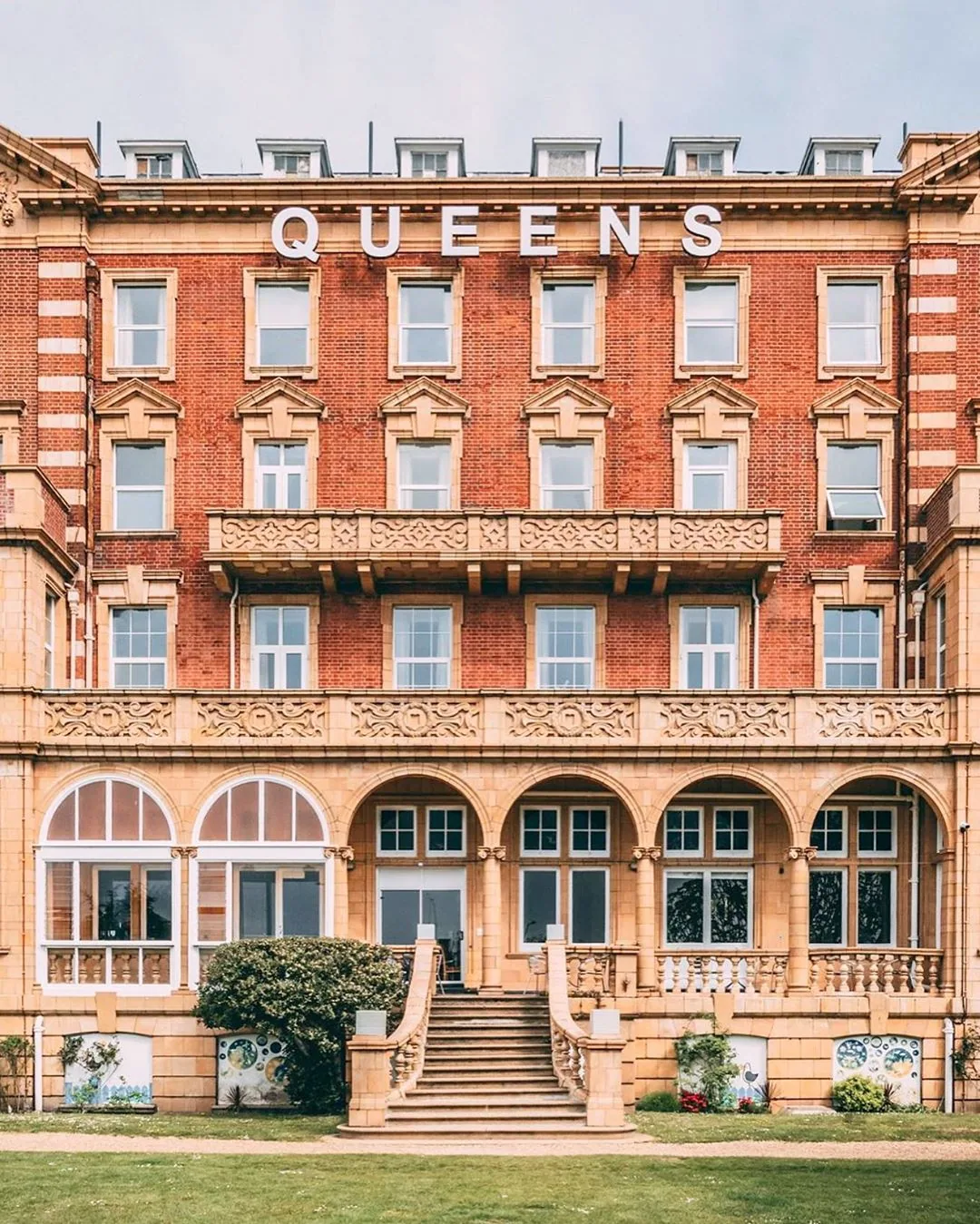
Roofing for Queens, NY hotels: musty top floors, rooftop mechanical, terraces and work phased so rooms stay sold and guests stay undisturbed.
Ozone Park
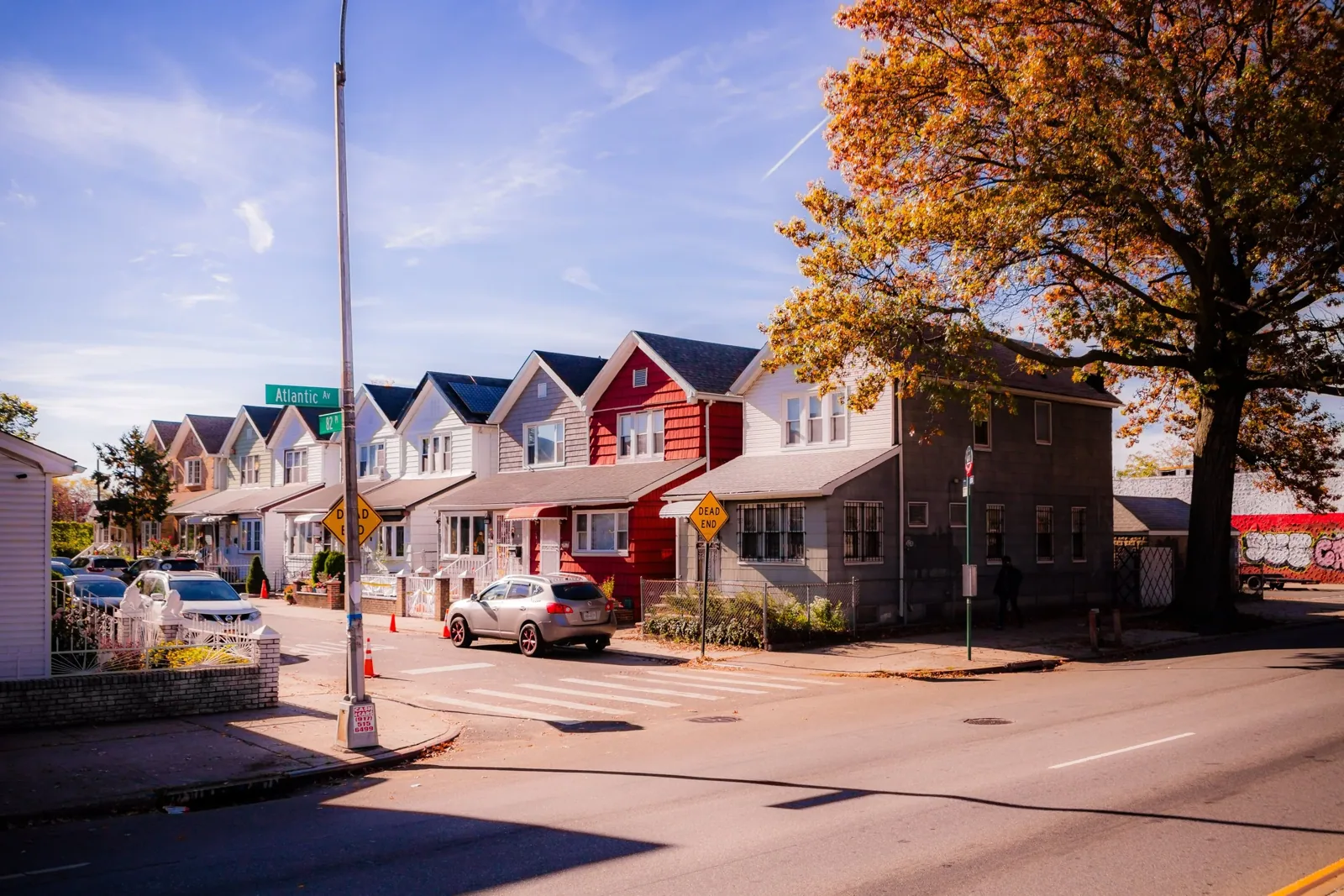
Commercial roofing in Ozone Park, Queens, NY: Liberty Avenue and Rockaway Boulevard shop roofs, reused industrial buildings, hospitality roofs and drain repair.
Elmont
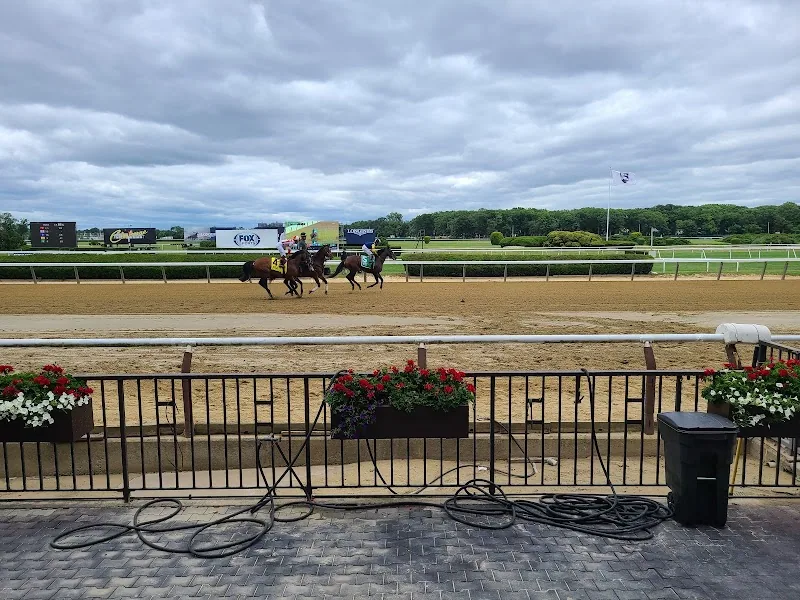
Commercial roof repair, coating and replacement in Elmont, NY, along Hempstead Turnpike and around the Belmont Park redevelopment, with plain-step explanations.
Ready to Talk About Hotel Owners and Hospitality Groups?
Tell us about the building and what you are seeing. We will schedule a roof walk and send photos and a written scope.