
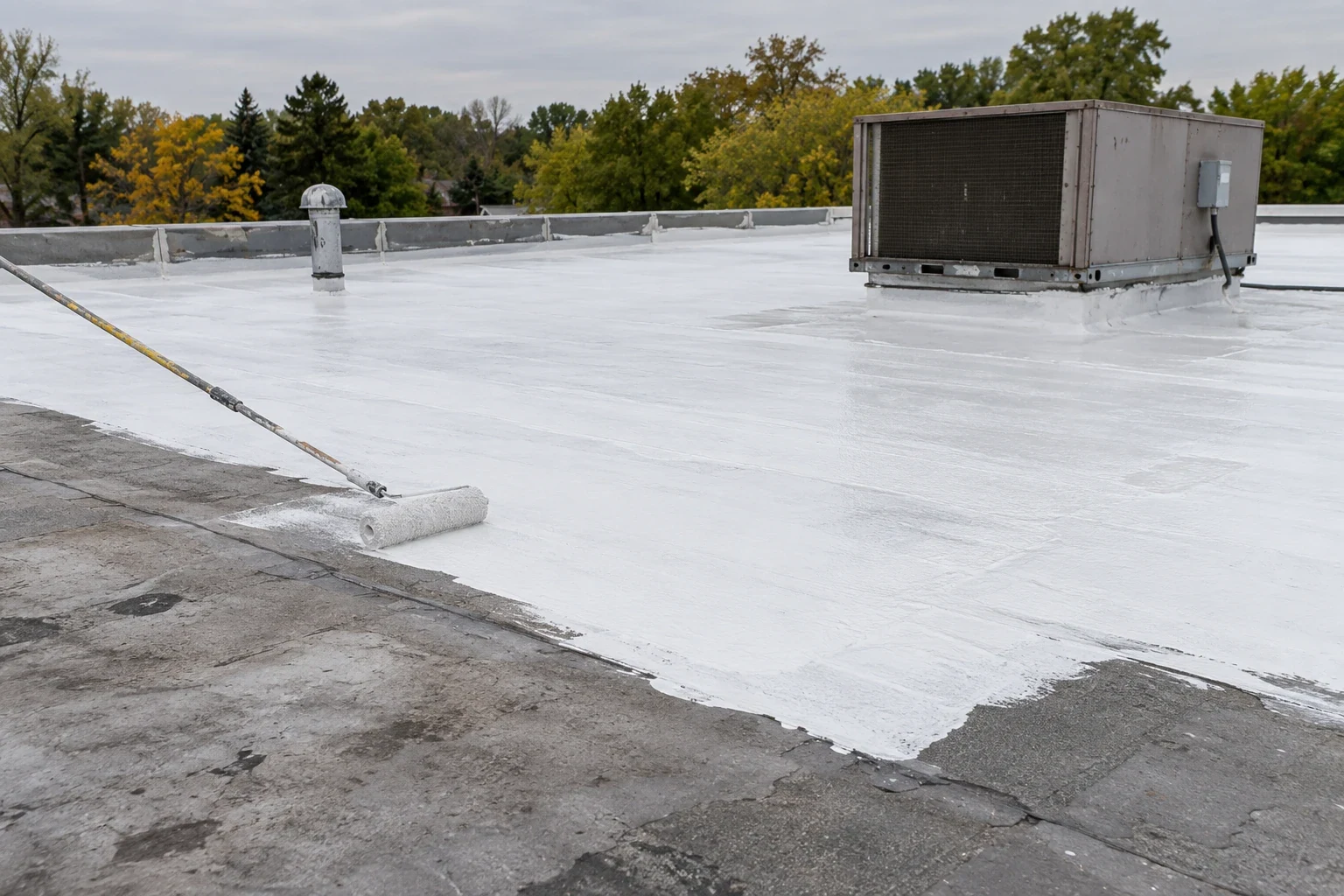
A flat roof with a permanent pond has already told you which coating it wants. Water that sits for days after a rain eats away at most coatings, softens them and lifts them from the surface, which is why ponded roofs so often show peeling in the lowest spots. A silicone coating is the one most often chosen for that situation, because it tolerates standing water far better than most alternatives. It is not a cure for ponding, but it can keep a sound roof alive while the underlying drainage is corrected.
What is a silicone roof coating?
A silicone coating is a liquid, applied by roller or spray, that cures into a flexible, waterproof, reflective membrane on top of the existing roof. It bonds to many sound surfaces, including metal, single-ply sheets, modified bitumen and spray foam. The film is thin, so it adds little weight, and it stretches with the roof as temperatures change.
It resists ultraviolet light and standing water well and stays flexible in the cold. Its weaknesses are that it picks up dirt, which dulls its reflectivity, and that very few other coatings will stick to it later. That second point means the choice is close to permanent: once silicone is on, future recoats are usually silicone.
Silicone fits several roof types. Over a worn metal roof it seals fasteners and laps, over a spray foam roof it serves as the protective skin, and over an old single-ply it renews the surface if the sheet is clean and sound. In each case the coating is only as good as what lies beneath it, which is why the test comes first.
How do we know a roof can take a coating?
Walk it with me. The first step is moisture: a scan and cores confirm the insulation is dry. The second is the substrate: we probe seams, flashings and surface condition, and we mark every spot that needs repair before coating. The third is adhesion: we clean a test area, apply the coating and check that it bonds. The fourth is a look at the drains, because a coating does not make a bad drain good.
If the roof fails the moisture test, coating is off the table until the wet insulation is cut out. A coating applied over a wet roof traps water and speeds the damage. An infrared moisture survey is the quickest way to map the problem, and cores finish the job.
One further check belongs here: slip. A freshly cured silicone surface is slick when wet, so we add walkway pads along service paths and at roof access, and we tell the maintenance team where to step. Slip resistance is a safety item for the people who service the equipment, and it is easy to build in before the roof is finished.
What goes on before the coating?
Preparation takes more time than the coating. The roof is washed to remove dirt, chalk and algae. Loose seams are repaired, flashings are reinforced with fabric and sealant and fasteners that have backed out are reset. Rust on metal is treated, and cracks and holes are filled. Primer goes on where the manufacturer's system calls for it.
Then the coating is applied in one or two coats to the thickness the product requires. Thickness is measured, not guessed. The edges, curbs and penetrations get extra material, since those are the places that fail first. The finished surface should be uniform, with no thin spots, runs or pinholes. A roof coating restoration project follows that order every time.
Cost drivers are plain. Roof size, the amount of repair before coating, the number of penetrations, the coating thickness and access all move the price. A clean, sound roof with few details costs far less than a patched roof with dozens of curbs. The scope written after the test shows each item, so the owner sees where the money goes.
Where does silicone make sense in Queens?
It makes sense where water lingers. The Maspeth blocks from 43rd to 58th Street, former Furman Island included, are mostly industrial lowlands, and Hurricane Sandy put water six feet deep in Maspeth. As of 2013, Willets Point lacked sidewalks and sewers and flooded in heavy rain. Howard Beach took a ten-foot surge from Jamaica Bay during Sandy, and the whole Rockaway peninsula had been ordered to evacuate beforehand.
Those events happened at street level, but a flat roof in a low, wet district has its own drainage to worry about. The city's first flash flood emergency came on September 1, 2021, with Hurricane Ida's remnants, and Queens recorded most of the deaths. A ponding water repair comes first wherever the deck can be fixed, and silicone helps on the roofs where some ponding cannot be avoided, a pattern worth testing for in Maspeth.
What does it need after installation?
Silicone needs washing. Dirt sticks to its surface and lowers its reflectivity, so a yearly rinse keeps it bright and lets us inspect it. We check for punctures from foot traffic, wear at walkways and any seam that has opened. Small damage is patched with the same product, as long as the area is clean.
Heat and cold are mild stresses for it. A white silicone surface cools the roof and takes some load off rooftop units, which matters when July afternoons reach 85 degrees at Central Park and the heat island adds more. The city's winters, which average 29.8 inches of snow and once dropped 27.3 inches in a day, leave it flexible.
Drains deserve a check after every big storm. A coating does not make a clogged strainer drain faster, and a coated roof that holds more water than planned is carrying extra weight. We clear strainers, flush the leaders and note the depth of any pond a day after rain, so the record shows whether the drainage is improving or getting worse.
What is the next step?
Send photos of the ponded area, the coating or surface and the nearest drain, plus the roof's age. We will test the roof and tell you, one step at a time, whether silicone, an acrylic coating or a new membrane fits. Cost follows that answer.
Questions Owners Ask
What building owners and managers usually ask before a roof visit.
Not any. It bonds well to many sound surfaces, but some old coatings and contaminated surfaces will not hold it. A test patch shows whether it sticks. If it does not, we remove the old surface or choose another system. Rust, oil and old chalky coatings are the usual culprits, and cleaning or priming cures most of them.
It tolerates ponding better than most coatings, but it does not remove the pond. Persistent ponding adds weight and shortens the life of the whole roof, so we correct the drainage where we can.
Silicone is slick and few products bond to it. Future coating work usually means more silicone. If you may change systems later, tell us before the first coat.
It depends on thickness, exposure and care. With regular washing and spot repair, a coating can serve for many years. We judge by adhesion tests and wear. Walkway wear shows first, so those areas get a closer look each spring.
Send photos of the roof surface, any ponded area, the drains and the roof's age, plus any earlier coating information. A note on the coating already on the roof tells us whether silicone will bond.
Related Roofing Work
Other pages that connect to Silicone Roof Coatings.
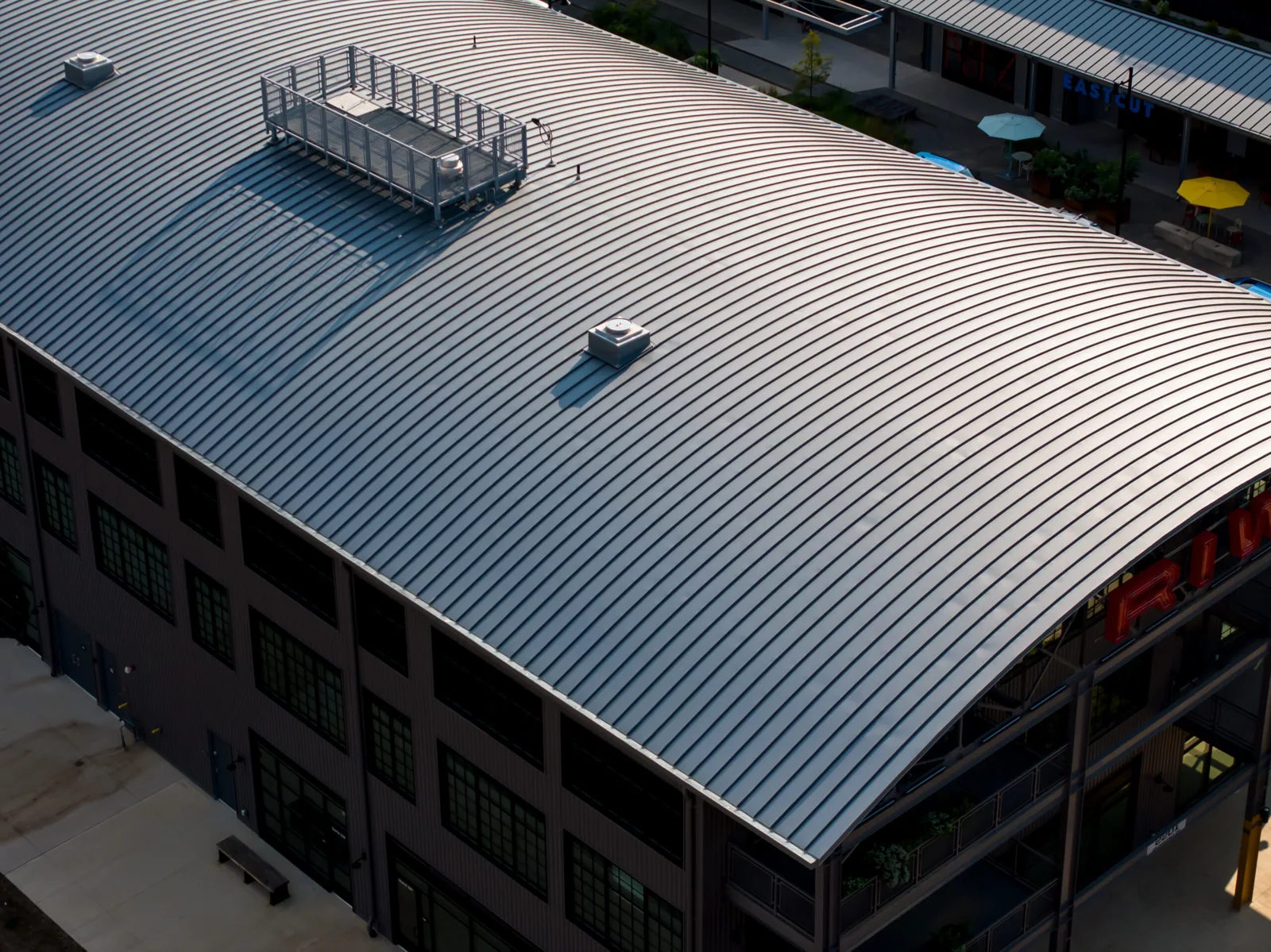
Metal Roof Retrofit and Restoration
Metal roof retrofit and restoration in Queens, NY: fixing backed-out fasteners and rusted laps on exposed-fastener roofs, or covering them with a new system.
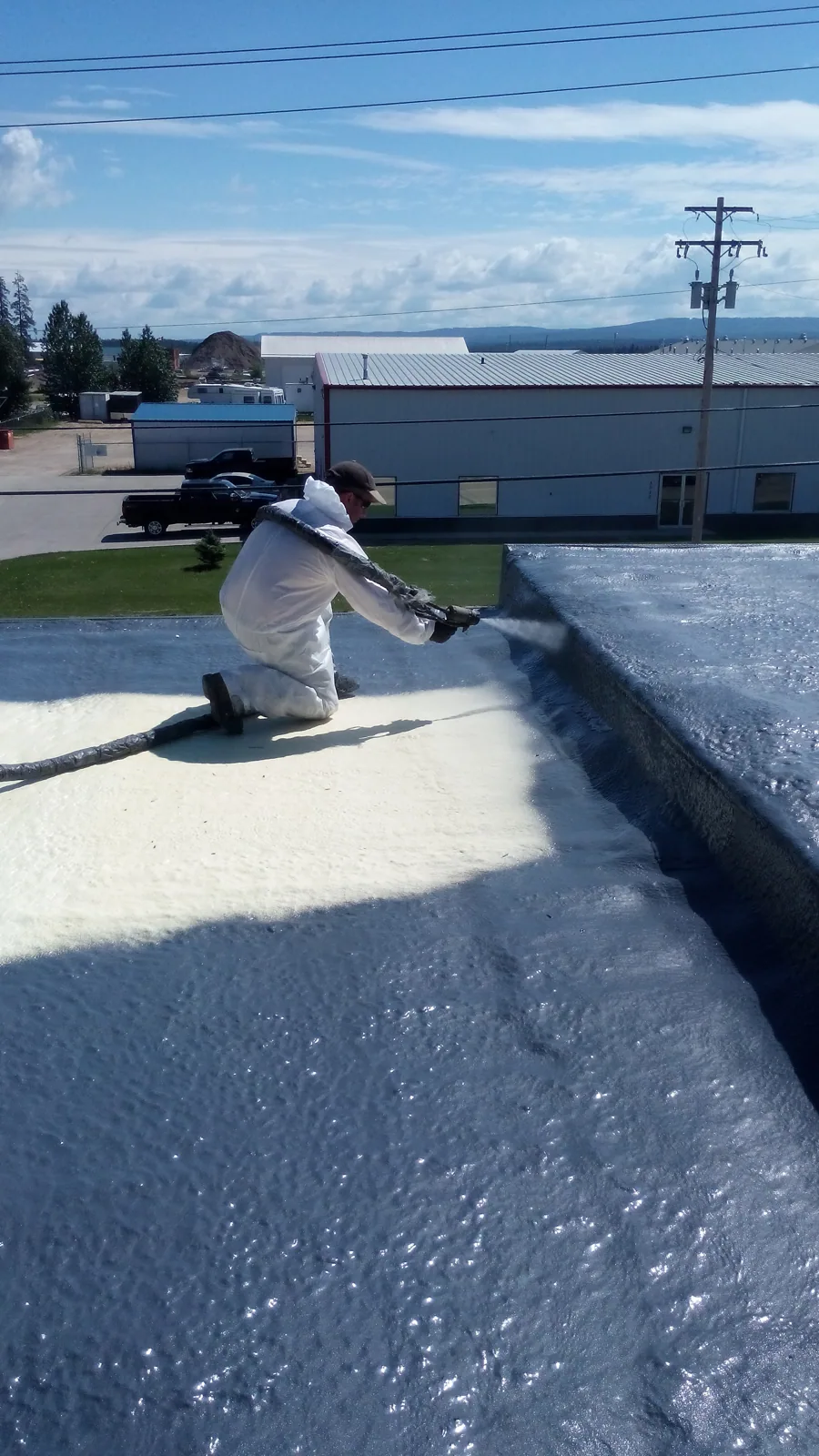
Spray Polyurethane Foam Roofing
Spray polyurethane foam (SPF) roofing in Queens, NY: continuous insulating roofs for odd shapes and tight details, with coating care and moisture checks.
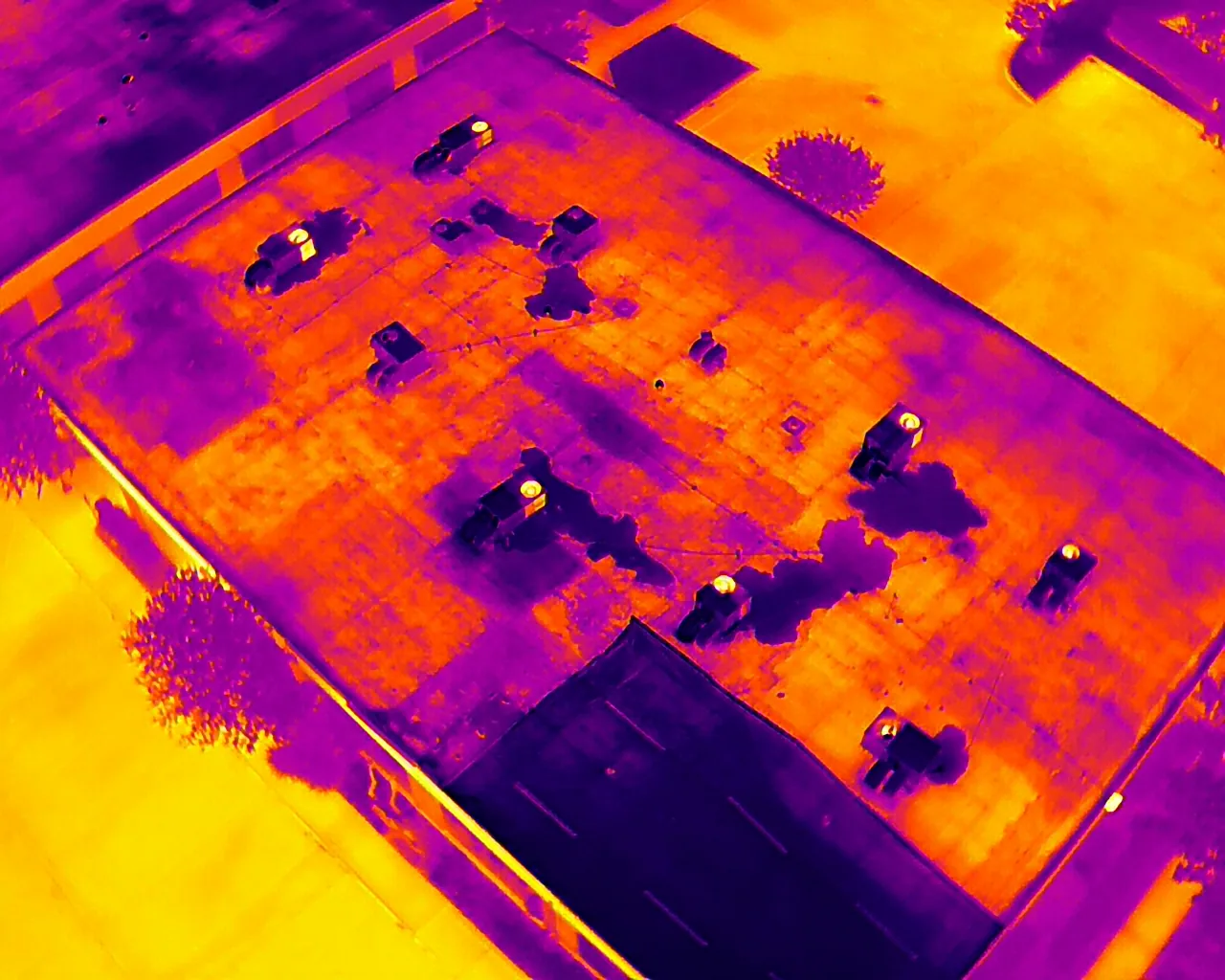
Infrared Roof Moisture Surveys
Infrared scans and core-cut moisture surveys for Queens, NY commercial roofs that locate wet insulation before the owner commits to repair or replacement.
Ready to Talk About Silicone Roof Coatings?
Tell us about the building and what you are seeing. We will schedule a roof walk and send photos and a written scope.