
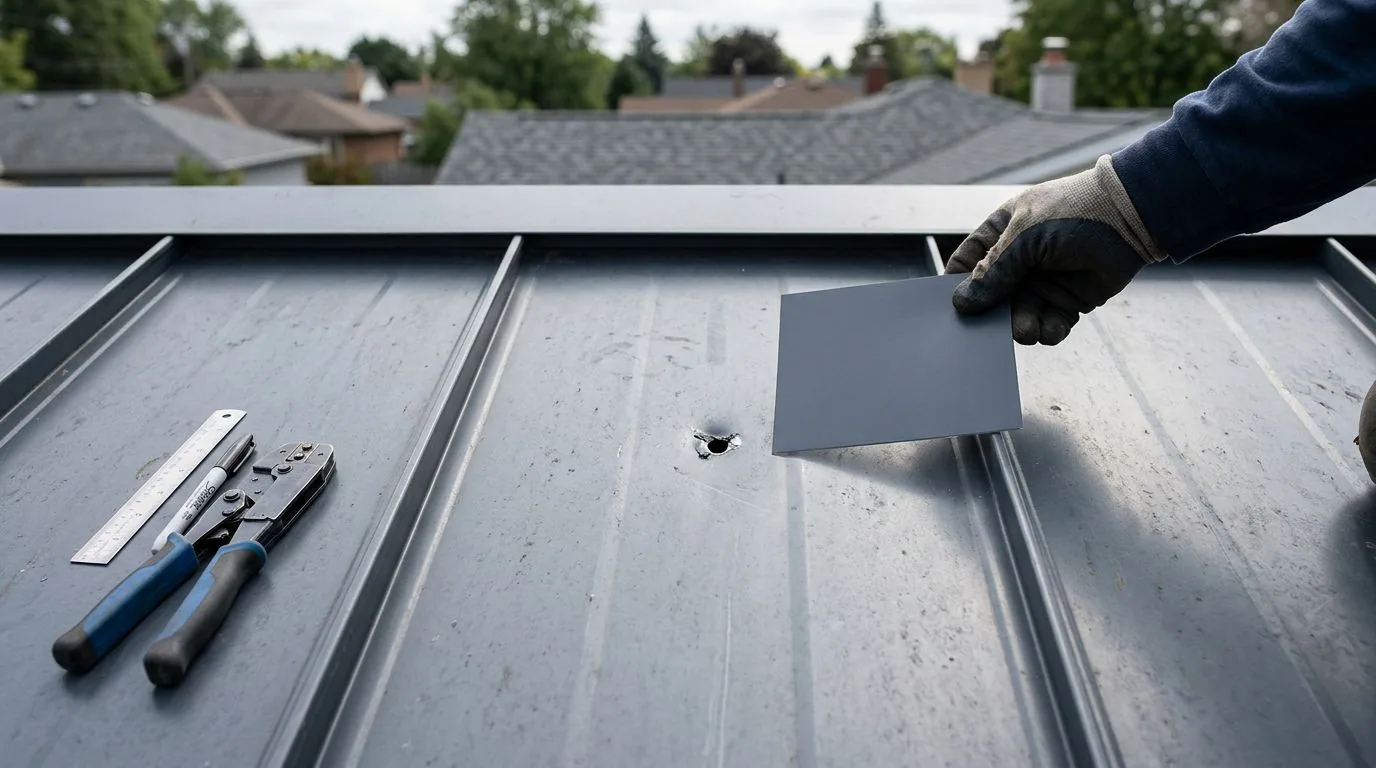
A stain that appears on a ceiling below a metal roof, with no sign of damage above, usually traces to one of three places: a seam end, a penetration or a rusted fastener at a trim piece. Standing seam metal hides most of its fasteners, which is its strength, and it also means leaks start in the few places where metal meets something else. We begin on the roof at those spots, with a flashlight and a small magnet, and work back toward the stain.
What is a standing seam roof?
A standing seam roof is made of long metal panels with raised seams that run from the eave to the ridge. Concealed clips hold the panels to the deck, and the seams are folded or snapped together over the clips. Because there are no exposed screws in the field, water has fewer holes to enter, and the panels can move with heat and cold.
That movement is built in. Metal expands and contracts with the temperature, and the clips let the panel slide a little. A roof that is fastened too tightly, or trimmed in a way that blocks the slide, will buckle, open a seam or tear at a clip. The details at the eaves, ridges and walls matter more than the panel itself.
Panels are formed from coil steel or aluminum, and the finish matters. A baked-on coating resists fading and chalking, and a bare edge or a scratch through to the metal is where rust starts. We look at cut edges, field-cut panels and any scratch from foot traffic, and we touch up with compatible paint where the finish has been broken.
Where does a standing seam roof leak?
Walk it with me. The first place is the seam ends, where a panel meets a wall or a curb and the seam must be closed with a sealed cap. The second is penetrations: pipes, vents and curbs need boots or custom-fabricated flashings that float with the panel. The third is trim, such as ridge caps, rakes and gutters, where screws or sealant at a joint can fail. The fourth is any place where a screw was driven through a panel by a later trade.
We probe each of those with a light and a hand. Dirt lines, rust streaks and sealant gaps mark the trouble. A seam failure repair may mean re-seaming a panel, replacing a sealant bead or adding a closure strip. If a clip has failed, the panel is lifted, a new clip is set and the seam is closed again.
Corrosion deserves a plain word. Dissimilar metals in contact, such as copper near steel or a lead flashing on aluminum, set up a slow reaction that eats the lighter metal. We separate dissimilar metals, check fasteners for compatible plating and look for rust streaks that begin at a screw head. A rust streak from a trim screw is a small note today and a hole in a few seasons.
Does slope matter?
It matters a great deal. Standing seam panels can shed water at low pitches, but the lower the slope, the more the seams and sealants must perform. On a nearly flat roof, a hydrostatic seam with sealant can work, while on a steeper roof a mechanically seamed panel may be enough. We read the roof's slope and the manufacturer's requirements before choosing a panel and seam.
Water that pools at the eave, behind a snow guard or at a valley is a warning. Ice can back up under a seam in winter, and the chances come often when snow averages 29.8 inches a year and January 2016 dropped 27.3 inches in a single day. We add ice protection at the eave and snow guards where snow could slide onto a walkway.
Where a standing seam roof meets an old low-slope roof, the transition is its own detail. A TPO or modified bitumen roof may end at the metal, and the flashing between them has to shed water in both directions. We build that joint with a closure and a counterflashing, and we test it with water.
Where does it fit in Queens?
It fits buildings that want a long-lasting roof with a clean profile and enough slope or structure to carry it. Retail fronts, institutional buildings and mixed-use blocks with sloped sections are candidates. A church roof with a pitched section is a classic candidate, and so is the sloped portion of an institutional building.
Wind exposure is the main Queens factor. The East River forms the northern edge of Whitestone, which exposes waterfront properties to wind off open water, and the Atlantic forms the southern boundary of Far Rockaway along Rockaway Beach, at an elevation of 20 feet. Howard Beach borders Jamaica Bay. A metal roof at any of those edges needs strong clips, secure edge metal and a careful uplift check.
How does it hold up in storms?
Hurricane Sandy's storm surge set a record at The Battery, 14.06 feet above average low tide, and hurricane-force gusts swept the metro area. Wind attacks a roof at its edges first, so the perimeter panels, the rake trim and the eave get the most attention. Properly clipped panels and heavier edge metal resist uplift better than light trim.
Rain adds its own test. When Hurricane Ida's remnants arrived on September 1, 2021, the city declared its first flash flood emergency, and Queens bore most of the deaths. A metal roof sheds water quickly, which puts load on gutters and downspouts. We size them for a cloudburst and check edge metal and gutters for slope and fasteners.
What is the next step?
Send photos of the stain, the seam ends and trim nearest it, and any penetration above, along with the roof's age. The walk of the roof tells whether a repair, a recoating or a new panel system suits it, and price comes once that is clear. If you are comparing it with a retrofit over old corrugated metal, we can weigh a metal roof retrofit on the same visit.
Questions Owners Ask
What building owners and managers usually ask before a roof visit.
With sound clips, sealed seams and well-made flashings, it can last for many years. Finish, coastal exposure and maintenance all matter. We judge by what we find on the roof.
Metal expands and contracts as the temperature changes, and panels can creak or pop as they slide on their clips. Normal movement is quiet. Loud banging may mean clips are binding or the trim is blocking movement. A few pops on the first hot days after installation are common as the panels settle.
Sometimes, over a flat or low-slope roof with the right framing. A new structure may be built on top and the old roof left in place. A moisture scan and a structural review decide. We also confirm the old roof is dry before it is covered.
Often. We clean the area, re-seam or add a closure, replace sealant and test with water. If the clip system has failed across many panels, replacement is more sensible. Sealant alone is a short-term fix at a seam end, so we pair it with a closure or a cap.
Send photos of the stain, the seam ends and penetrations nearest it and the roof's age. Tell us if snow has slid off the roof.
Related Roofing Work
Other pages that connect to Standing Seam Metal Roofing.
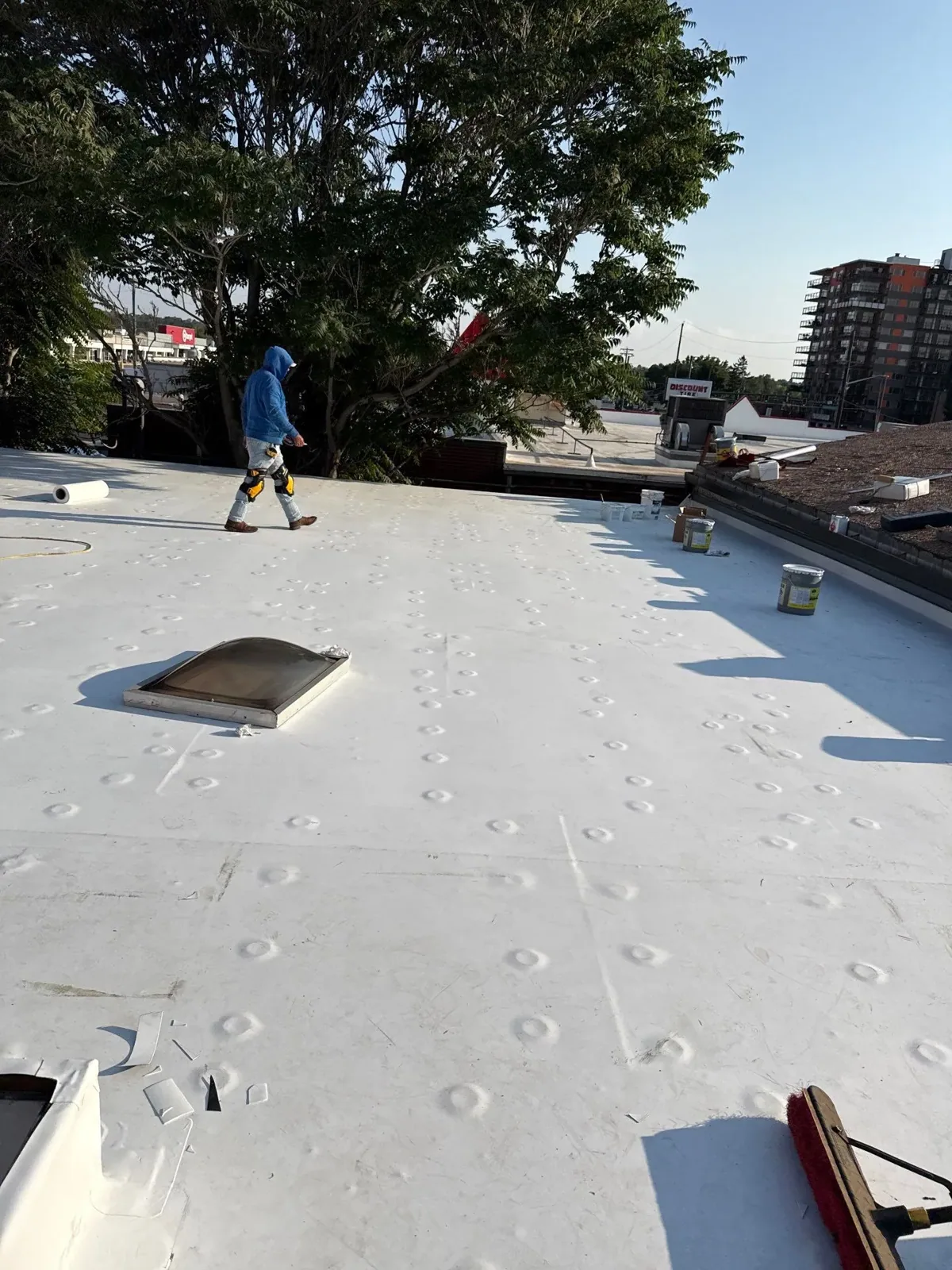
Seam Failure Repair
Seam failure repair in Queens, NY: split, open and lifted seams on TPO, PVC, EPDM and modified bitumen roofs, found by probe and repaired with strips.
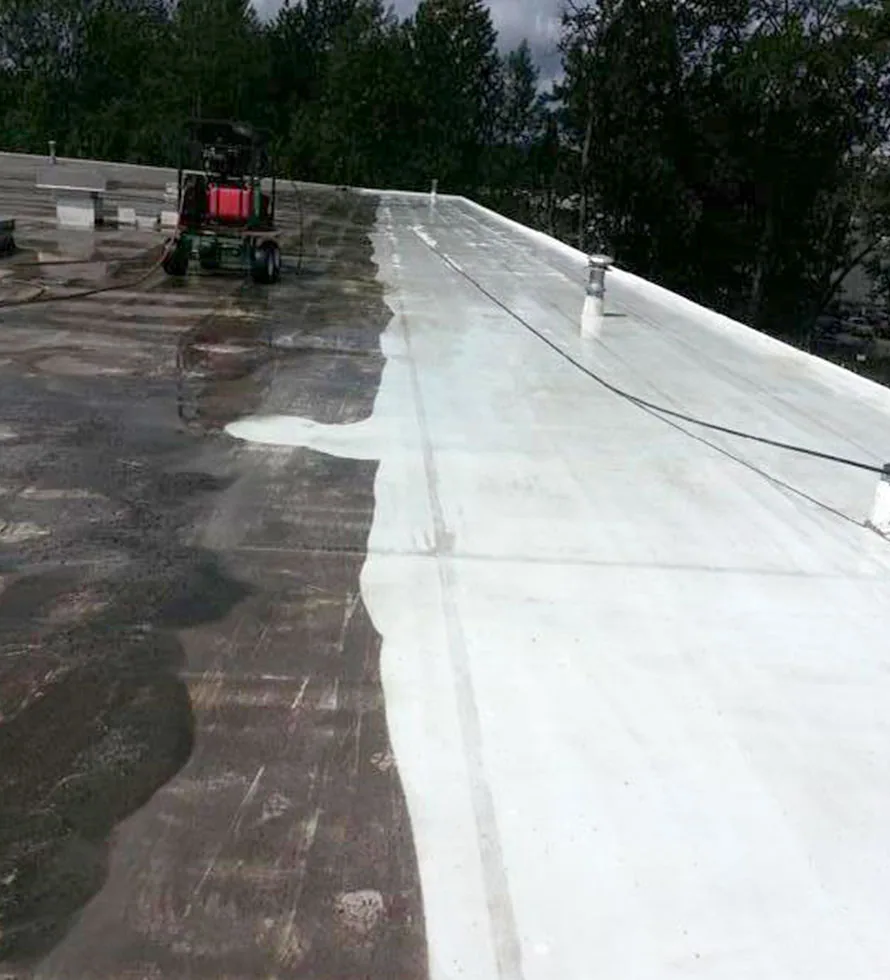
TPO Roofing
TPO roofing in Queens, NY: heat-welded white single-ply membranes for flat commercial roofs, with seam checks, repair and replacement explained step by step.
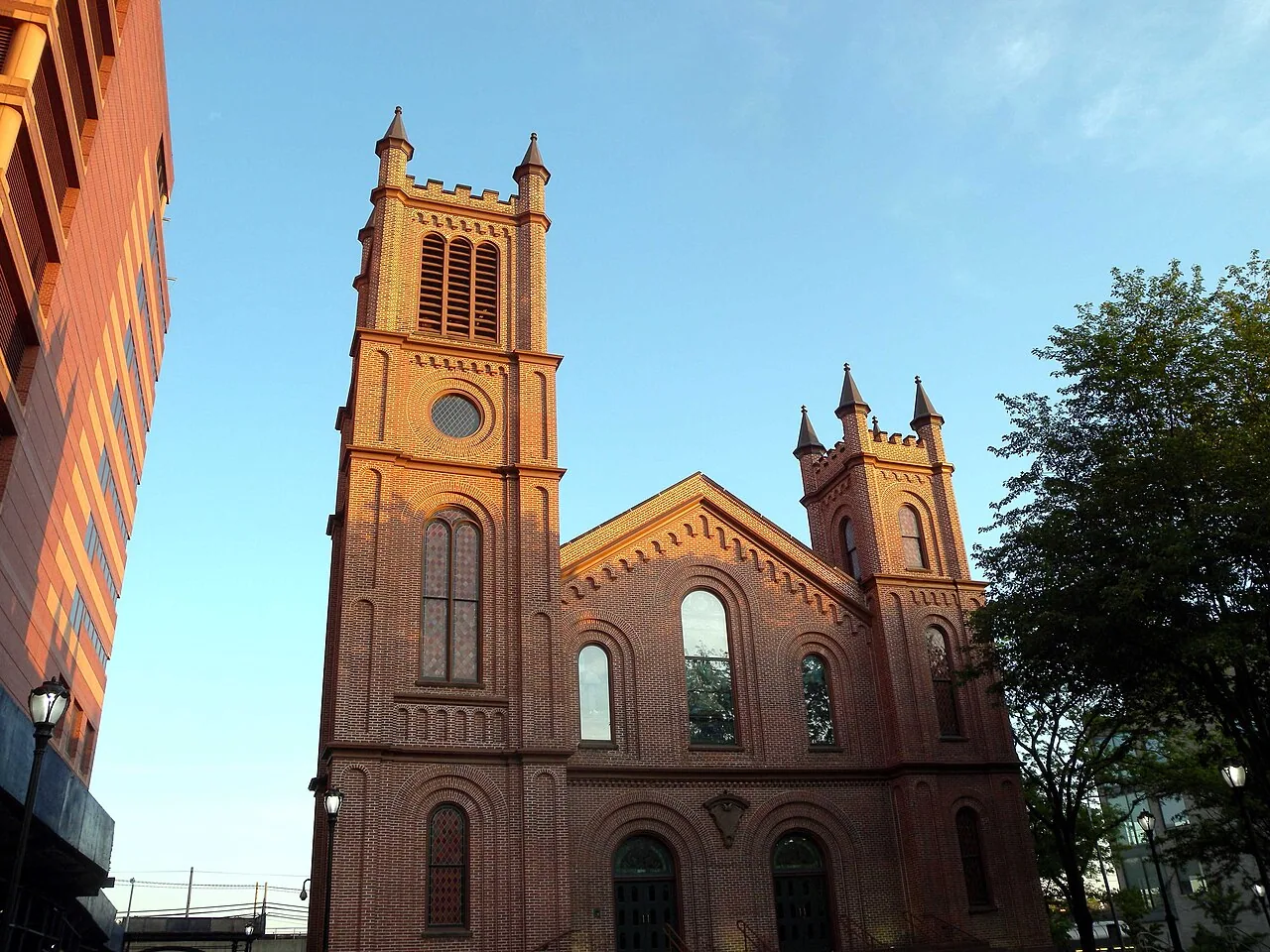
Church Roofing
Roof repair and replacement for Queens, NY churches and houses of worship: parish hall flat roofs, tile and masonry details, historic review and drains.
Ready to Talk About Standing Seam Metal Roofing?
Tell us about the building and what you are seeing. We will schedule a roof walk and send photos and a written scope.