
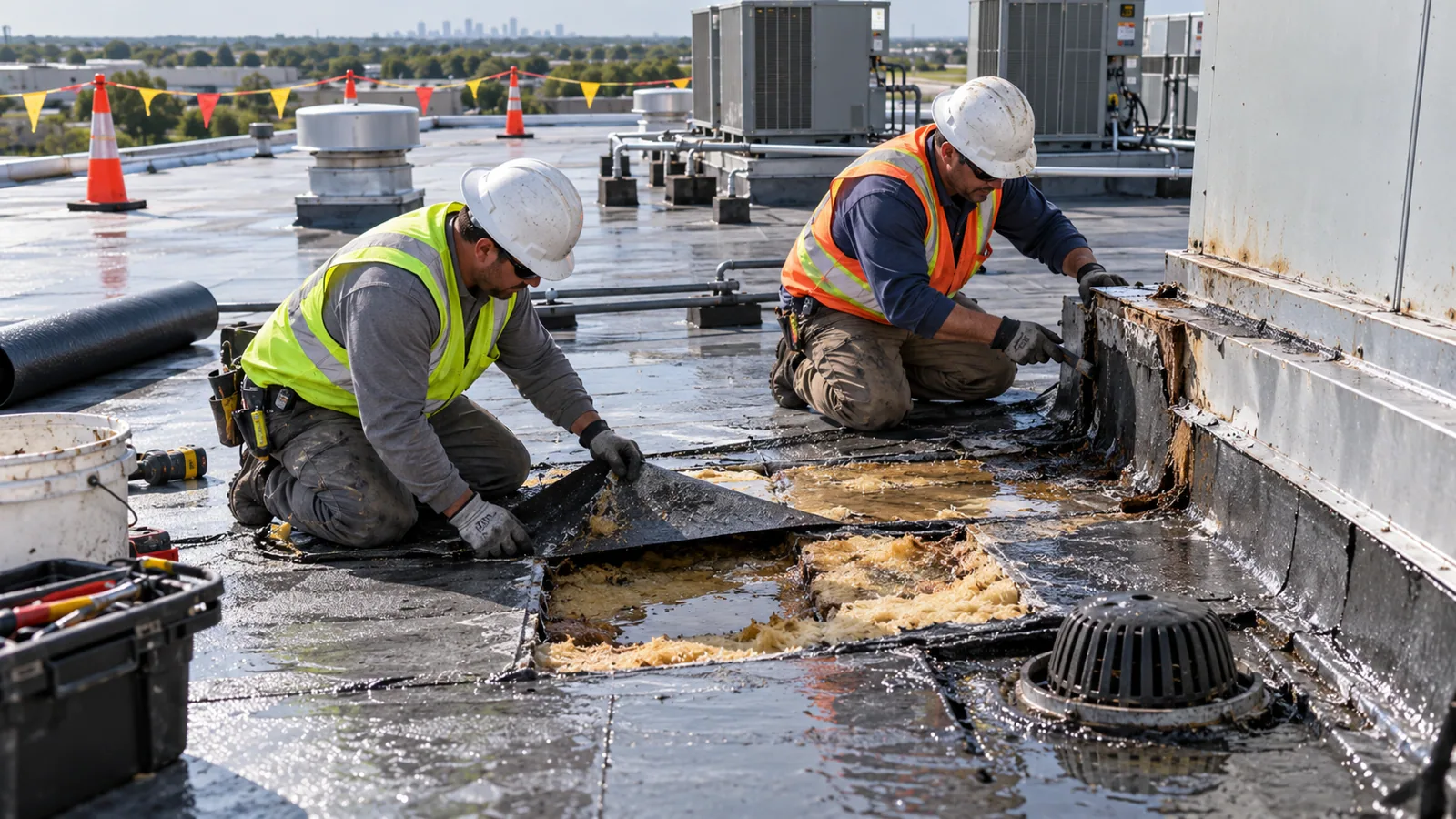
After a hurricane, wet ceiling tiles in three unrelated rooms often trace back to a single opening in the roof. Water came in at one place, ran along the deck, met a joint, a duct or a light fixture and dropped in several spots at once. Owners who count the stains and guess three leaks usually have one, and closing that one is the only way to stop all three.
No other storm tests a roof in so many ways: sustained wind, sharp gusts, driving rain, flying debris and, in low places, floodwater around the building. Queens, NY knows what a major storm does. In October 2012, Hurricane Sandy put water six feet deep in Maspeth, and the whole Rockaway peninsula had been ordered to evacuate before it arrived. One roof can be tested four ways by the same storm, and every way leaves its own signature.
What does each part of the storm leave behind?
Look for bent edge metal, coping knocked out of line, membrane rolled back and units pushed off their curbs where wind has worked. Sandy's gusts reached hurricane force across the metro area, and failures in winds that strong begin at the corners and perimeter. Horizontal rain soaks insulation beneath seams and flashings designed for rain falling from above. Flying debris cuts and dents, and while floodwater marks ground level, a roof whose downpipes backed up can fill and pond as well, with water standing against walls and curbs.
Salt on the wind is the quiet damage. A building near open water collects it on metal and sealants, and it accelerates corrosion in the months after a storm. Owners in Howard Beach and Far Rockaway should include a rinse and a fastener check in the post-storm walk.
Taken together, the marks give the sequence. A wind-damaged edge at the windward corner, soaked insulation downwind of it and a pond where the drains clogged tell the storm's story in order, and the repair follows that order: the edge, then the wet material, then the drainage.
What do we do first?
Safety and dry-in lead. We confirm the roof can be walked, clear off loose material, secure lifted metal and cover openings so the rain stays out. Silt and debris come out of the drains, which a hurricane often clogs, and everything is photographed in place and dated before anything moves. The insurer needs those records, and so does the owner who wants to understand what the storm did.
A hurricane damages many buildings at once, so crews and materials are in demand. We rank jobs by how severely water is entering and how the building is used, and we give each owner a realistic window for the permanent repair. If that window is days or weeks, a stronger temporary cover goes on to survive the next rain. That is the work of emergency roof repair, and the earlier the call, the better the building is protected.
How do we find the hidden damage?
Wind-driven rain can soak insulation with no sign at the surface. An infrared moisture survey is the best way to map it after a hurricane, and cores verify what the scan shows. Across the field we also test fasteners, because a roof that flexed in the gale can have loose plates and screws where it looks perfect, and we probe seams, test flashings and look for movement in rooftop equipment. Water follows the deck, so interior stains are compared with the roof findings to locate the true entry.
Hurricane Ida's remnants arrived September 1, 2021 and the city declared its first flash flood emergency; Queens took the worst of the loss of life. Ida was a rain storm rather than a wind storm, and its lesson for roofs is the same: look at the drains, the ponding areas and the overflow paths. A roof that took Ida's cloudburst without a leak was either well drained or lucky, and a survey tells which, so the next heavy rain does not decide it.
Flashings deserve a second look after any hurricane. Sideways rain forces water into joints built to shed it from above, and a flashing failure that was minor before the storm often opens wide. Counterflashings are lifted by hand to see what lies behind, tops of base flashings are probed for gaps and rooftop units, whose panels and curbs let in sideways rain, get a close look.
How is hurricane damage repaired?
Every failure gets the repair that fits it. Lifted edges are rebuilt with edge metal and coping that is heavier and better fastened than before, and corner zones get extra attachment. Torn membrane is cut back and patched or renewed, soaked insulation comes out and goes back new, and flashings beaten by wind-driven rain are rebuilt taller or with better laps. Where the storm proved the drains inadequate, they are enlarged or backed up with overflow scuppers.
A repair should leave the roof better prepared for the next storm, not just restore the last condition. When one storm has hurt many roofs, replacing an old and weak one can be more sensible than patching, and we set out the comparison with cost drivers shown for each path.
Where a roof held water because the drains were overwhelmed, ponding is handled in the same job. A roof that pooled in the storm may have a low spot nobody noticed in dry weather, and tapered insulation, a new drain or an overflow scupper corrects it. The new details should be sized for a storm worse than the last one, because the next cloudburst may be at least as heavy.
What about the insurance claim?
Documentation starts on the first day. We keep dated photographs, moisture maps, core results and receipts for temporary work, and we write the repair scope in line items. Each policy words its treatment of wind, wind-driven rain and flooding differently, and the owner, broker and insurer work out how those terms apply. We provide the physical record through claim documentation and can walk the roof with an adjuster.
Preparation before the season is the cheapest protection. Ahead of hurricane season, clear every drain, test edge metal and coping by hand, secure loose items and photograph the roof's condition. A short pre-season walk costs a fraction of a post-storm repair, and those photographs are the baseline an adjuster will ask for later.
Questions Owners Ask
What building owners and managers usually ask before a roof visit.
The moment it is safe, preferably within days. Every rain makes wet insulation and loose metal worse, and early records strengthen the claim.
Yes. Rain driven by wind can soak insulation with nothing visible on top, and loosened fasteners cannot be seen from the ground, so only a walk and a scan give a dependable answer.
It answers the failure that comes first. A well-fastened edge denies the wind a grip beneath the membrane, which is where most wind damage starts.
For days, not months. A tarp fastened to framing and weighted properly can last through several rains, but a permanent repair should replace it once materials and weather allow.
Photos of the roof edge, the drain area and each ceiling stain, with the date of the storm. We will explain in plain steps what the storm did before any price is discussed.
Related Roofing Work
Other pages that connect to Hurricane Damage Roof Repair.
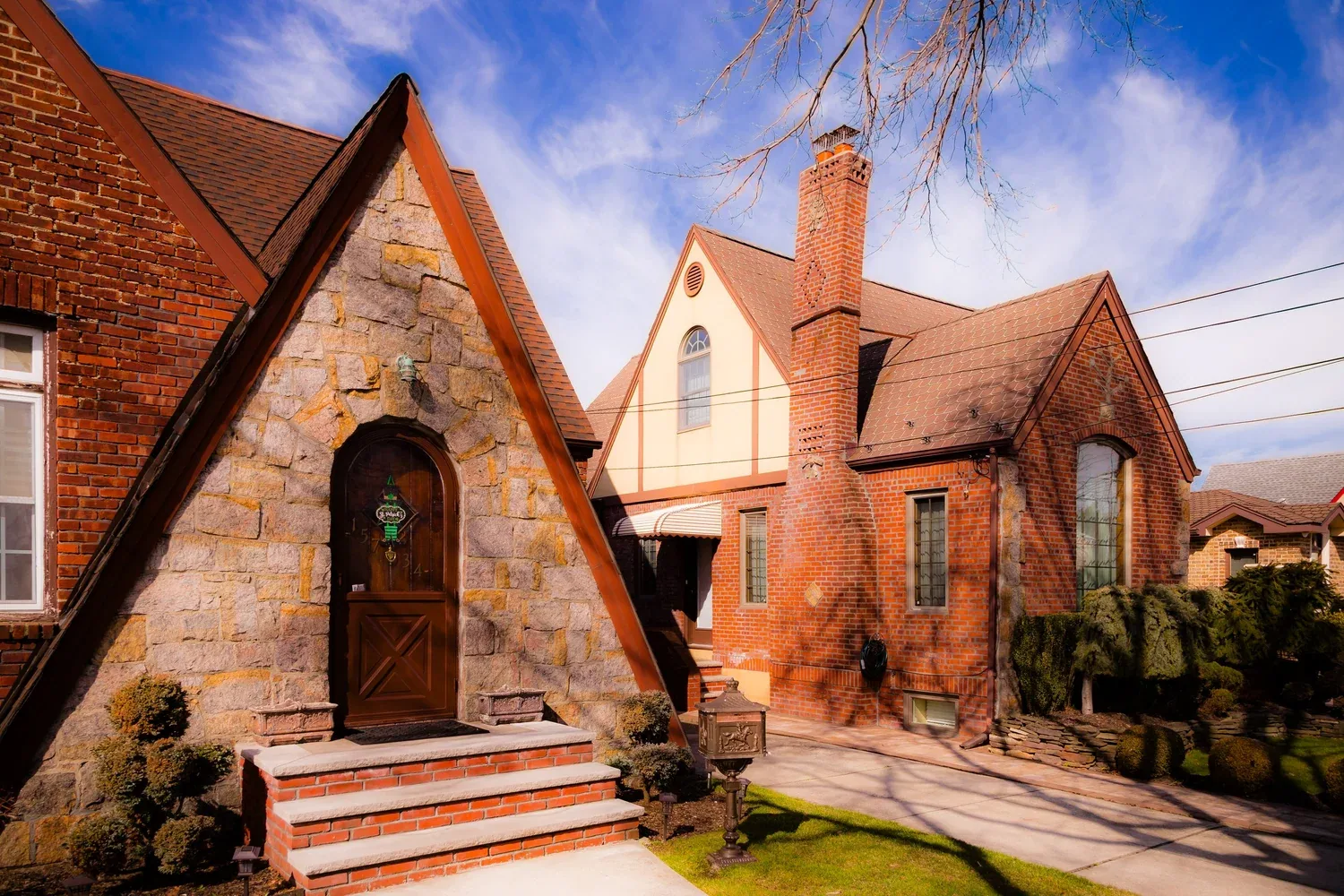
Howard Beach
Commercial roofing in Howard Beach, Queens, NY: Cross Bay Boulevard retail roofs, Lindenwood apartment roofs, bay-edge wind and salt, drain and edge repair.
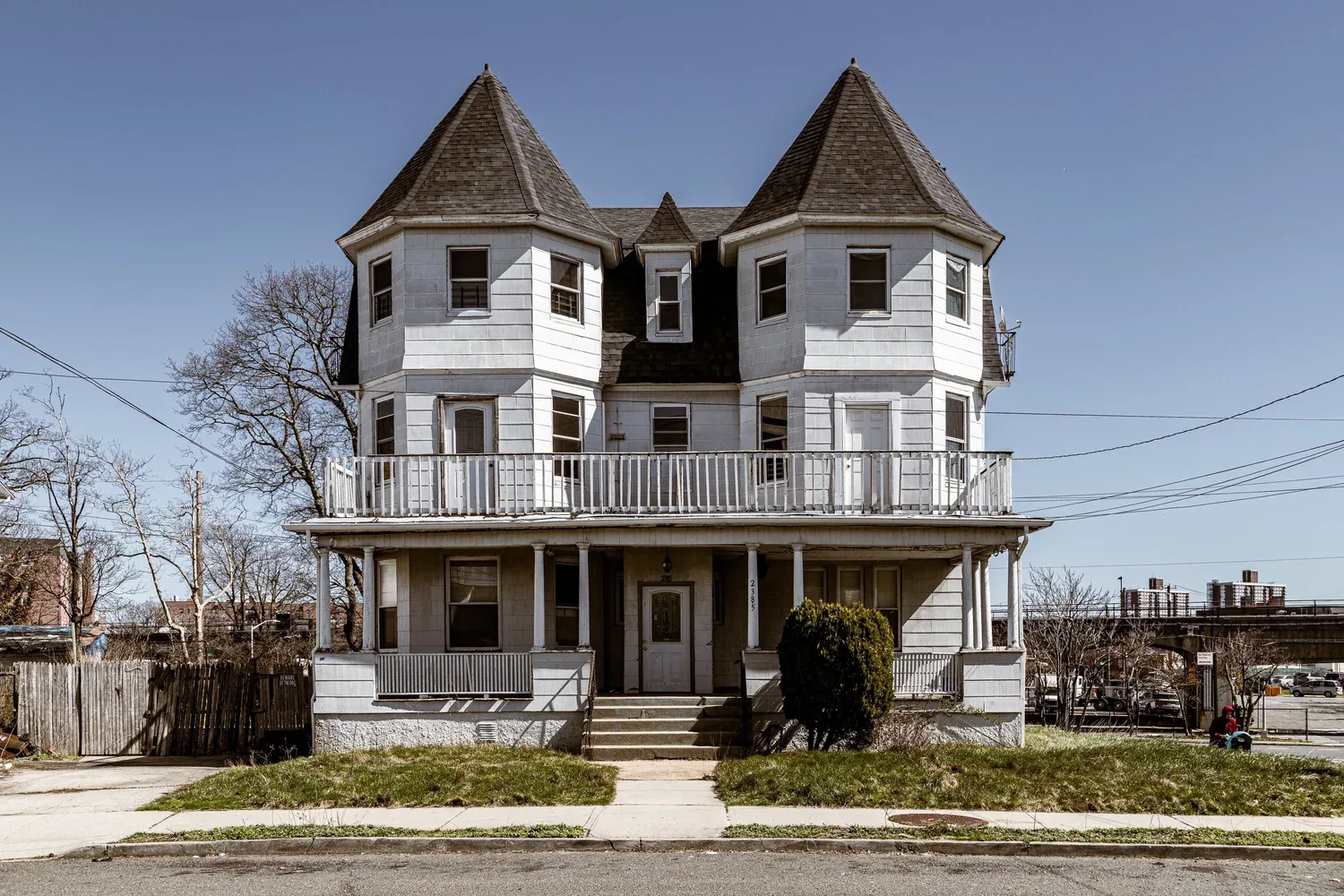
Far Rockaway
Commercial roof repair, coating and replacement in Far Rockaway, Queens, NY, for oceanfront-exposed mixed-use, retail and apartment buildings.
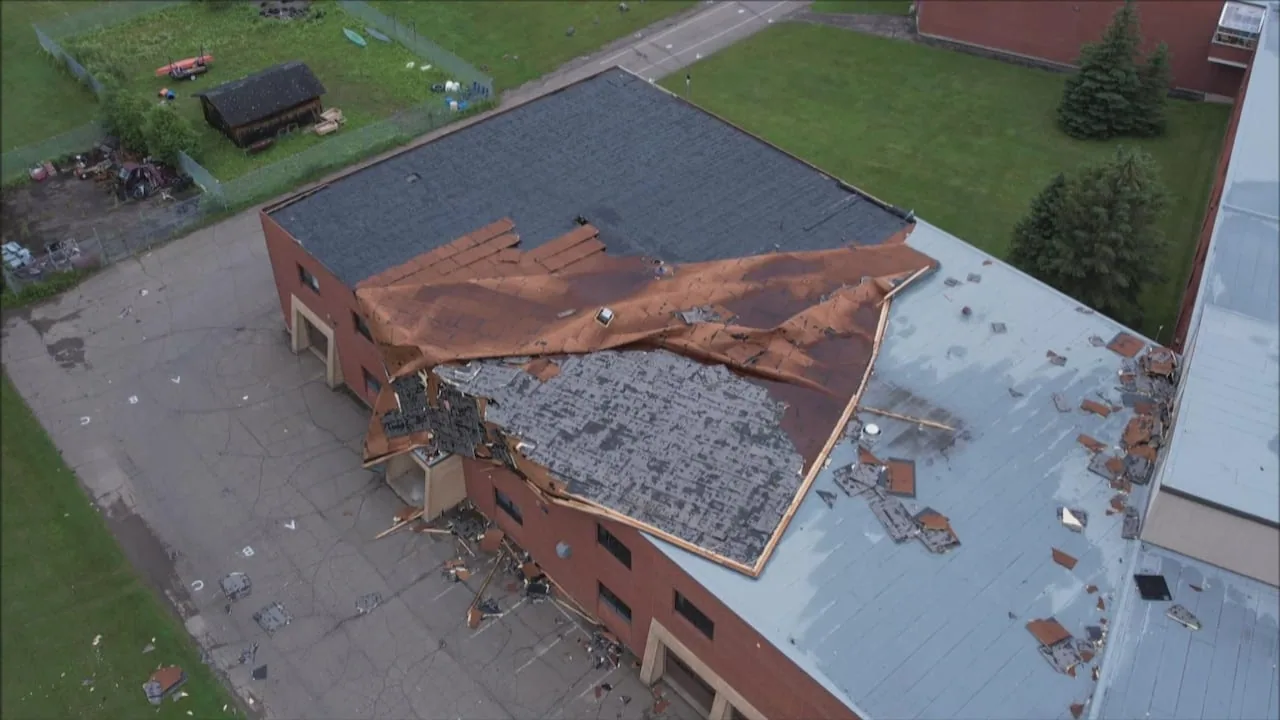
Wind Damage Roof Repair
Wind damage roof repair in Queens, NY: lifted edge metal, peeled membrane and loosened fasteners found, explained in plain steps and repaired at the edge first.
Ready to Talk About Hurricane Damage Roof Repair?
Tell us about the building and what you are seeing. We will schedule a roof walk and send photos and a written scope.