
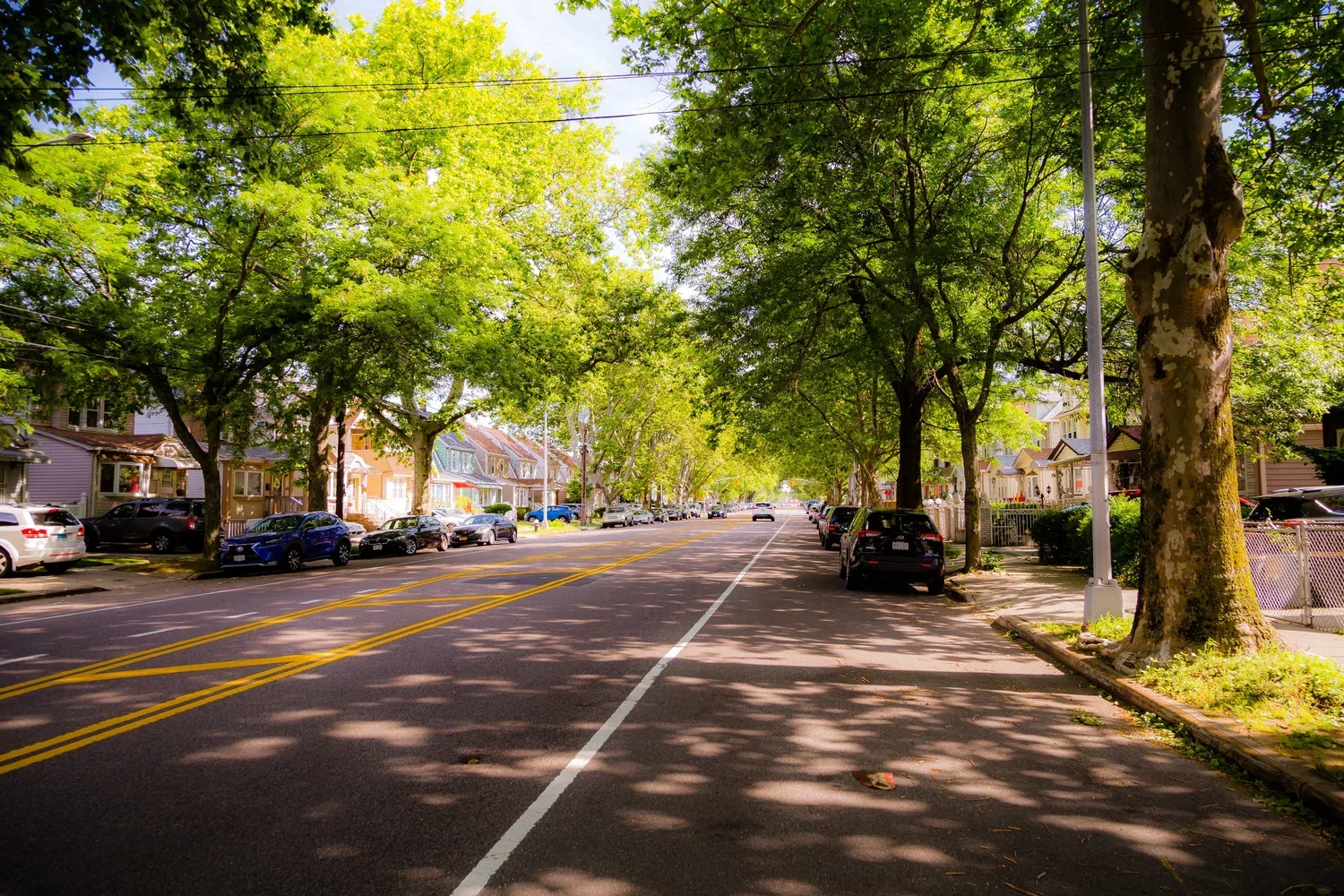
A black film that wipes off the roof surface onto a glove is something owners near busy roads and airports notice only when someone climbs up, and it tells us more than it looks like. The film is a mix of soot, road residue and dust, and it does two things to a flat roof: it absorbs heat, so the surface runs hotter, and it holds moisture against the membrane, so seams and edges stay damp longer. Neither is dramatic. Both shorten a roof's life.
South Ozone Park, Queens, NY sits just north of John F. Kennedy International Airport, with Aqueduct Racetrack on one side and the Van Wyck Expressway on the other. Rockaway Boulevard is its main business strip, many small businesses line Liberty Avenue, and the Belt Parkway, described as a major travel corridor, runs near the neighborhood. Roofs here sit among busy roads, and the first step is reading what the surface has collected.
What do the small-business roofs need?
Shops, garages, offices and storage buildings along Rockaway Boulevard and Liberty Avenue may have small flat roofs with a parapet, a drain or two and a handful of penetrations. The first walk covers the same short list every time: the drain, the edge, the penetrations and the seams. A drain that sits in a pond, a seam that has lifted or a vent boot that has split are usually the cause of the stain below.
Small roofs are cheap to maintain and expensive to ignore, since a modest leak over a shop's stock or a garage's equipment costs more than the spring visit that would have caught it. A spring visit that clears the drain, reseals a vent and probes the seams keeps a modest roof dry for years, and the record helps an owner decide when a larger step is justified.
A pond on a small roof is easy to miss because the roof is hidden from the street. We look for ponding on every walk, time how long it stays after rain and trace it to the drain, the slope or a sagging section. A small tapered section laid toward the drain often cures a pond on a modest roof, at far less cost than waiting for the membrane to fail beneath it.
What do the highway and airport edges do to a roof?
The neighborhood sits near the Van Wyck Expressway and the Belt Parkway, and JFK, which covers 5,200 acres in Jamaica, moved 1,557,067 US tons of cargo in 2025. A roof near that much traffic can collect the film described above, and rooftop air intakes draw the same air. Patches do not bond to grime, so the surface is washed before any repair, and on a sound membrane a reflective surface that can be washed on a schedule makes sense. Over a clean, dry membrane, a coating restoration is often the practical option.
Where a building holds storage or service operations, the roof protects stock and equipment, so a leak costs more than a stain. Those jobs are planned around operating hours, with the interior below the work protected.
Dust is more than cosmetic on a roof with rooftop equipment. Condensers and air handlers pull dusty air through their coils, and a roof that is washed makes their job easier. If a building's air intake is on the roof, a heavy film on the surface can drift into it, which is another reason to keep the roof clean. We coordinate washing with the building's service contractor, so the water and detergent do not reach intakes.
What does a neighbor like Aqueduct change?
Aqueduct Racetrack lies beside the neighborhood, and a large open site changes how wind reaches nearby roofs, since less stands in its way. A building facing open ground can catch gusts at the edge, where loose edge metal is the first thing to go. Edge metal and coping are checked by hand and re-fastened as needed, along with the first rows of membrane at the perimeter, which carry the highest suction.
Which parts fail first on these roofs?
Three details account for most of the leaks. The first is the drain, where leaves, trash and grit block the outlet and the roof ponds. The second is the parapet flashing, where tar has dried and pulled from the wall. The third is a seam or boot that has opened in heat and cold. A seam failure is found by pressing a blunt tool along the lap, and a failed boot by looking for a gap or a crack on its sun side.
We repair each by rebuilding the detail with sound material rather than covering it with sealant. A repair of this sort is usually a visit, not a project.
Order matters in the repair. We clean first, since nothing bonds to a dirty surface. Then the drain is reset or cleared, flashings are rebuilt, seams are rewelded or covered and boots are replaced. Only then do we consider a surface treatment. Each step is photographed, and the finished roof is checked after the first heavy rain.
How do storms, snow and heat test these roofs?
Hurricane Ida's remnants hit on September 1, 2021 and New York City issued its first flash flood emergency; most of the deaths were in Queens. One drain on a flat roof fills fast in rain like that, which is why an overflow route is checked. Freeze-thaw cycles open sealants and seams after about 29.8 inches of snow in an average year, and summer adds a strong heat island with July afternoons near 85 degrees at Central Park. Maintenance visits cover all three seasons.
Cost follows the roof area, the number of penetrations, the length of parapet, the amount of wet insulation and the access. A roof with a ladder hatch and a clear path costs less to work than one reached only by an exterior ladder. We state these drivers in the scope so an owner can see where the money goes.
What is the next step?
Give us photos of the stain, the drain and the surface, then the street and the roof age. We go up, look at the whole surface and say in plain steps what the roof is doing before price. Owners in Ozone Park and Jamaica follow the same sequence.
Questions Owners Ask
What building owners and managers usually ask before a roof visit.
Dirt absorbs heat and holds moisture against the membrane. Seams and edges stay damp, and the surface runs hotter, which speeds the wear of sealants and rubber. A roof that is washed and recoated lasts longer.
If the membrane is bonded and the insulation dry, a repair and a coating can extend its life. If insulation is wet or the membrane has released, a repair or replacement comes first. A moisture scan and a core settle it.
Clearing the drain strainer of leaves and trash is something building staff can do safely if they have proper access. Anything involving seams, flashings or the drain line belongs to a roofer.
Not in general, but they need good edge fastening and clean surfaces. Any rule about work near an airport should be confirmed before cranes or lifts are planned, and we ask at the first walk.
Photos of the stain, the drain and the roof surface will do, with the street and roof age added if you have them. Plain steps come first on what the roof is doing, and price after.
Related Roofing Work
Other pages that connect to South Ozone Park.
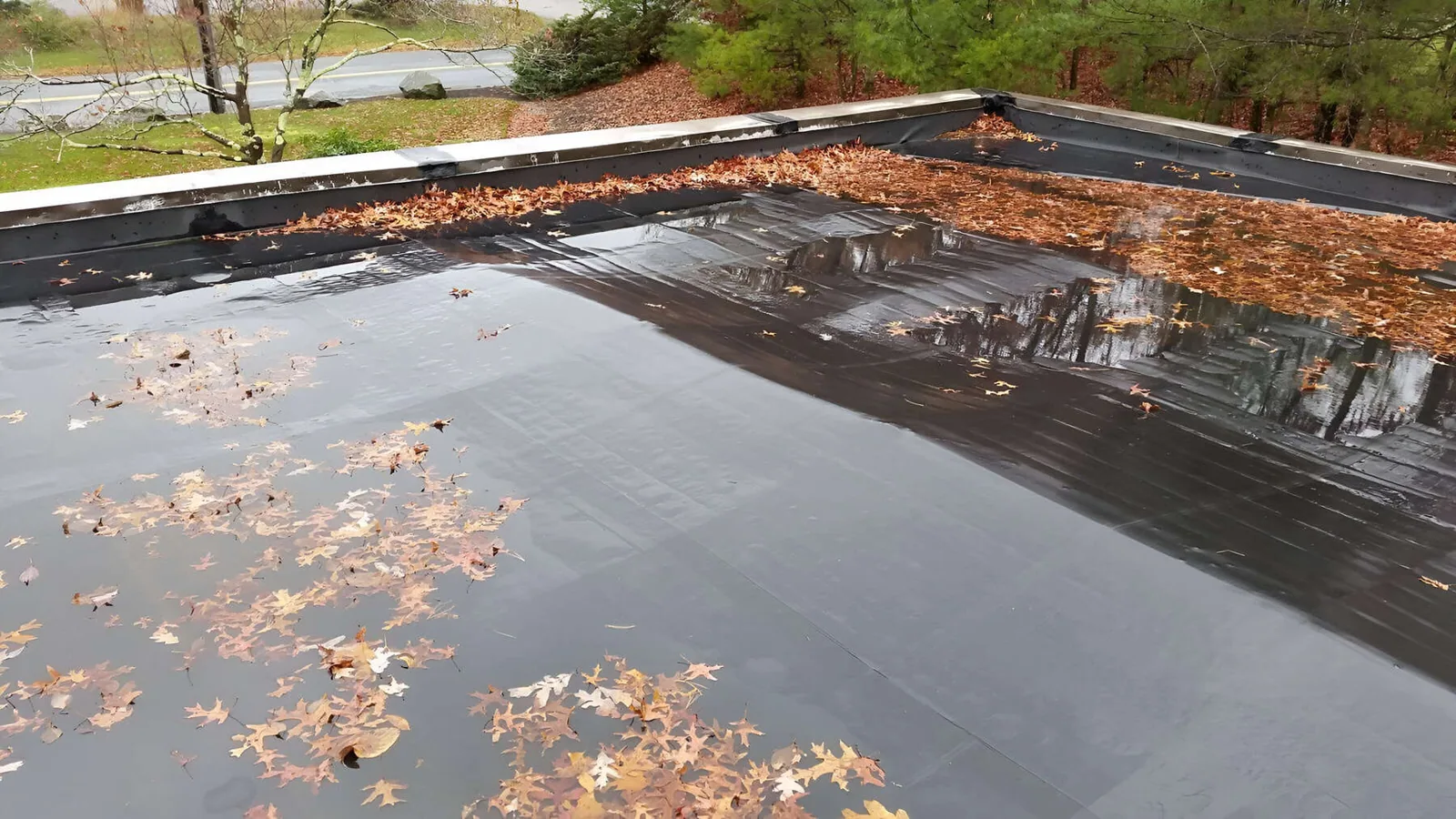
Ponding Water Roof Repair
Ponding water roof repair in Queens, NY: why standing water forms on flat roofs, how it ages the membrane and the drain, slope and insulation fixes that end it.
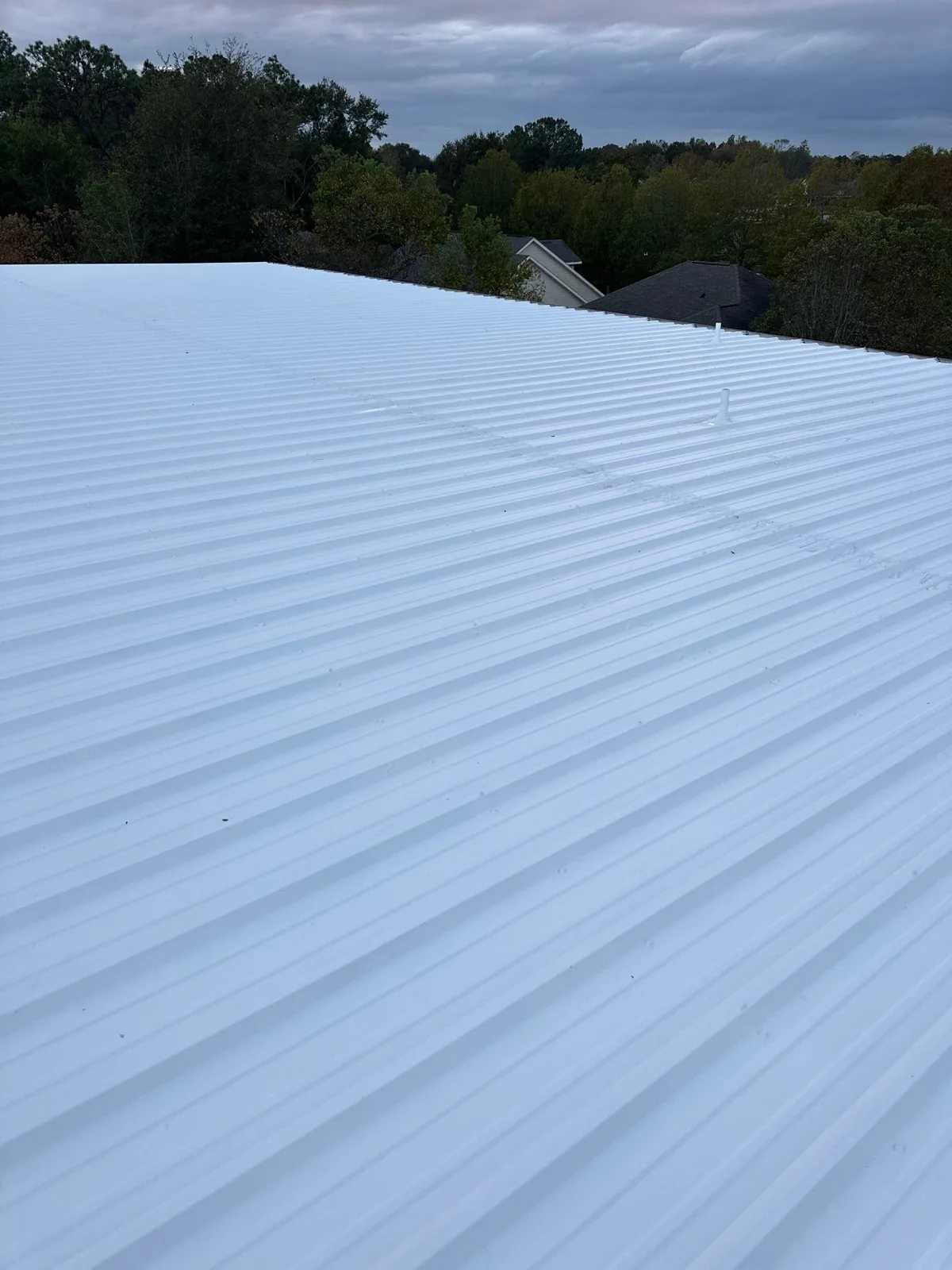
Roof Coating Restoration
Roof coating restoration in Queens, NY: when a silicone or acrylic system can extend a sound, dry roof, how we prepare the surface and what drives cost.
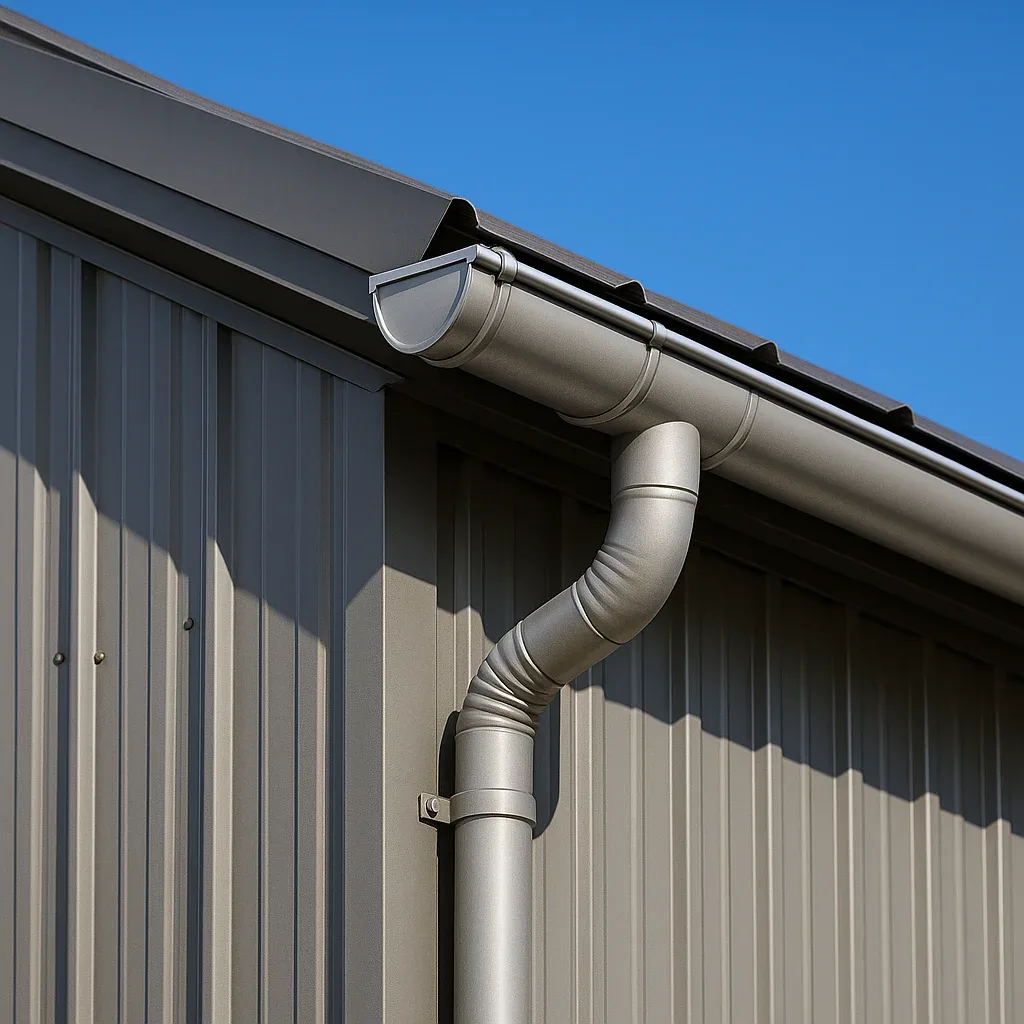
Edge Metal, Coping and Gutters
Edge metal, coping, gutter and downspout repair for commercial roofs in Queens, NY: wind uplift, open joints, brick staining and drainage at the roof edge.
Ready to Talk About South Ozone Park?
Tell us about the building and what you are seeing. We will schedule a roof walk and send photos and a written scope.