
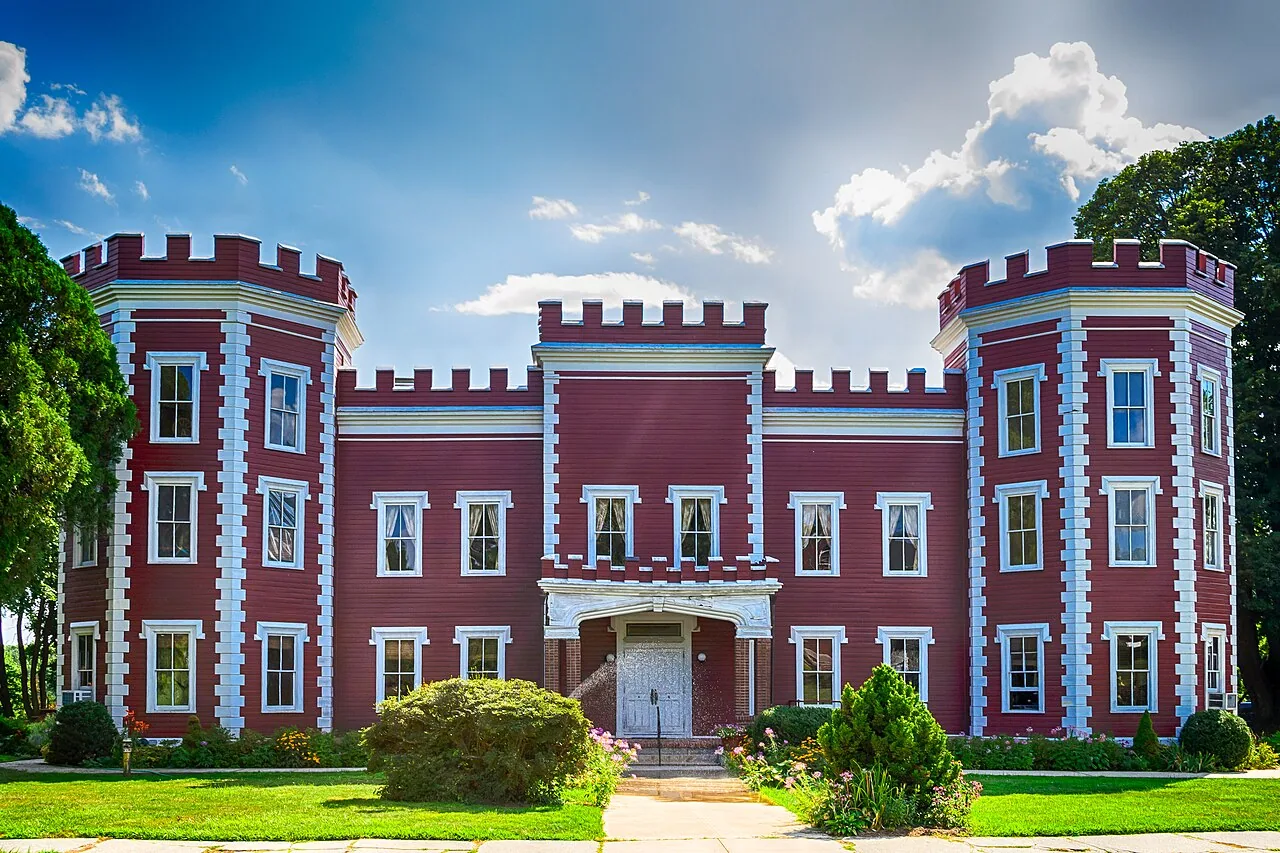
A work order that says only that the roof leaks tells a post engineer very little, and the useful questions come after it. How old is the roof, how often has it been patched, and is the building in use, closed up or waiting on funding? A brown ring on the ceiling of a drill hall or a damp corner in an old barracks looks the same either way. Roof repair and replacement in Queens, NY takes a particular shape on military buildings: the work begins at the stain, traces back to the roof, and has the installation's rules written into the plan from day one.
Come up with me from the ceiling, and the sequence becomes clear.
What does the facilities office see first?
Facilities staff see the symptom: a stain, a drip in a corridor, flaking paint, a patch that has failed twice, or a drain bowl packed with debris. A ring that keeps widening after each rain means the leak is live. A stain at an outside wall implicates the flashing or the parapet, while one in the middle of a big room implicates the field of the roof or a drain.
The best record is the work order history with dates and a few photographs. Laid over a roof plan, it shows whether one spot has leaked for years and whether earlier repairs treated the cause, and that alone can change the scope.
Rooftop equipment needs its own accounting. Drill halls and offices end up with air handlers, exhaust fans, generators and antennas that different contractors set at different times, and each left a curb or a penetration behind. We number them on the plan, check every base flashing and flag abandoned units for removal and capping.
What do Fort Totten and Fort Hamilton tell us about roofs?
Two installations frame the questions in this part of the city. Fort Totten, in Bayside, hosts Army Reserve units, among them the 533rd Brigade Support Battalion and the 77th Sustainment Brigade, while the NYPD and FDNY train on other parts of the grounds. The FDNY EMS Training Academy is in the Bay Terrace area. Most of the fort's buildings are dilapidated and unused, and the property is largely a city-owned park. Fort Hamilton lies in the southwestern corner of Brooklyn, about 15 miles from central Queens. It is the city's only active-duty Department of Defense post, and its tenants include a Military Entrance Processing Station, the NYC Recruiting Battalion and the North Atlantic Division headquarters of the Corps of Engineers.
The two posts present different roofing problems. A roof on a building that is waiting for a decision needs to be stabilized: drains cleared, openings closed, active leaks dried in. A roof over daily occupants needs a plan that fits those people's schedules. An owner of buildings near the fort in Bayside would start by sorting the roofs into those two groups.
How does work on a base differ from ordinary roofing?
Before the first truck arrives, the plan names who comes in, through which gate, at what hour and with which tools. Each worker needs credentials, trucks may be searched at the gate, an escort can be required, and material arrives only in the slots the post assigns, with the working day set by the mission. Military installations usually specify roofing by the Unified Facilities Criteria, which lay out what is expected of assemblies, details and warranties on federal property.
We write those steps into the schedule and read the specification before pricing. A survey drafted with the criteria in mind hands the facilities engineer a document that drops straight into the specification process, which is the idea behind our military installation roofing planning, and the same habits serve any government building roof.
Hot-work permits, fire watch and lockout of rooftop equipment sit in the same plan. A torch is used on a roof only where the installation permits it, and we price a cold-applied or mechanically attached system next to it as the fallback. The post schedules safety briefings, and our crew roster is submitted well ahead.
How do we confirm what the roof needs?
The first tool is an infrared scan, which marks where insulation is holding water. A probe along seams and flashings then finds soft or open spots, and core cuts show how many layers sit on the deck and whether the bottom one is dry. For a building that has stood empty, we also look at the deck from below, since long exposure to water damages steel and wood framing.
What comes out is a rating for each roof area, with the list sorted into stabilize now, repair this year and plan for replacement. For a building headed back into use, the survey says whether the existing assembly can be saved or the deck and insulation have to come out. An infrared moisture survey is the usual first step.
Chimneys and roof hatches are the failures that hide on older buildings. Counterflashing pulled out of a mortar joint can feed a wall for years, and a hatch curb that sits too low takes water in every storm, so each is tested by hand and logged on the plan.
What do Queens weather and wind do to these roofs?
Hurricane Ida's remnants, on September 1, 2021, forced the first flash flood emergency the city had ever declared, and the highest toll fell in Queens. A drain that copes with ordinary rain chokes in a cloudburst, and on a flat roof the water backs up against the parapet. Snow comes to about 29.8 inches in a typical year, and one January 23, in 2016, brought 27.3 of those inches in a day. Hurricane Sandy's surge in October 2012 reached a record 14.06 feet above average low tide at The Battery, with hurricane-force gusts across the metro area.
Wind loosens a roof from the edge inward, so every walk includes coping, edge metal, ridge caps and perimeter fasteners. Wind damage repair starts with dated photographs, and a record taken before the storm makes the comparison plain.
Sun-facing roofs also age faster in a city where July afternoons average near 85 degrees at Central Park and the heat island holds the warmth. We mark blisters, open laps and softened sealant on the plan.
What is the next step for a facilities lead?
The next step is a walk, followed by a written report. Each flashing and drain is photographed, and the roof plan, core log and ranked list of open items go to the facilities office, where the file stays for the next engineer. Any review a building requires for its repair method goes into the schedule before material is ordered. Access for occupied buildings is planned the same way on a hospital roof or a school roof, and clear roof drains and scuppers protect every roof on a post.
Questions Owners Ask
What building owners and managers usually ask before a roof visit.
Clear the drains, close openings, dry in active leaks and rate the condition. An unused building deteriorates quietly, and a stabilized roof stops the repair bill from growing while a decision about the building is made.
Credential checks, vehicle searches and escorts all run on the installation's clock. If delivery slots and the crew roster are settled ahead of time, the first morning goes to the roof, not the guard shack.
It adds hours that a civilian job never carries: waiting for escorts, passing inspections, working within delivery slots. Those hours appear as their own line, so the facilities office can compare the cost of the roof with the cost of reaching it.
The specification decides. We read it before pricing, install the roof as drawn and raise any gap with the contracting office in writing before the crew starts.
Send photos of the stain and the nearest drain, plus the building number or area and the roof age if known. From those we describe the likely cause in plain steps before pricing anything.
Related Roofing Work
Other pages that connect to Army Installation Roofing.
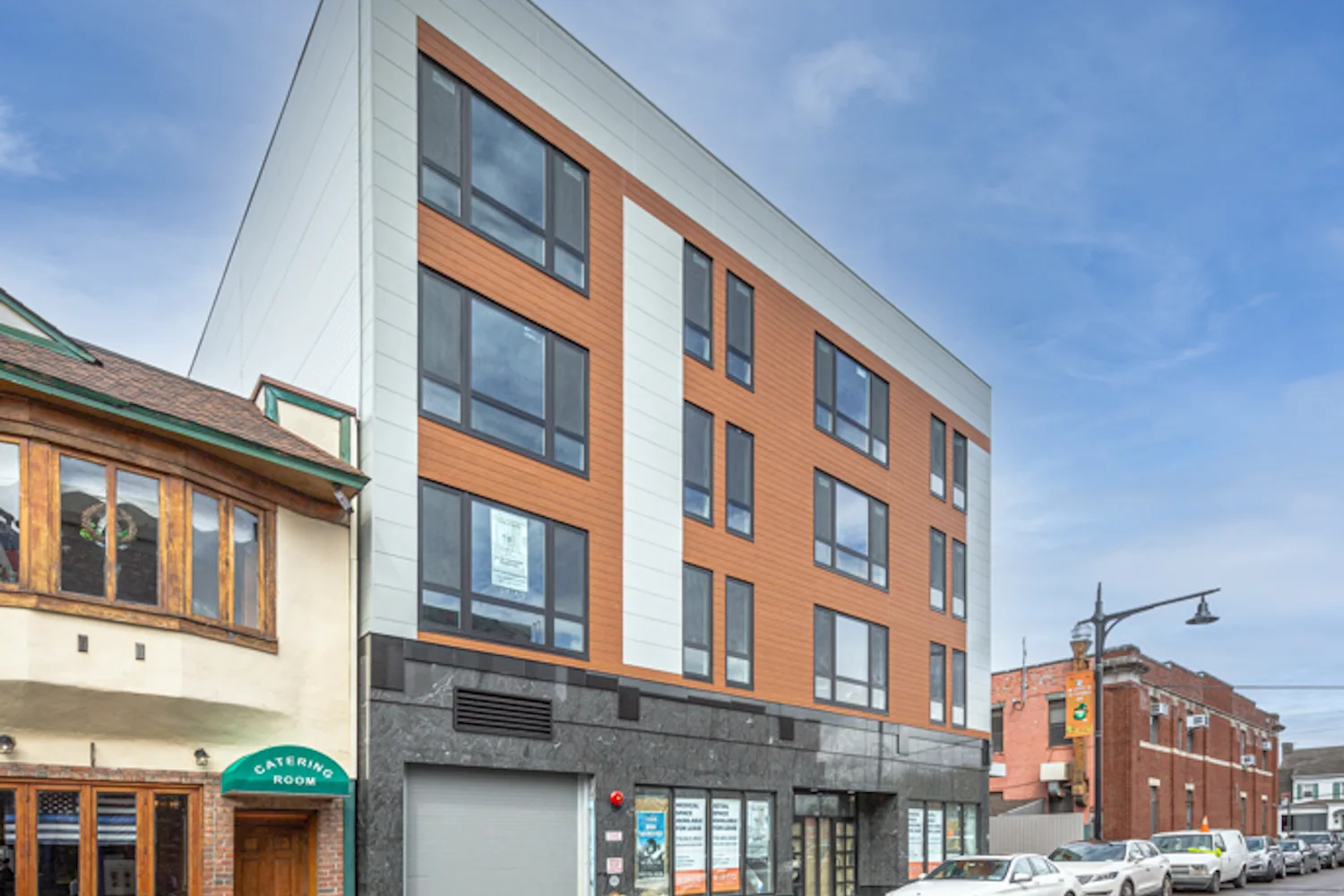
Bayside
Commercial roof repair and replacement in Bayside, Queens, NY: Bell and Northern Boulevard storefronts, shopping center roofs and institutional buildings.
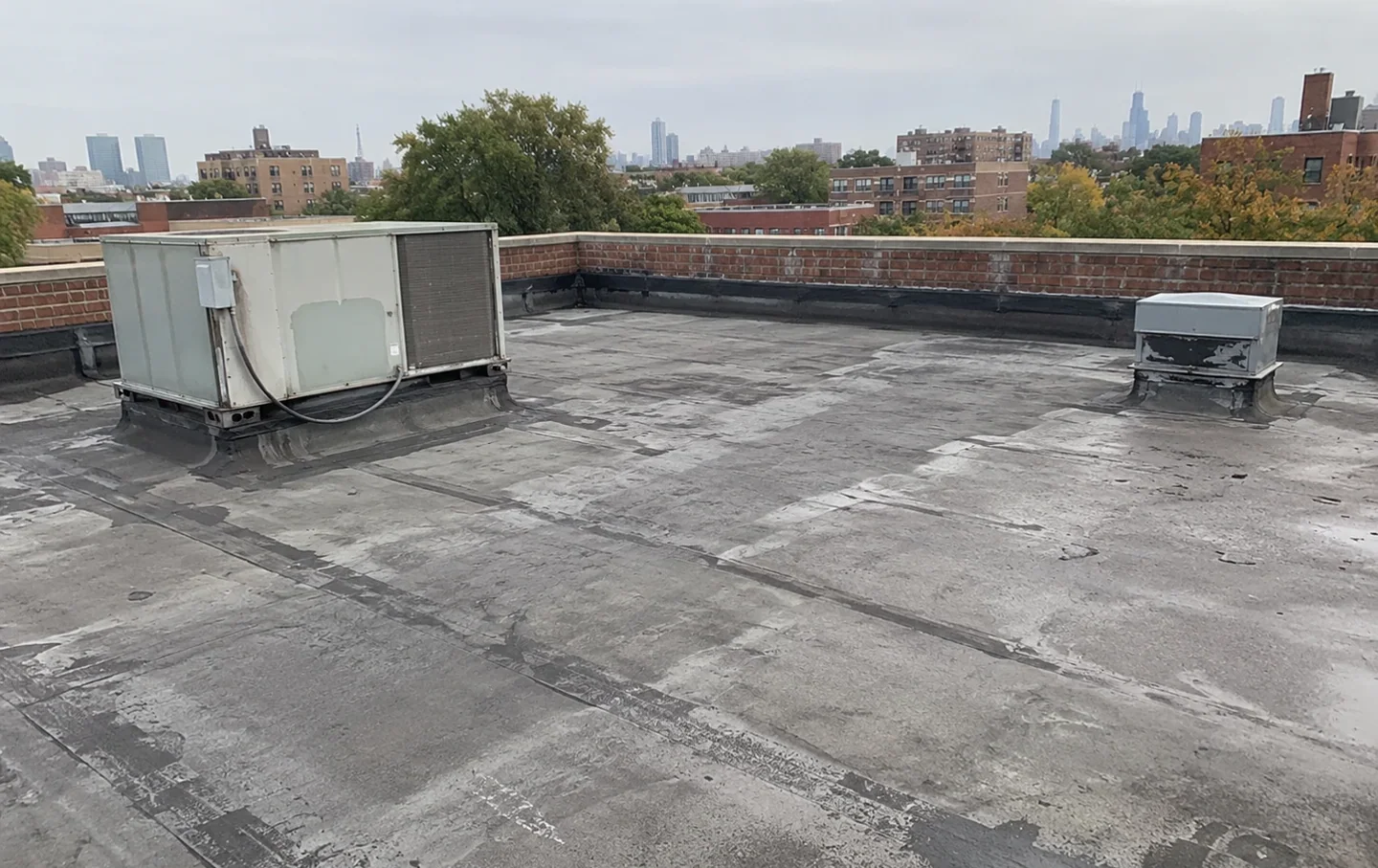
Military Installation Roofing
Roofing on military installations near Queens, NY: base access and escorts, UFC roofing criteria, mission schedules and planning a roof job inside the gate.
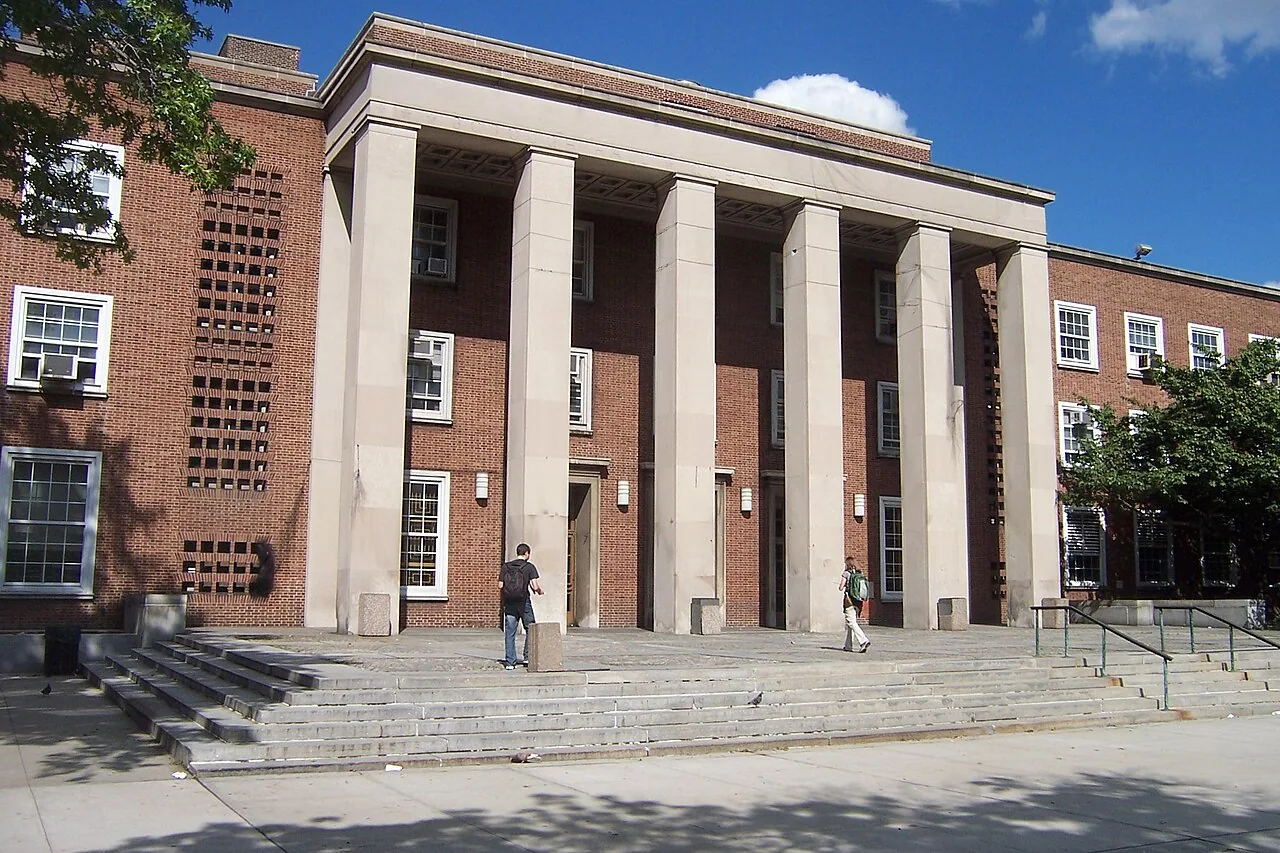
Government Building Roofing
Roof surveys, repair and replacement for Queens, NY government and municipal buildings, with findings written for bids, code review and capital budgets.
Ready to Talk About Army Installation Roofing?
Tell us about the building and what you are seeing. We will schedule a roof walk and send photos and a written scope.